Number comparison Easy Worksheets for Ages 3-6
4 filtered results
-
From - To
Discover our engaging "Number Comparison Easy Worksheets" specially designed for children ages 3-6! Our carefully crafted worksheets introduce young learners to the foundational concept of comparing numbers in a fun and interactive way. Each worksheet features colorful visuals and straightforward exercises that make learning enjoyable. Kids will practice identifying which numbers are larger or smaller, fostering essential math skills while building confidence. Perfect for at-home learning or classroom activities, these worksheets encourage critical thinking and early numeracy. Explore our collection today and help your child develop a strong mathematical foundation with these easy-to-use number comparison resources!
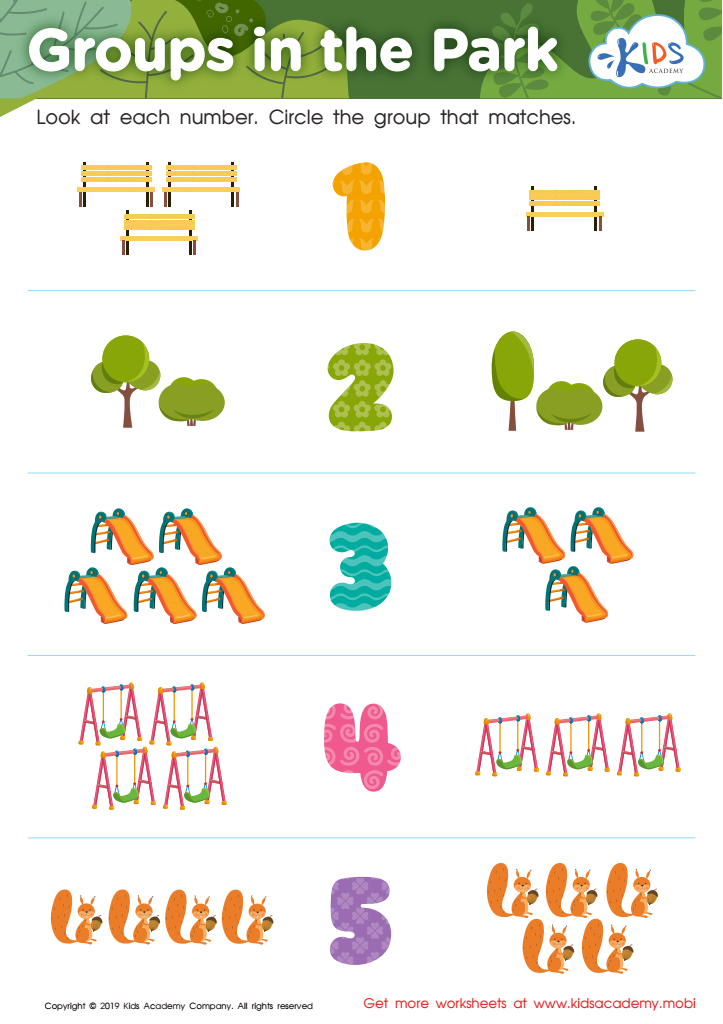
Groups in the Park Worksheet
 Assign to My Students
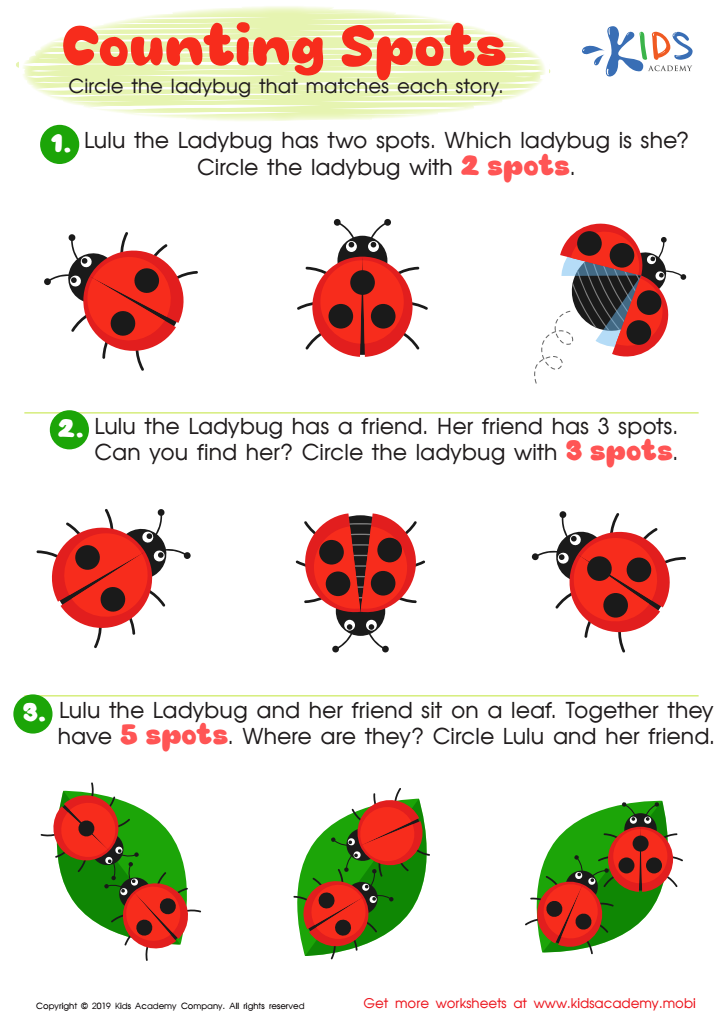
Counting Spots Worksheet
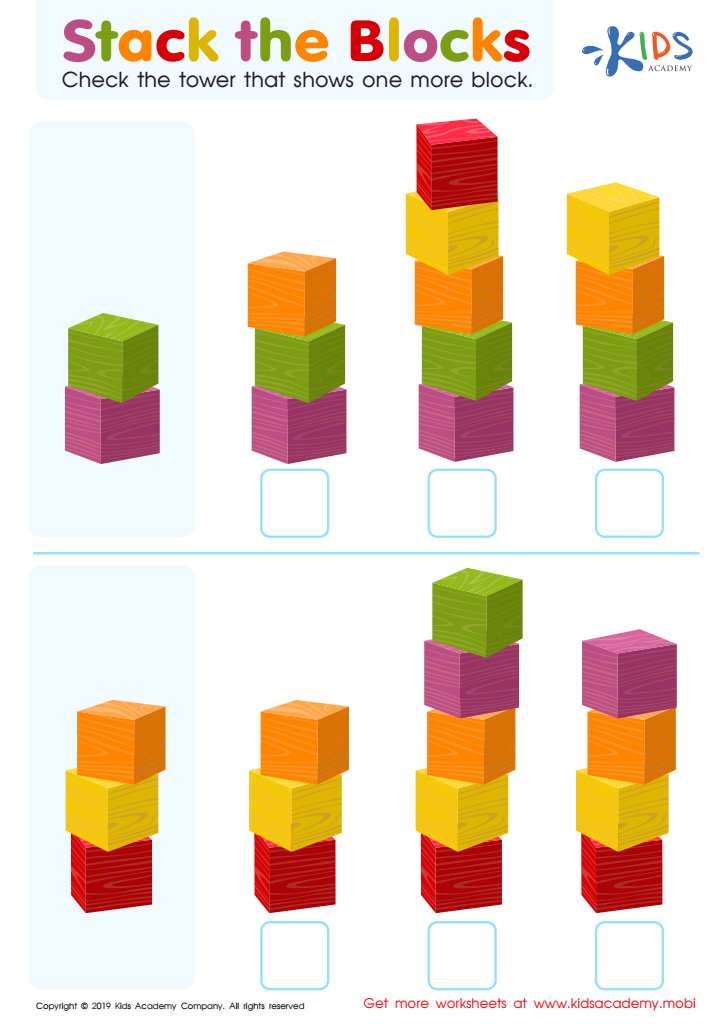
Stack the Blocks Worksheet
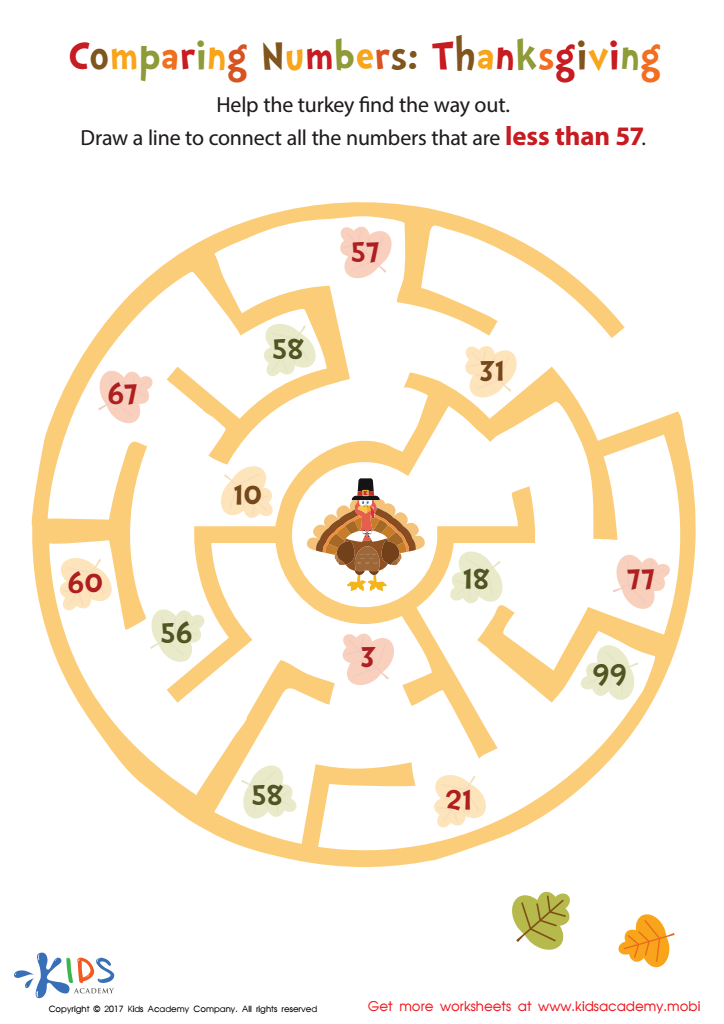
Comparing Numbers Printable







Number comparison is a foundational skill crucial for young children's mathematical development, especially for ages 3-6. At this stage, children are naturally curious and eager to learn, making it an ideal time to introduce concepts related to numbers and their meanings. Parents and teachers should care about number comparison because it fosters critical thinking and enhances cognitive skills. Recognizing which number is greater or smaller helps children develop number sense, a vital skill for future math success.
Engaging in number comparison activities encourages children to visualize quantities, make connections between numbers, and understand relationships among them. This early exposure not only builds a solid mathematical foundation but also promotes confidence in problem-solving.
Additionally, number comparison supports language development as children begin to articulate their thoughts about the relationships between numbers. By integrating fun games and activities related to number comparison, parents and teachers can create a stimulating learning environment that captivates children’s interest, encouraging a lifelong love for learning.
Overall, caring about number comparison at this early age is essential for fostering foundational math skills, enhancing cognitive development, and preparing children for future academic challenges. Investing time in these skills will serve children well in their educational journeys.








