Story sequencing Easy Worksheets for Ages 3-6
3 filtered results
-
From - To
Introduce your little ones to the joys of storytelling with our "Story Sequencing Easy Worksheets for Ages 3-6." Designed to help young learners develop essential reading and comprehension skills, these engaging and colorful worksheets guide children through fun sequencing exercises. By arranging pictures in the correct order, kids enhance their cognitive abilities, while learning the basics of storytelling and logical thinking. Perfect for both classroom and home use, our printable worksheets ensure that learning remains enjoyable and stress-free. Spark creativity and build foundational literacy skills with these expertly crafted resources from Kids Academy!
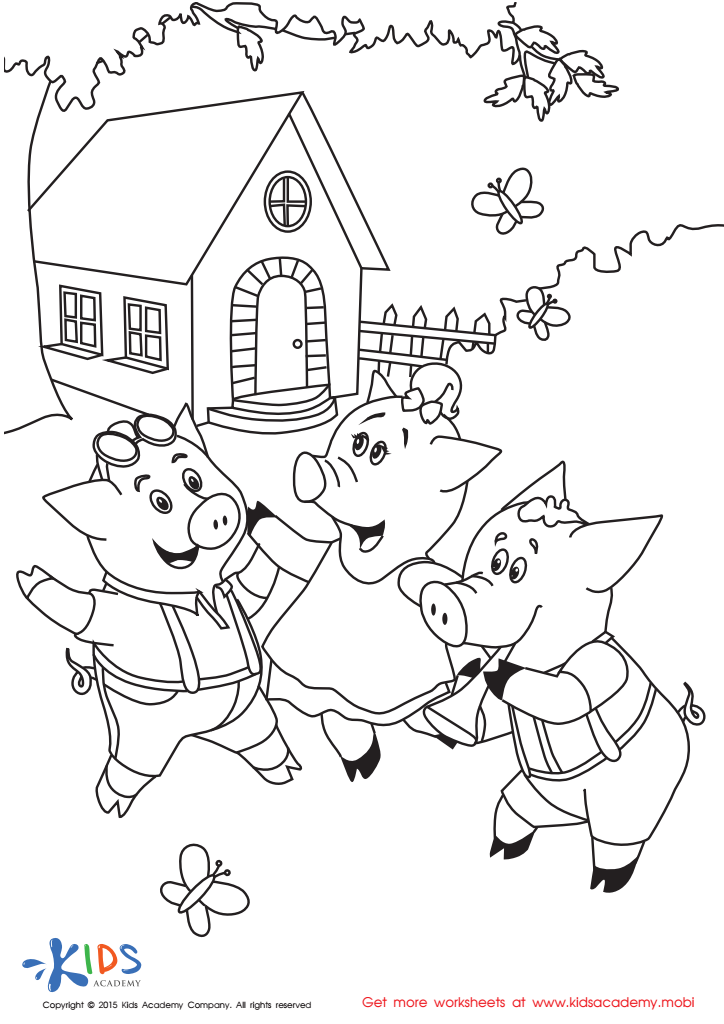
Folktales Printable PDF Worksheet: The 3 Little Pigs
 Assign to My Students
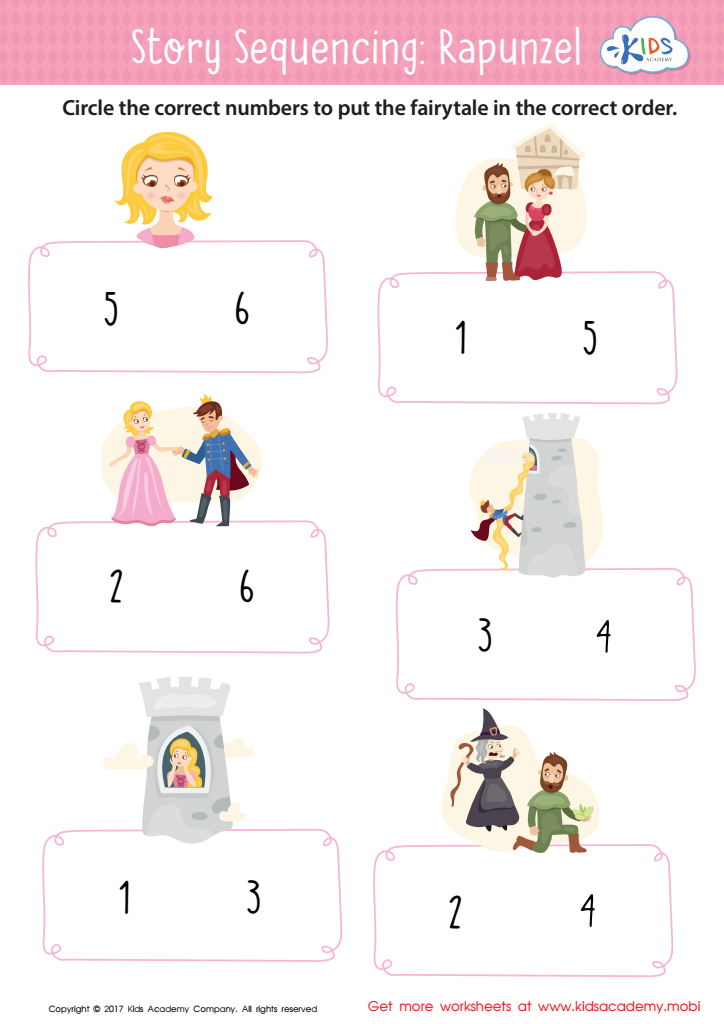
Rapunzel Story Sequencing Worksheet
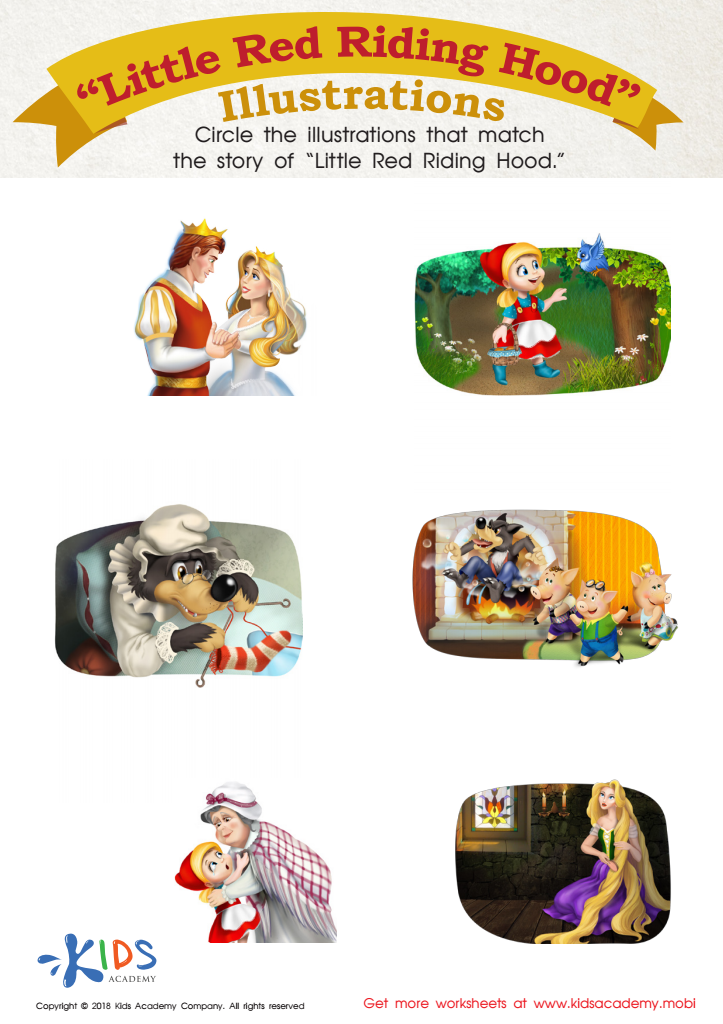
Little Red Riding Hood: Illustrations Worksheet






Story sequencing is a foundational skill crucial for children's cognitive development, especially for ages 3-6. By caring about story sequencing, parents and teachers help young children grasp the concept of order and structure, which are essential for comprehending and organizing information. Story sequencing involves recognizing and arranging events or elements in a logical sequence, such as from beginning to middle to end.
For young children, mastering this skill enhances their ability to follow instructions, understand daily routines, and make sense of the world around them. It also plays a vital role in developing early literacy skills. When children can sequence stories, they improve their comprehension and retention of narrative details. This skill is integral to reading and writing proficiency as they learn to anticipate what happens next in a narrative and make connections between different parts of a story.
Moreover, story sequencing strengthens critical thinking and problem-solving abilities. Children learn to identify cause-and-effect relationships and predict outcomes, which are important for academic success and everyday decision-making.
In addition, engaging in story sequencing activities fosters communication skills. As children discuss story elements, they expand their vocabulary and improve their ability to articulate thoughts clearly and coherently. Thus, investing in story sequencing activities supports a child's holistic development, creating a strong foundation for future learning and skill acquisition.








