Visual perception Easy Numbers Worksheets for Ages 3-6
15 filtered results
-
From - To
Welcome to our Visual Perception Easy Numbers Worksheets for ages 3-6! Designed to enhance your child’s visual recognition and counting skills, these engaging worksheets help young learners grasp the concept of numbers in a fun and interactive way. Children will develop critical visual perception skills through colorful illustrations and age-appropriate activities tailored to stimulate their curiosity and comprehension. Each worksheet encourages pattern recognition, number matching, and visual discrimination, making learning effective and enjoyable. Perfect for parents and educators, our resources promote early math skills while nurturing a love for learning. Explore our collection and watch your child thrive!
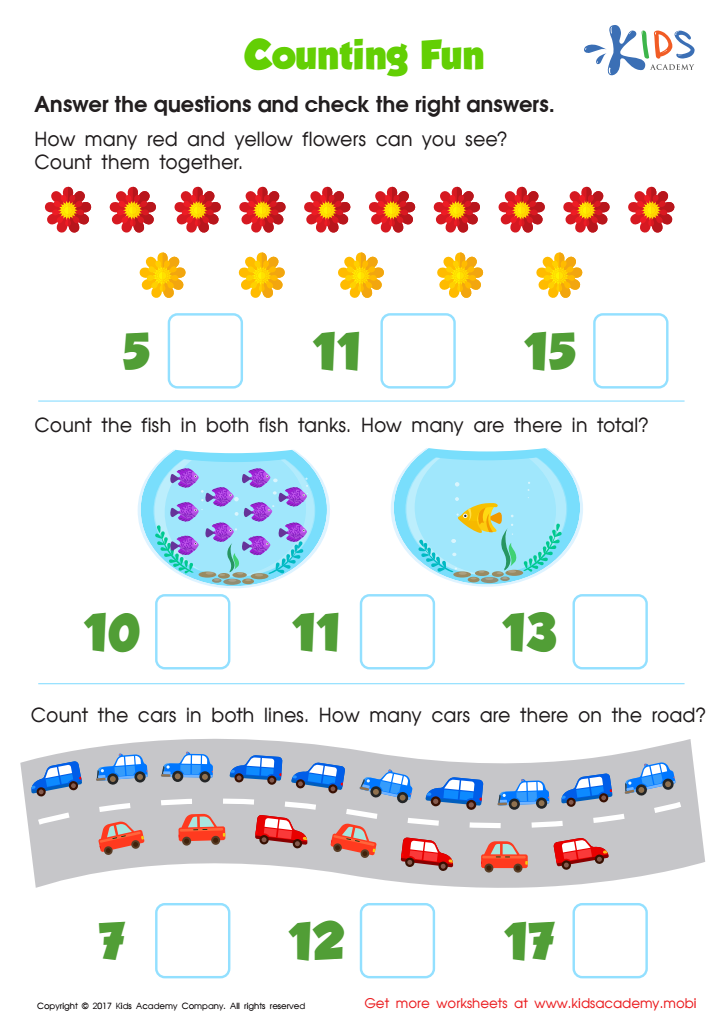
Counting Fun Worksheet
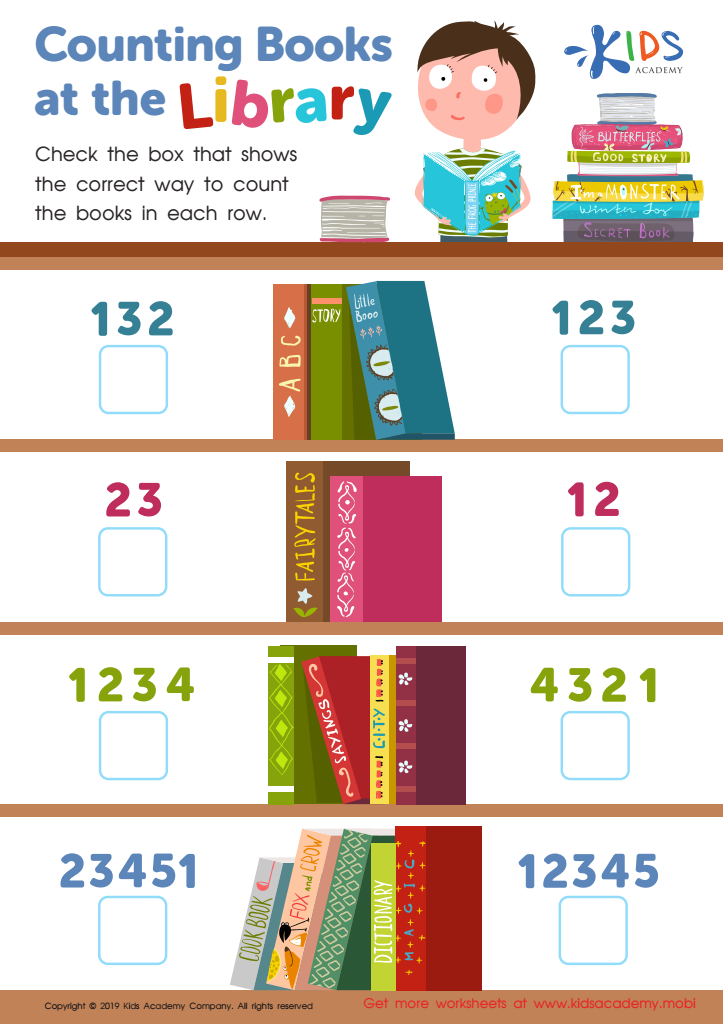
Counting Books at the Library Worksheet
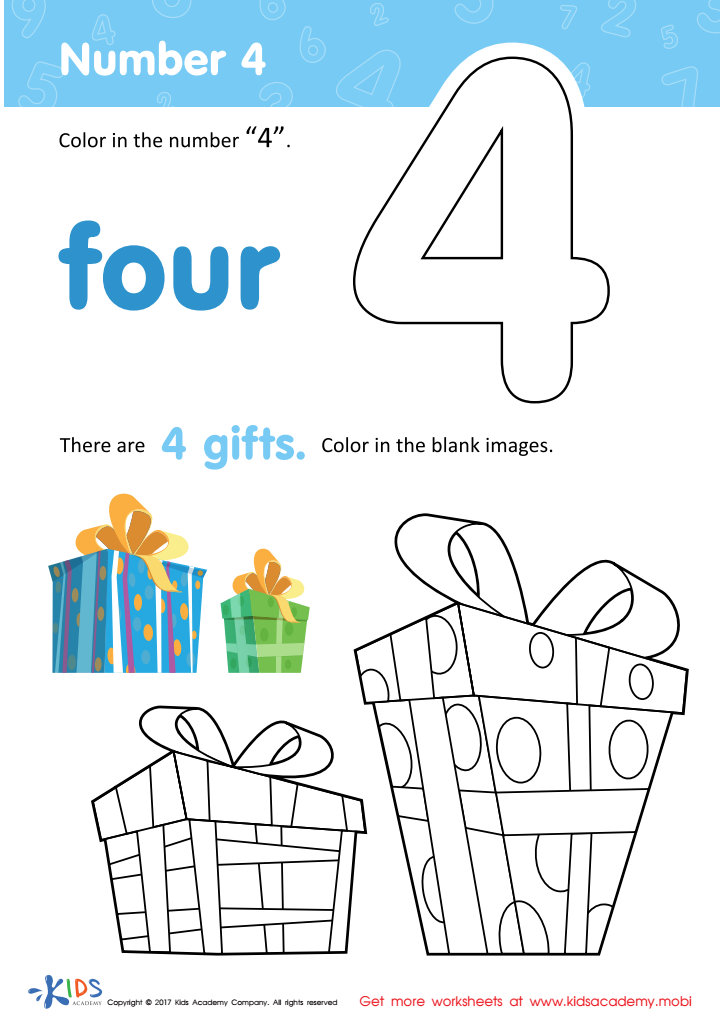
Number 4 Printable
 Assign to My Students
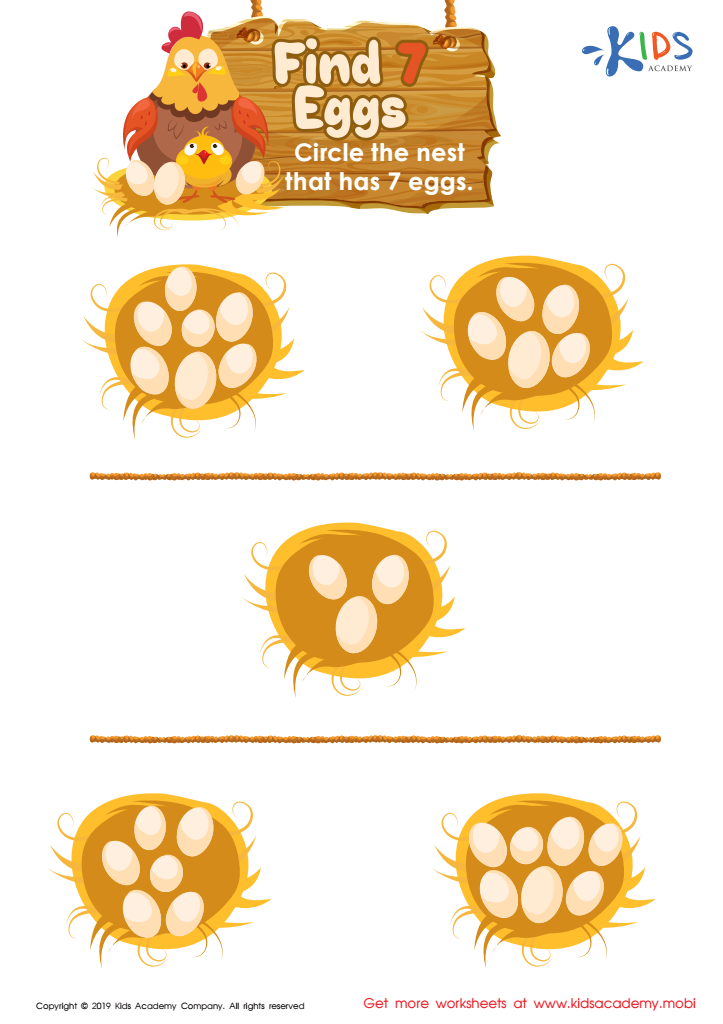
Find 7 Eggs Worksheet
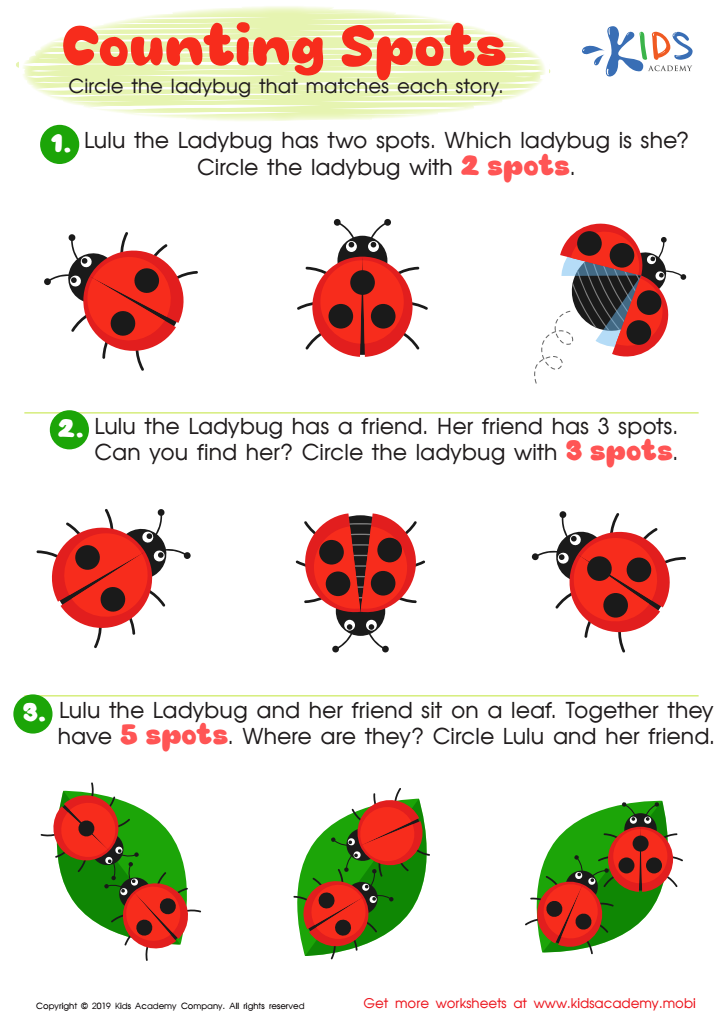
Counting Spots Worksheet
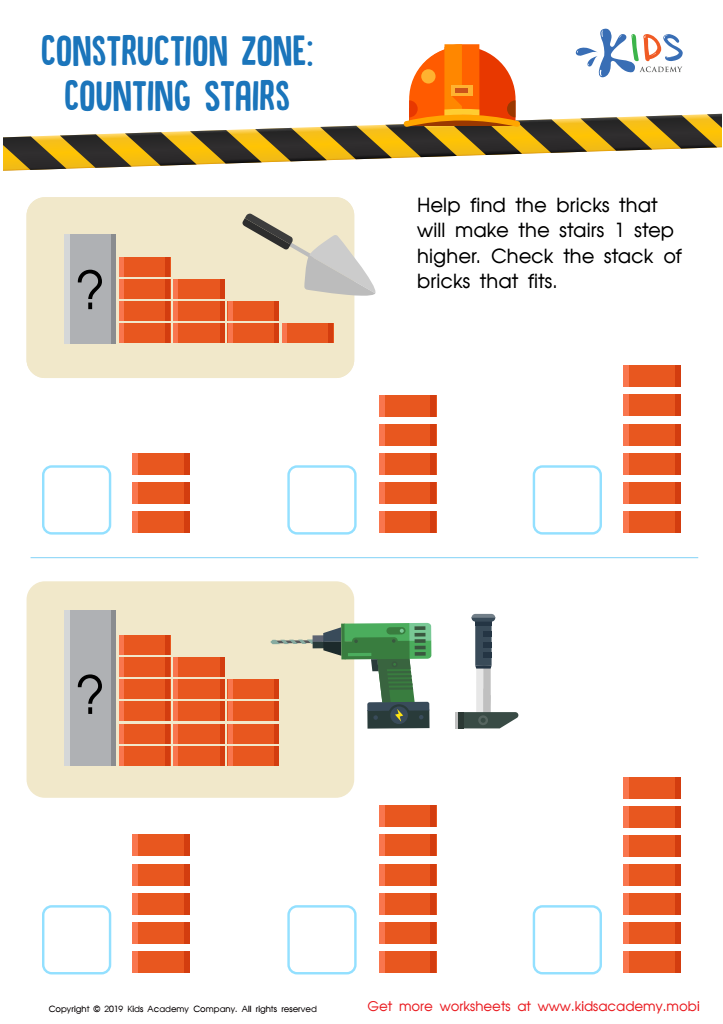
Construction Zone: Counting Stairs Worksheet
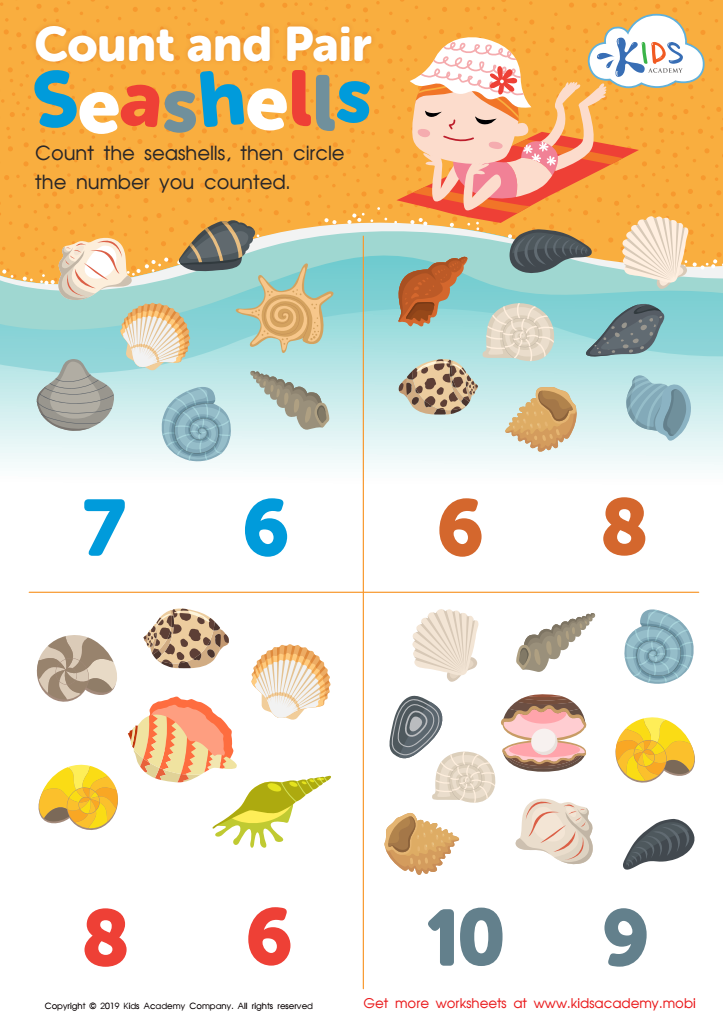
Count and Pair Seashells Worksheet
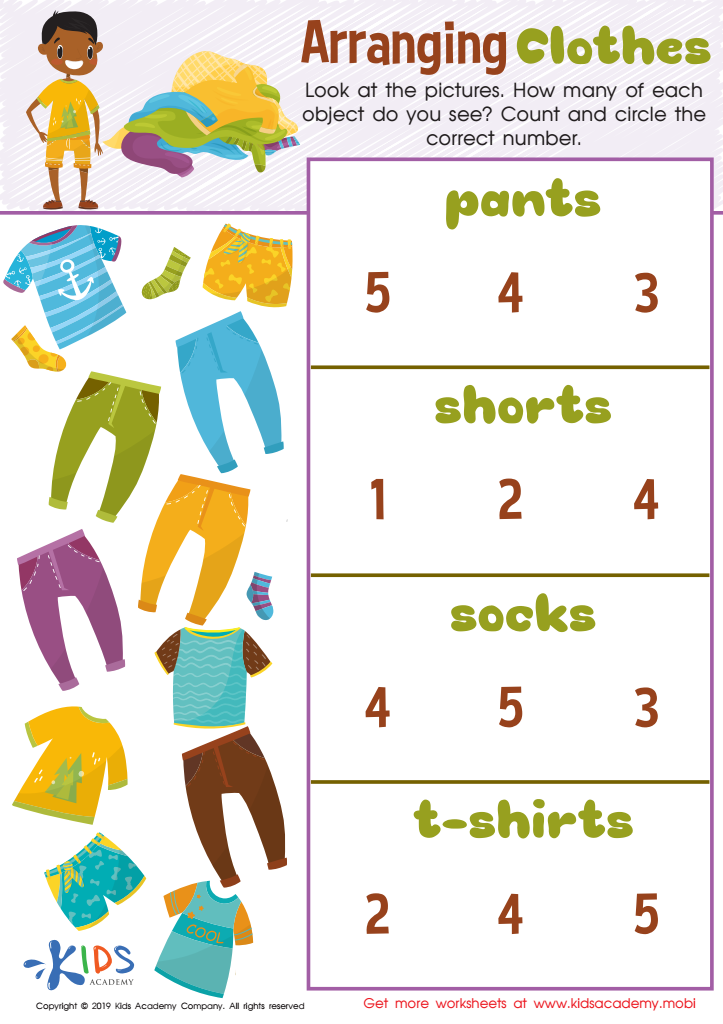
Arranging Clothes Worksheet
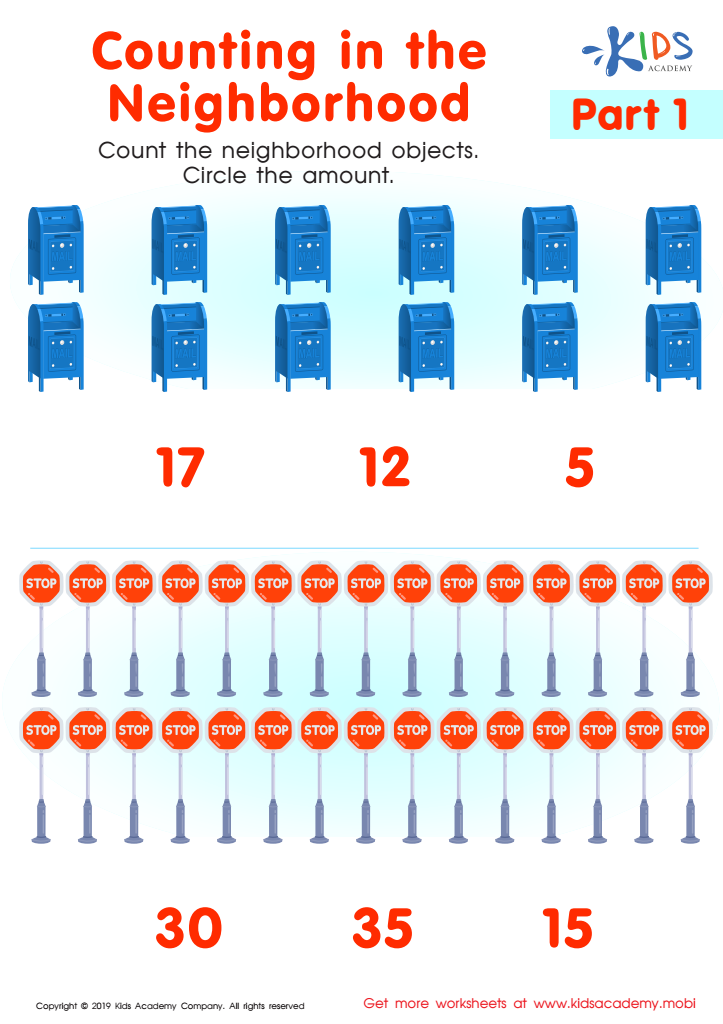
Counting in the Neighborhood Part1 Worksheet
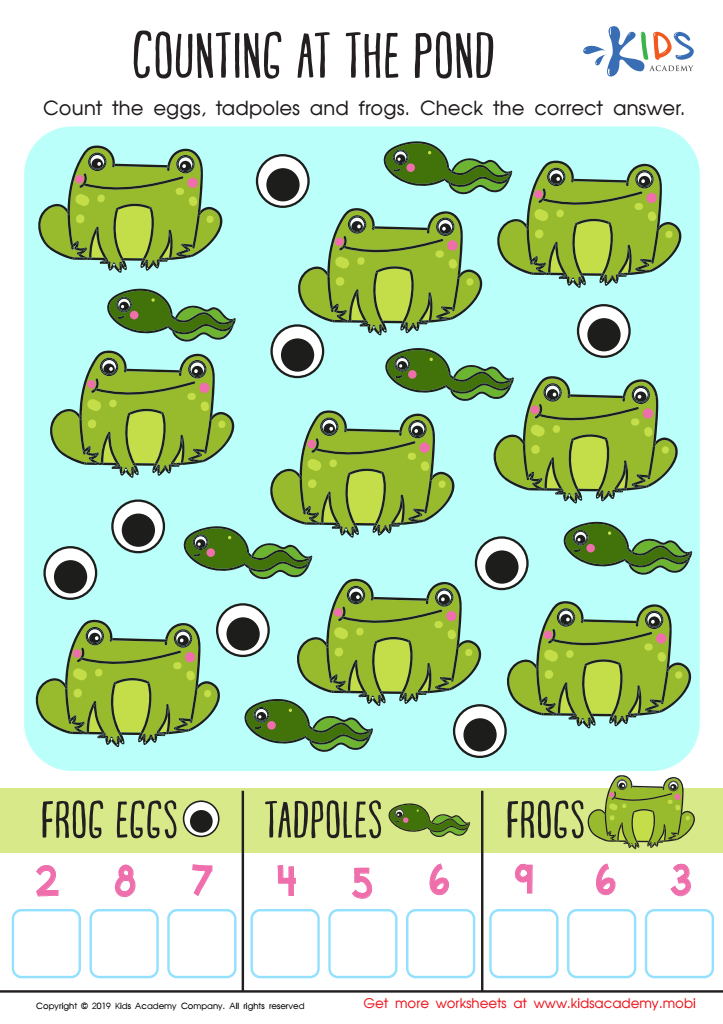
Counting at the Pond Worksheet
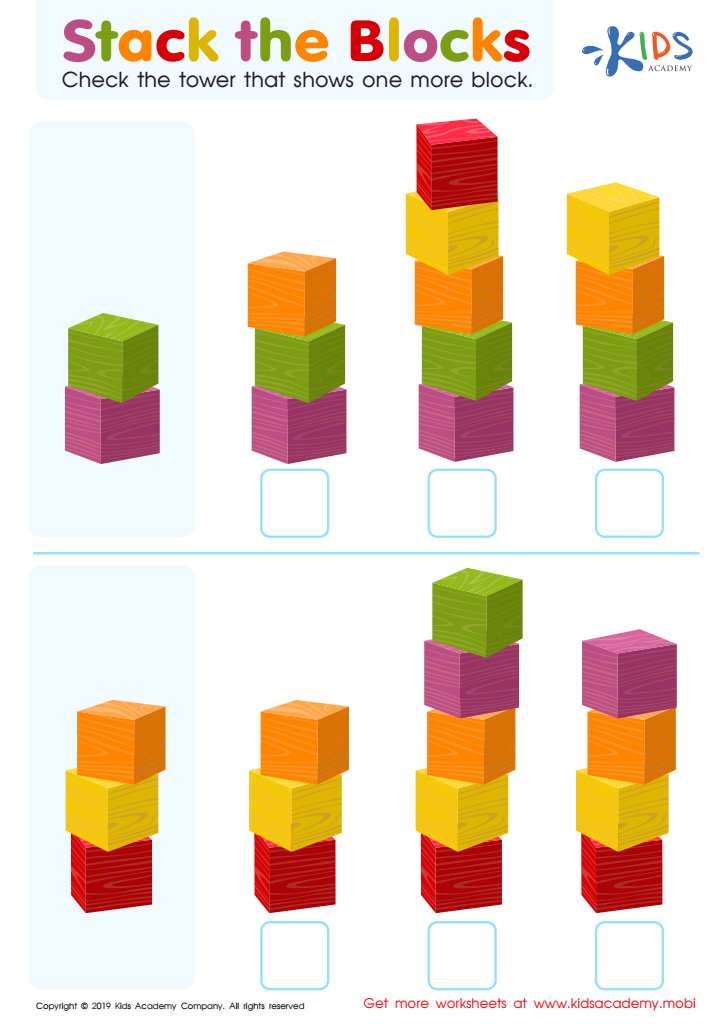
Stack the Blocks Worksheet
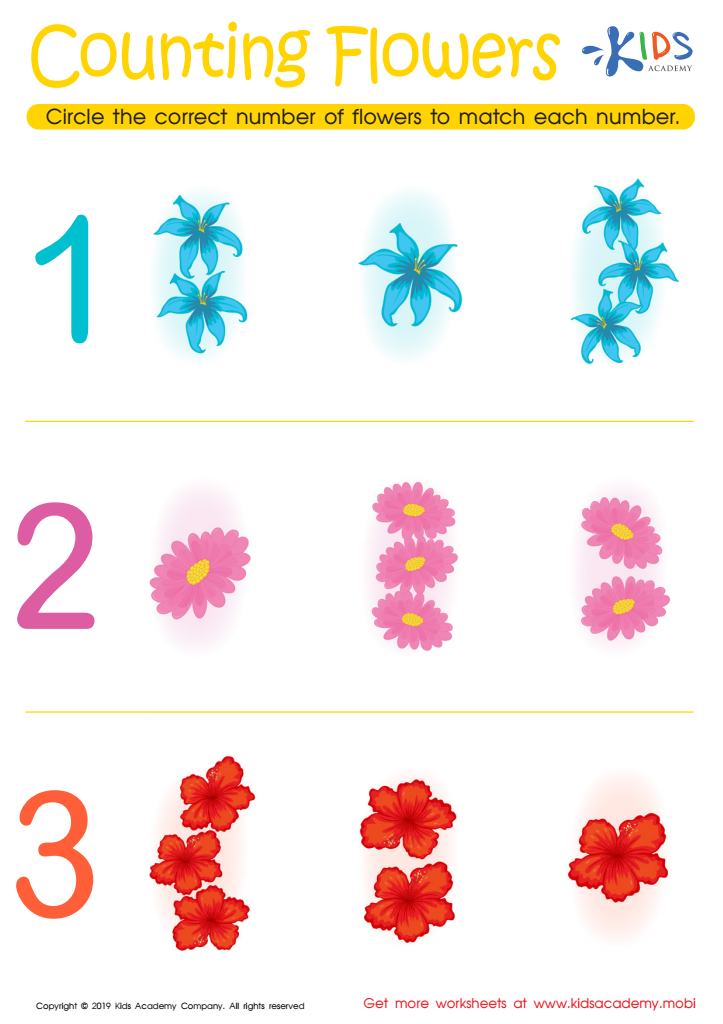
Counting Flowers Worksheet
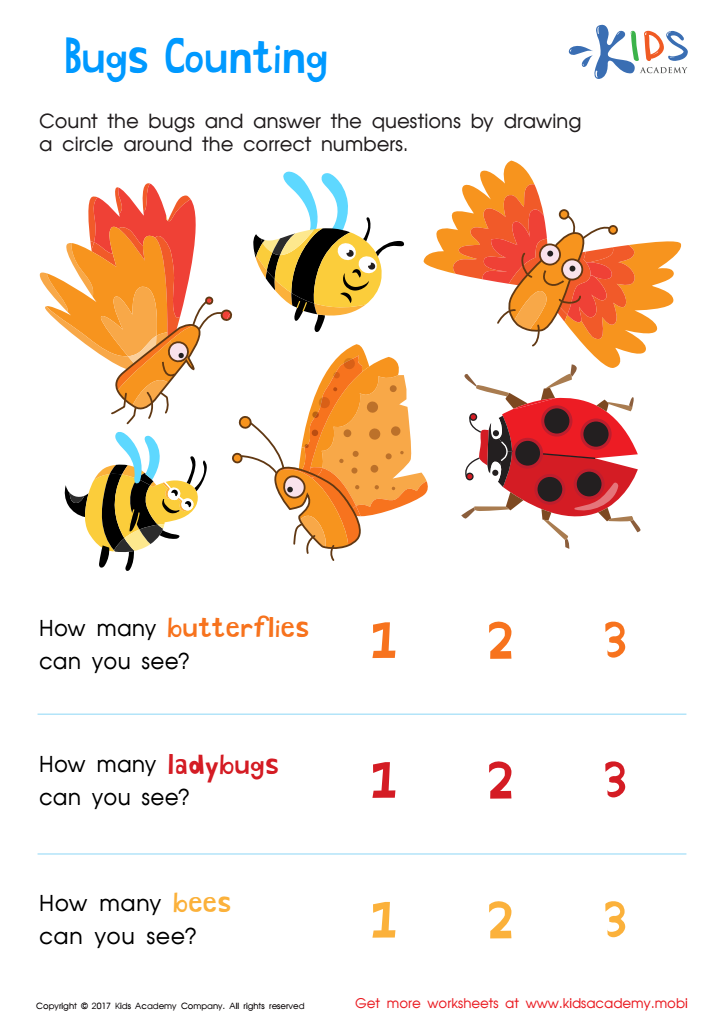
Bugs Counting Worksheet
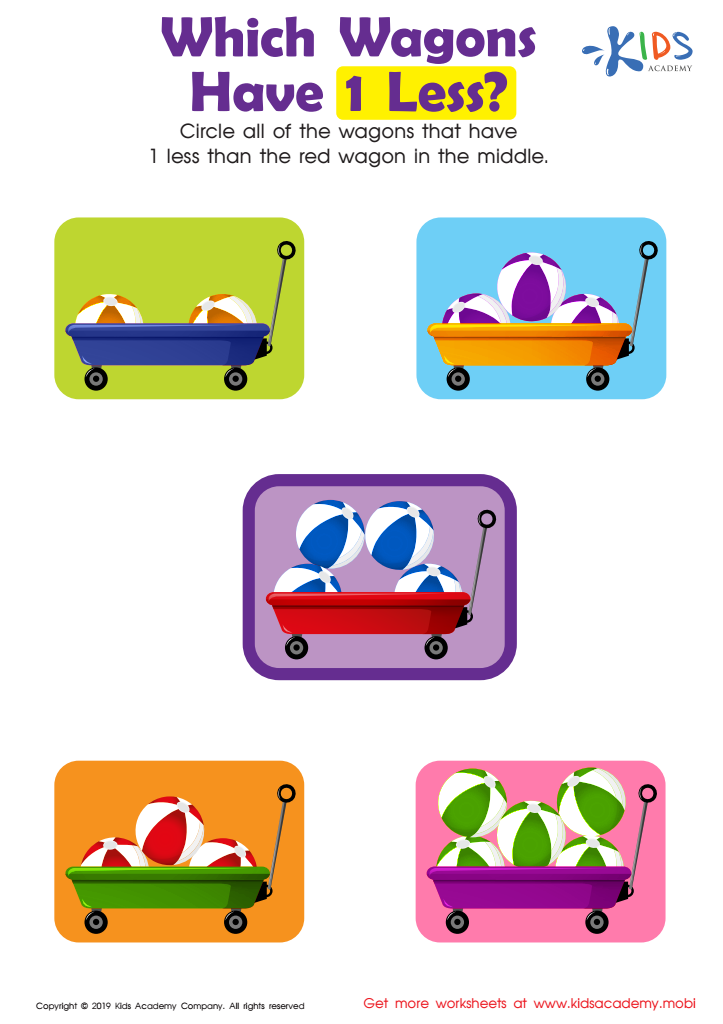
Which Wagons Have 1 Less? Worksheet
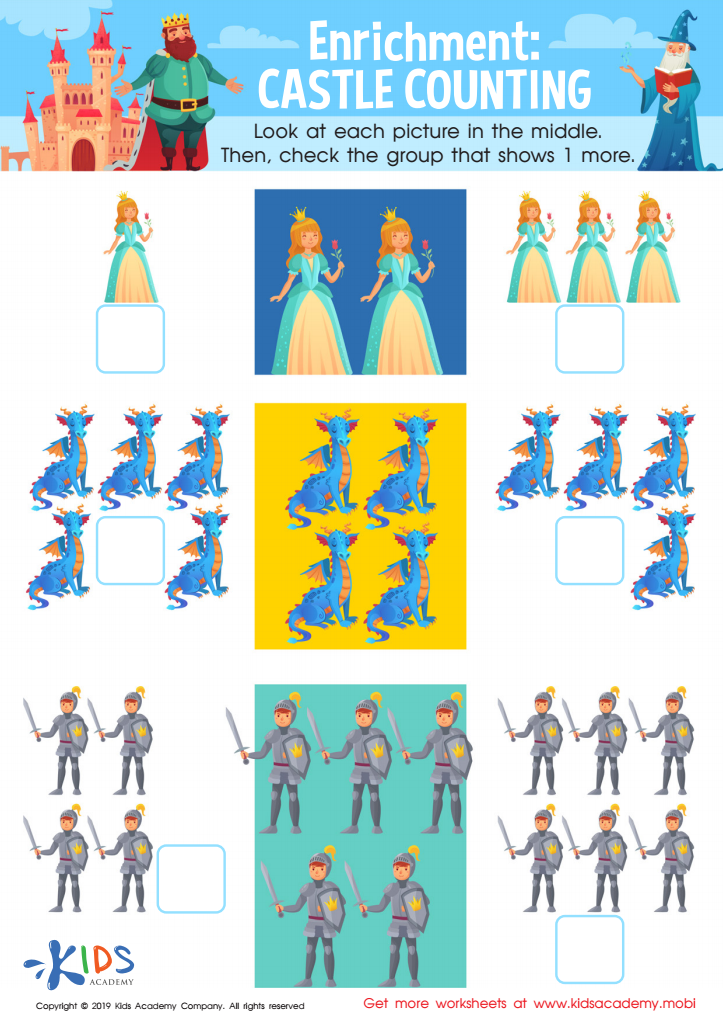
Enrichment: Castle Counting Worksheet








Visual perception is a crucial developmental skill for children aged 3-6, serving as a foundation for later academic and real-world success. It involves the ability to interpret and make sense of visual information—crucial for tasks like recognizing letters, numbers, and shapes. Parents and teachers should prioritize visual perception activities, often presented in the form of fun and engaging games, to support children's readiness for school.
Engaging young learners in visual perception exercises fosters critical skills related to attention, memory, and spatial awareness. These skills contribute significantly to early math and literacy development; for example, recognizing numbers involves not just knowing the symbols but understanding their meaning and use in context.
Moreover, strong visual perception skills can enhance problem-solving abilities in children and support overall cognitive development. Activities that challenge a child's visual discrimination or memory not only build these essential skills but also promote confidence and enjoyment in learning.
By investing time in visual perception activities, parents and teachers set children up for future academic achievements, ensuring they approach new learning challenges with confidence and a well-rounded skill set. Fostering these abilities at an early age leads to a smoother transition into formal education and lifelong learning.








