Animal recognition Easy Math Worksheets for Ages 3-6
6 filtered results
-
From - To
Welcome to our "Animal Recognition Easy Math Worksheets for Ages 3-6" page! Tailored specifically for young learners, these engaging worksheets introduce foundational math concepts through delightful animal themes. Kids will enjoy identifying various animals while practicing essential skills like counting, sorting, and matching. Each activity is designed to promote early mathematical understanding while enhancing cognitive and fine motor skills. Perfect for home or classroom use, these resources inspire curiosity and creativity in young minds. Download our free, printable worksheets today to make math fun and accessible for your little ones as they explore the fascinating world of animals!
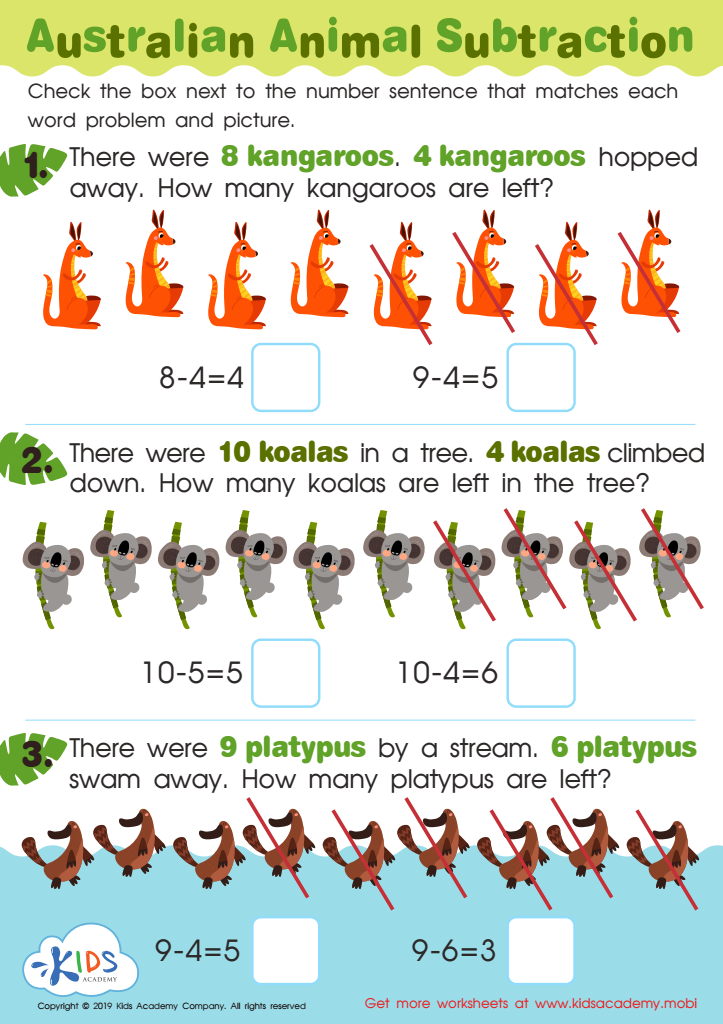
Australian Animal Subtraction Worksheet
 Assign to My Students
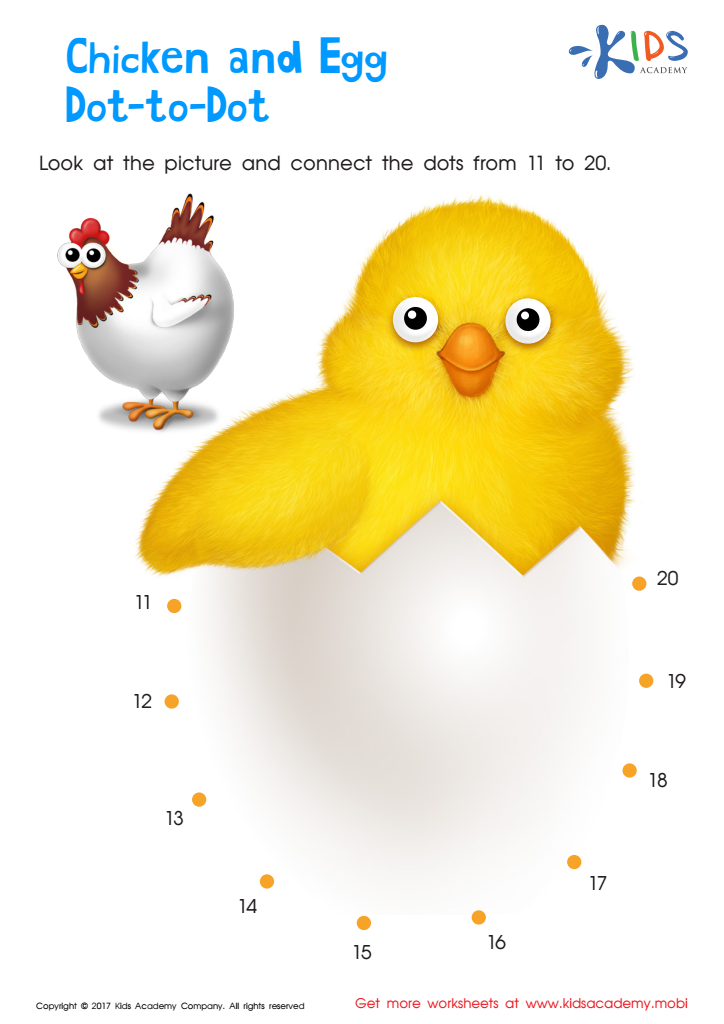
Ordering 11–20: Chicken & Egg Dot–to–dot Worksheet
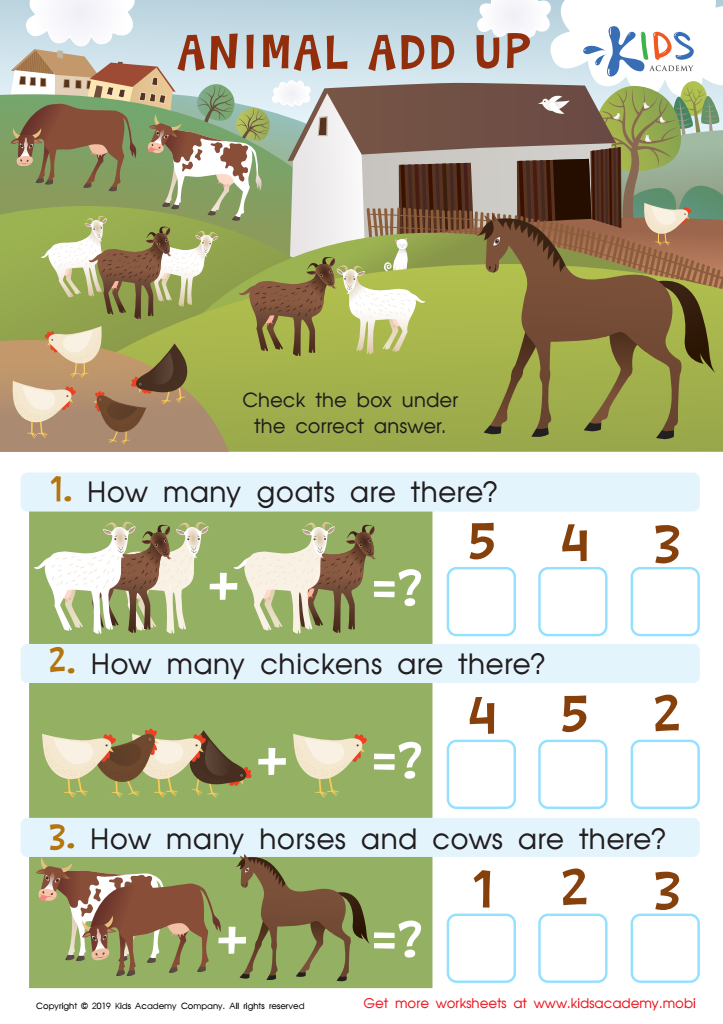
Animal Add Up Worksheet
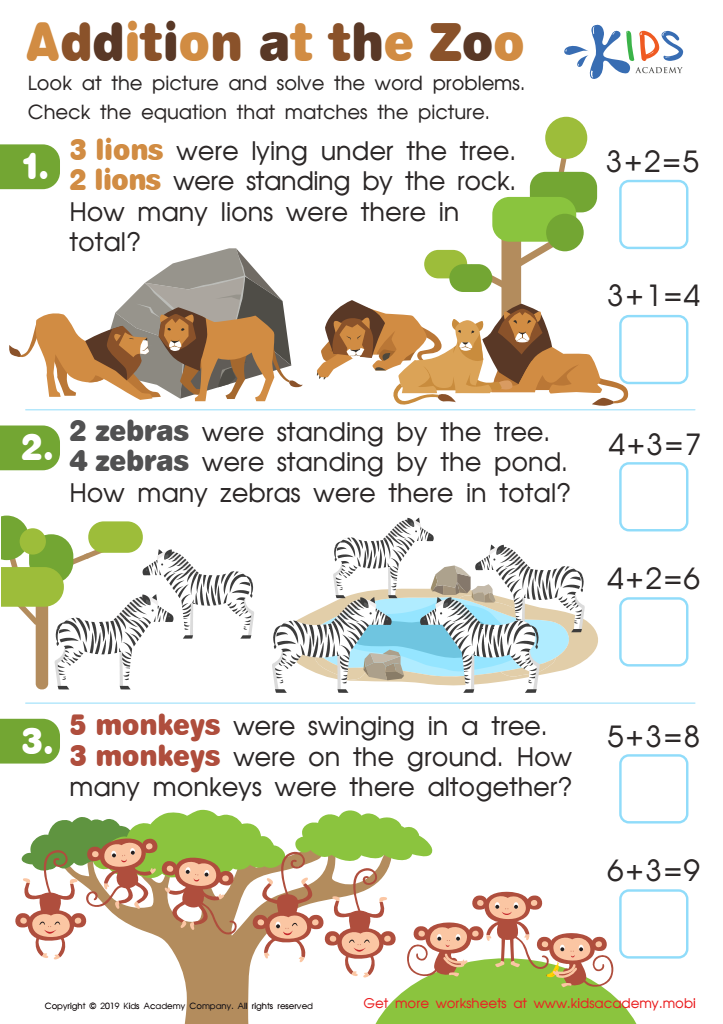
Addition at the Zoo Worksheet
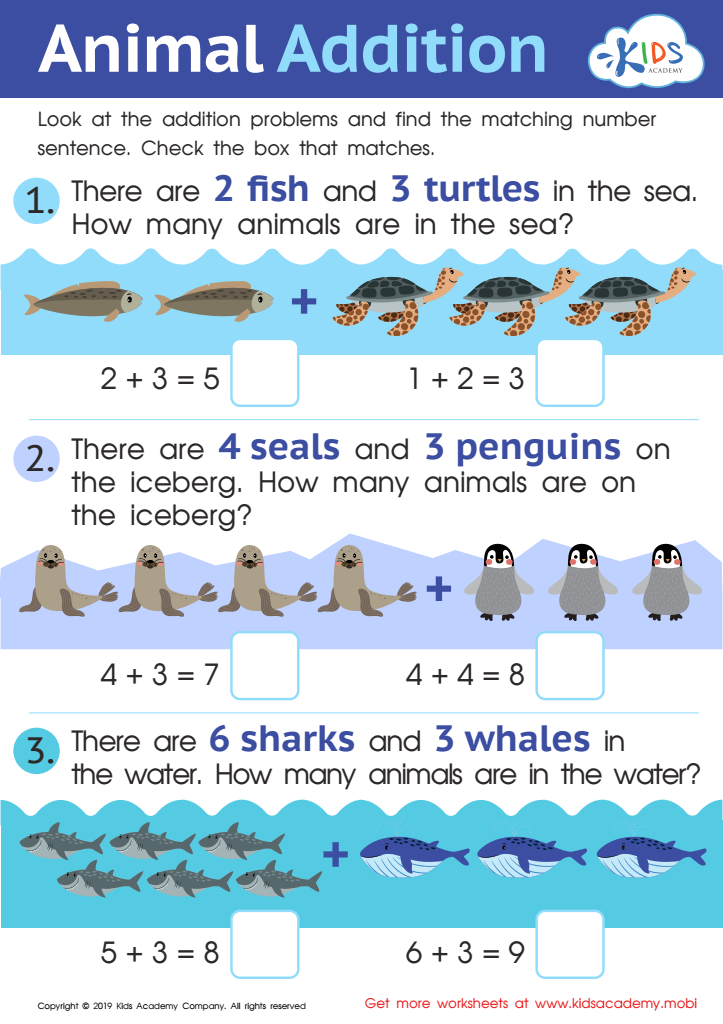
Animal Addition Worksheet
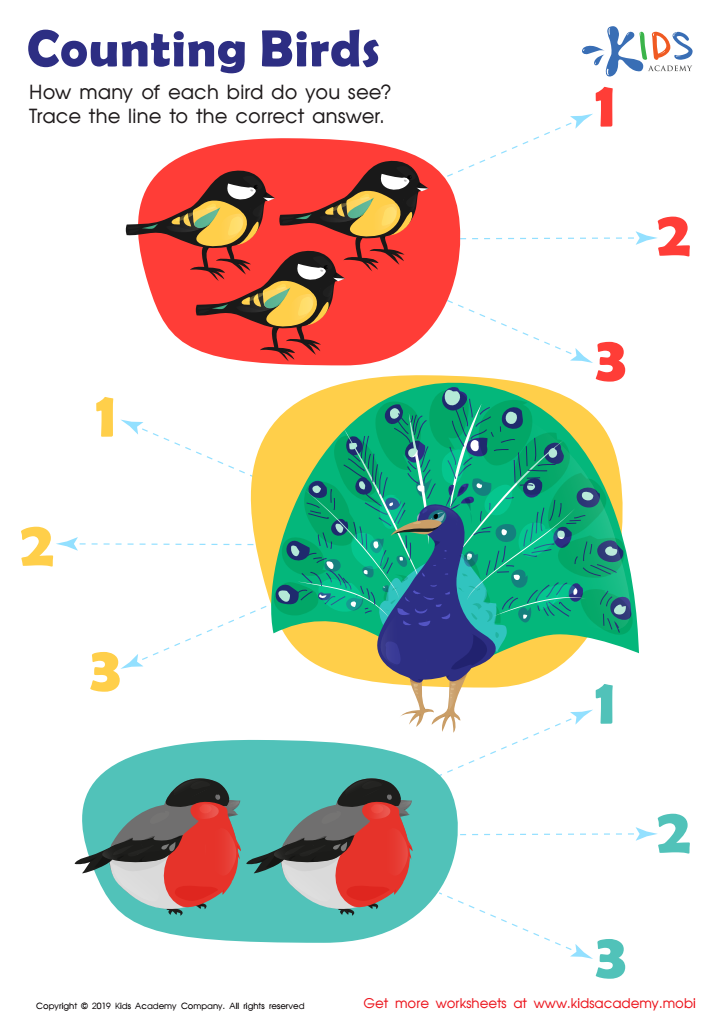
Counting Birds Worksheet








Parents and teachers should care about incorporating Animal Recognition Easy Math for ages 3-6 because it plays a crucial role in children's early development. At this age, children are naturally curious about the world around them, and engaging them with activities that incorporate animals combines both cognitive and emotional learning experiences. Recognizing animals helps develop their observation skills, while integrating math concepts—such as counting or simple addition and subtraction—supports essential numerical literacy.
Moreover, learning through animals captures children's interest and makes abstract math concepts more concrete and relatable. For instance, counting the legs of different animals or grouping them by size encourages critical thinking and problem-solving skills. This approach fosters a love for learning, making mathematics approachable and enjoyable.
Animal recognition also promotes social skills as children often engage with peers in group activities, sharing their thoughts and ideas. Furthermore, it provides a foundation for nurturing empathy towards living creatures, fostering a sense of responsibility towards nature. Integrating Animal Recognition Easy Math thus creates a well-rounded educational experience, laying the groundwork for lifelong learning in both math and conservation awareness. Ultimately, this combination enriches children’s cognitive, social, and emotional development during these formative years.








