Counting skills Easy Math Worksheets for Ages 3-6 - Page 2
76 filtered results
-
From - To
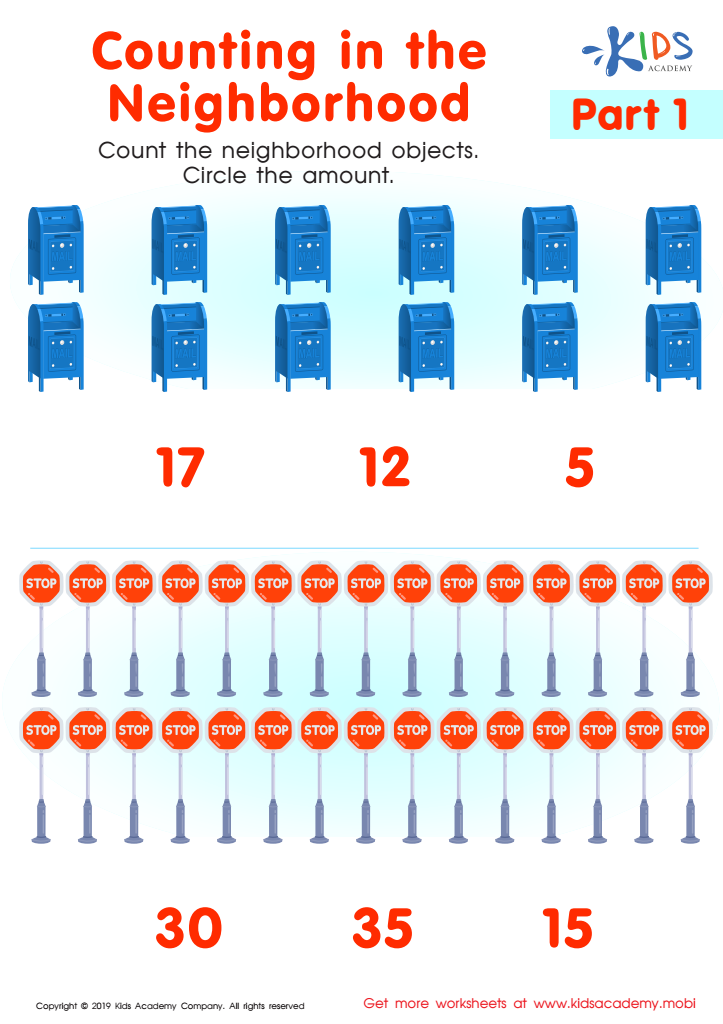
Counting in the Neighborhood Part1 Worksheet
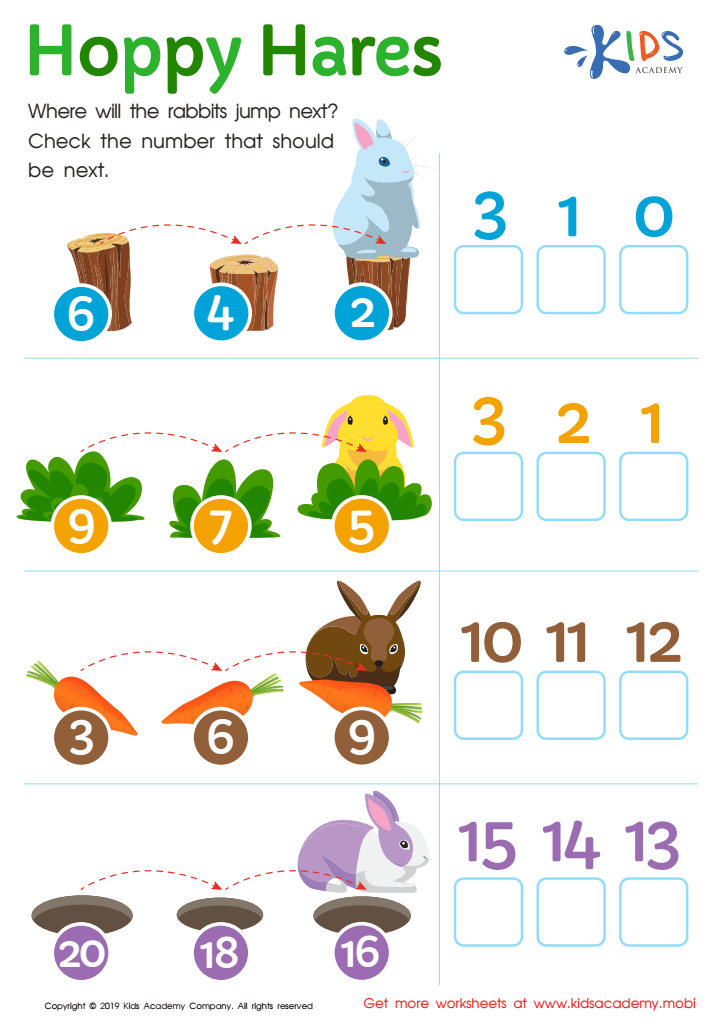
Hoppy Hares Worksheet
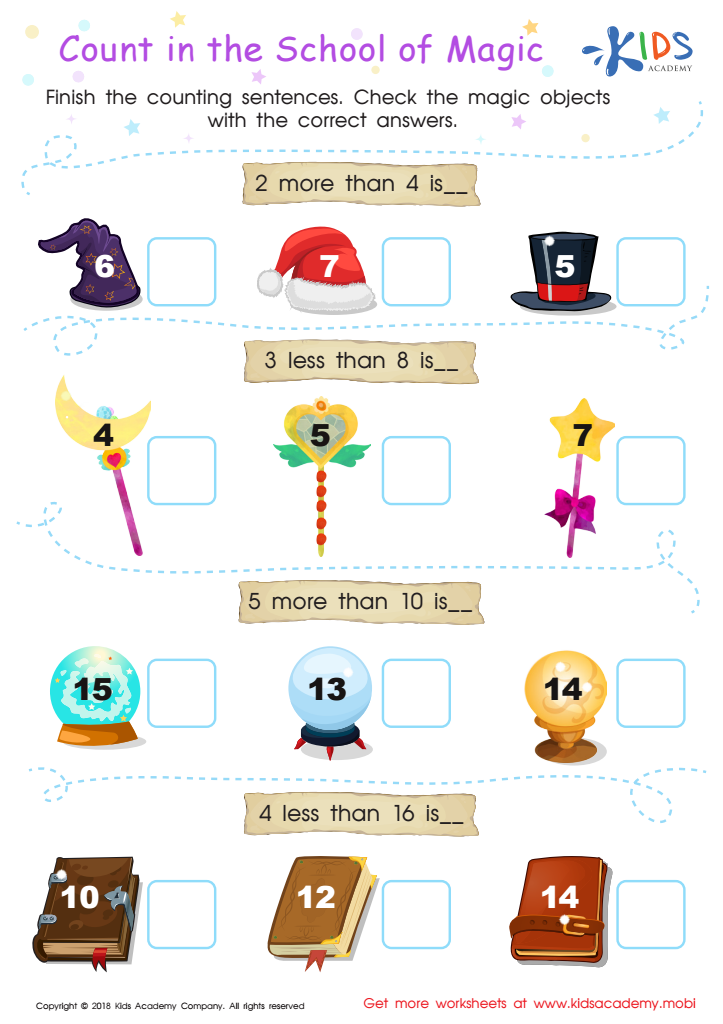
Count in the School of Magic Worksheet
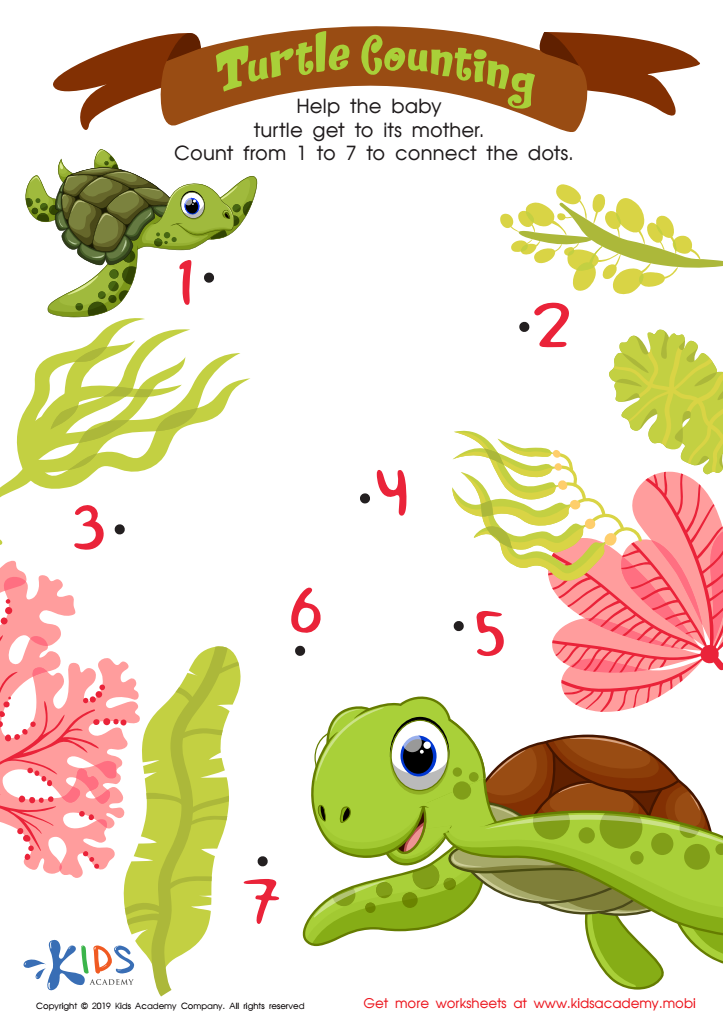
Turtle Counting Worksheet
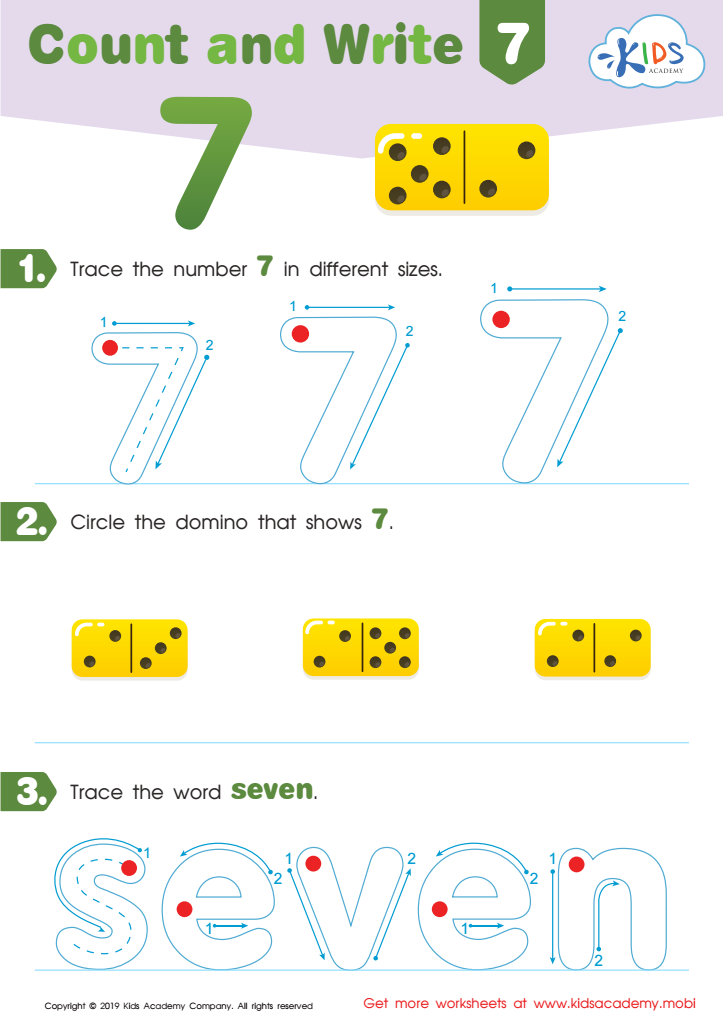
Count and Write 7 Worksheet
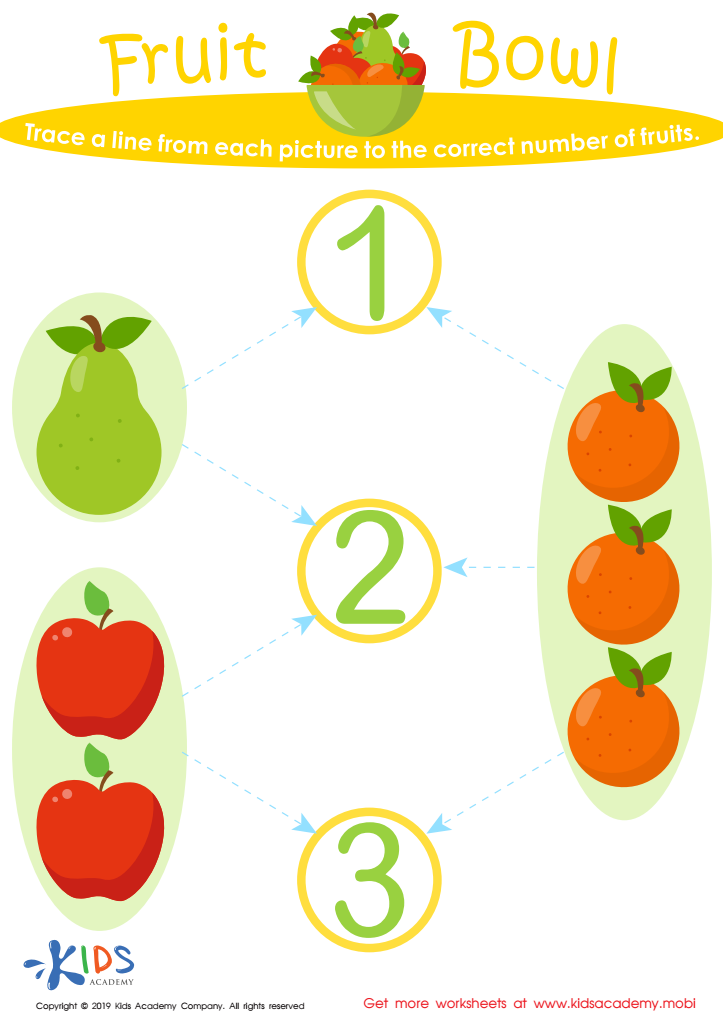
Fruit Bowl Worksheet
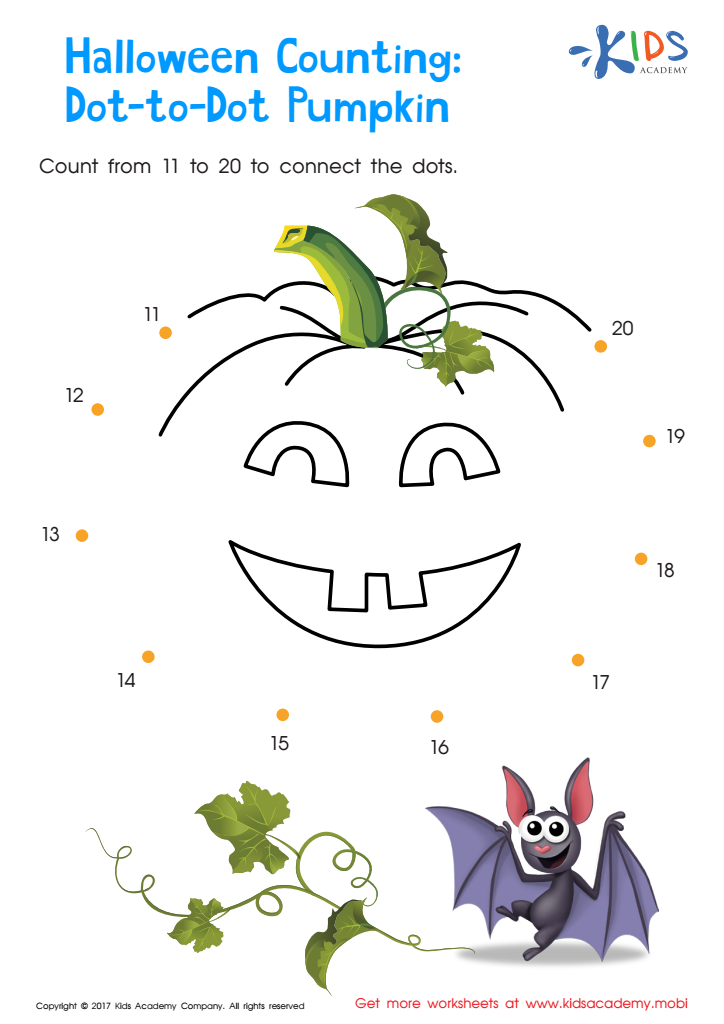
Ordering 11–20: Halloween Counting Worksheet
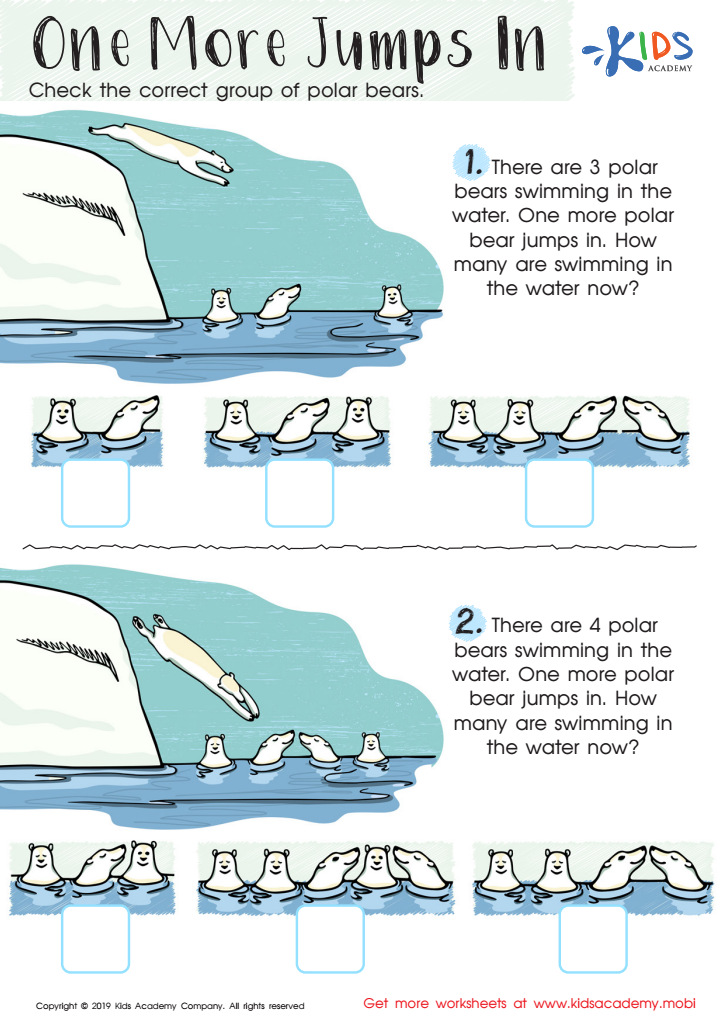
One More Jumps In Worksheet
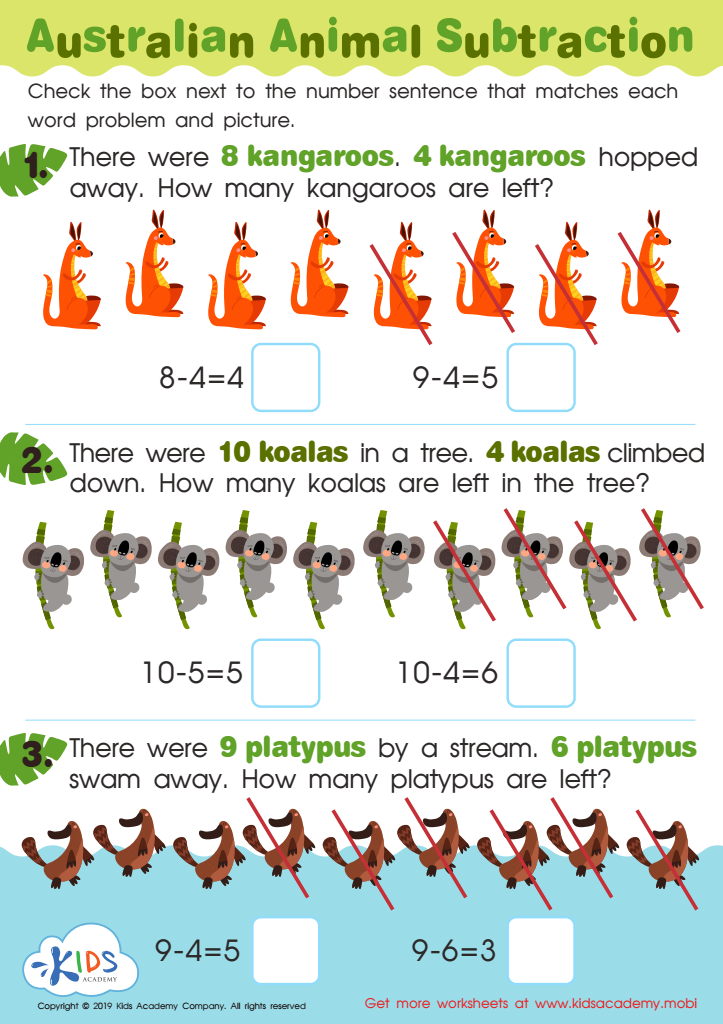
Australian Animal Subtraction Worksheet
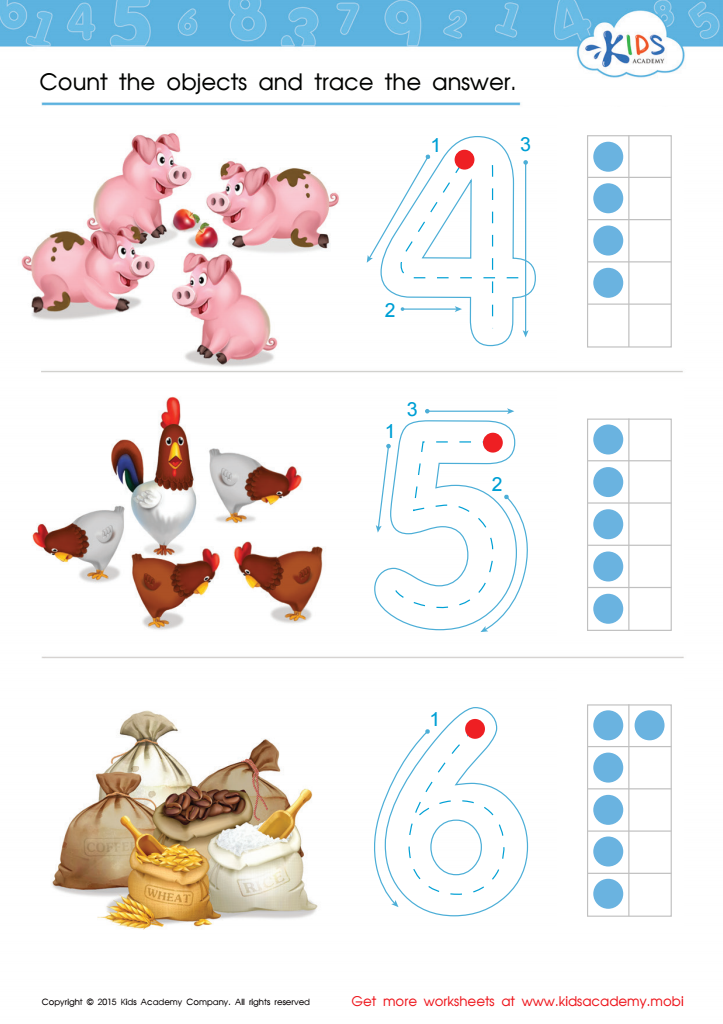
Count and Trace 4 – 6 Worksheet
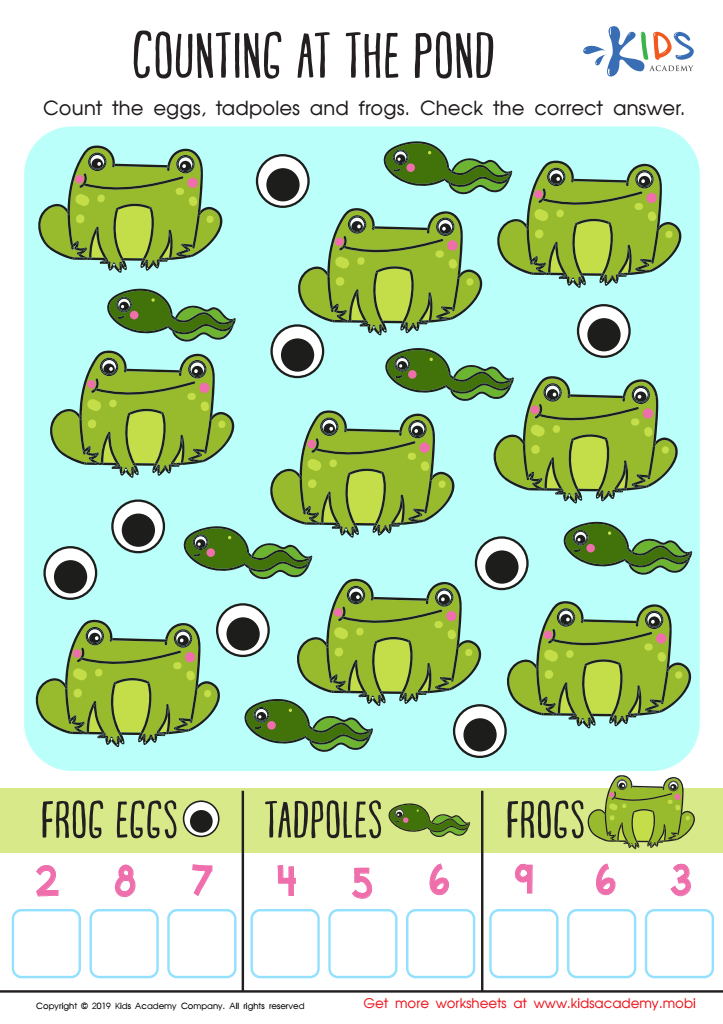
Counting at the Pond Worksheet
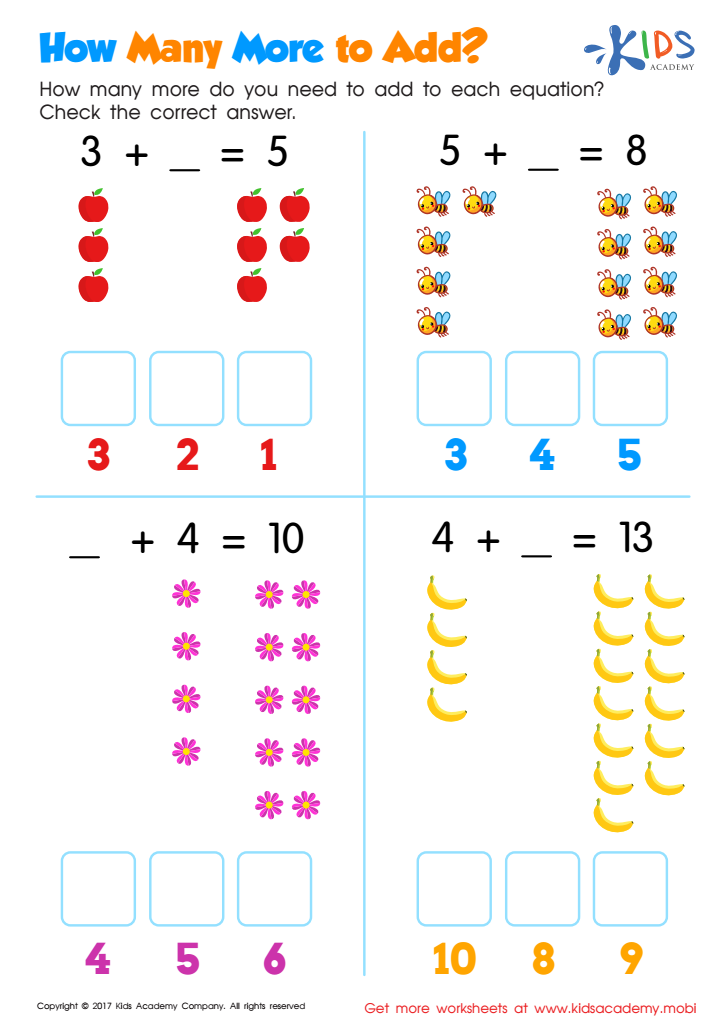
How Many More to Add Worksheet
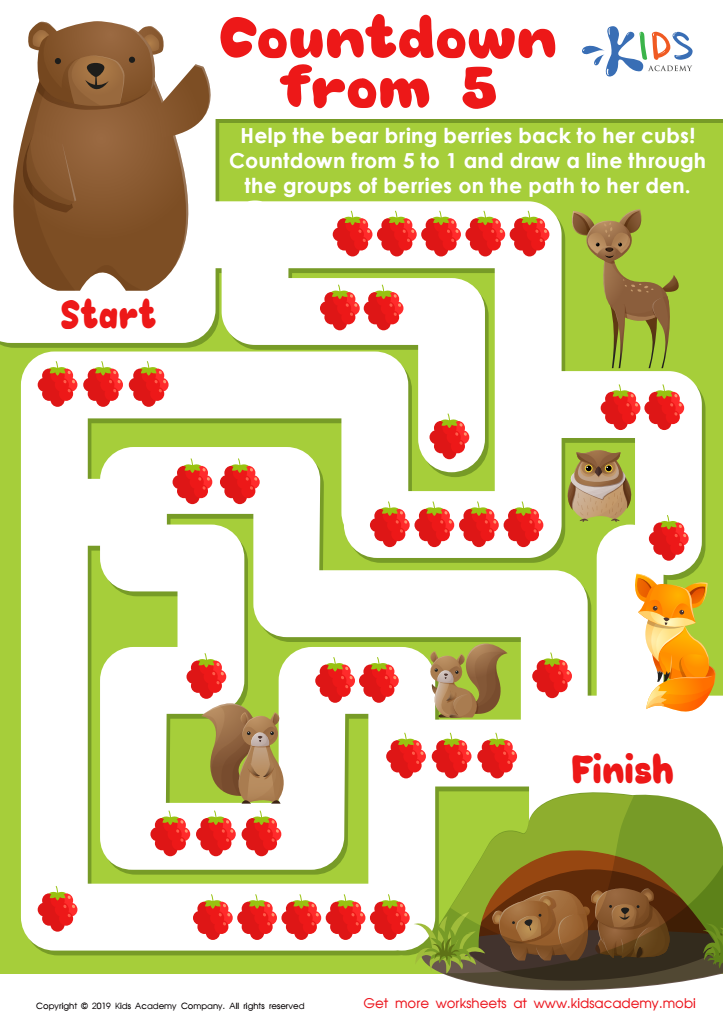
Countdown from 5 Worksheet
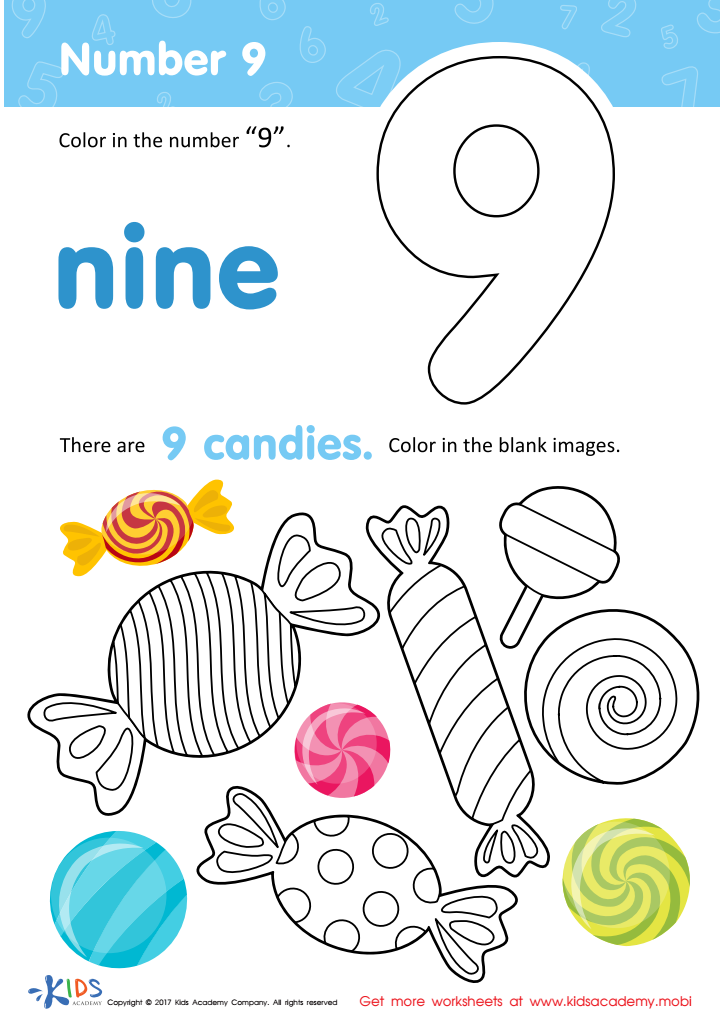
Number 9 Printable
 Assign to My Students
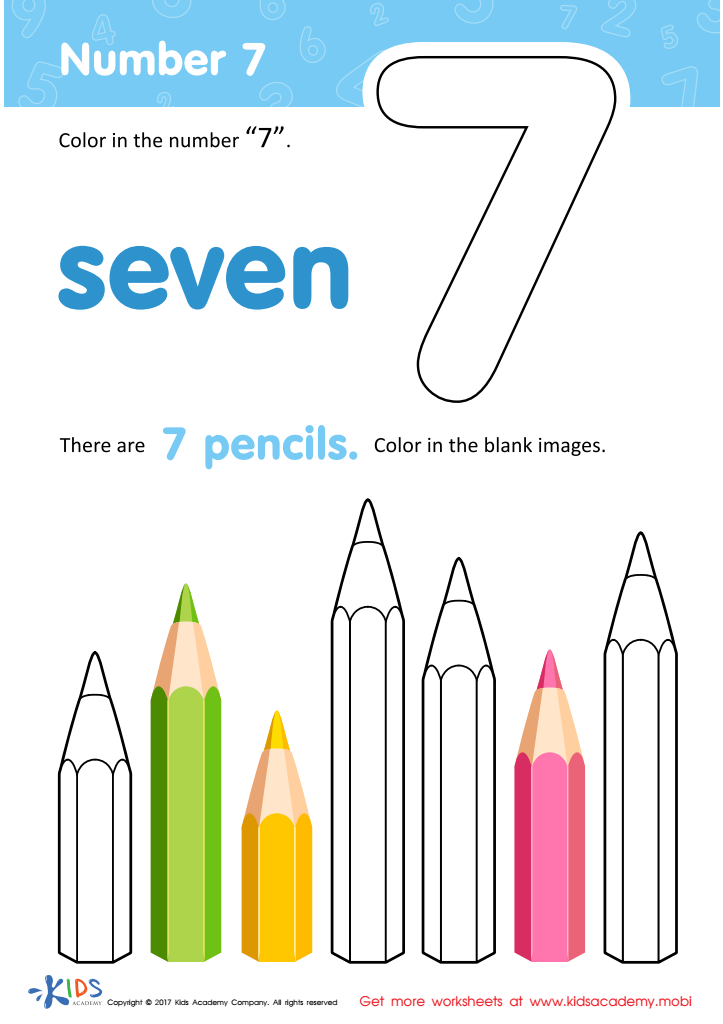
Number 7 Worksheet
Assign to My Students
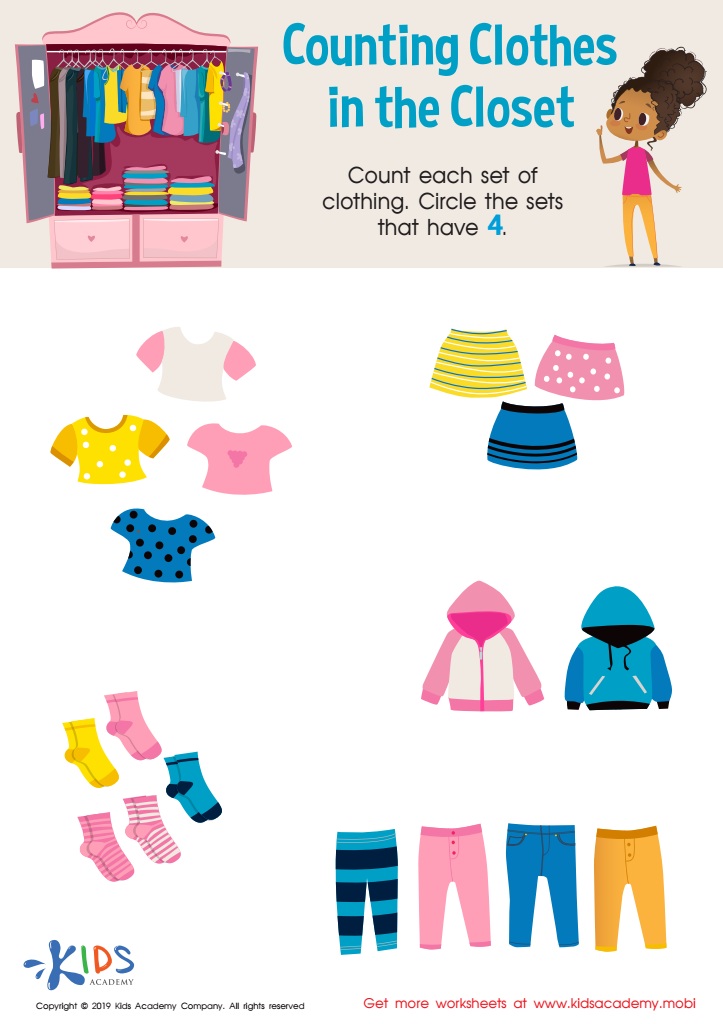
Counting Clothes Worksheet
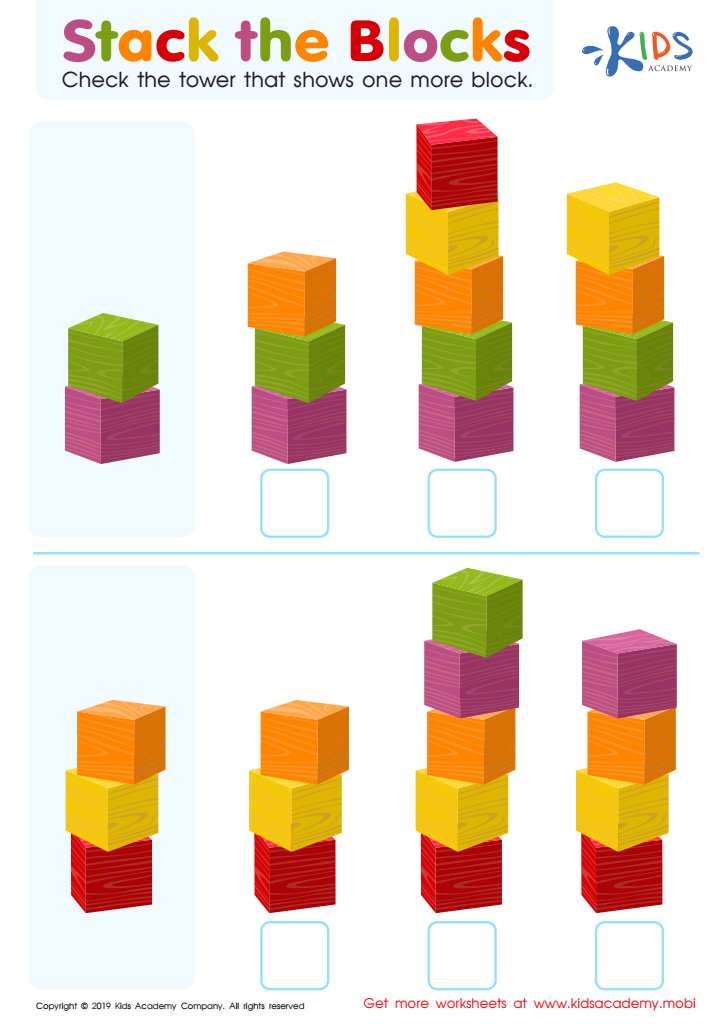
Stack the Blocks Worksheet
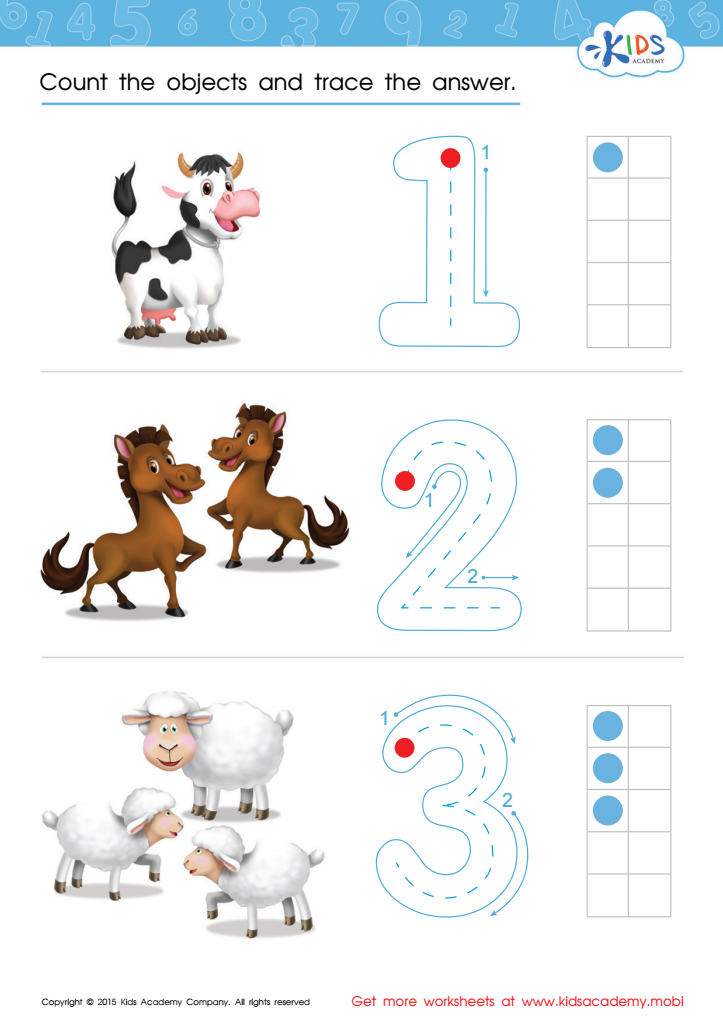
Count and Trace 1 – 3 Worksheet
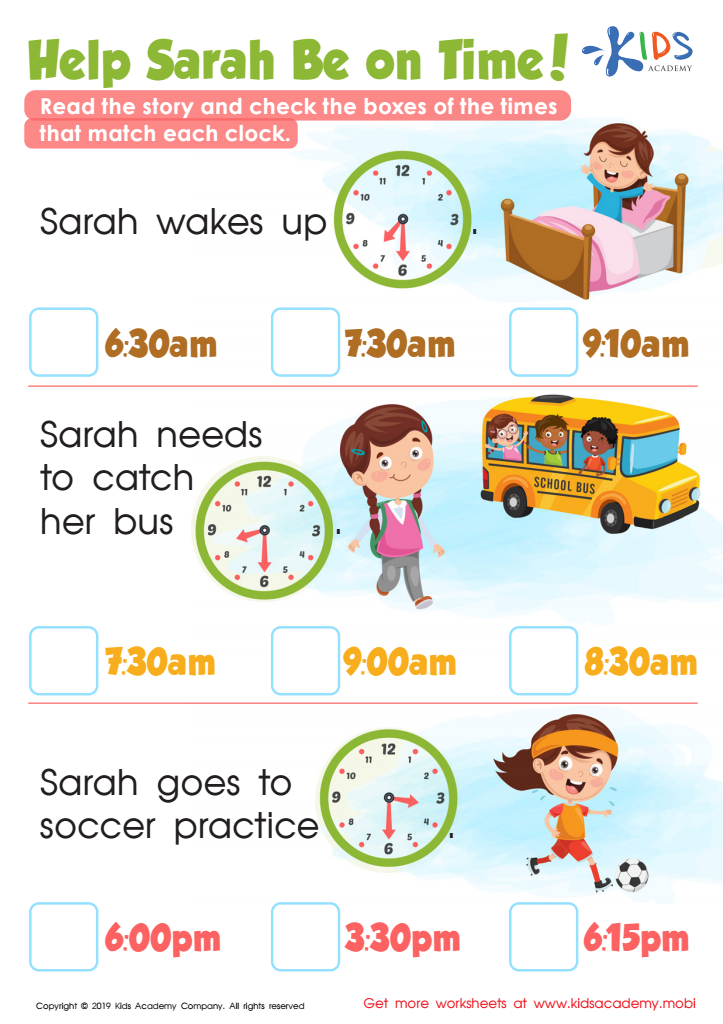
Help Sarah Be on Time! Worksheet
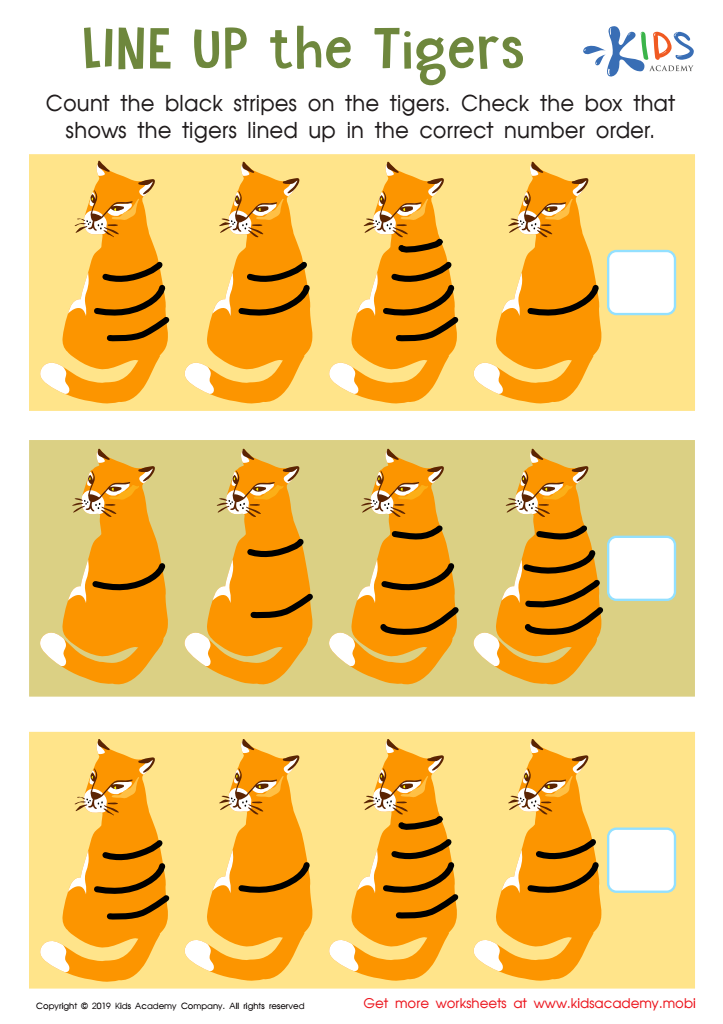
Line up the Tigers Worksheet
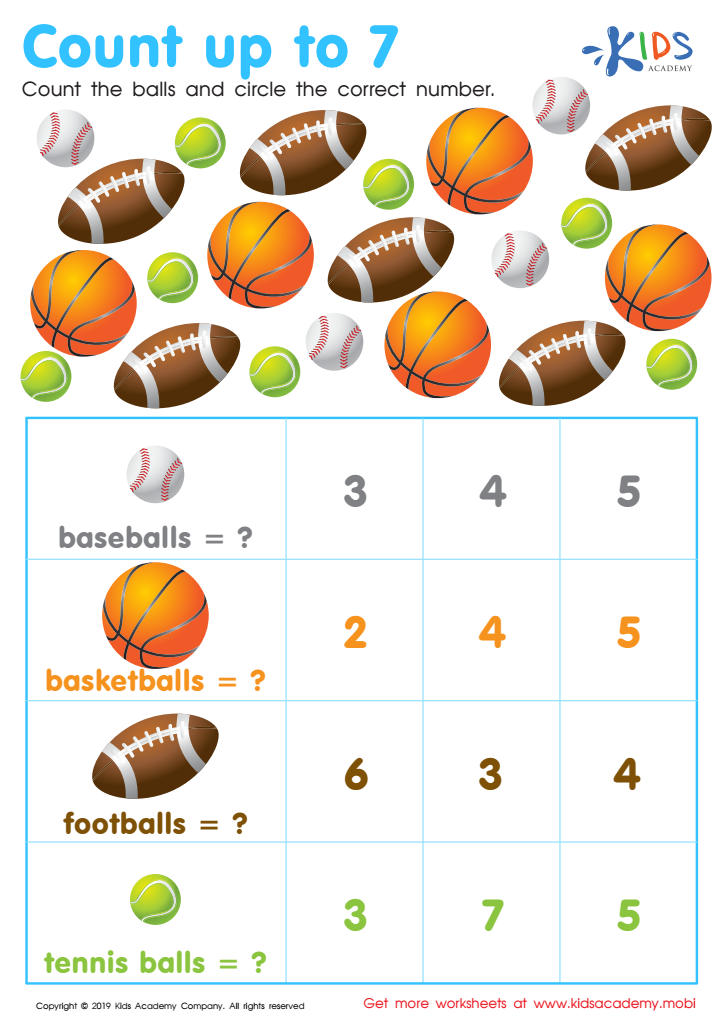
Count up to 7 Worksheet
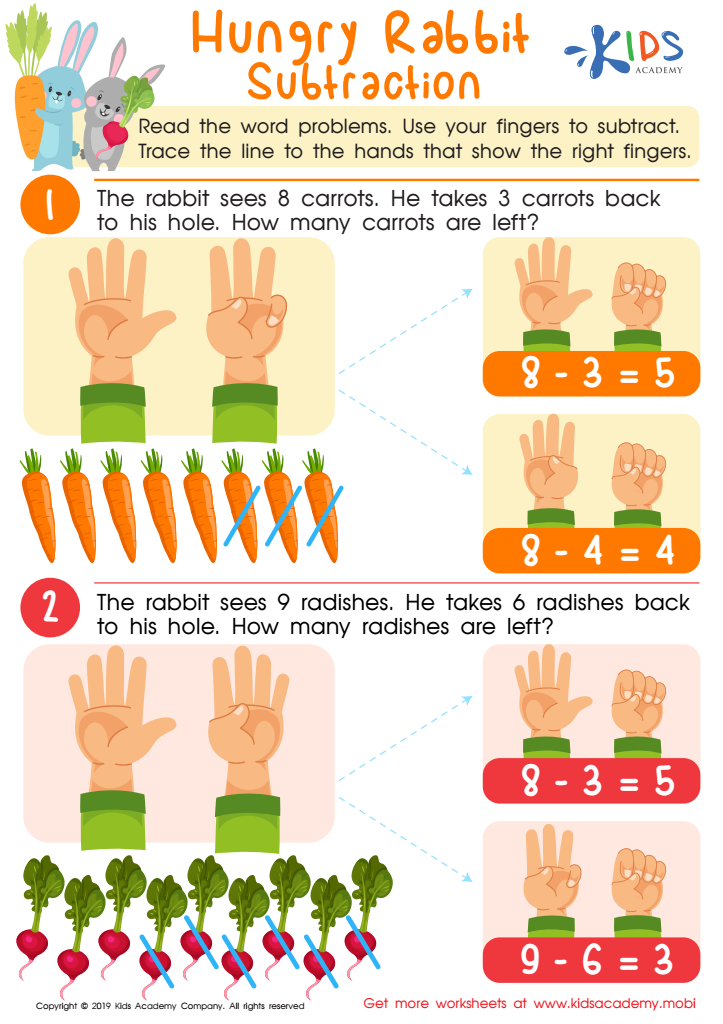
Hungry Rabbit Subtraction Worksheet
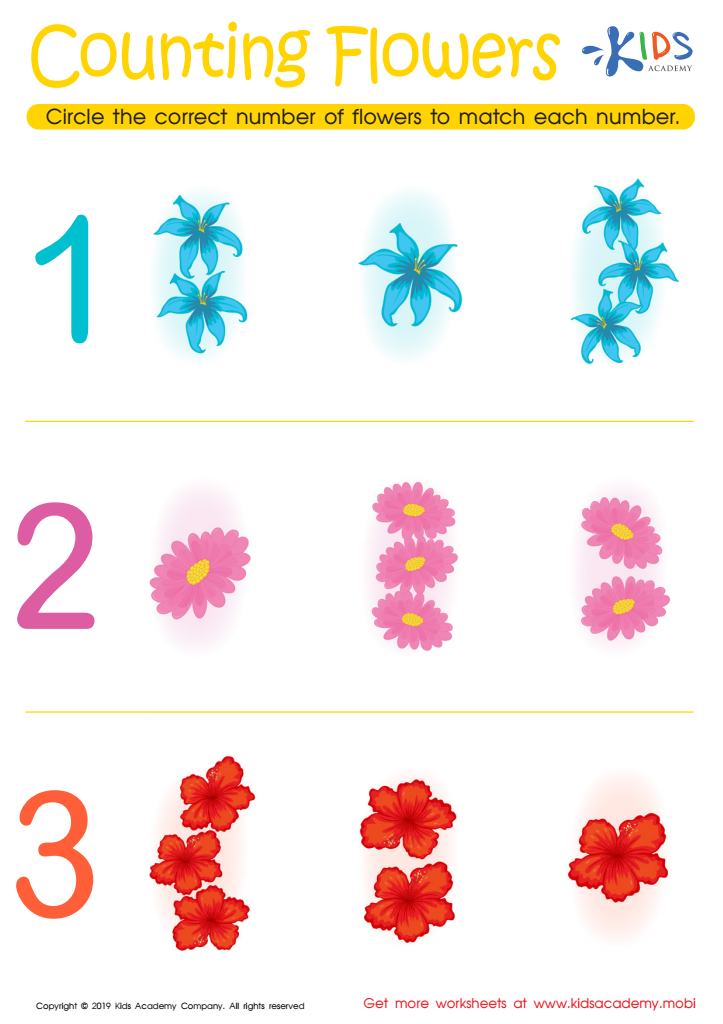
Counting Flowers Worksheet
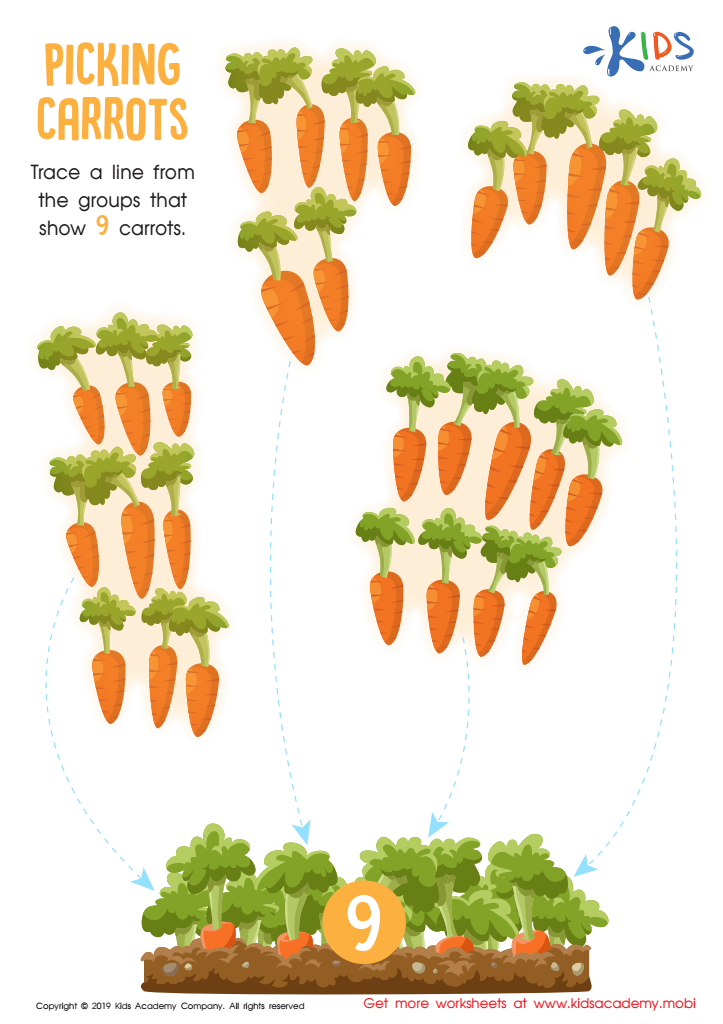
Picking Carrots Worksheet







Counting skills form the foundational building blocks of math learning for children aged 3-6. Understanding numbers and counting is crucial because it sets the stage for more complex mathematical concepts, such as addition, subtraction, multiplication, and division. Early math skills have been linked to academic success not just in math, but across other areas of study as well. When children develop counting skills at an early age, they enhance their cognitive ability to recognize patterns, sequences, and understand the relationship between numbers and objects.
For parents and teachers, nurturing these abilities is vital because young children’s brains are highly adaptable and best capable of absorbing new information. Engaging children in fun counting games and activities stimulates their interest and promotes a positive attitude towards math. Early mastery of counting also builds children’s confidence and avoids the fear and anxiety associated with math difficulties later in life.
Moreover, proficiency in counting extends beyond academic settings, offering practical life skills, such as understanding time, money management, and making everyday decisions that involve numbers. By prioritizing early counting skills, parents and educators give children tools that contribute to their overall intellectual growth and long-term success.








