Fine Motor Skills Easy Math Worksheets for Ages 3-6 - Page 2
38 filtered results
-
From - To
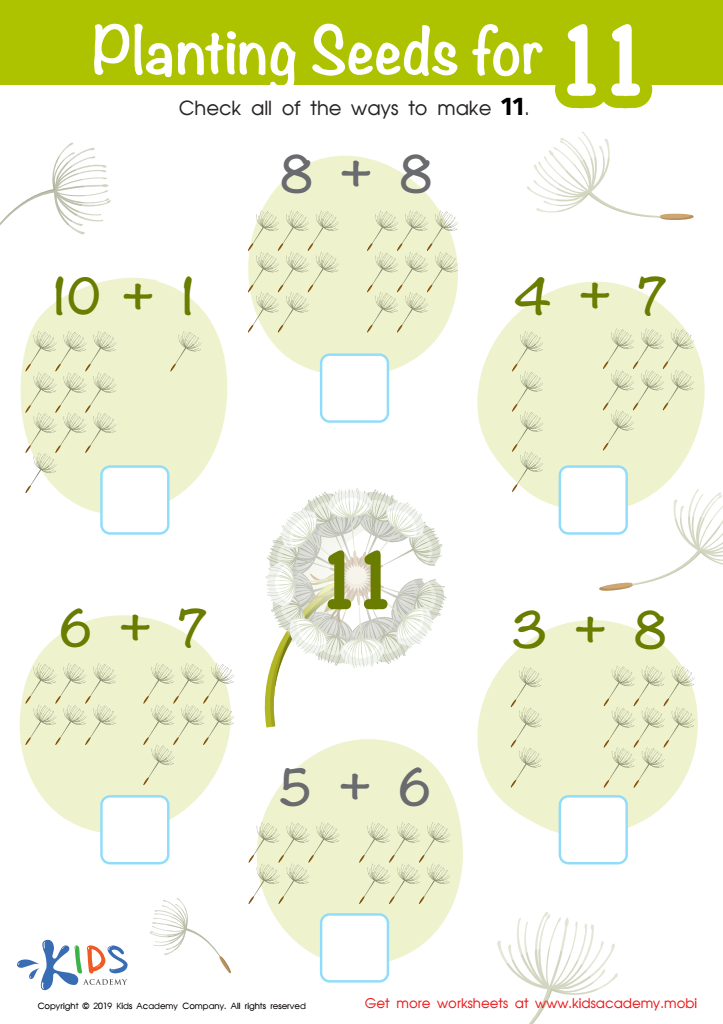
Planting Seeds for 11 Worksheet
 Assign to My Students
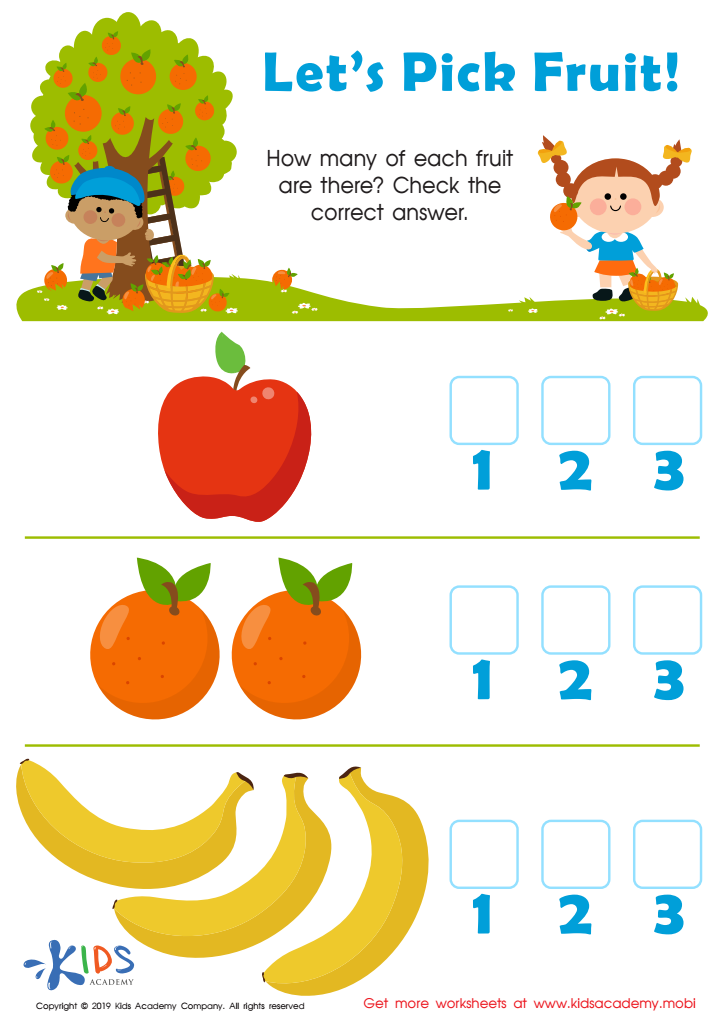
Let's Pick Fruit Worksheet
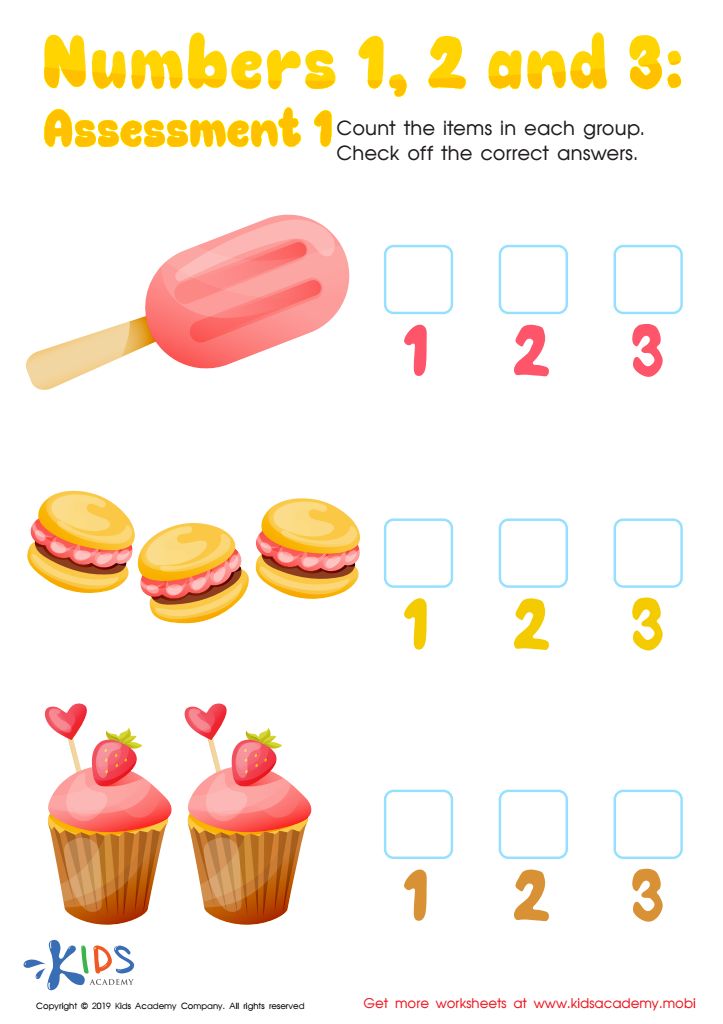
Numbers 1, 2 and 3: Assessment 1 Worksheet
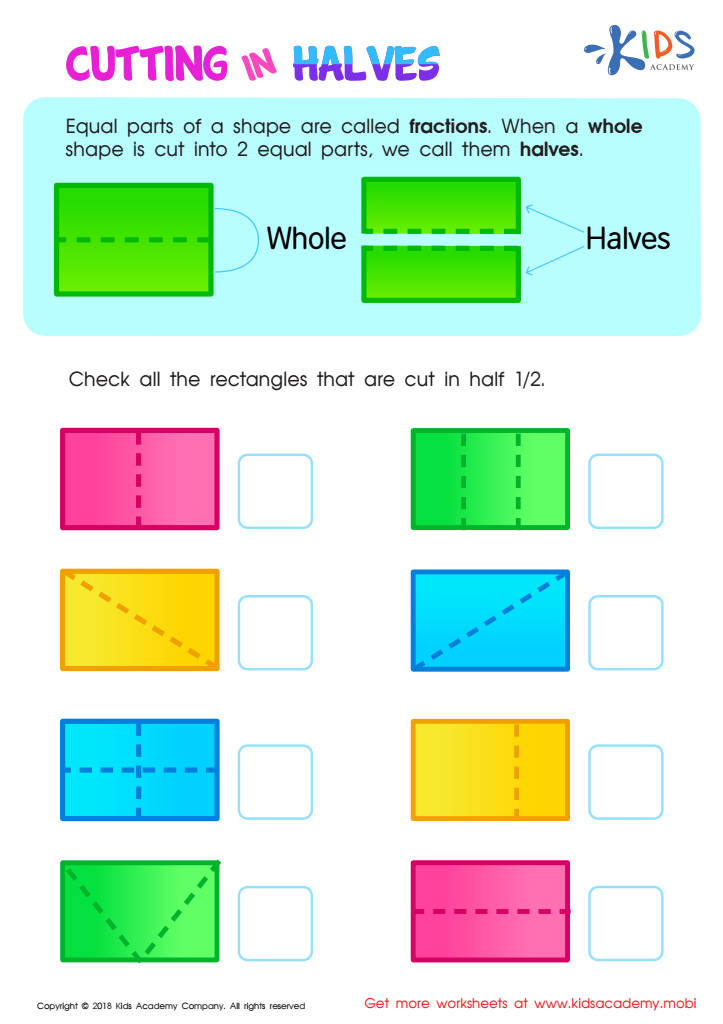
Cutting in Halves Worksheet
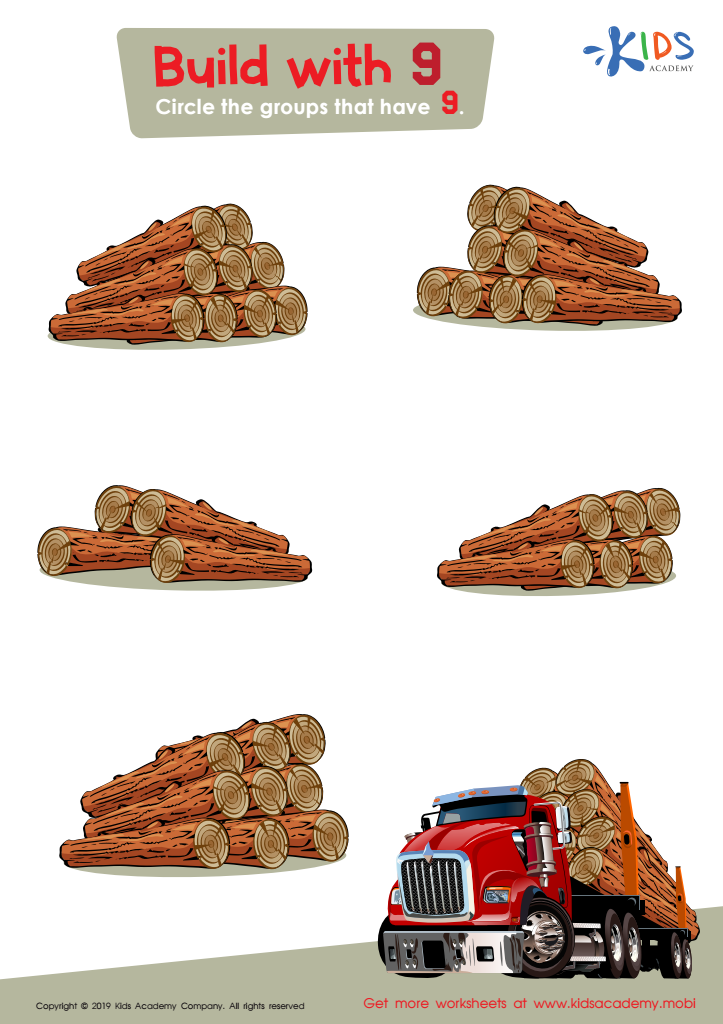
Build with 9 Worksheet
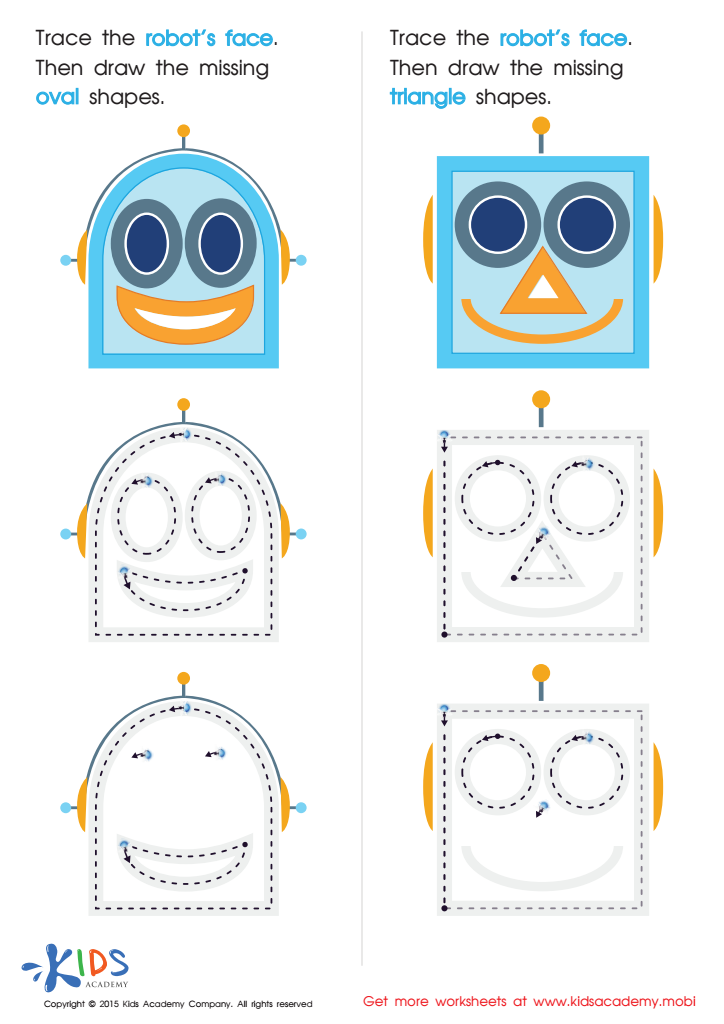
Drawing Ovals And Triangles with Fun Printable
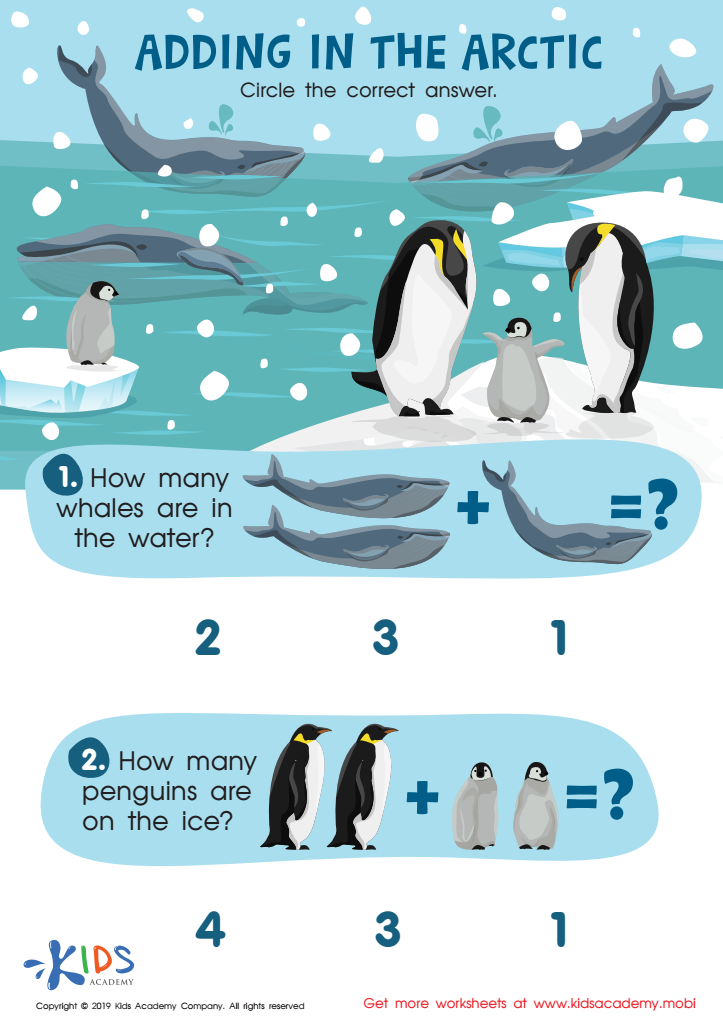
Adding in the Arctic Worksheet
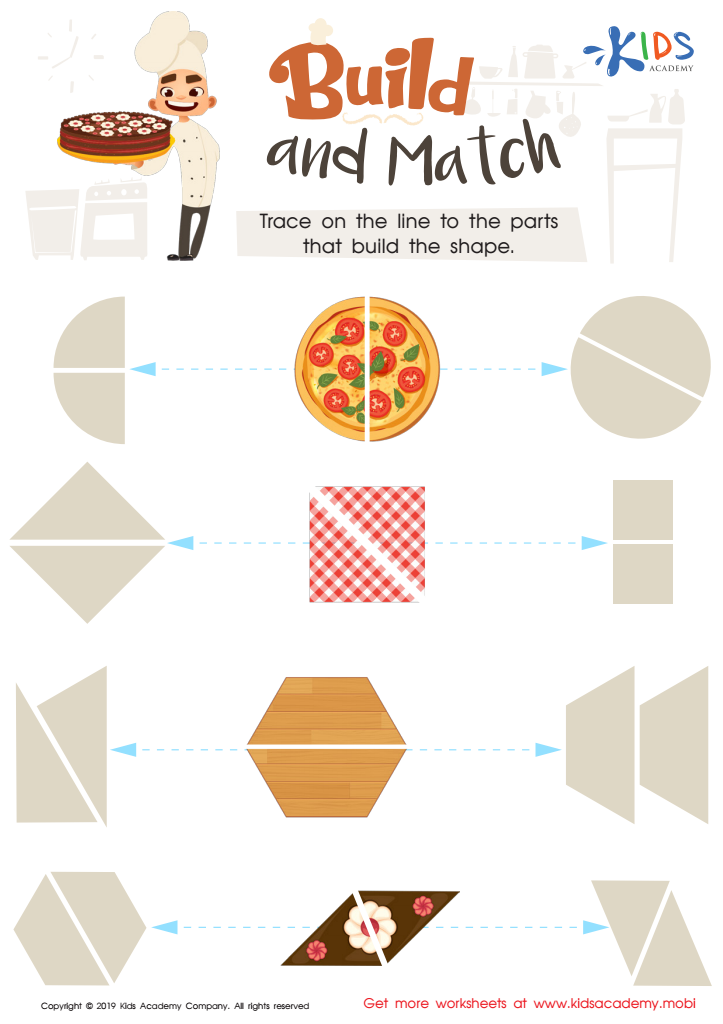
Build and Match Worksheet
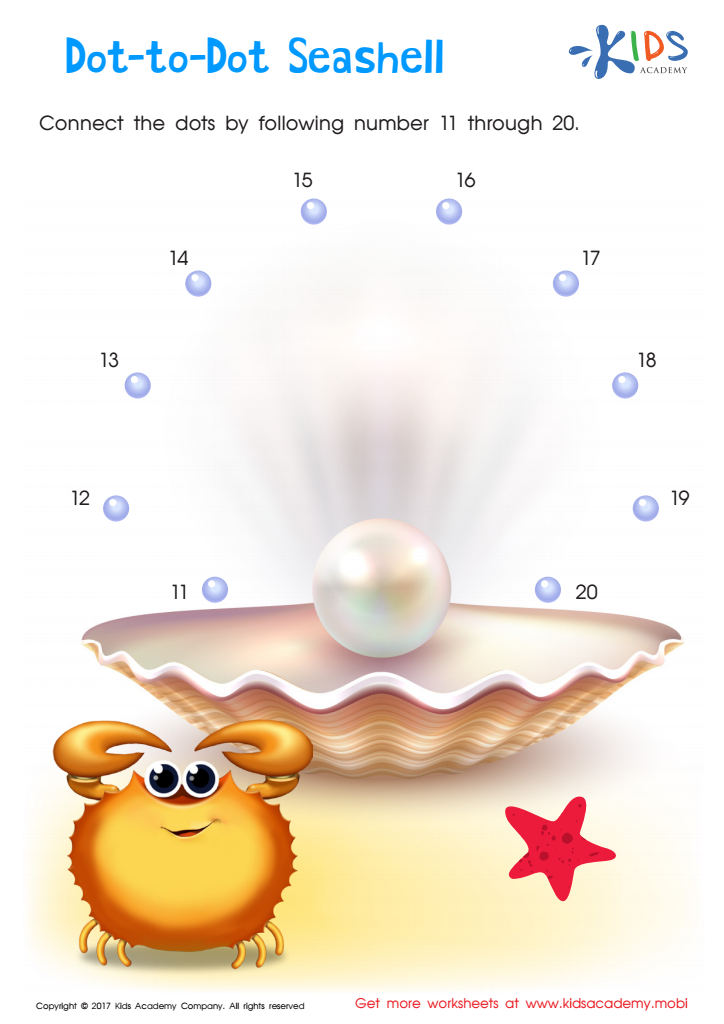
Ordering 11–20: Dot–to–dot Seashell Printable
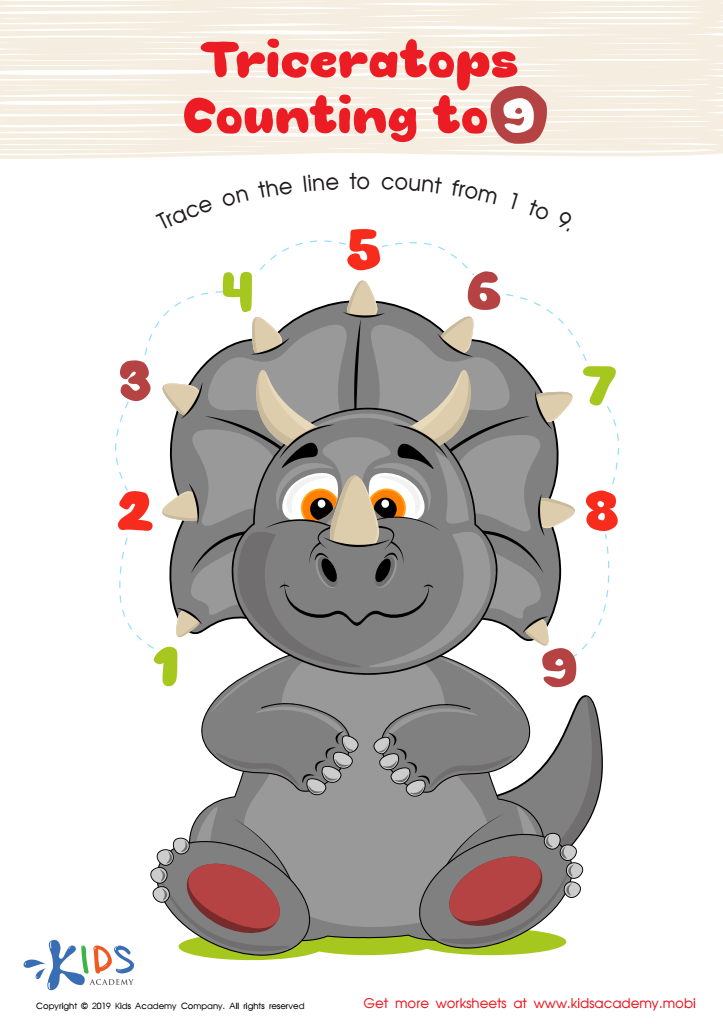
Triceratops Counting to 9 Worksheet
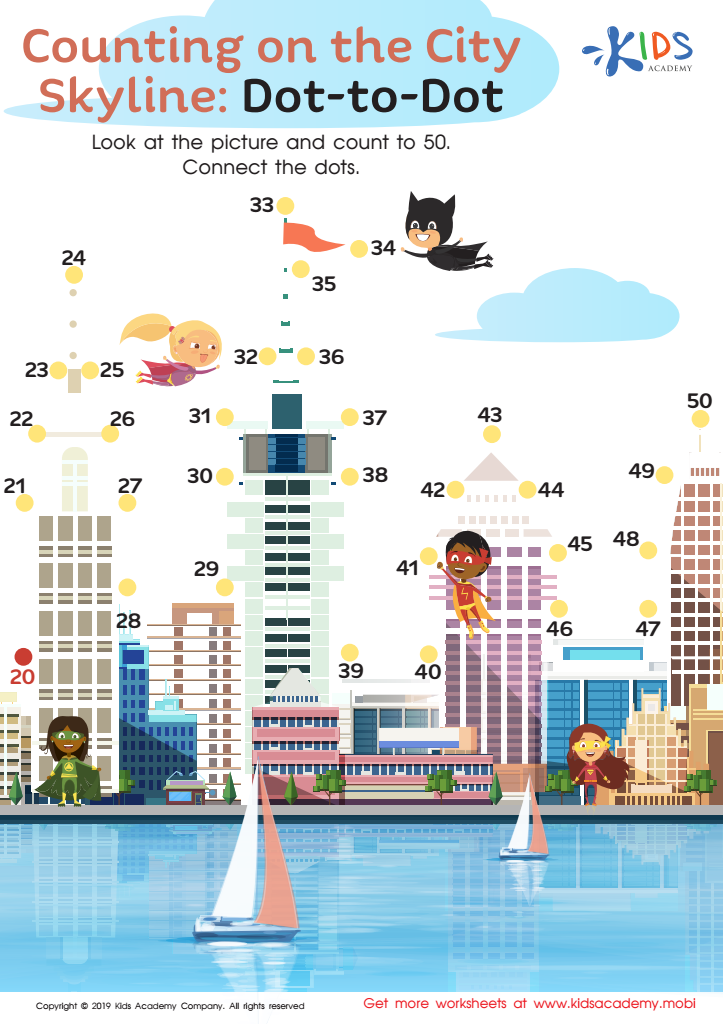
Counting on the City Skyline: Dot-to-Dot Worksheet
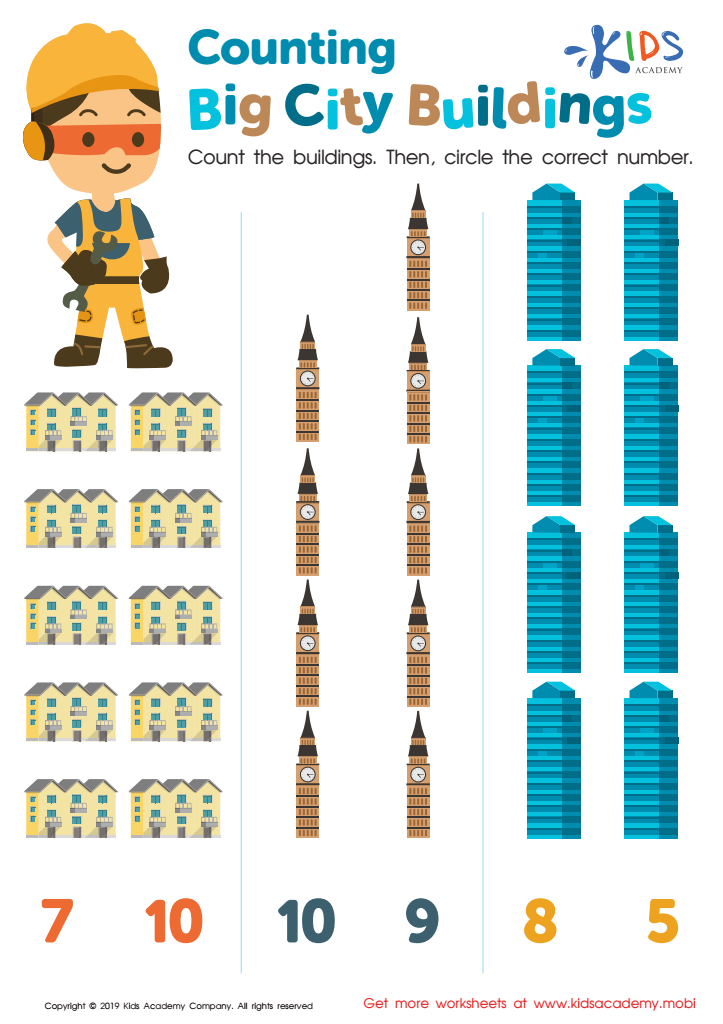
Counting Big City Buildings Worksheet
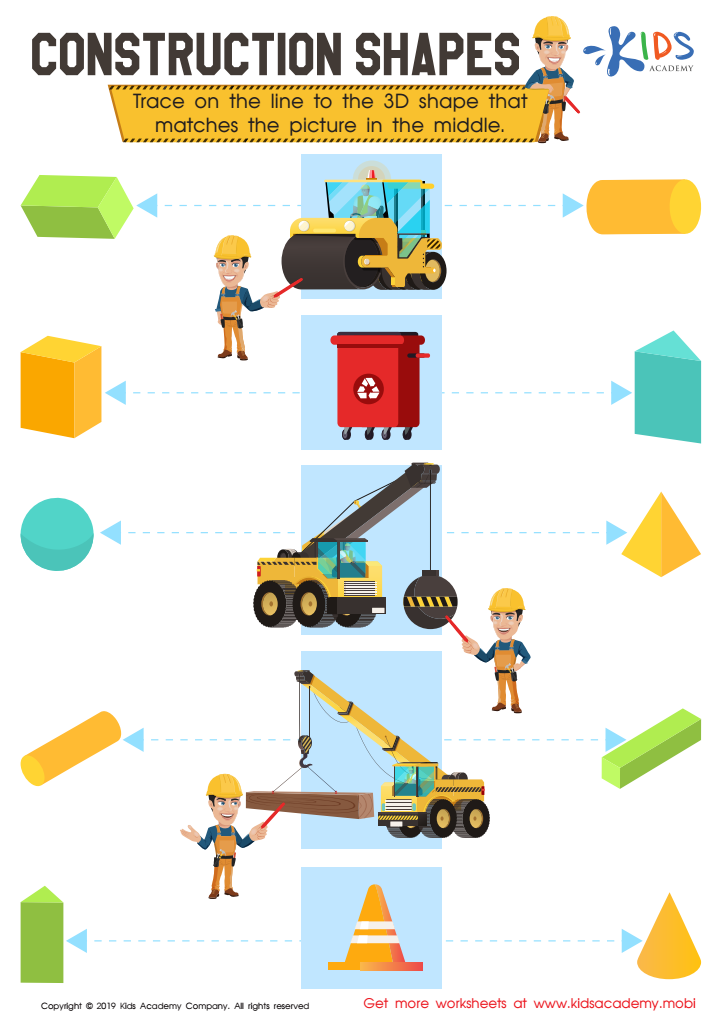
Construction Shapes Worksheet

Night Sky Numbers Worksheet








Fine motor skills are essential for young children as they form the foundation for various cognitive and physical activities, including easy math. For ages 3-6, developing fine motor skills enables children to manipulate objects with precision, enhancing their ability to perform tasks like drawing, cutting, and writing. These skills are crucial for early math learning, as they facilitate a deeper understanding of concepts such as counting, sorting, and geometry.
When children engage in activities that strengthen their fine motor skills, such as threading beads, building with blocks, or using playdough, they simultaneously practice essential math skills. For example, counting beads helps reinforce number recognition and one-to-one correspondence. These hands-on experiences make abstract mathematical concepts tangible, fostering a more intuitive grasp of math.
Parents and teachers should care about promoting these skills because they directly contribute to a child's academic success. Encouraging fine motor development lays the groundwork for future learning, confidence, and independence. By integrating fun and engaging exercises that support fine motor skill development into daily activities, caregivers can foster a love for learning, making math both enjoyable and accessible at an early age. Ultimately, investing in fine motor skills is an investment in a child's overall growth and learning potential.








