Understanding sequencing Easy Math Worksheets for Ages 3-6
3 filtered results
-
From - To
Our "Understanding Sequencing Easy Math Worksheets for Ages 3-6" offer engaging and educational activities designed to develop early sequencing skills in young learners. Tailored for preschoolers and kindergarteners, these worksheets use fun illustrations and simple exercises to help kids recognize and create patterns, order events, and understand logical sequences. By utilizing our user-friendly printables, children can strengthen their critical thinking and problem-solving abilities in a stimulating and supportive environment. Equip your child with foundational math skills to ensure their future academic success while enjoying the learning process! Visit us to download and start sequencing fun today.
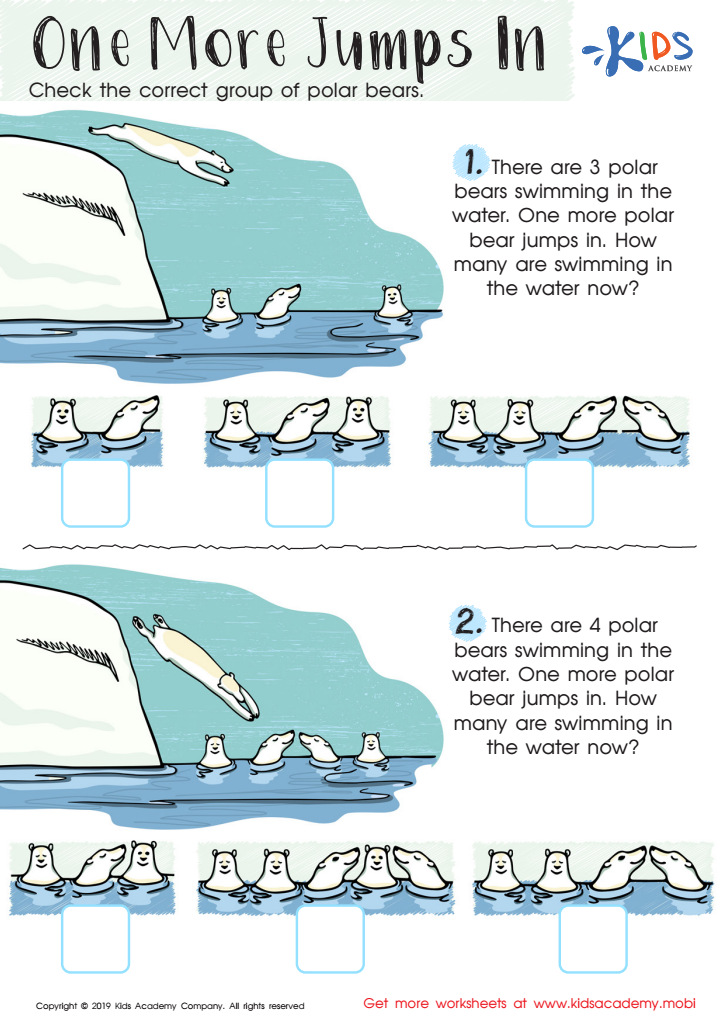
One More Jumps In Worksheet
 Assign to My Students
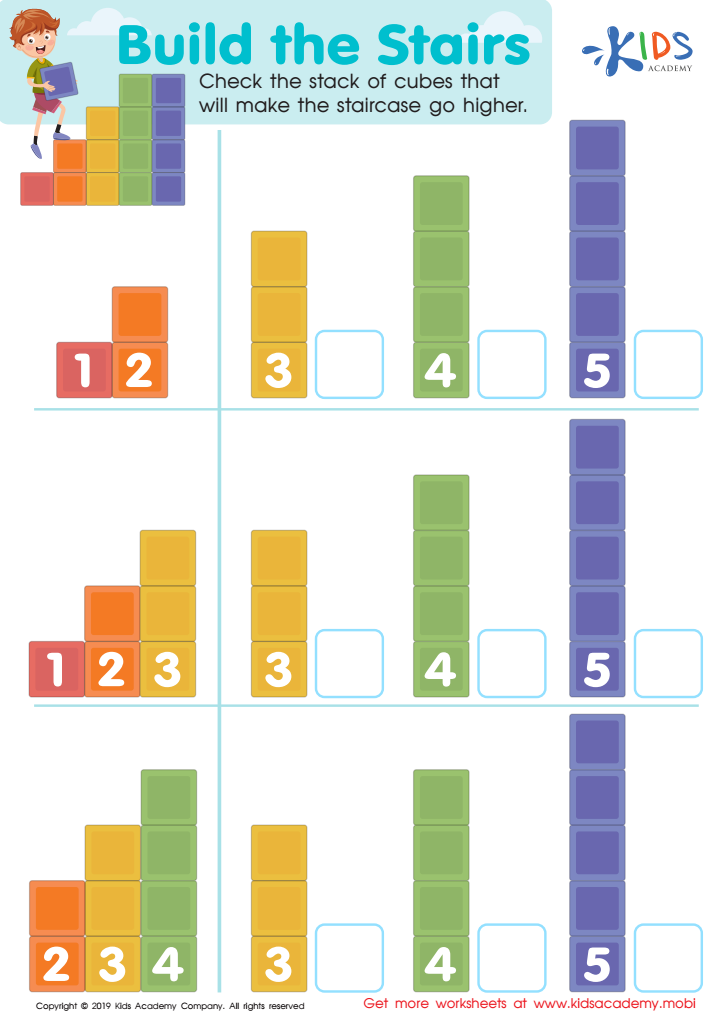
Build the Stairs Worksheet
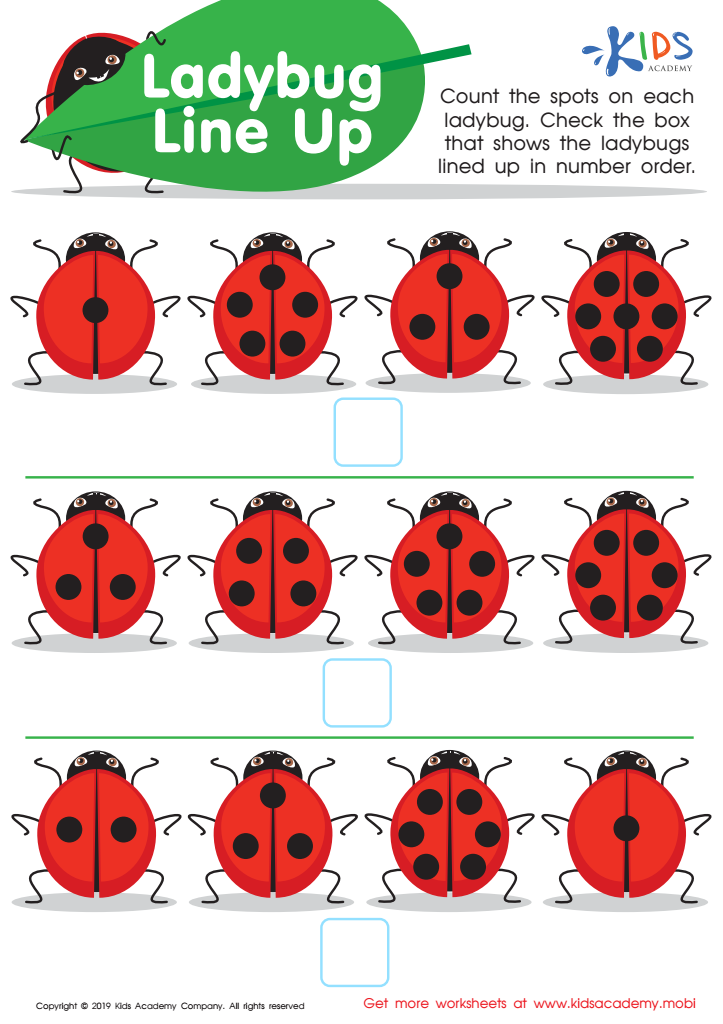
Ladybug Line Up Worksheet







Understanding sequencing in early math is crucial for children ages 3-6 because it lays the foundational skills for more advanced mathematical concepts and critical thinking abilities. Sequencing involves arranging numbers or objects in logical order and recognizing patterns, which is essential for developing numeracy skills. When young children grasp sequencing, they build a sense of order and predictability, aiding their ability to follow steps and solve problems systematically.
For parents and teachers, focusing on sequencing in early math education promotes children's cognitive development by enhancing their memory, attention, and ability to categorize information. These skills are not only vital for math but also for other areas such as reading and science. Sequencing helps children understand the concept of "before" and "after", which is fundamental for time management and day-to-day activities.
Additionally, early success with sequencing boosts a child's confidence and enthusiasm for learning. Interactive activities like counting, arranging items, or following a pattern in a storybook make learning fun and engaging, fostering a positive attitude towards education. By prioritizing sequencing skills, parents and teachers provide children with the tools they need for academic success and lifelong learning.








