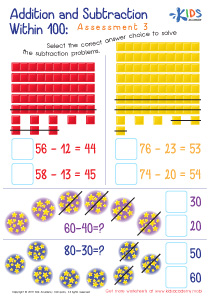
Handwriting practice Easy Numbers 0–10 Worksheets for Ages 3-6
3 filtered results
-
From - To
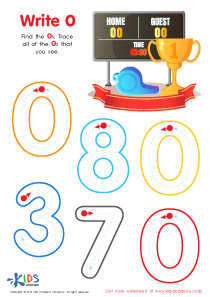
Discover the perfect tool to help your child develop essential handwriting skills with our "Handwriting Practice Easy Numbers 0–10 Worksheets." Tailored for ages 3-6, these engaging worksheets offer a fun and effective way to practice writing numbers. Each sheet features easy-to-follow guides, ensuring young learners gain confidence and improve their number recognition and fine motor skills. Ideal for preschool and early elementary students, these worksheets bring enjoyment to learning by combining education and play. Boost your child's handwriting proficiency and set a strong foundation for future math success today! Explore now at Kids Academy!
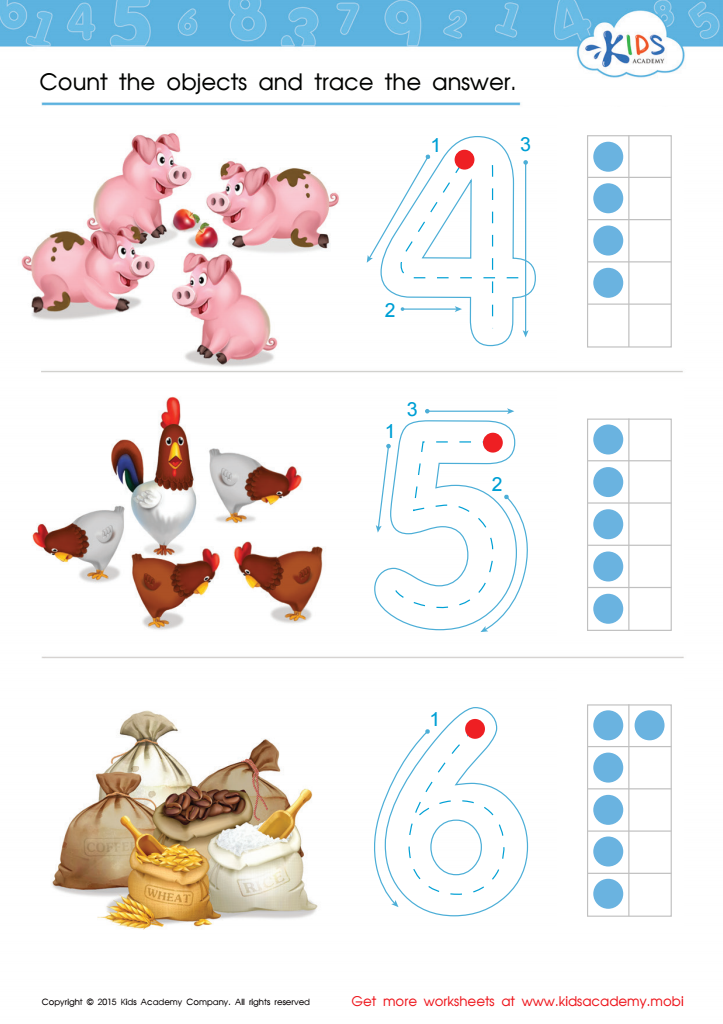
Count and Trace 4 – 6 Worksheet
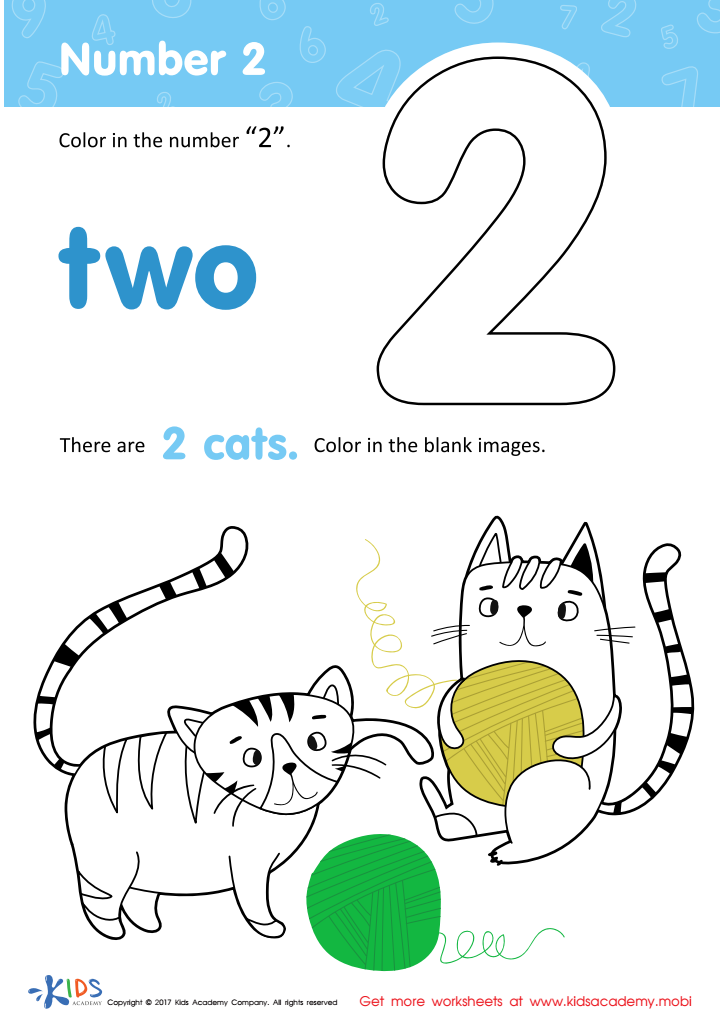
Number 2 Printable
 Assign to My Students
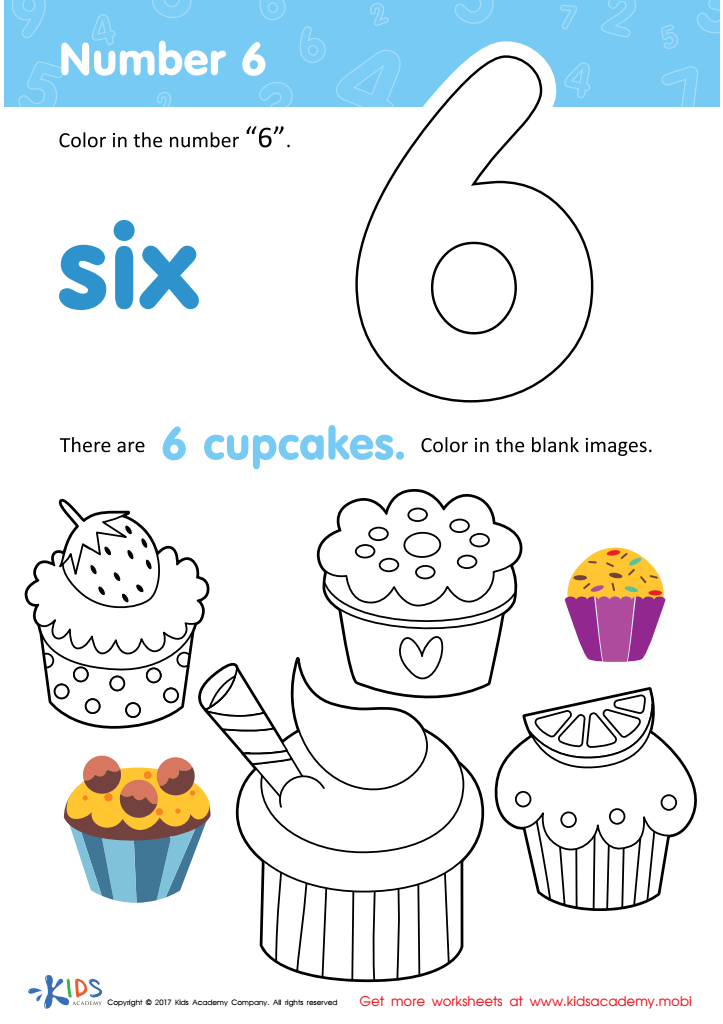
Number 6 Worksheet
Assign to My Students








Handwriting practice, especially with easy numbers 0–10, is crucial for young children's development and parents and teachers should prioritize it for several reasons. First, handwriting practice helps strengthen fine motor skills essential for everyday tasks like buttoning a shirt, using utensils, or even tying shoes. Writing numbers can be an engaging way to develop control and dexterity in small muscle groups of the hand and fingers.
Second, learning to write numbers at an early age lays the foundation for future academic success. Early familiarity and practice make it easier for children to understand and manipulate numbers, forming a solid base for math skills they will build on in later years. Moreover, when children write numbers, they also gain exposure to number recognition and sequencing, which are critical aspects of early math literacy.
Third, handwriting practice supports cognitive development, enhances memory retention, and strengthens visual-motor integration. When children repeatedly trace or write numbers, they engage various senses, which can improve focus, attention, and cognitive processing.
Additionally, early positive experiences with writing can boost confidence and foster a love for learning. Essentially, handwriting practice isn't just about legible writing; it's a holistic tool that aids in overall developmental competencies essential for lifelong learning. Parents and teachers should embrace this practice to give children a strong head start.