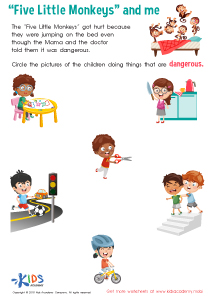
Word Recognition Easy Building Vocabulary Worksheets for Ages 3-6
3 filtered results
-
From - To
Enhance your child's literacy skills with our "Word Recognition Easy Building Vocabulary Worksheets" designed specifically for ages 3-6. These engaging and user-friendly worksheets promote early reading and comprehension, facilitating the development of essential vocabulary. Each activity is crafted to bolster word recognition through colorful visuals and interactive exercises, making learning fun and effective. Whether at home or in the classroom, these resources empower young learners to identify and understand words in context, laying a solid foundation for effective communication. Start nurturing a lifelong love for reading today with our thoughtfully designed worksheets that cater to your child's unique learning journey!
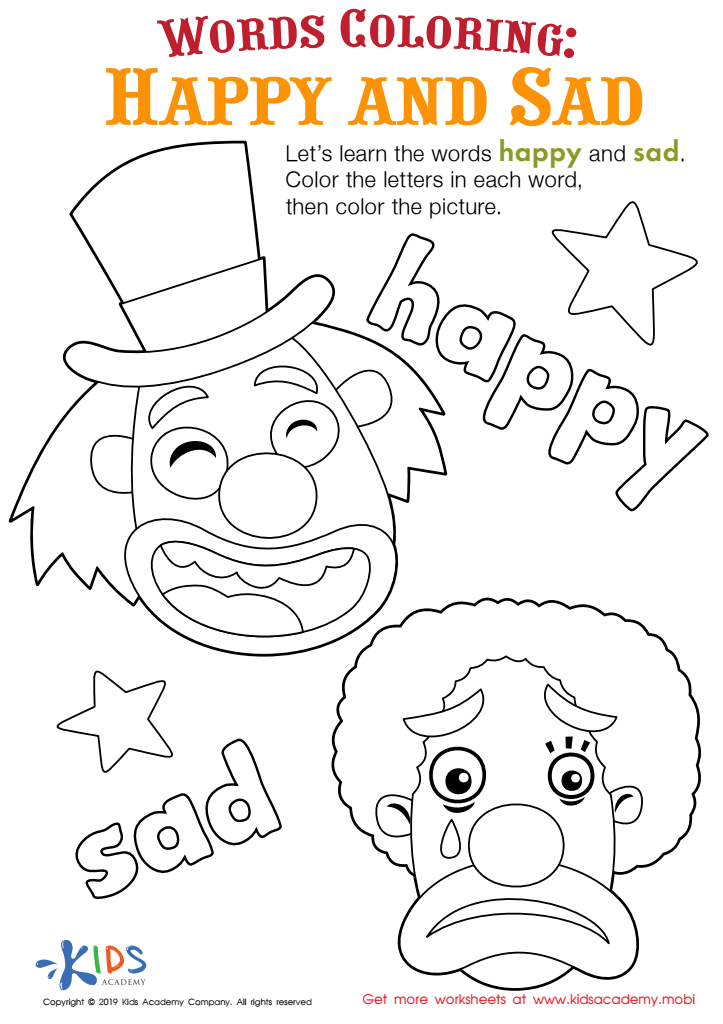
Happy and Sad Words Coloring Worksheet
 Assign to My Students











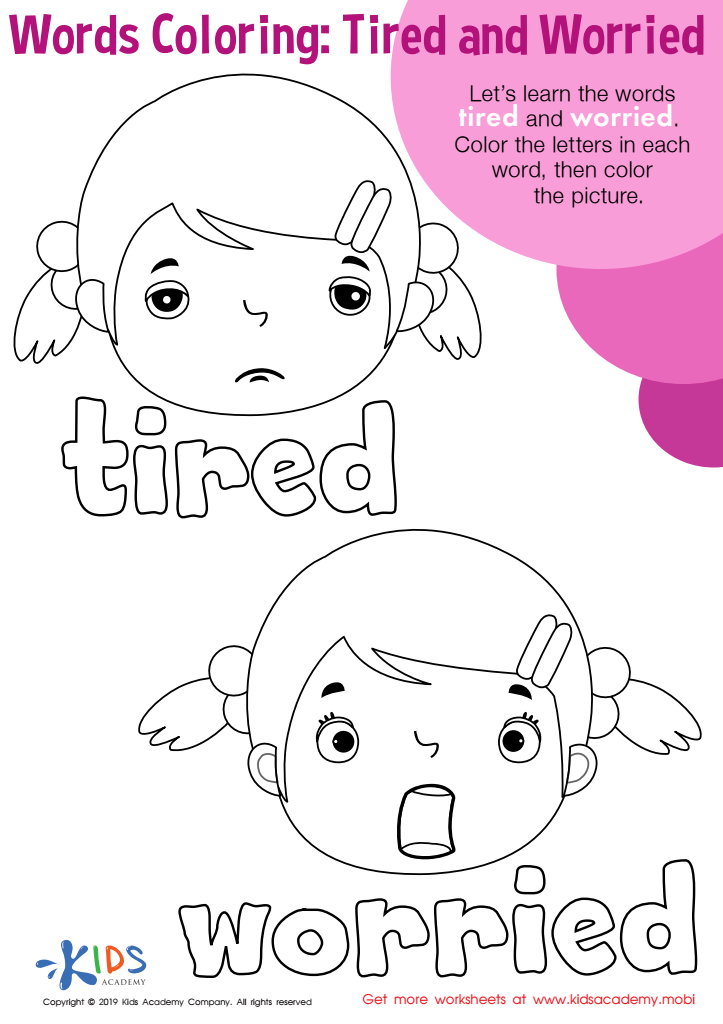
Tired and Worried Words Coloring Worksheet
Assign to My Students
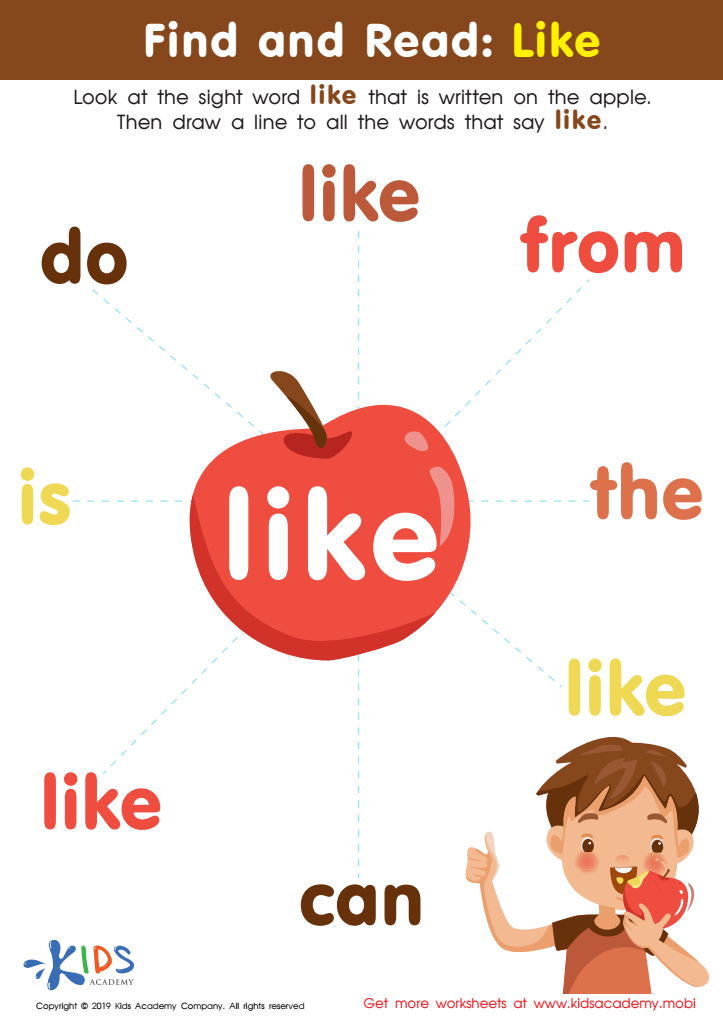
Find and Read: Like Worksheet








Word recognition and vocabulary building are foundational skills for young learners aged 3-6. During these formative years, children are naturally curious and most receptive to language development. Words are the building blocks of communication, and an expansive vocabulary enhances their ability to express thoughts and understand their environment.
Parents and teachers should prioritize word recognition because it directly impacts literacy skills. Recognizing words helps children decode text, understand meanings, and improve reading comprehension. Early exposure to diverse vocabulary also enriches their expressive language, enabling them to articulate ideas more clearly.
Furthermore, building a strong vocabulary promotes cognitive development. Children learn to categorize, compare, and connect concepts, enhancing critical thinking and problem-solving abilities. Engaging them in interactive activities like storytelling, songs, and word games not only fosters a love for language but also encourages social interactions, emotional expression, and academic success.
Prioritizing vocabulary development is crucial in establishing a lifelong foundation for effective communication. By nurturing word recognition and vocabulary skills, parents and teachers empower children to thrive academically and socially, ensuring they are well-prepared for future learning experiences.