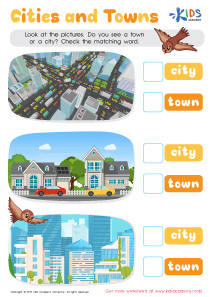
Number Recognition Easy Reading Worksheets for Ages 3-6
4 filtered results
-
From - To
Discover our engaging "Number Recognition Easy Reading Worksheets" designed specifically for children aged 3 to 6. These worksheets provide a fun and interactive way for young learners to identify and understand numbers. With colorful illustrations and age-appropriate activities, kids can practice matching, counting, and recognizing numbers while improving their reading skills. Each worksheet reinforces foundational math concepts in a playful manner, making learning enjoyable and effective. Perfect for parents and educators alike, these resources are ideal for both at-home learning and classroom use. Help your little ones build confidence in their number recognition abilities today with our easy-to-use worksheets!
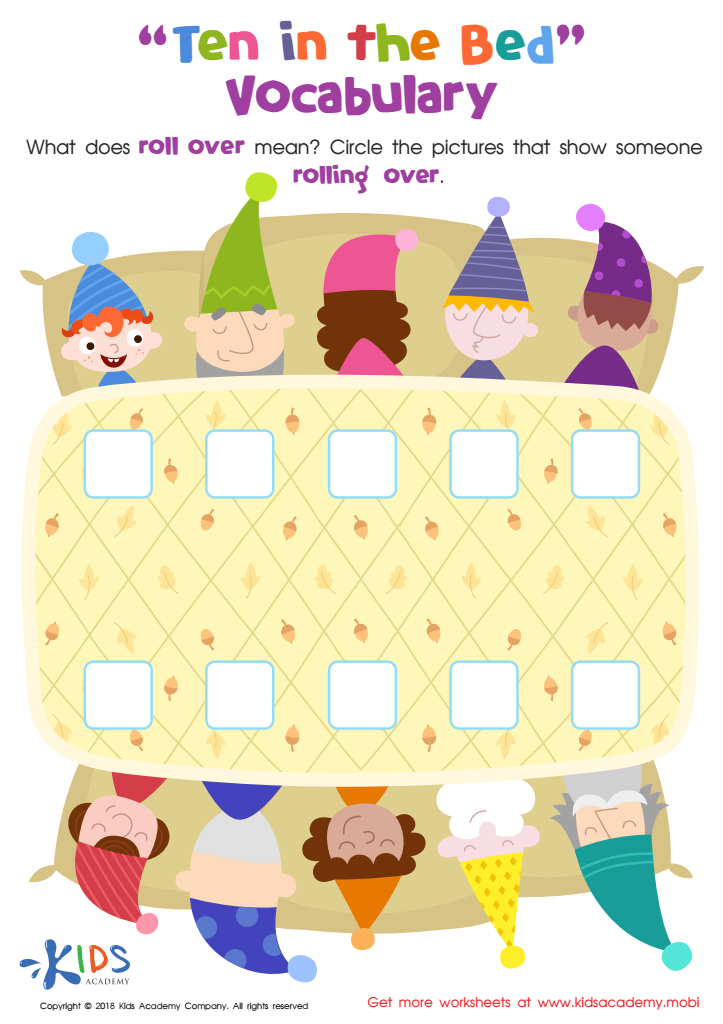
Ten in the Bed: Vocabulary Worksheet
 Assign to My Students
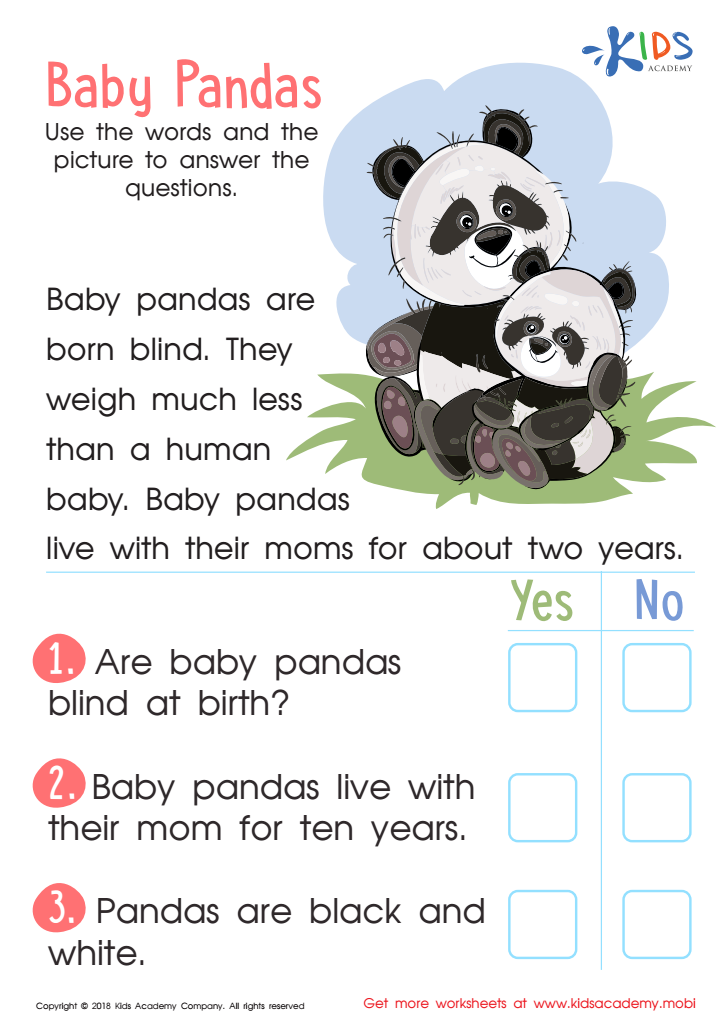
Baby Pandas Worksheet
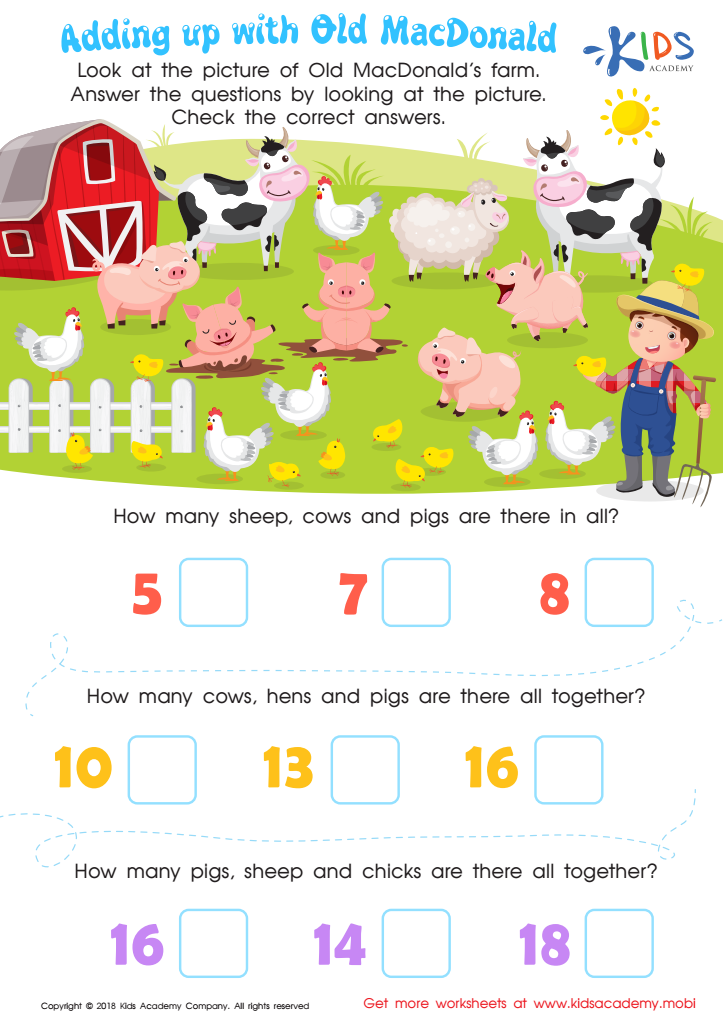
Adding Up with Old MacDonald Worksheet
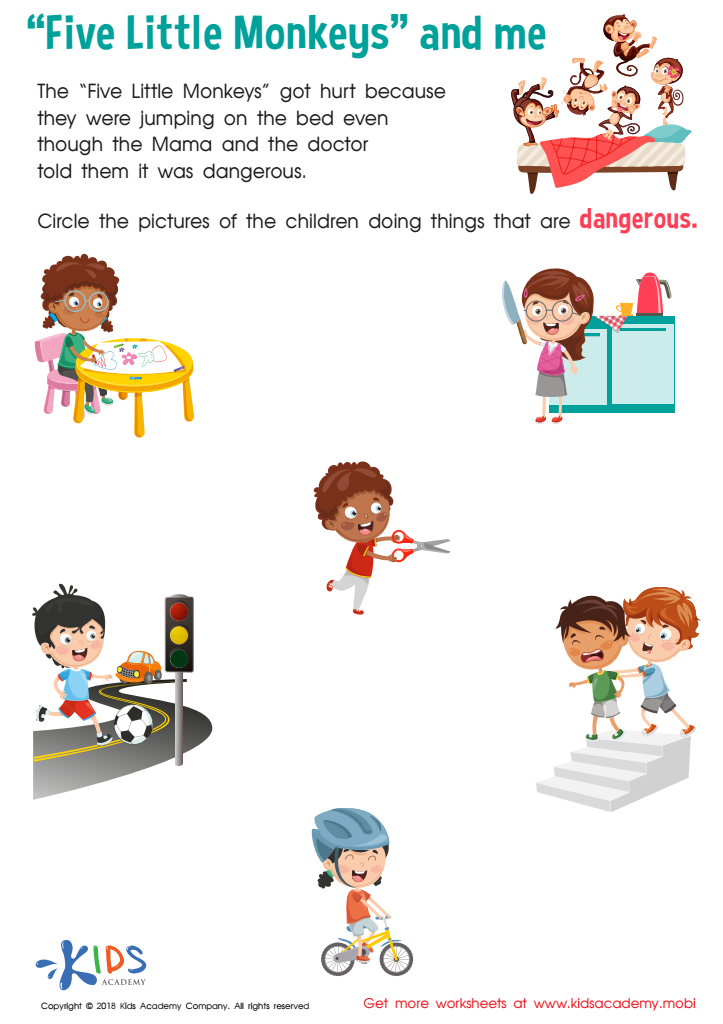
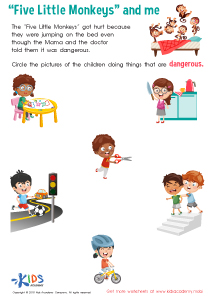
Five Little Monkeys and Me Worksheet








Number recognition is a foundational skill for early learners, significantly influencing their future mathematical understanding and overall academic success. For parents and teachers of children aged 3-6, fostering number recognition through easy reading and engaging materials is crucial for several reasons.
Firstly, children at this age are naturally curious and eager to learn about their environment. Introducing number recognition helps cater to that curiosity, allowing them to explore patterns, quantities, and relationships in a playful and relatable context. This early exposure builds their confidence and competence in handling numbers later on.
Secondly, number recognition forms the basis for essential math skills. Recognizing numbers bolsters counting, addition, subtraction, and problem-solving abilities. These skills not only enhance cognitive development but also improve logical reasoning and critical thinking.
Lastly, encouraging number recognition through easy reading materials makes learning enjoyable. Bright illustrations, interactive stories, and fun lessons can transform math into a delightful experience. This positive association fosters a lifelong love of learning, helping to ensure that children approach mathematics with enthusiasm rather than anxiety.
Ultimately, by prioritizing number recognition through easy reading, parents and teachers establish a strong, positive foundation for children's educational journeys.