Sequencing Skills Easy Reading Comprehension Worksheets for Ages 3-6
3 filtered results
-
From - To
Discover our Sequencing Skills Easy Reading Comprehension Worksheets designed specifically for children aged 3-6! These engaging activities promote critical thinking and enhance understanding of story structure by guiding young learners to arrange events in the correct order. Our worksheets feature colorful illustrations and fun narratives that captivate young imaginations while fostering essential reading comprehension skills. Perfect for both home and classroom settings, these worksheets provide a foundation for literacy as kids develop their ability to analyze and predict story sequences. Unlock the joy of learning with our user-friendly resources that make reading comprehension both enjoyable and effective!
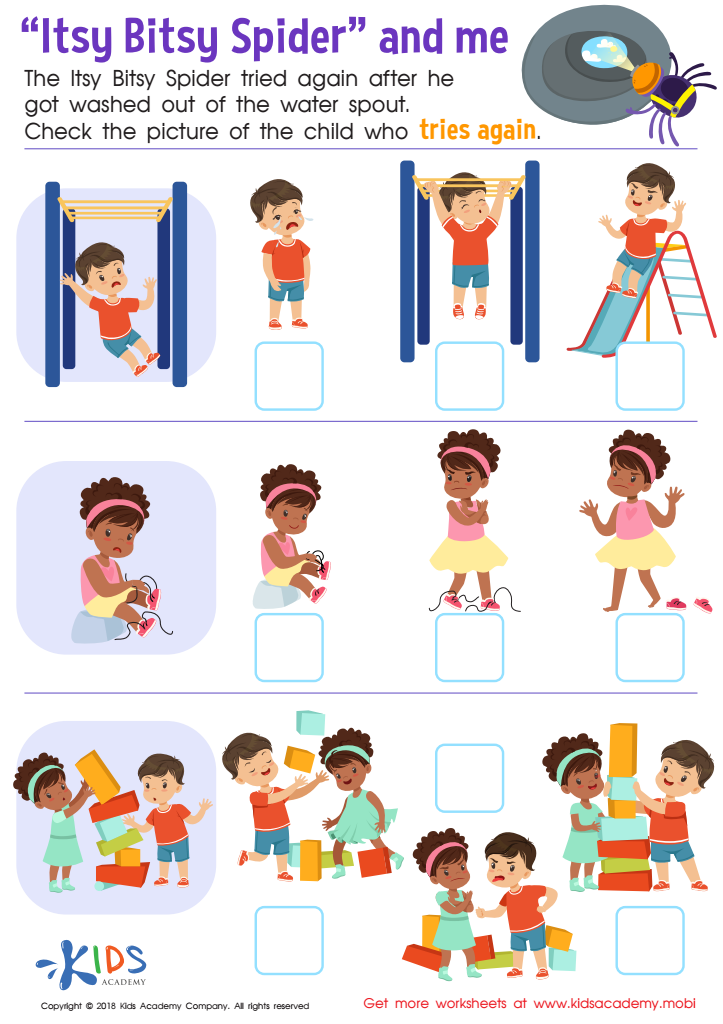
Itsy Bitsy Spider and Me Worksheet
 Assign to My Students
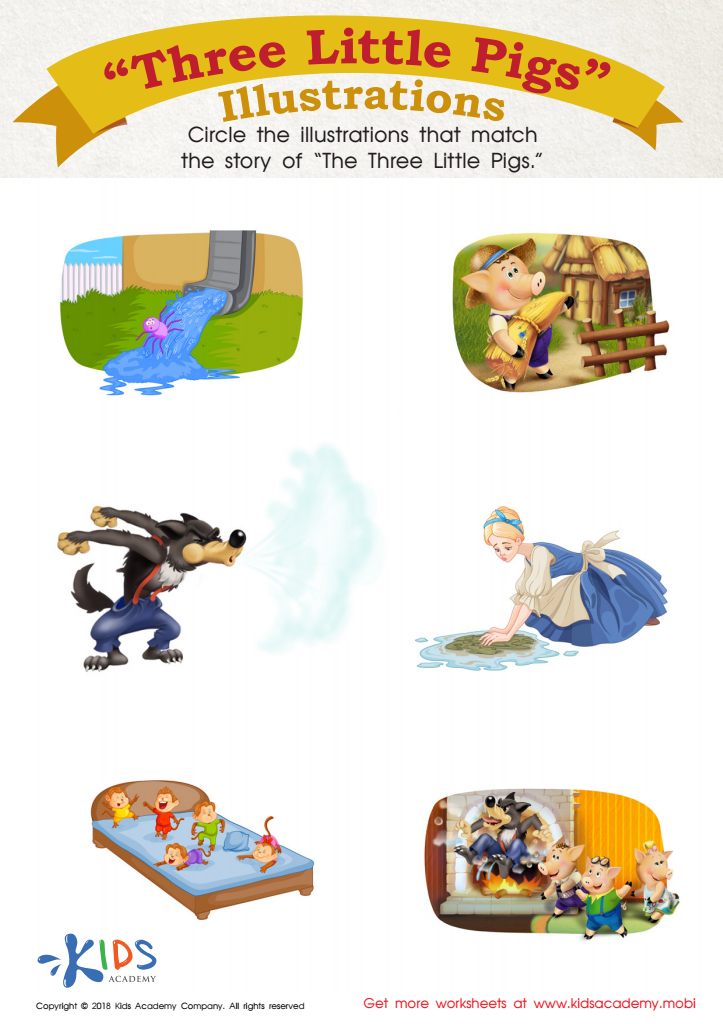
Three Little Pigs: Illustrations Worksheet
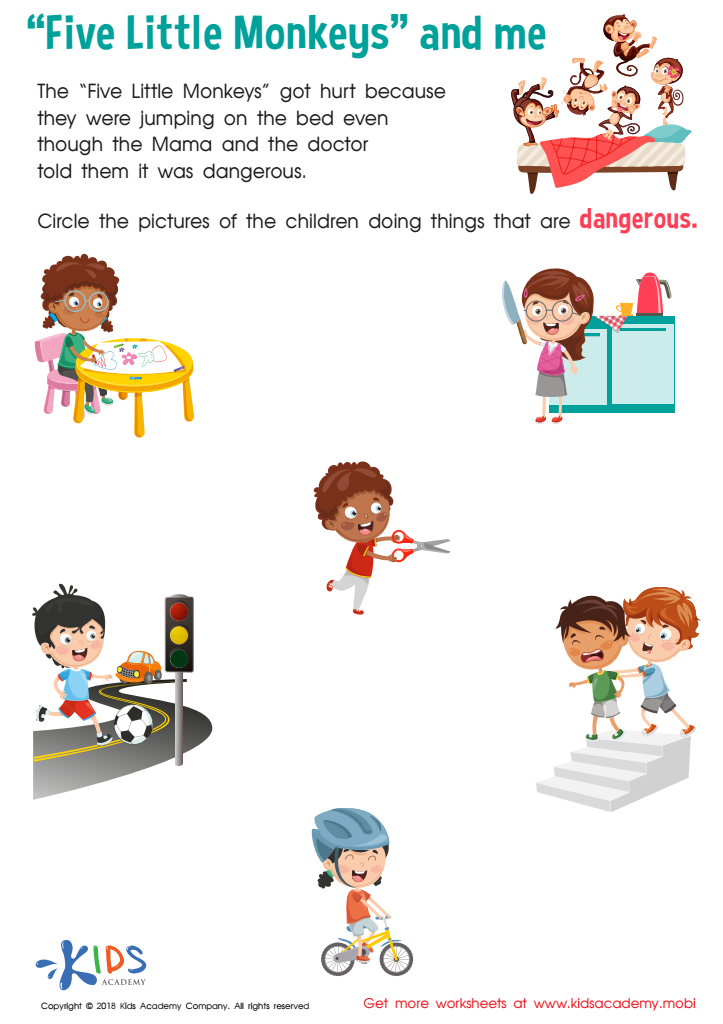
Five Little Monkeys and Me Worksheet








Sequencing skills are foundational for young children's reading comprehension, particularly for ages 3-6. Understanding the order of events in a story helps children grasp cause-and-effect relationships, enhancing their ability to make predictions and draw conclusions. When parents and teachers emphasize sequencing skills, they are helping children develop critical thinking and narrative understanding that will support their overall literacy development.
Moreover, sequencing activities, such as retelling stories or arranging picture cards, cultivate language skills. As children articulate narratives, they enhance vocabulary and sentence structure while fostering creativity. These skills translate into improved writing abilities as they progress in their education.
Parents and teachers also play a crucial role in making reading enjoyable. Engaging children in activities that highlight sequencing can spark their interest in stories and reading, building a lifelong love for literature.
Additionally, strong sequencing skills benefit social-emotional learning. By reconstructing stories, children access multiple perspectives, empathetic responses, and problem-solving strategies. This holistic approach to development aligns with educational goals across various domains.
In summary, prioritizing sequencing skills in early education is essential not only for literacy but also for cognitive and emotional growth, preparing children for future academic success.