Filters

6 filtered results

Clear all filters
Favorites
With answer key
Interactive

6 filtered results

Difficulty Level

Grade


Discover our “Vocabulary Enhancement Easy Reading Comprehension Worksheets” designed specifically for children aged 3-6. These engaging worksheets aim to boost vocabulary while enhancing reading skills in a fun and interactive way. Featuring colorful illustrations and engaging stories, each activity encourages young learners to explore new words within context, fostering a love for reading. Teachers and parents will find the worksheets easy to use, promoting both independent and guided learning. Perfect for early literacy development, our worksheets cater to various learning styles, ensuring every child can enjoy the journey of learning new words. Start building strong language foundations today!

Check out this FREE Trial Lesson on Reading Comprehension for age 3-6!

Spell Common Sight Words

Favorites
With answer key
Interactive
  • 3-6
  • Vocabulary enhancement
  • Reading Comprehension
  • Easy
What Do You See? Reading Worksheet

What Do You See? Reading Worksheet

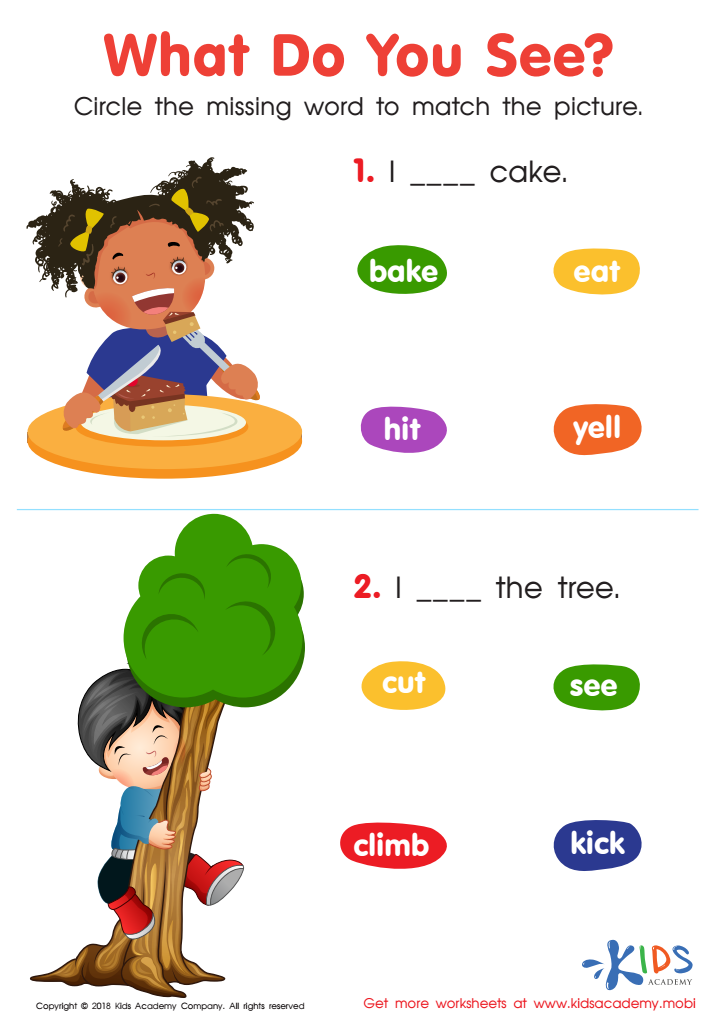
New readers can use the attractive pictures and high-frequency words on this worksheet to practice expressive language skills and decode as they fill in the blanks. As they circle the correct words, they'll feel like reading superstars!
What Do You See? Reading Worksheet
Worksheet
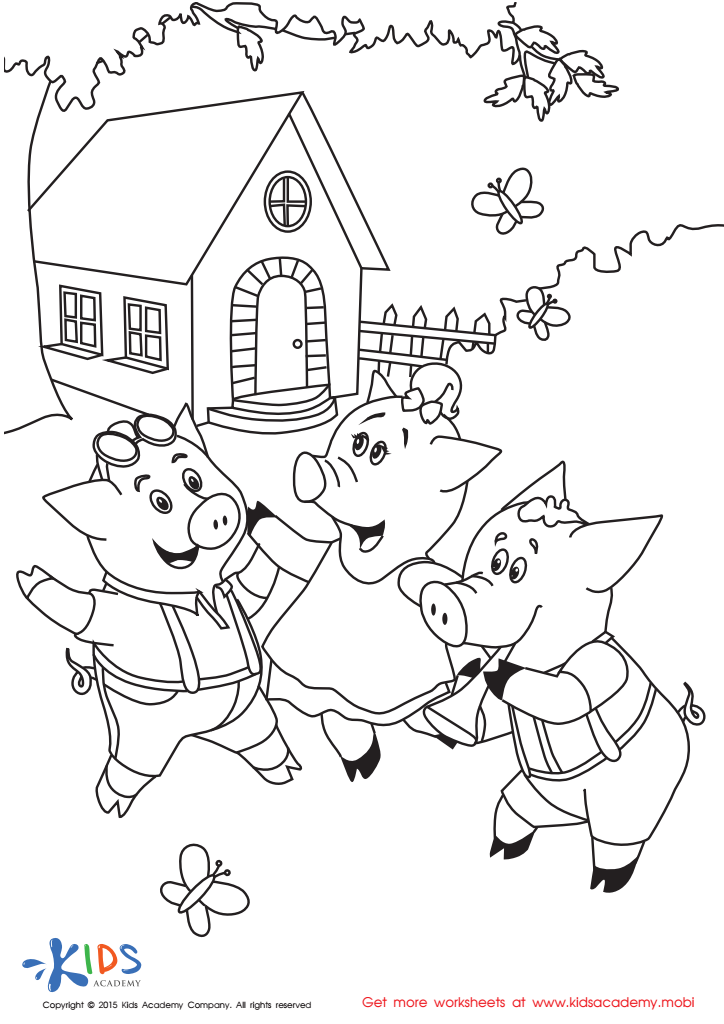
Folktales Printable PDF Worksheets: The 3 Little Pigs

Folktales Printable PDF Worksheet: The 3 Little Pigs

Then, help your child to color the scene with pink piglets, blue sky and green grass. Make the brick house bright and vivid. Enjoy!
Download (PDF)
Assign to My Students
Folktales Printable PDF Worksheet: The 3 Little Pigs
Worksheet
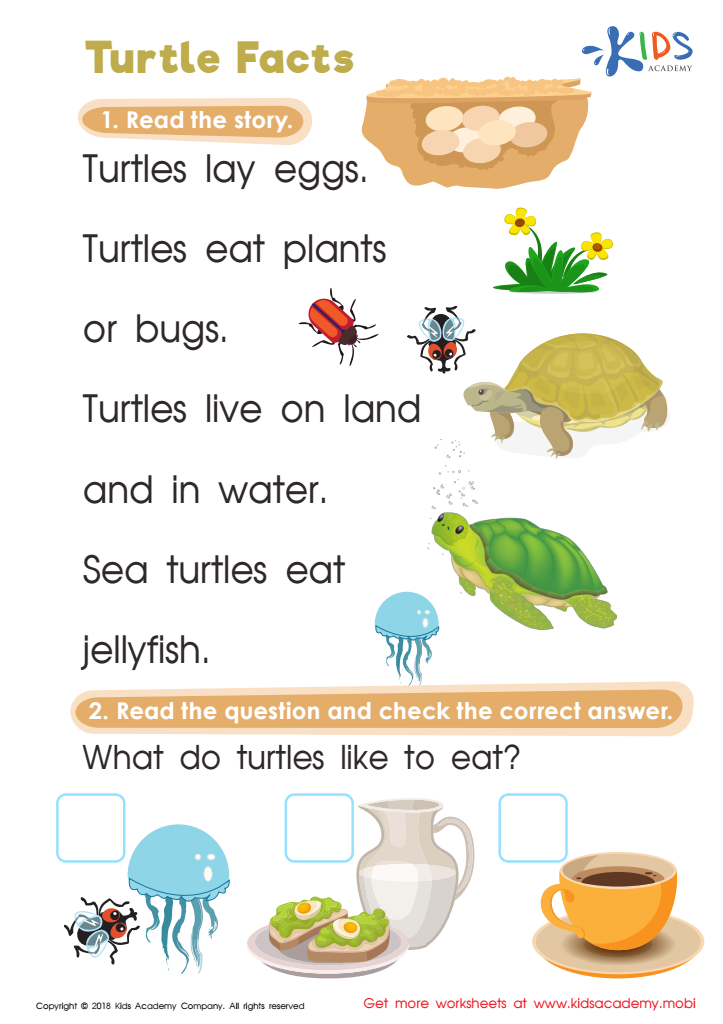
Turtle Facts Worksheet

Turtle Facts Worksheet

Reading has many advantages, like being able to learn from informational texts! This worksheet teaches kids about turtles using a fun paragraph with pictures! Encourage students to read the text and use the visuals as a guide. Then, answer the question at the bottom by checking the image that matches the info they just read.
Turtle Facts Worksheet
Worksheet
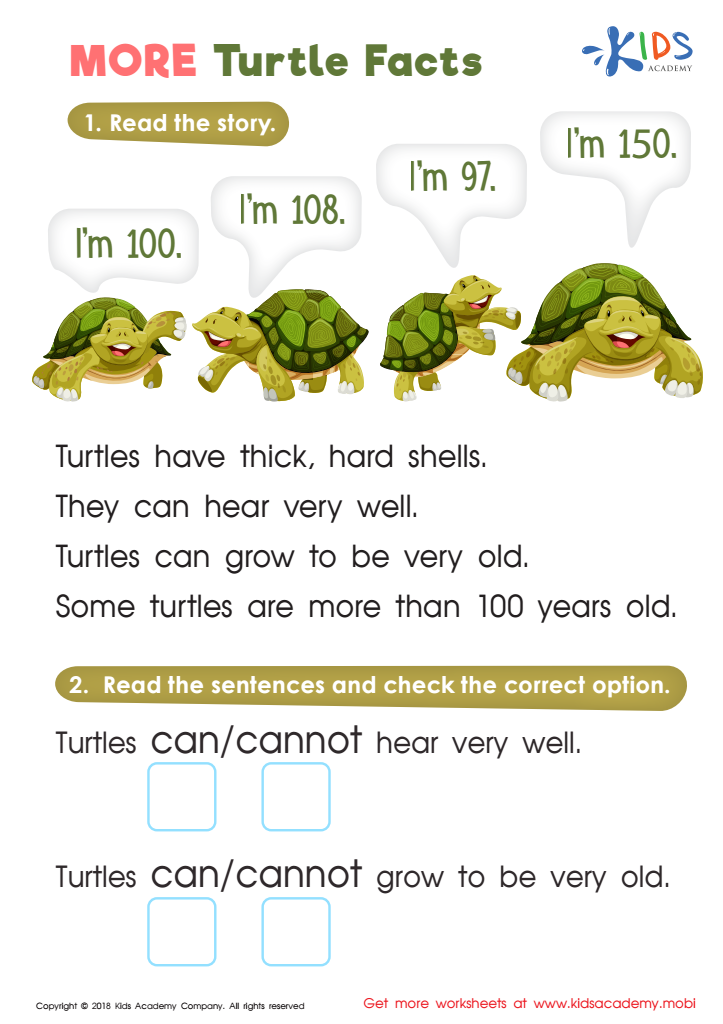
More Turtle Facts Worksheet

More Turtle Facts Worksheet

Discover more fun facts about turtles with this reading worksheet! Read through the paragraph, check out the pictures, then answer the questions at the bottom to see how well your child remembers what they learned. Find out what turtles can and can't do by ticking the boxes. Let the turtle-filled learning begin!
More Turtle Facts Worksheet
Worksheet
Can You Match the Sentence? Worksheet

Can You Match the Sentence? Worksheet

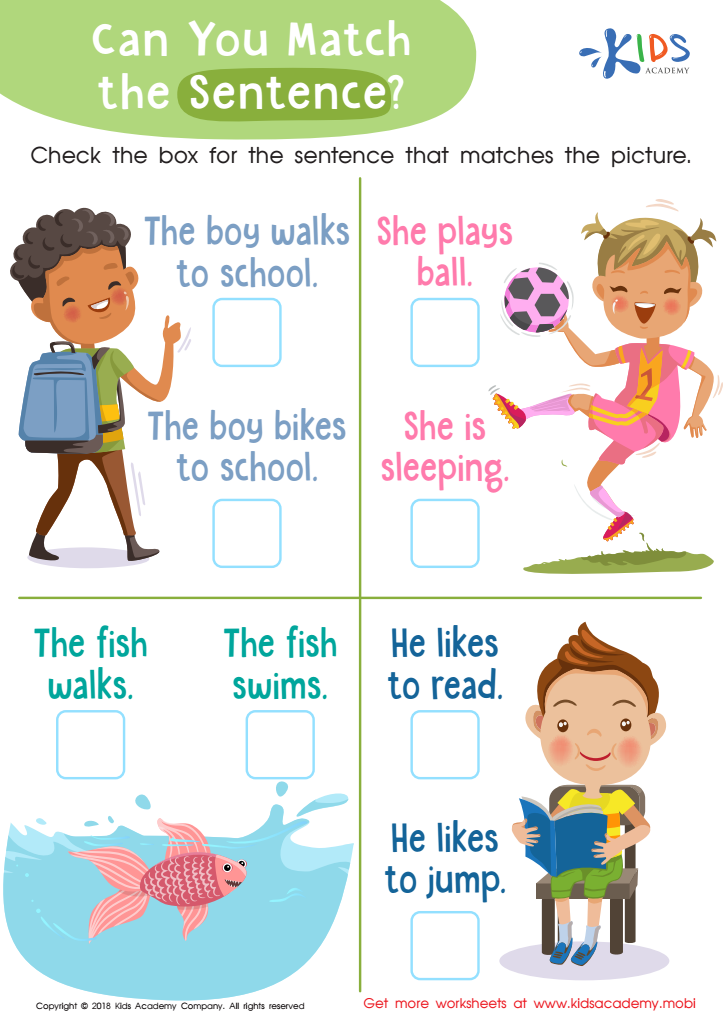
Kids gain fluency with this worksheet which uses bright pictures. They select the sentence that matches the image and check the box. This repetition of words and phrases helps them improve their reading skills while having fun.
Can You Match the Sentence? Worksheet
Worksheet
When Does It Happen? Worksheet


When Does It Happen? Worksheet

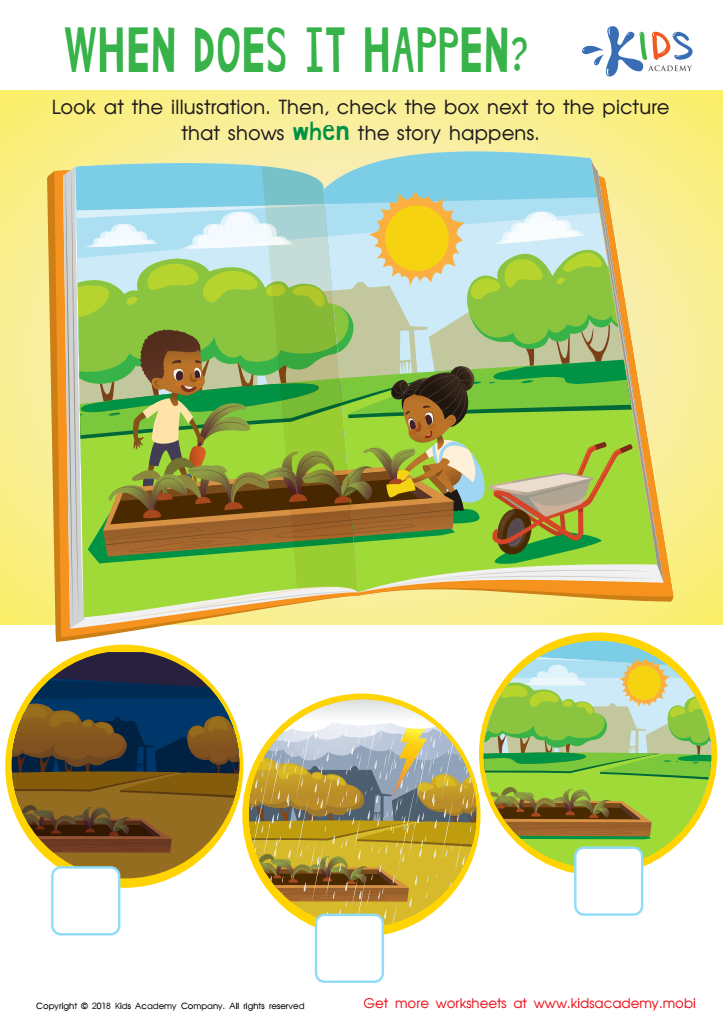
Help your kids learn about the different times of day and when events occur using this worksheet. Ask them to look at the pictures and determine which box shows when the story happened. Then, discuss how they can use this knowledge to better describe events that occur.
When Does It Happen? Worksheet
Worksheet


Vocabulary enhancement and easy reading comprehension for ages 3-6 are crucial for a child's early development and future academic success. During these formative years, children's brains are highly receptive to language, making it the ideal time to build a strong vocabulary foundation. A rich vocabulary is linked to better communication skills and enhances cognitive development, fostering critical thinking and learning efficiency.

Parents and teachers play a vital role in this process. Engaging children in easy reading comprehension activities helps ignite a love for reading and encourages them to be curious about words and their meanings. This, in turn, promotes self-expression and boosts confidence when communicating both verbally and in writing.

Additionally, strong vocabulary skills in early childhood are predictive of later literacy success. Children who develop these skills are more likely to excel in school, form positive social interactions, and navigate complex ideas as they grow. By focusing on vocabulary enrichment now, parents and teachers invest in a child's overall academic journey. Ultimately, fostering a supportive environment that prioritizes reading and vocabulary will empower young learners and set a strong educational foundation for their future.