Sound Association Easy Alphabet Worksheets for Ages 3-7
5 filtered results
-
From - To
Explore our engaging Sound Association Easy Alphabet Worksheets designed specifically for children aged 3-7! These printable resources help young learners connect letters with their corresponding sounds in an fun and interactive way. Our worksheets incorporate vibrant visuals and relatable examples, enabling kids to enhance their phonemic awareness while developing essential literacy skills. Each activity is tailored to keep little hands busy and minds curious, making learning an enjoyable experience. Perfect for homeschooling or classroom activities, these worksheets encourage sound recognition, letter association, and early reading skills. Start your child's educational journey today with these effective and easy-to-use resources!
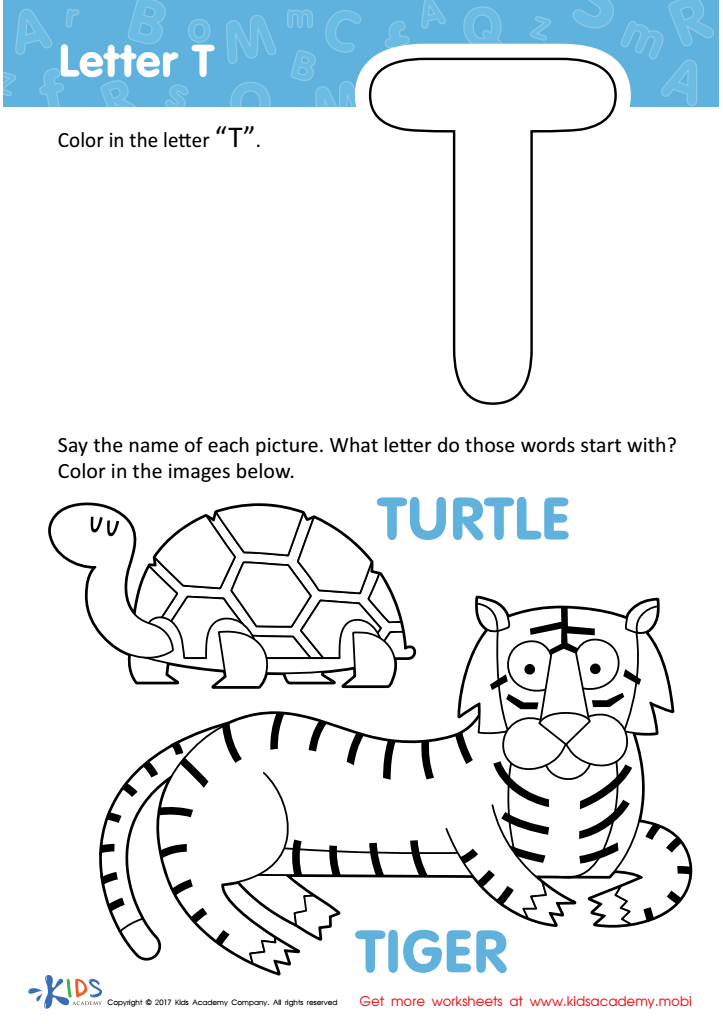
Letter T Coloring Sheet
 Assign to My Students
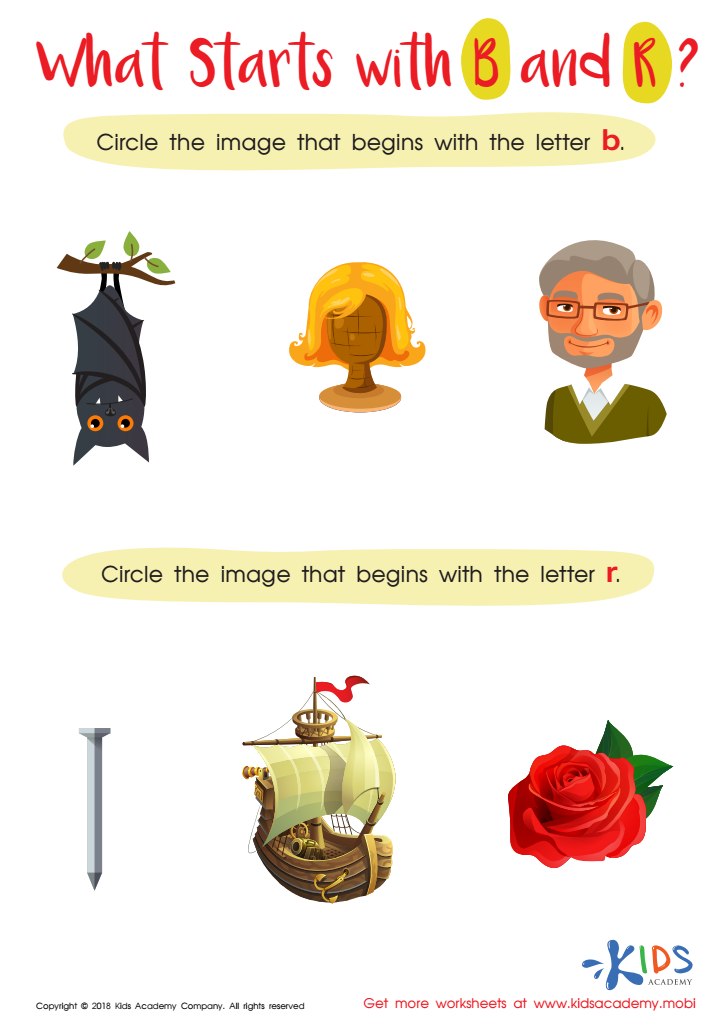
What Starts with B and R? Worksheet
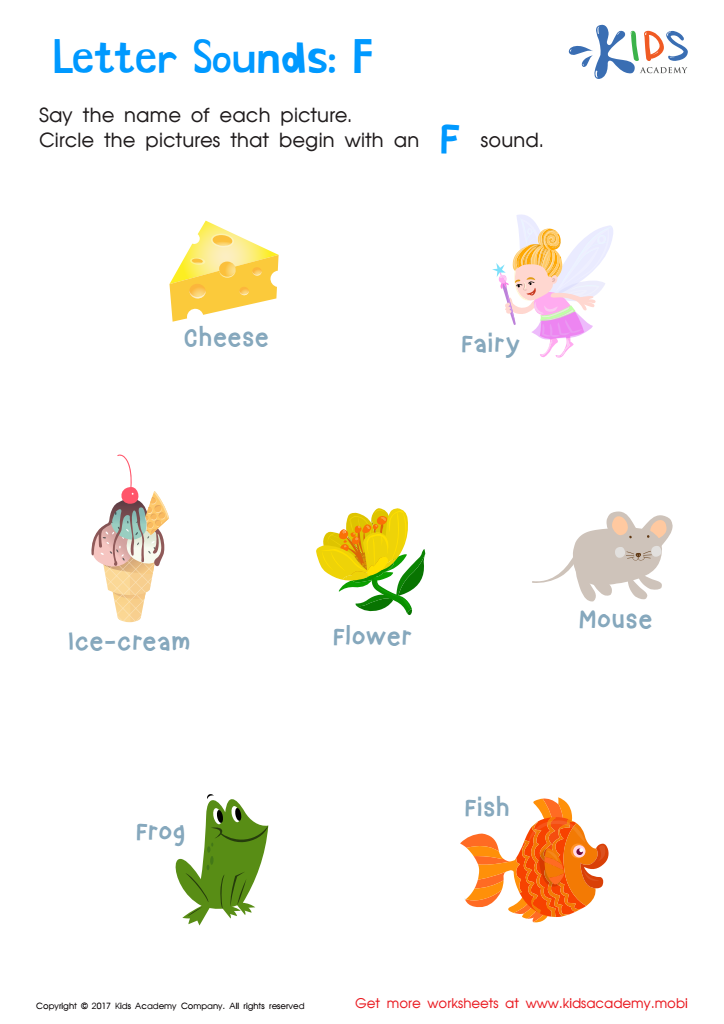
Letter F Sounds Worksheet
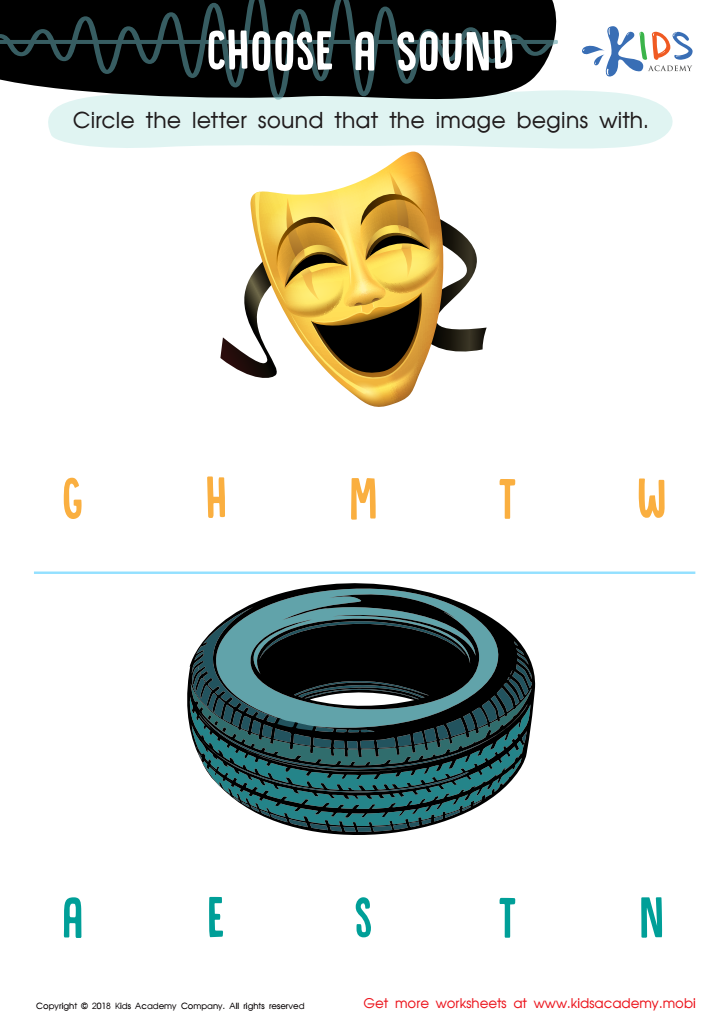
Choose a Sound Worksheet
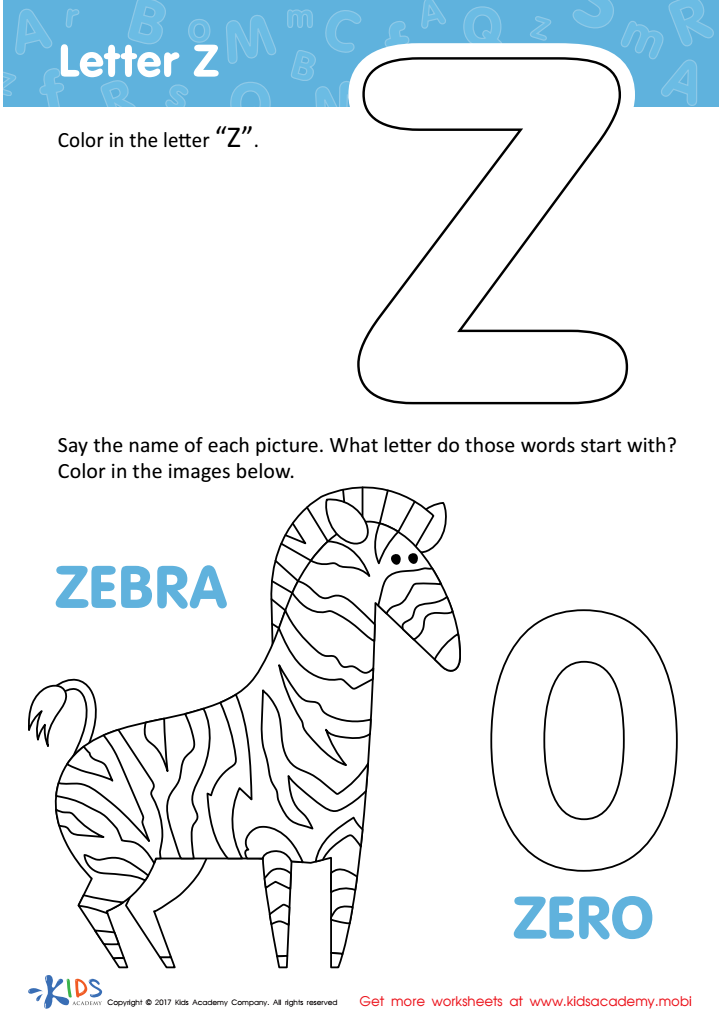
Letter Z Coloring Sheet
Assign to My Students






Sound Association Easy Alphabet is an essential learning tool for parents and teachers of young children aged 3-7. This resource lays the foundation for literacy by helping children connect letters with their corresponding sounds, a crucial skill for reading and writing. By engaging with sound association, children can develop phonemic awareness, which enhances their ability to decode words and comprehend text.
Moreover, the interactive nature of tools designed for sound association makes learning enjoyable and effective. Activities often include songs, games, and visual aids that captivate young learners and maintain their interest. This emotional engagement boosts language retention and overall literacy development.
Understanding the relevance of sound association can also aid educators and caregivers in crafting personalized learning experiences for each child. As children progress, they gain confidence in their reading abilities, fostering a love for literature that extends into their academic journey.
Investing in resources like Sound Association Easy Alphabet ultimately empowers parents and teachers to build critical early literacy skills, paving the way for children’s future academic success and instilling lifelong learning habits. By prioritizing such tools, adults can significantly influence children’s language development during these formative years.