History knowledge Easy 4th of July Worksheets for Ages 3-7
3 filtered results
-
From - To
Celebrate Independence Day with our "History Knowledge Easy 4th of July Worksheets for Ages 3-7"! Specially designed to captivate young learners, these worksheets introduce preschoolers and early elementary kids to the fascinating history behind the holiday. With engaging coloring pages, fun puzzles, and simple activities, our worksheets make learning about America's birth both enjoyable and educational. Ideal for both classroom use and at-home learning, these resources foster early history knowledge and patriotic pride. Equip your child with a love for history and a deeper understanding of Independence Day with our expertly crafted worksheets! Visit Kids Academy to explore more.
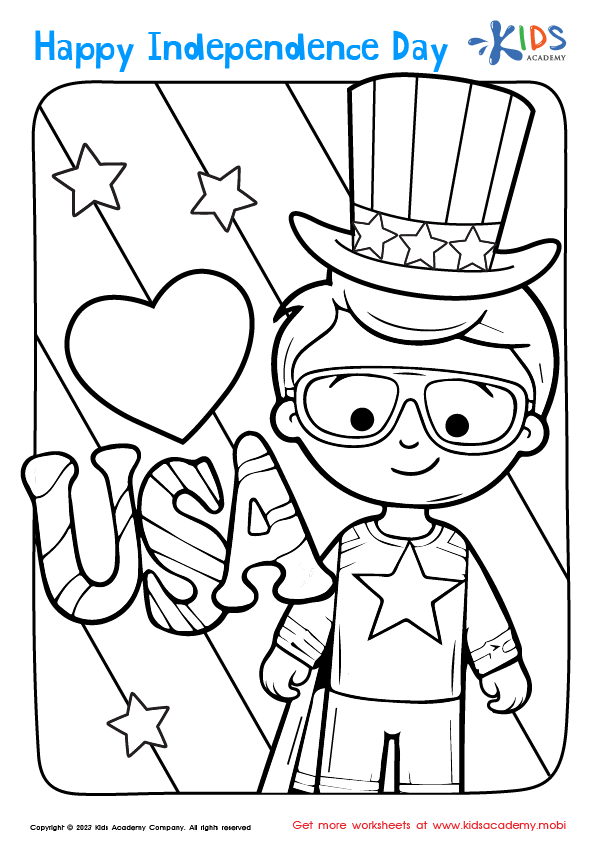
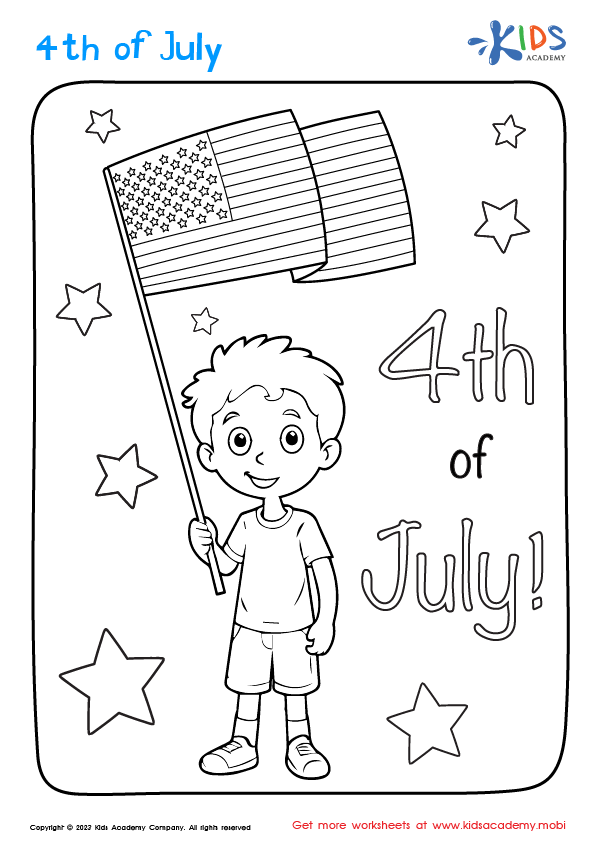
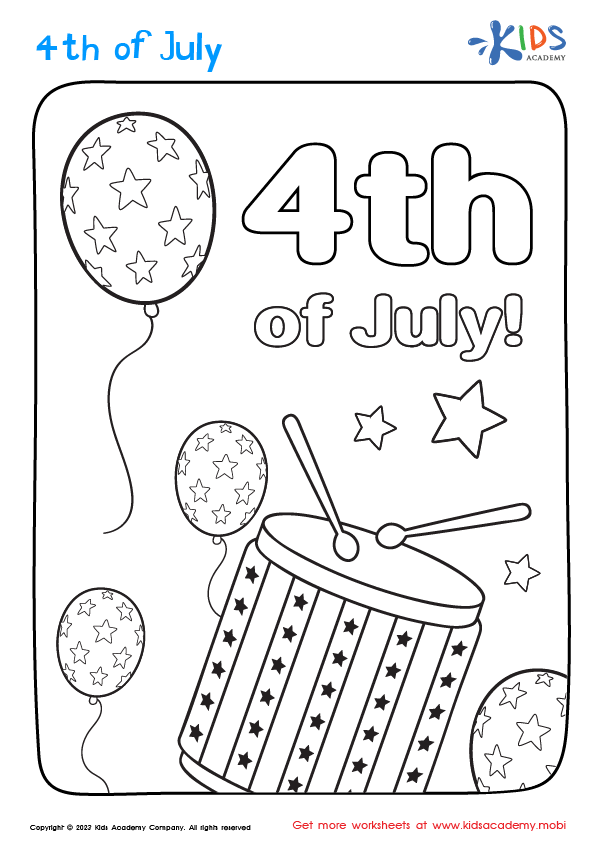



Understanding history, even basics such as the 4th of July, is important for young children aged 3-7 as it cultivates a sense of identity and patriotism. For instance, the 4th of July is not merely a day of fireworks and picnics but marks a significant event: America's Independence Day. This celebration commemorates the adoption of the Declaration of Independence in 1776, signaling the country's birth as an independent nation. By learning about the 4th of July, children come to appreciate the values of freedom, bravery, and democracy.
When parents and teachers introduce history at an early age, they are not just telling stories from the past; they are instilling values and fostering curiosity. Activities like simple stories, crafts, and songs about Independence Day can make learning engaging for young minds. It also enables children to understand the continuity of their nation's story, seeing themselves as part of a larger community that shares a common heritage and set of principles.
Moreover, a foundational understanding of history prepares children for more complicated aspects of social studies they will encounter later in their education. It helps them become informed, empathetic, and engaged citizens, with respect for the struggles and achievements that have shaped their world. Thus, history knowledge is a crucial building block for a child's overall development.