Categorization skills Easy Worksheets for Ages 3-7
5 filtered results
-
From - To
Unlock your child's potential with our "Categorization Skills Easy Worksheets for Ages 3-7." Specially crafted to nurture essential learning skills, these engaging worksheets develop critical thinking and organization abilities through fun activities. Kids will enjoy sorting and grouping objects by similarities and differences in colorful, interactive exercises. Ideal for preschoolers and early elementary students, the worksheets foster both cognitive growth and a love for learning. Perfect for parents and teachers alike, our resource supports development in a uniquely enjoyable way. Visit Kids Academy to start exploring and boosting your child's understanding today!
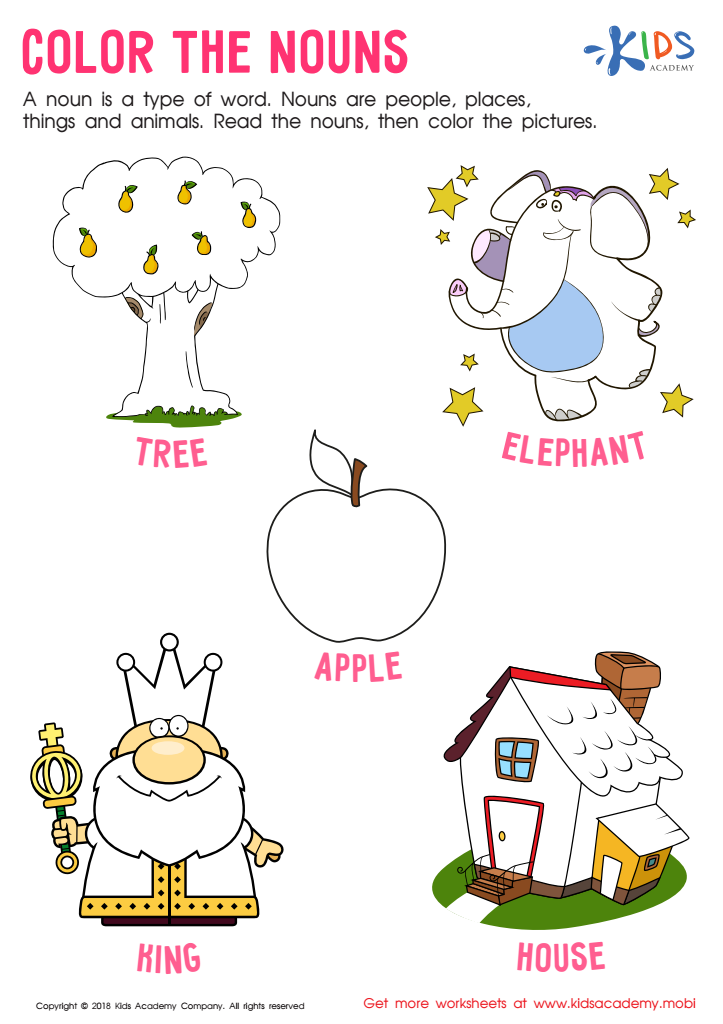
Color the Nouns Worksheet
 Assign to My Students
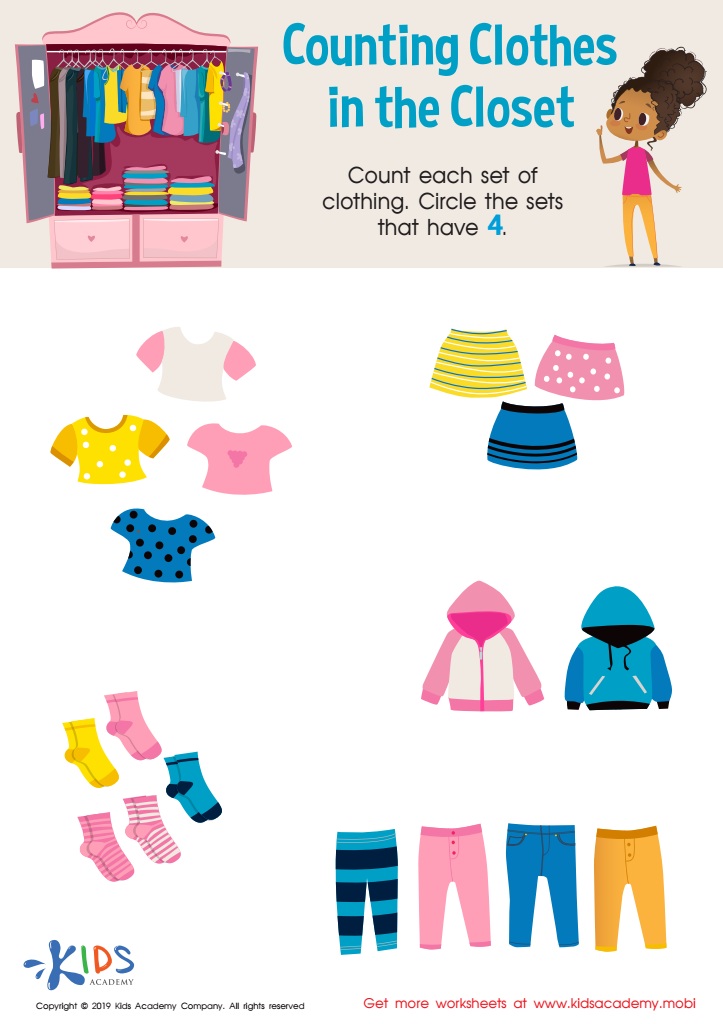
Counting Clothes Worksheet
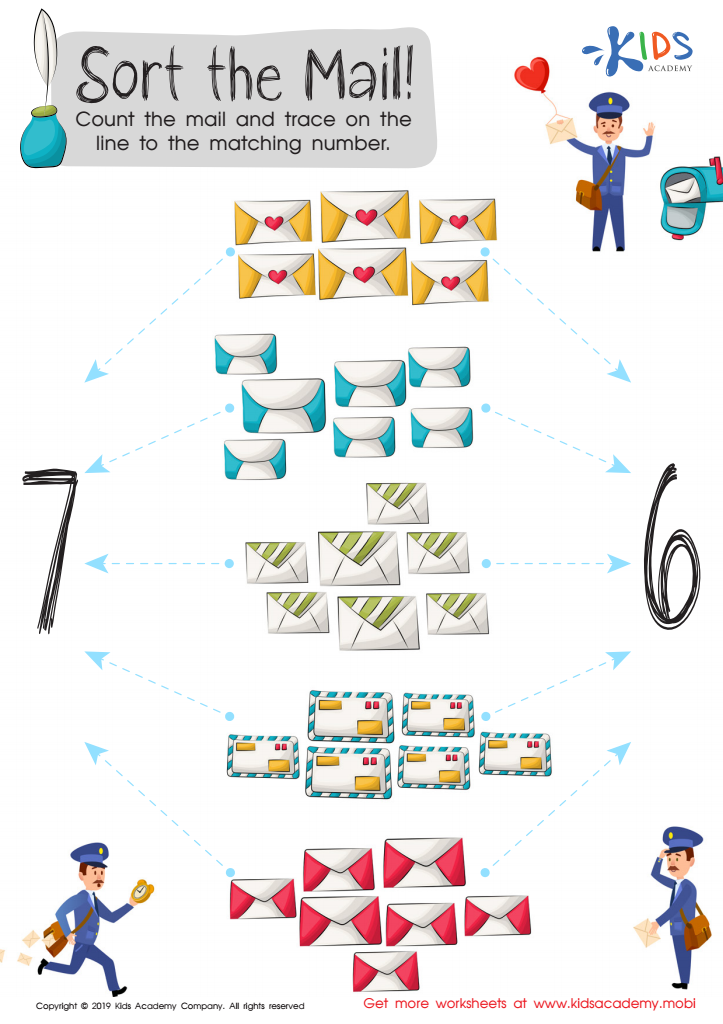
Sort the Mail Worksheet
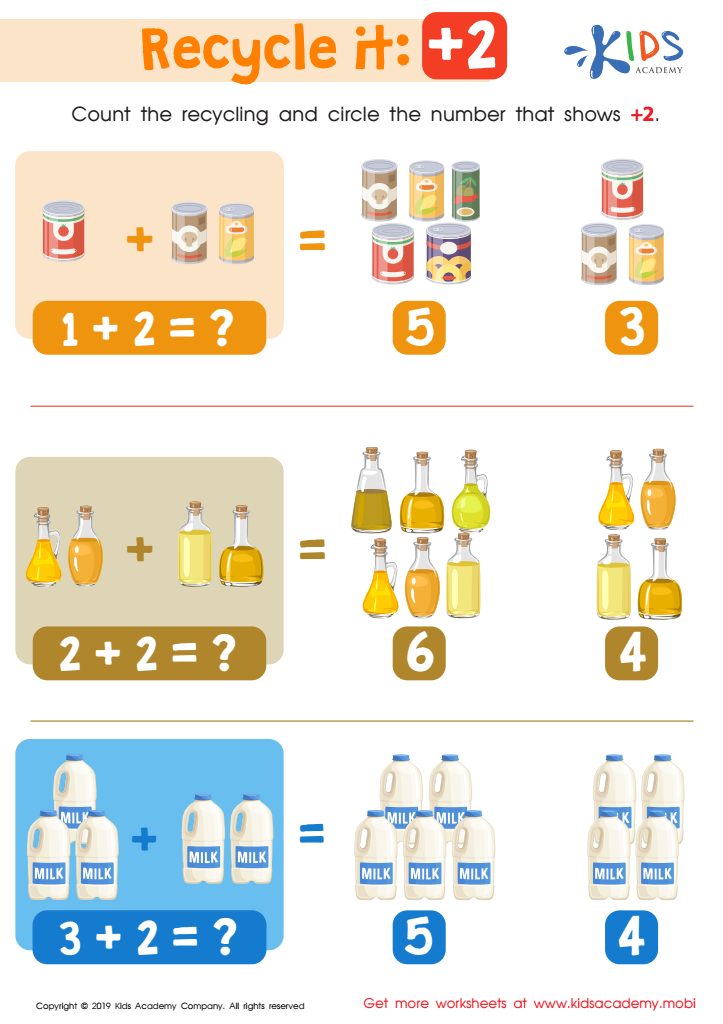
Recycle It: +2 Worksheet
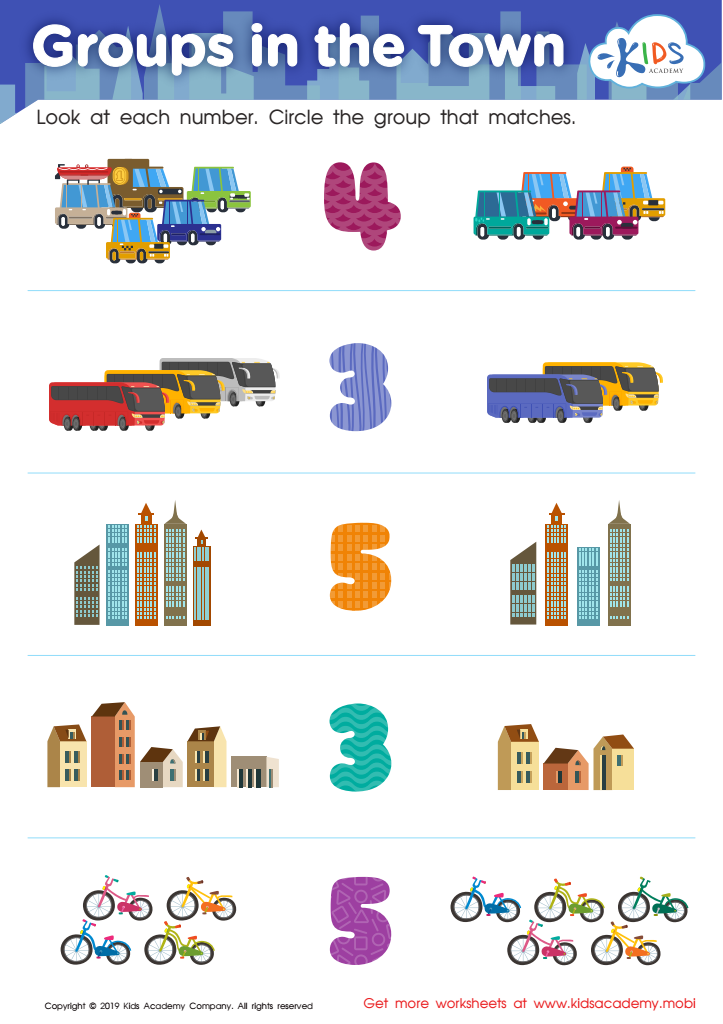
Groups in the Town Worksheet








Categorization skills are essential for children aged 3-7 as they form a foundational aspect of cognitive development and learning. At this young age, children are in the critical stages of developing their ability to organize, classify, and make sense of the world around them. Categorization helps them to understand and differentiate between various objects, concepts, and experiences, which is crucial for language development. For instance, recognizing that apples and oranges belong in the fruit category aids vocabulary expansion and comprehension.
Beyond language, categorization fosters critical thinking and problem-solving abilities. It teaches kids to notice similarities and differences, sort information, and establish mental connections that allow for better memory retention. Skills like grouping colors, shapes, sizes, and types facilitate a child's ability to follow instructions, participate in structured activities, and develop early math skills such as counting and pattern recognition.
Additionally, effective categorization aids social development by helping children recognize social cues and appropriate behaviors in different contexts. Understanding that indoor and outdoor behaviors differ, for instance, promotes more adaptive and socially appropriate behavior.
Investing in nurturing these skills early on sets a strong foundation for more complex learning and cognitive development, ultimately contributing to a child's long-term academic and personal success.








