Counting practice Easy Worksheets for Ages 3-7 - Page 2
29 filtered results
-
From - To
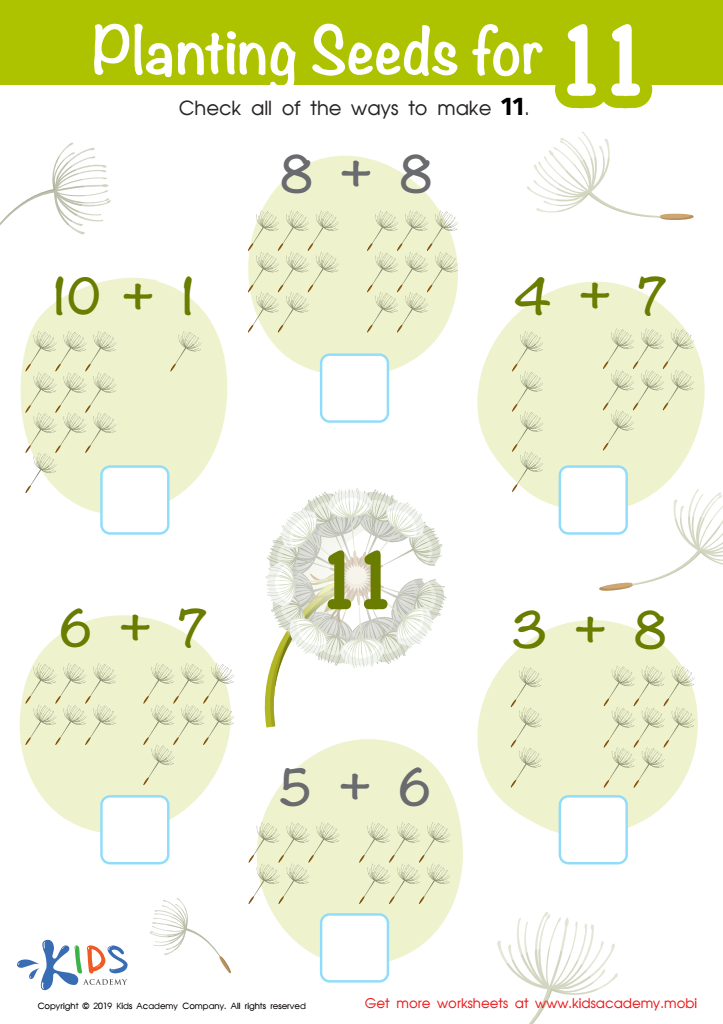
Planting Seeds for 11 Worksheet
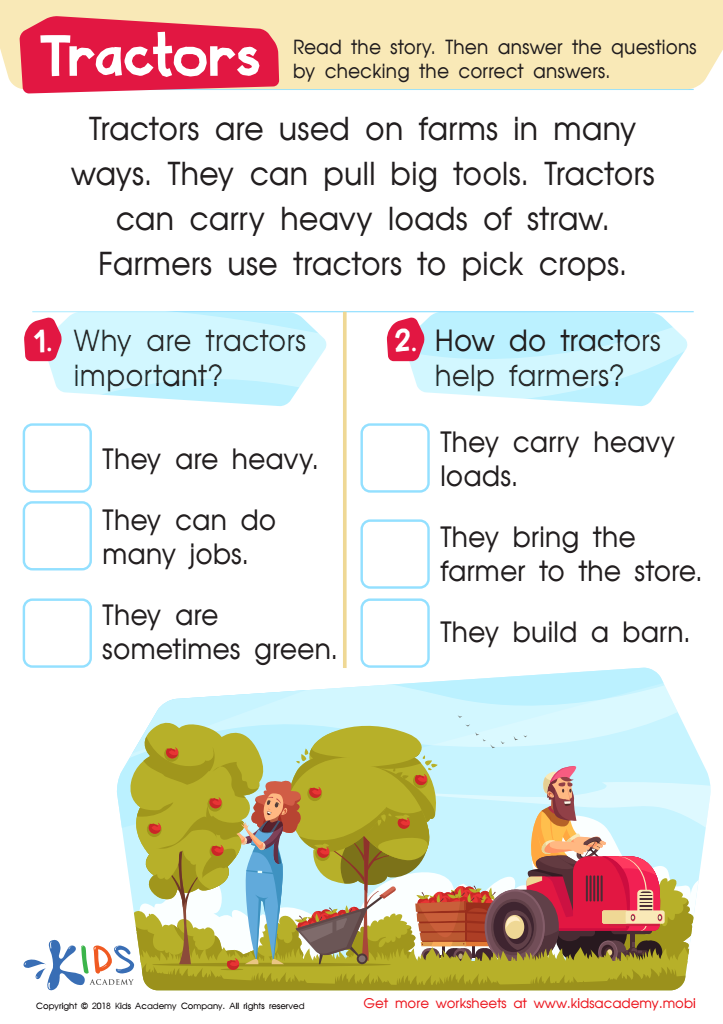
Tractors Worksheet

Make 6 Worksheet
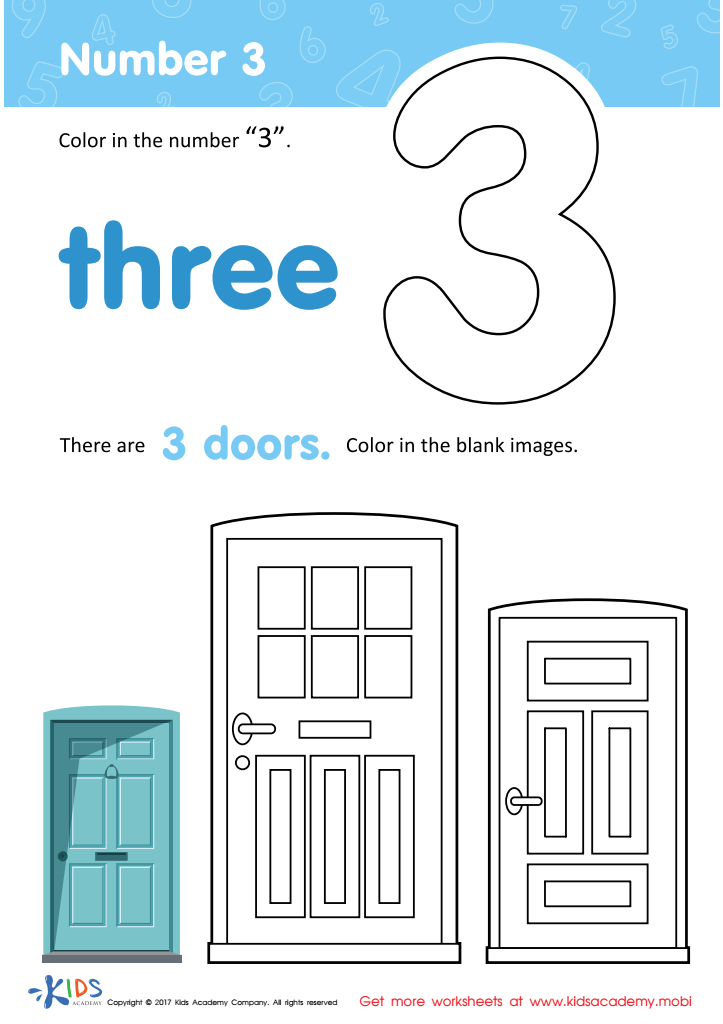
Number 3 Worksheet
 Assign to My Students

Counting on the City Skyline: Dot-to-Dot Worksheet







Counting practice for children ages 3-7 is vital for several reasons. First, it lays the foundation for mathematical understanding and skills that will be essential throughout their education. Engaging in counting activities helps children grasp number recognition, one-to-one correspondence, and the basic concept of quantities.
Moreover, counting contributes to cognitive development. It enhances critical thinking and problem-solving abilities as children learn to classify, compare, and order numbers. The repetitive nature of counting also helps strengthen memory skills, which are important for overall learning.
Parents and teachers should also recognize that counting is not just about numbers—it's about creating a fun, interactive experience. Counting games, songs, and everyday activities allow for enthusiastic learning, promoting social skills and cooperation among peers.
Additionally, early counting practice can help identify any potential learning difficulties, allowing for timely interventions. As children gain confidence in their counting abilities, their overall self-esteem builds, leading to a more positive attitude toward learning.
Overall, prioritizing counting practice in early education fosters a love for learning and equips children with essential skills that will be valuable throughout their academic journey and beyond.








