Logical Reasoning Easy Worksheets for Ages 3-7
8 filtered results
-
From - To
Discover our engaging "Logical Reasoning Easy Worksheets for Ages 3-7" designed to boost critical thinking and problem-solving skills in young learners. These printable worksheets feature a variety of challenges tailored to early education, promoting logical reasoning through fun and interactive exercises. Children will explore patterns, categorization, and sequencing in an enjoyable format that encourages cognitive development. Perfect for parents and teachers wanting to enhance learning at home or in the classroom, our resources simplify concepts and foster creativity. Dive into a world of logic with worksheets that make learning exciting and effective for your little ones!
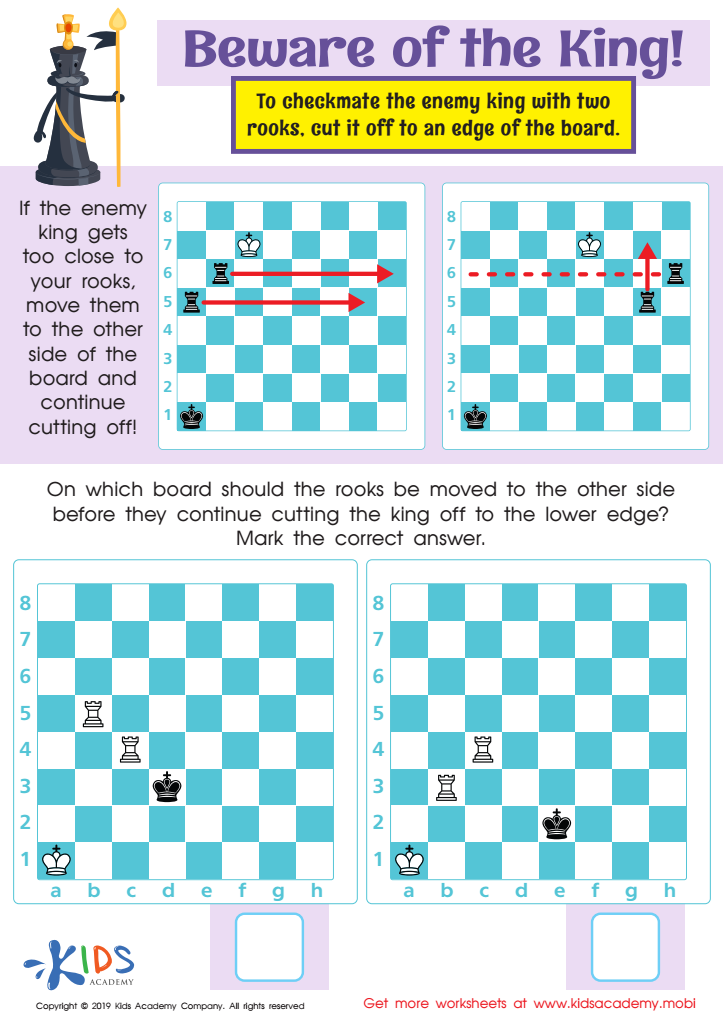
Beware of the King! Worksheet

Dogs, Dogs Worksheet
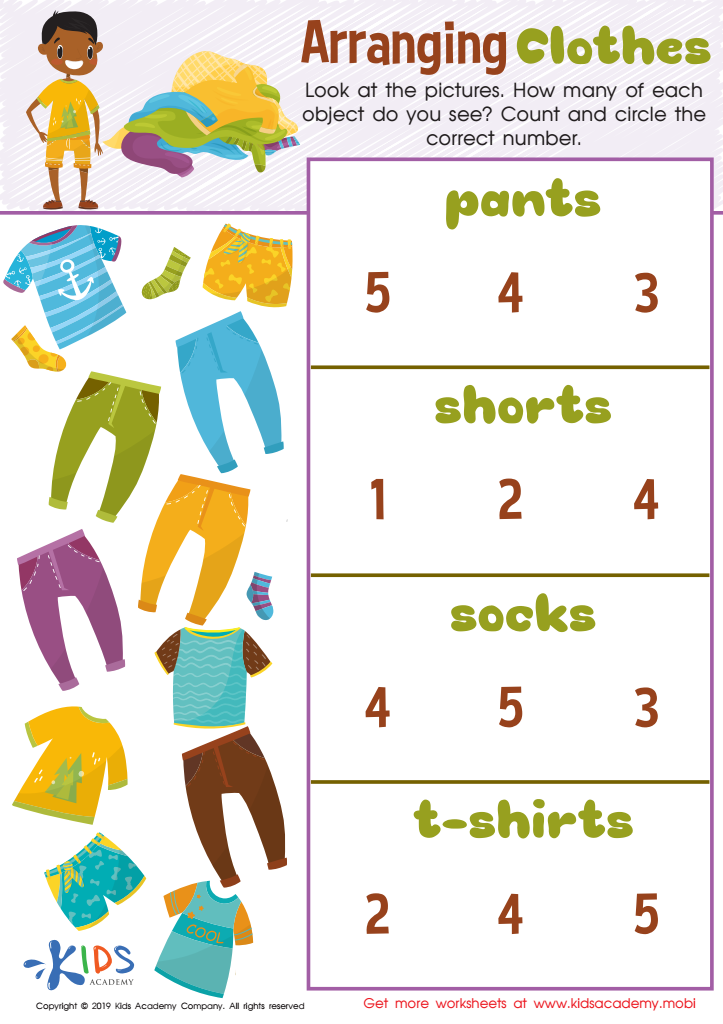
Arranging Clothes Worksheet
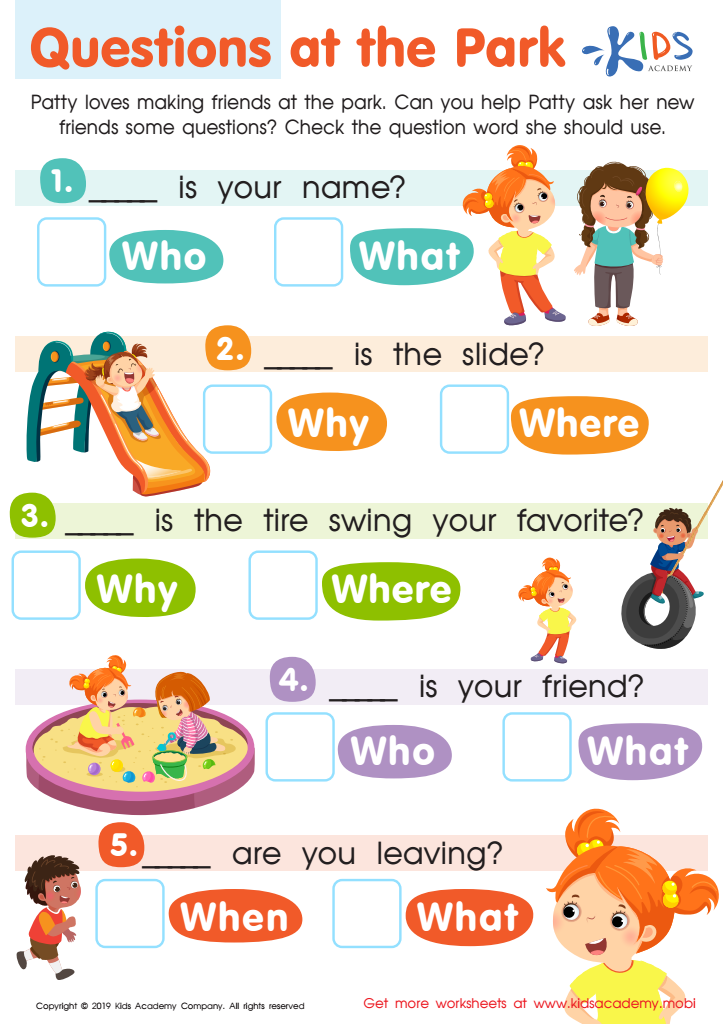
Questions at the Park Worksheet
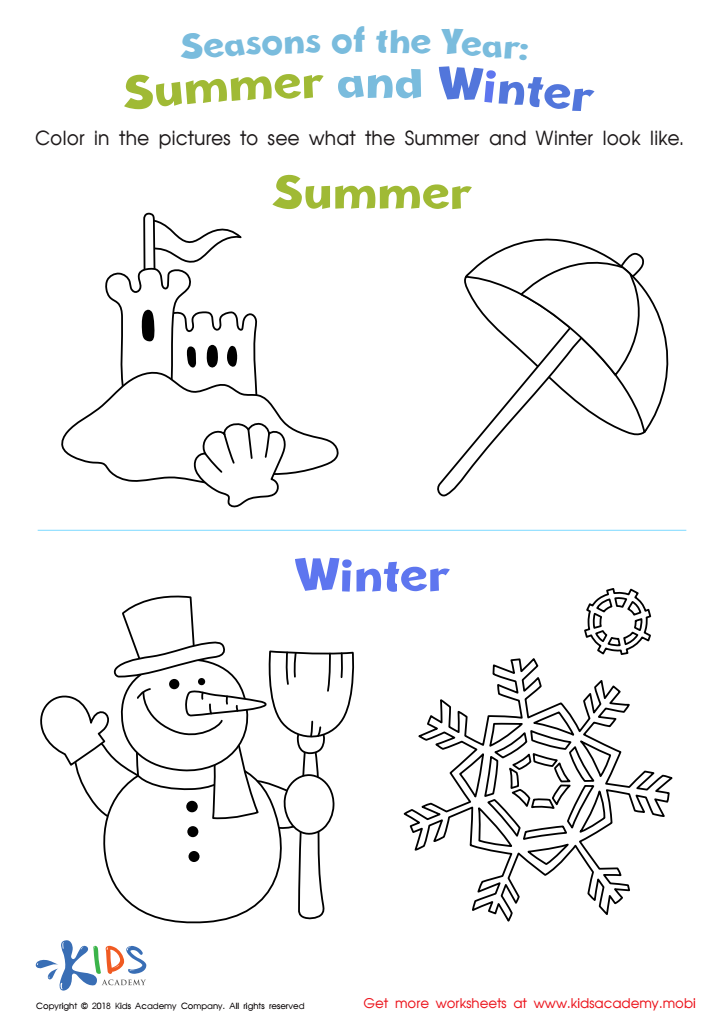
Summer and Winter Worksheet
 Assign to My Students
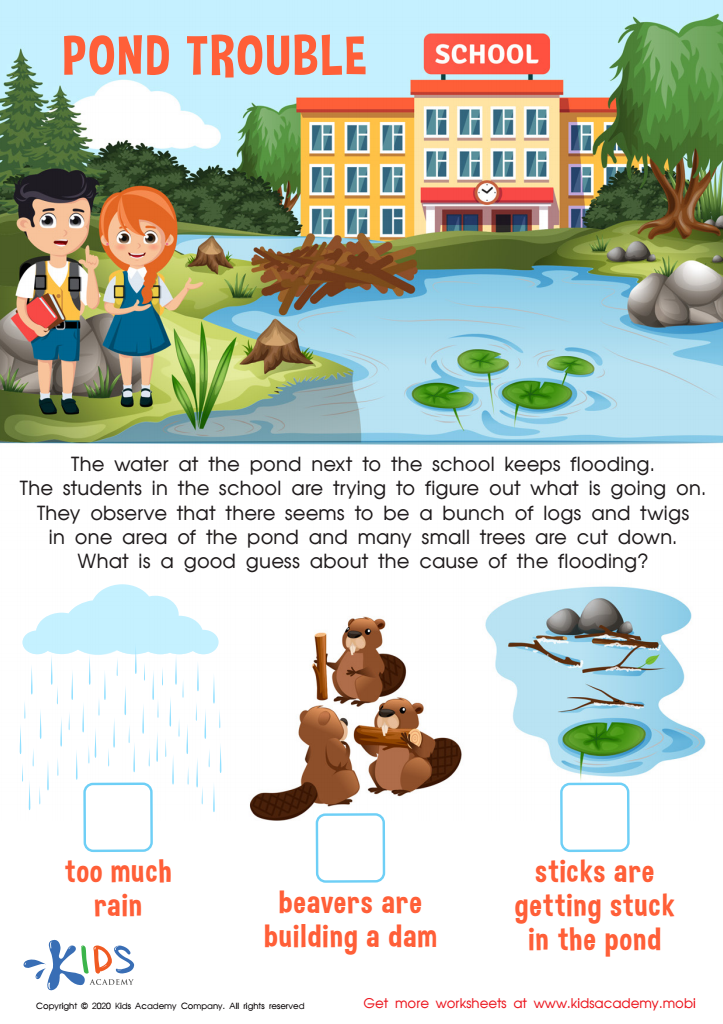
Pond Trouble Worksheet
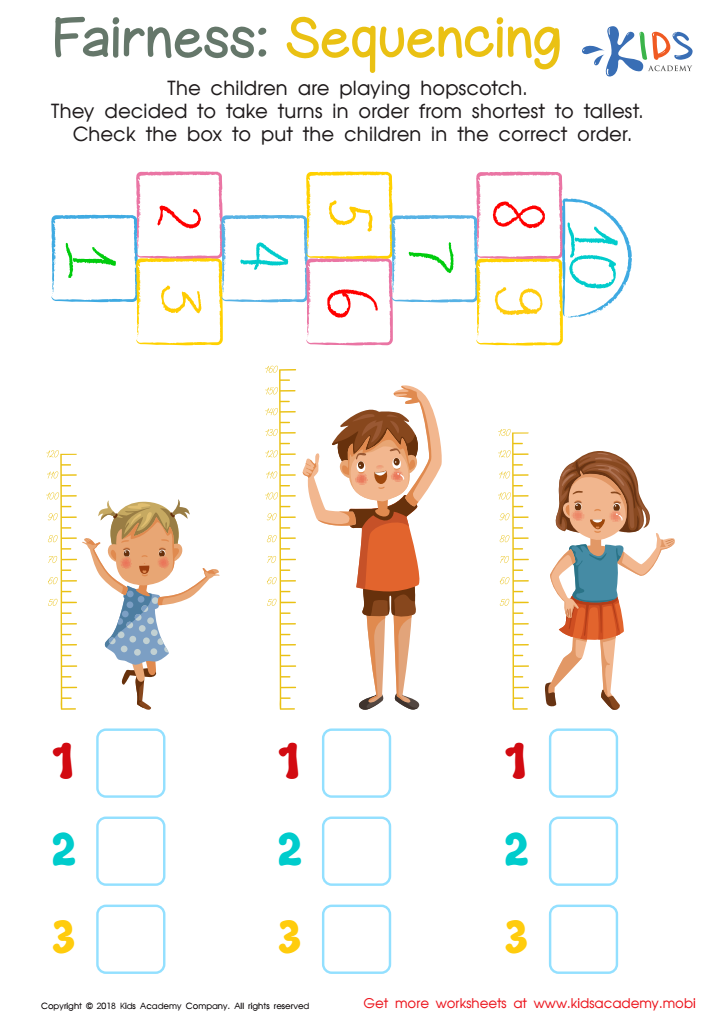
Fairness: Sequencing Worksheet
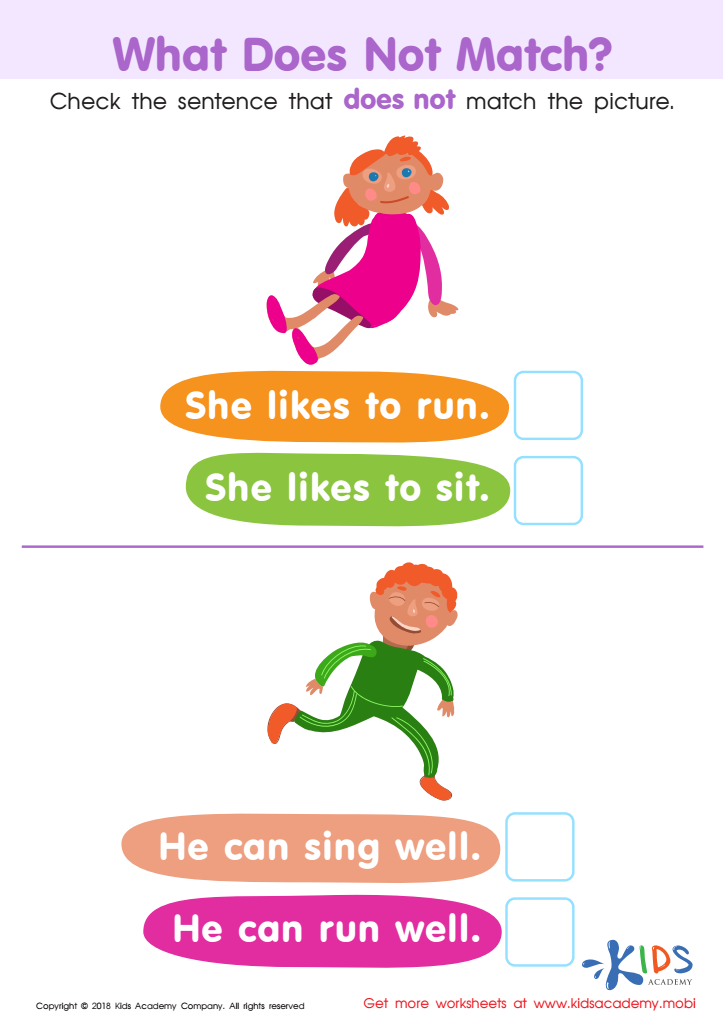
What Does Not Match? Worksheet







Parents and teachers should prioritize logical reasoning skills for children aged 3-7 because these abilities serve as the foundation for critical thinking and problem-solving throughout life. At this developmental stage, children are naturally curious and eager to explore their surroundings. Engaging them in logical reasoning activities encourages analytical thinking, helping them to make connections between ideas, draw conclusions, and understand causality.
Logical reasoning also enhances language skills, as children learn to articulate their thought processes and express their understanding clearly. This age group often struggles with impulse control and decision-making; therefore, teaching logical reasoning can help them think before acting, fostering smarter choices.
Moreover, logical reasoning plays a vital role in academic success. Whether it’s math, science, or reading comprehension, the ability to reason logically enriches a child's capacity to grasp new concepts and solve problems. Early exposure to logical reasoning prepares children for future learning challenges, ensuring they develop the resilience and confidence necessary for lifelong education.
Incorporating fun activities that promote logical thinking not only captivates children's attention but also creates a meaningful bonding experience between parents, teachers, and students, ultimately contributing to a child's holistic development.








