Addition skills Easy Numbers Worksheets for Ages 3-7
5 filtered results
-
From - To
Boost your child's math confidence with our "Addition Skills Easy Numbers Worksheets for Ages 3-7." This collection is designed to make learning fun and engaging for young learners. Each worksheet uses colorful illustrations and simple problems to help children build a strong foundation in basic addition. Our worksheets are perfect for home or classroom use, providing step-by-step guidance and age-appropriate challenges. Whether your child is just beginning to recognize numbers or ready to start adding, these resources ensure a smooth progression through essential addition skills. Give your child the head start they deserve with our expertly crafted materials.
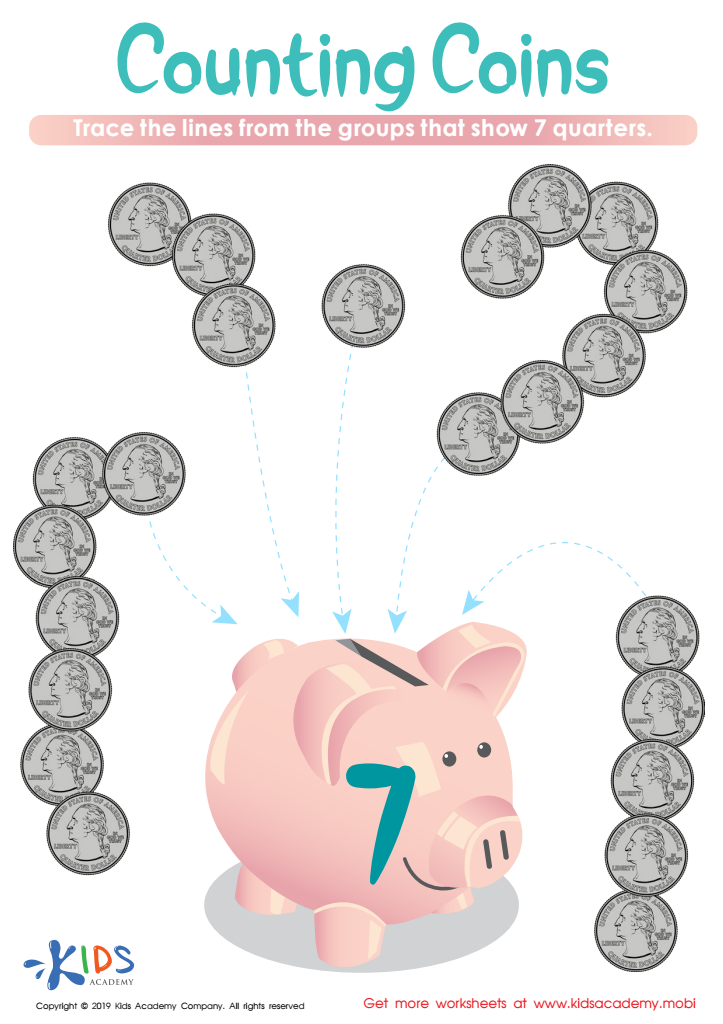
Counting Coins Worksheet
 Assign to My Students
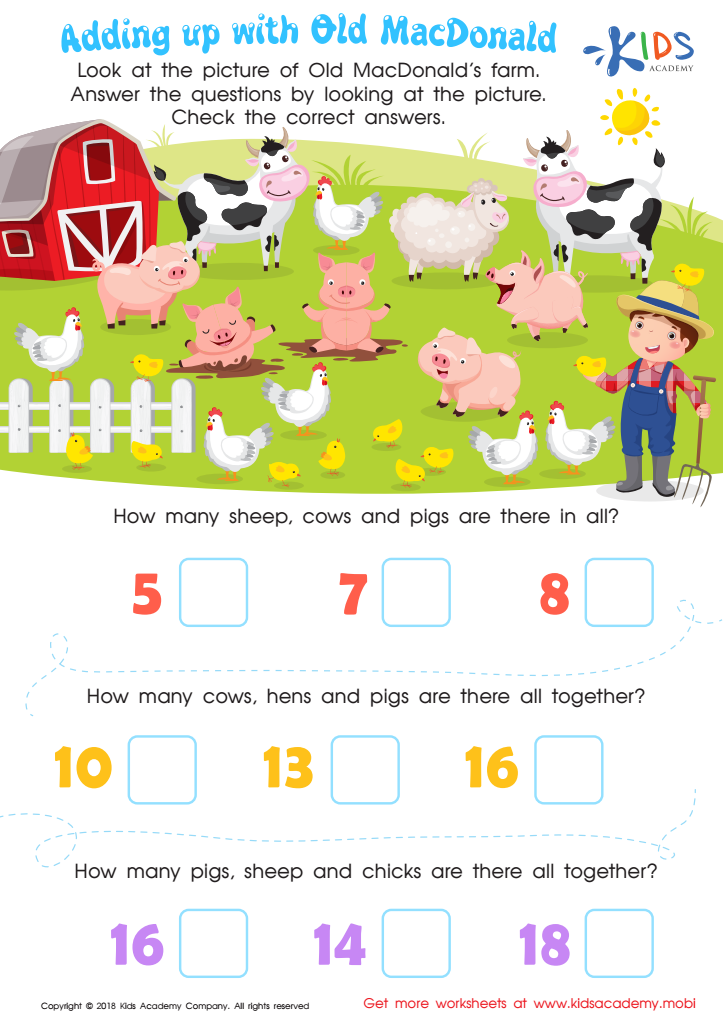
Adding Up with Old MacDonald Worksheet
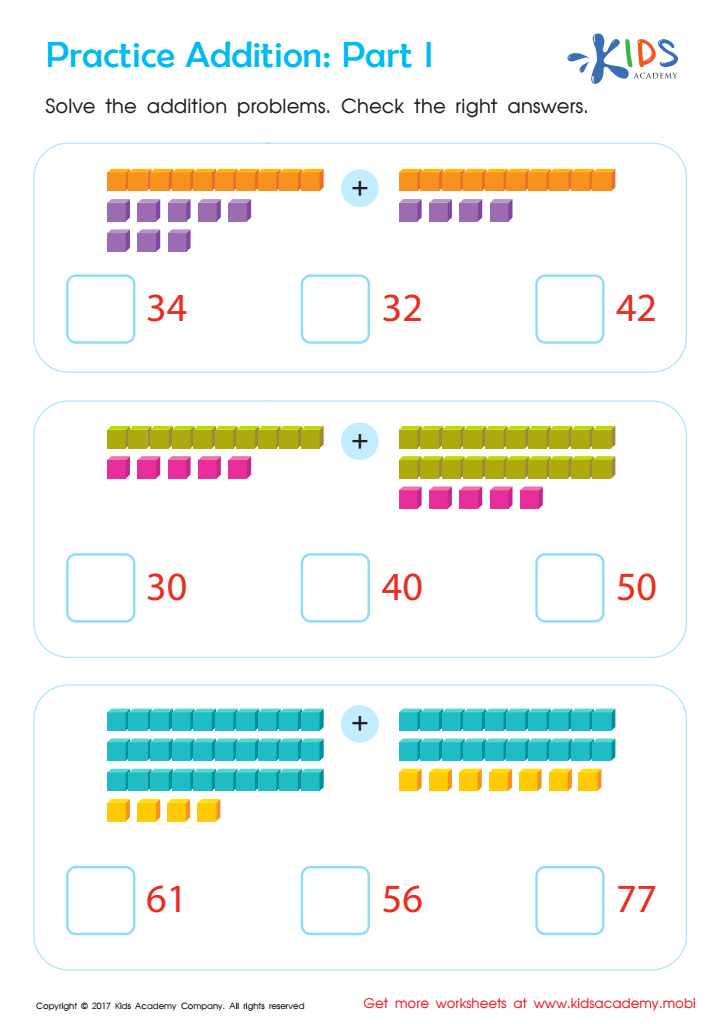
Practice Addition: Part 1 Worksheet
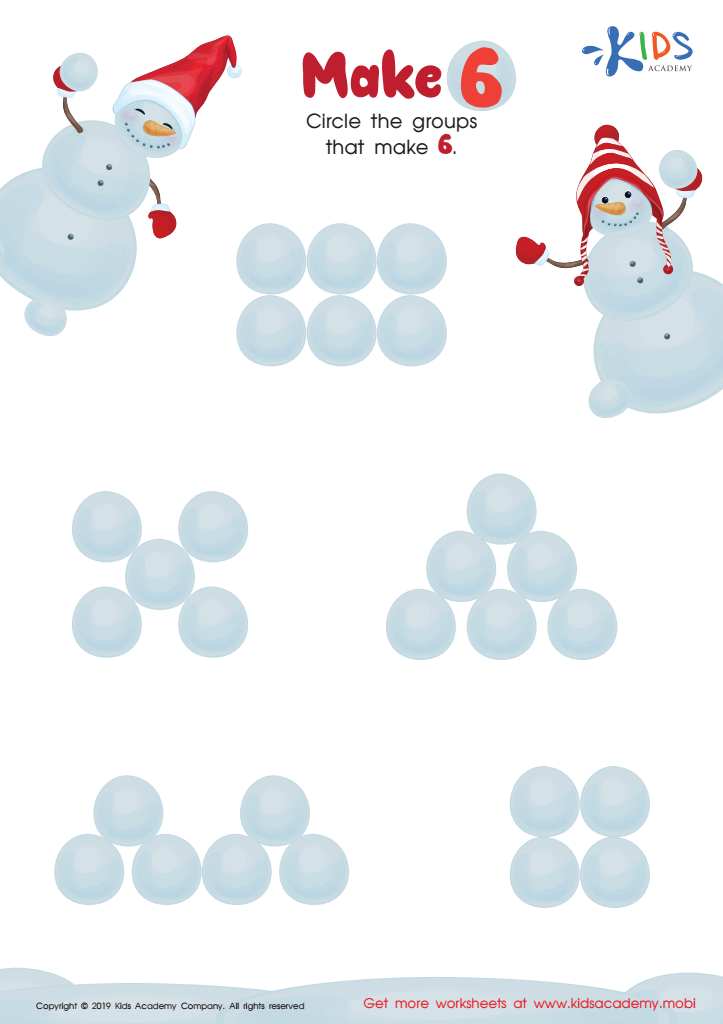
Make 6 Worksheet
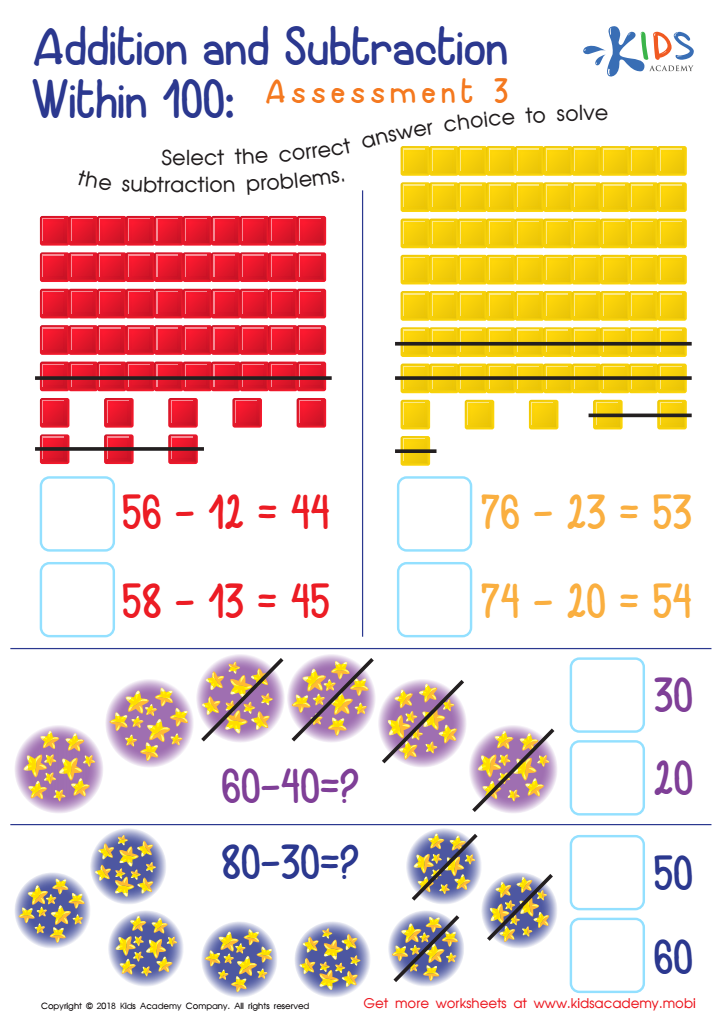
Addition and Subtraction Within 1: Assessment 3 Worksheet






%20(1).jpg)

Developing addition skills with easy numbers for children aged 3-7 is foundational for several reasons. At this critical stage in a child's cognitive development, simple number addition helps in building a strong mathematical foundation. Early exposure to basic math concepts promotes numeric familiarity and provides the necessary building blocks for more complicated math problems encountered later.
Fostering addition skills in young children also enhances various cognitive abilities such as problem-solving, logical thinking, and critical reasoning. When children practice easy addition, they learn to recognize patterns and understand the concept of quantity, which are vital skills in everyday decision-making and academic success.
Moreover, mastering these initial math skills can significantly boost a child's confidence and encourage a positive attitude towards learning math. Early success in addition can instill a love for numbers, making future math lessons less intimidating and more enjoyable.
Parental and educator support is crucial in this learning phase as young children benefit immensely from repeated, hands-on practice and positive reinforcement. Using engaging, interactive methods—such as math games, manipulatives, and real-life scenarios—can make learning addition fun and relatable, ensuring children grasp these essential skills effectively and enjoy the learning process.








