Fine Motor Skills Easy Numbers Worksheets for Ages 3-7 - Page 2
28 filtered results
-
From - To
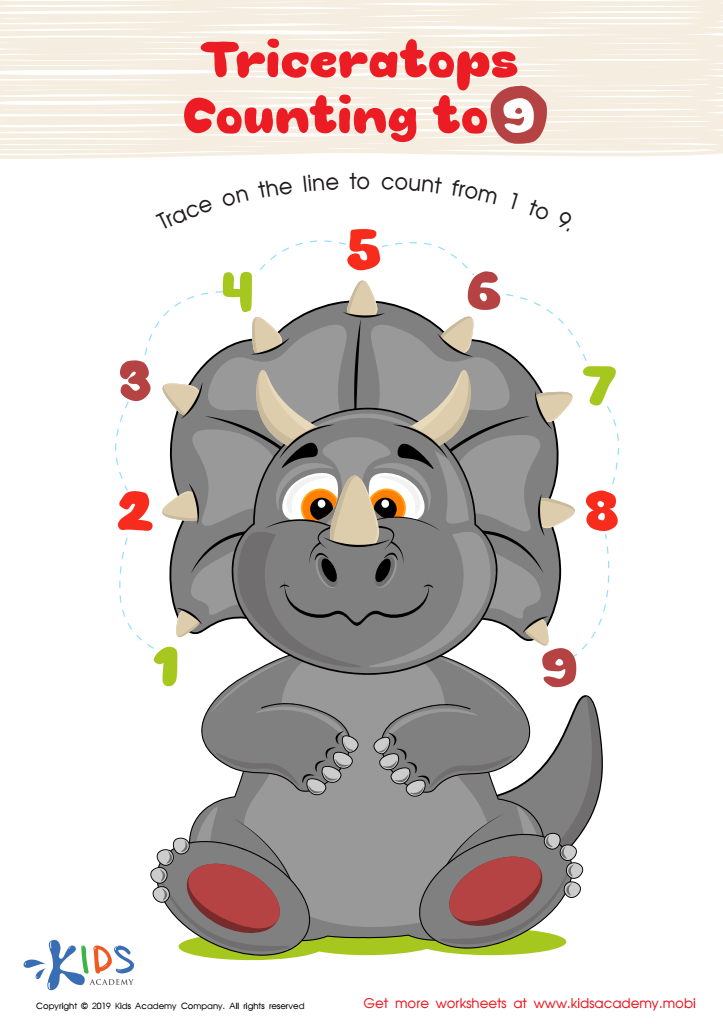
Triceratops Counting to 9 Worksheet
 Assign to My Students

Counting on the City Skyline: Dot-to-Dot Worksheet
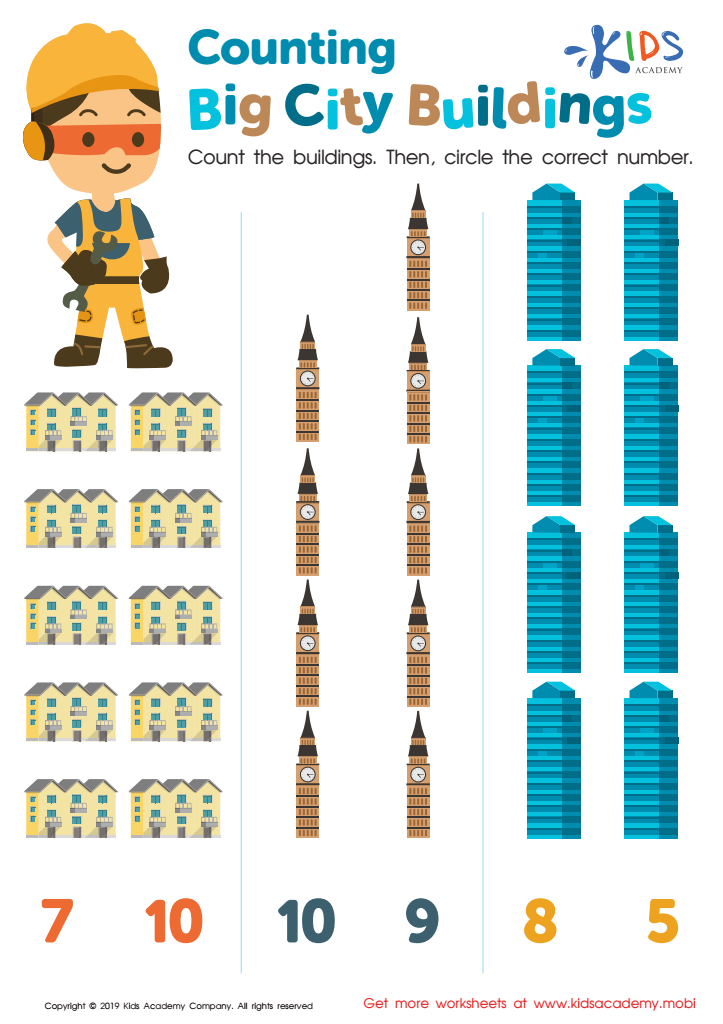
Counting Big City Buildings Worksheet

Night Sky Numbers Worksheet








Parents and teachers play a vital role in fostering the development of children's fine motor skills, especially during the critical ages of 3-7. Fine motor skills refer to the small movements of the hands, wrists, fingers, feet, toes, lips, and tongue. These skills are essential for performing everyday tasks such as writing, buttoning clothes, tying shoelaces, and opening lunch boxes.
Focusing on fine motor skill development at an early age helps prepare children for academic success. At ages 3-7, children are introduced to numbers, letters, and basic handwriting. Developing strong fine motor skills makes it easier for children to hold a pencil correctly, form letters and numbers accurately, and develop hand-eye coordination.
Moreover, activities that encourage fine motor skills—such as tracing numbers, using manipulatives, or engaging in crafts—are cognitively stimulating. They enhance a child’s ability to concentrate, follow instructions, and understand spatial relationships, laying the groundwork for more complex math and science concepts in later years.
Additionally, strengthening fine motor skills early can boost children's confidence and independence. When children can perform tasks without significant struggle, they gain a sense of achievement and are more inclined to explore new learning opportunities with enthusiasm.
In summary, parents and teachers should prioritize fine motor skill development in early childhood, as it is fundamental to academic achievement, cognitive processing, and self-confidence.








