Basic Math Skills Easy Math Worksheets for Ages 3-7 - Page 2
28 filtered results
-
From - To
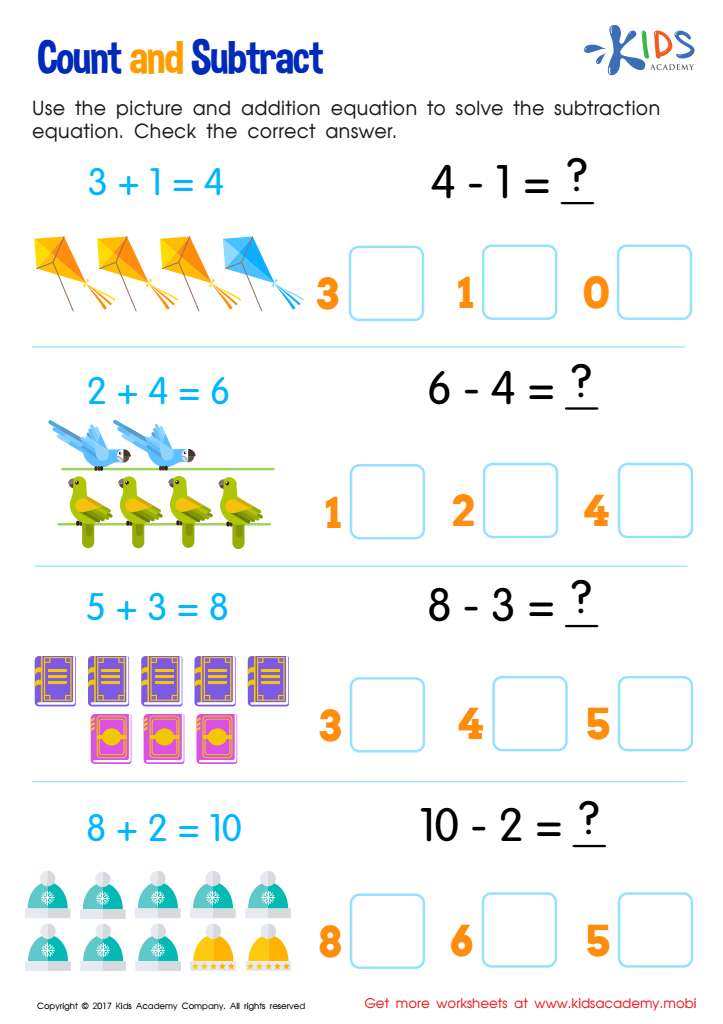
Count and Subtract Worksheet
 Assign to My Students
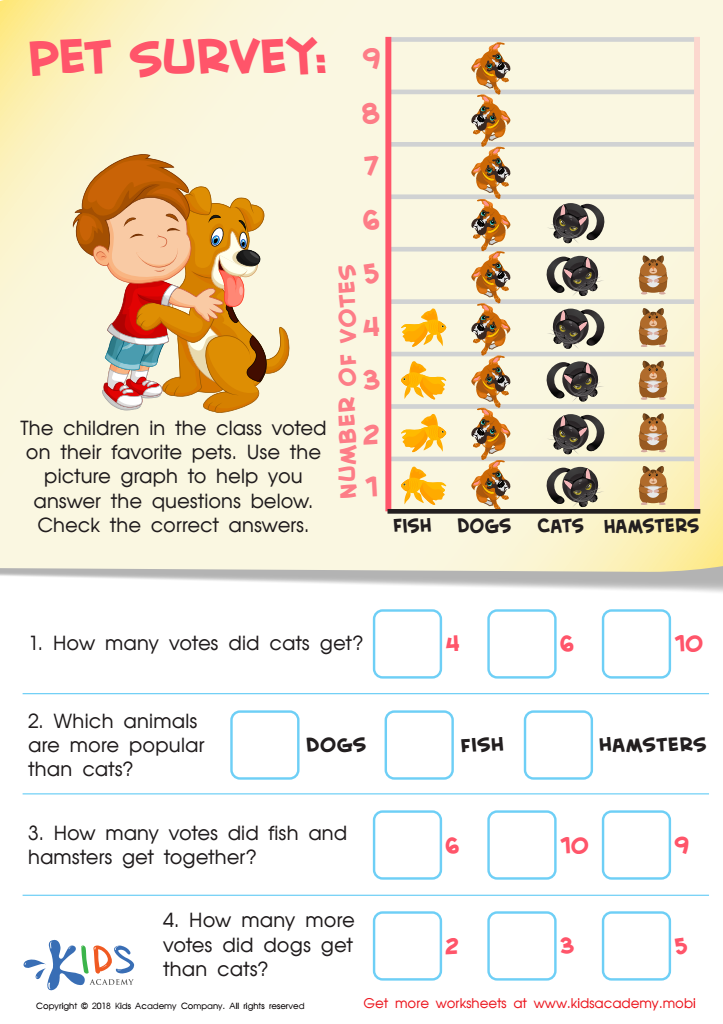
Pet Survey Worksheet
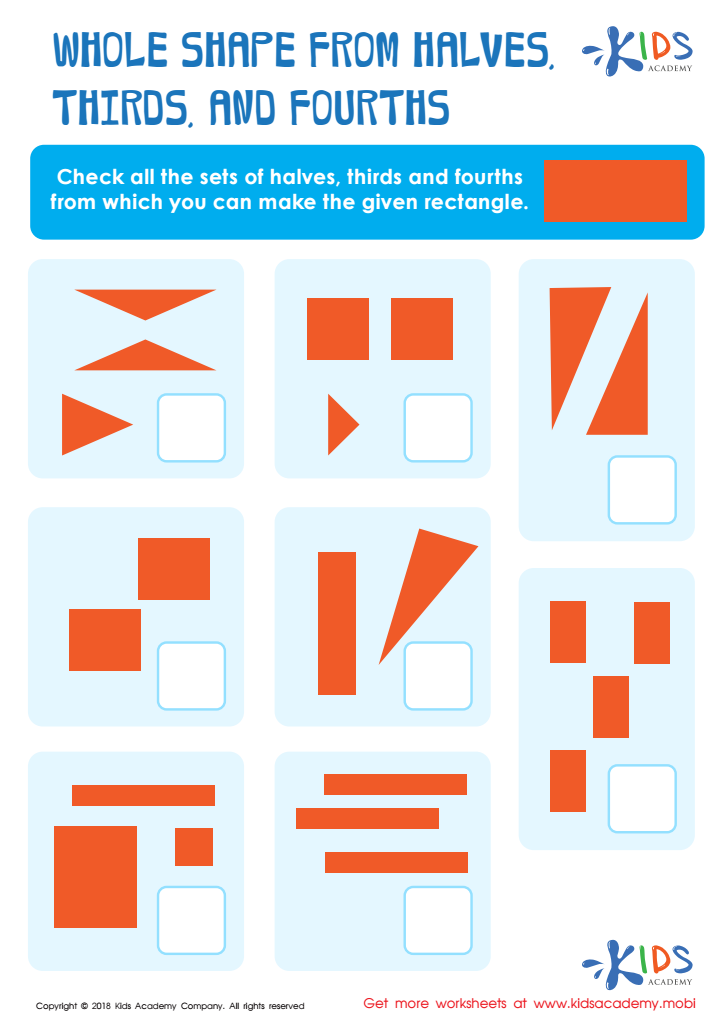
Whole Shape from Halves, Thirds and Fourths Worksheet
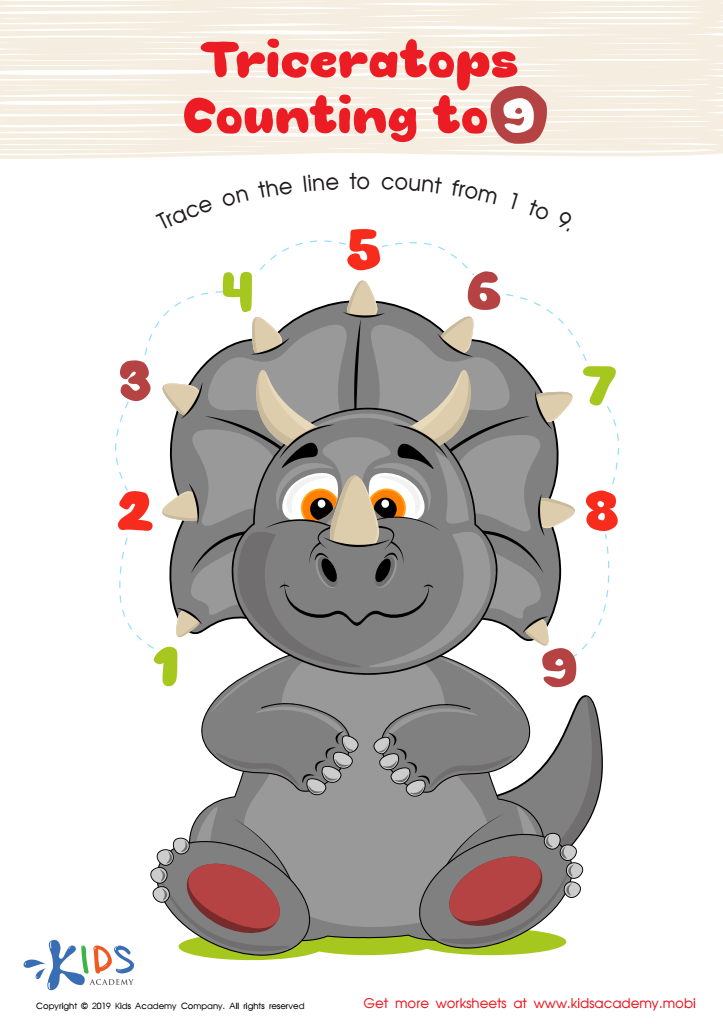
Triceratops Counting to 9 Worksheet








Parents and teachers should prioritize Basic Math Skills for children ages 3-7 because early math knowledge lays a critical foundation for academic success and real-life problem-solving. During these formative years, kids are naturally curious and eager to explore their world, making it the perfect time to introduce fundamental concepts like counting, number recognition, and basic operations.
Developing math skills enhances cognitive abilities, encouraging logical thinking, pattern recognition, and critical reasoning. These skills not only support future mathematics learning but are also applicable in everyday situations, such as sorting objects, measuring ingredients while cooking, or managing money during play.
Engagement in math activities fosters confidence, perseverance, and a positive attitude toward learning, which are essential traits for personal and academic growth. Additionally, children who grasp math concepts early are more likely to pursue advanced studies in STEM (Science, Technology, Engineering, Mathematics) fields.
Furthermore, the social aspect of learning math—whether collaborating on activities in a classroom or exploring concepts during family games—offers opportunities for communication and teamwork. Overall, emphasizing Basic Math Skills is an investment in a child's confidence, academic readiness, and lifelong problem-solving abilities, making it crucial for parents and teachers alike.








