Develop problem-solving abilities Easy Math Worksheets for Ages 3-7
3 filtered results
-
From - To
Discover the fun of learning math with our "Easy Math Worksheets for Ages 3-7". Specially designed to develop problem-solving abilities in young minds, these worksheets cover essential math skills through exciting activities. Each printout captivates children with engaging tasks that make learning enjoyable and boosts their confidence. By working through puzzles, patterns, and simple equations, kids enhance critical thinking and analytical skills. Ideal for preschoolers and early graders, the worksheets ensure a solid math foundation, sparking curiosity and a love for math. Visit our page to download and start a magical math journey today!
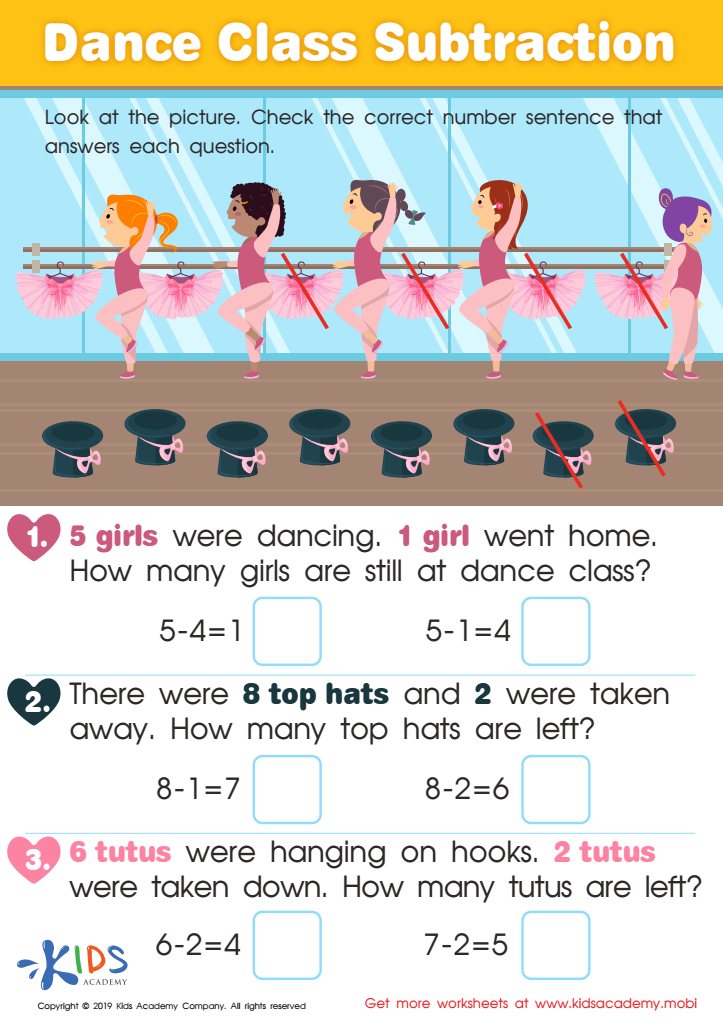
Dance Class Subtraction Worksheet
 Assign to My Students
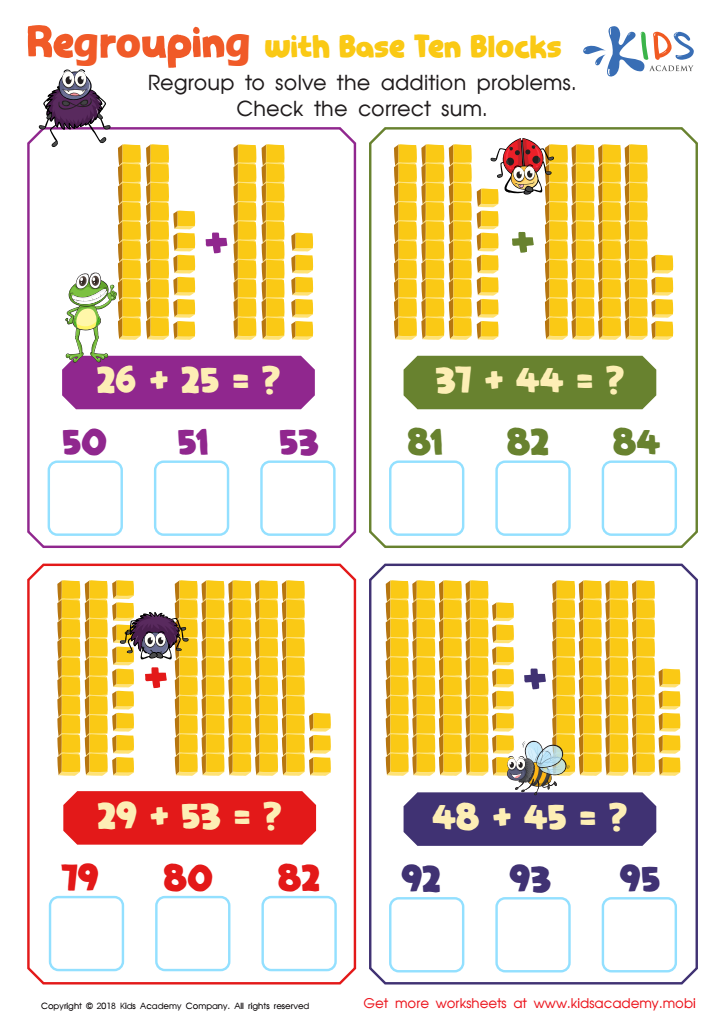
Regrouping With Base Ten Blocks Worksheet
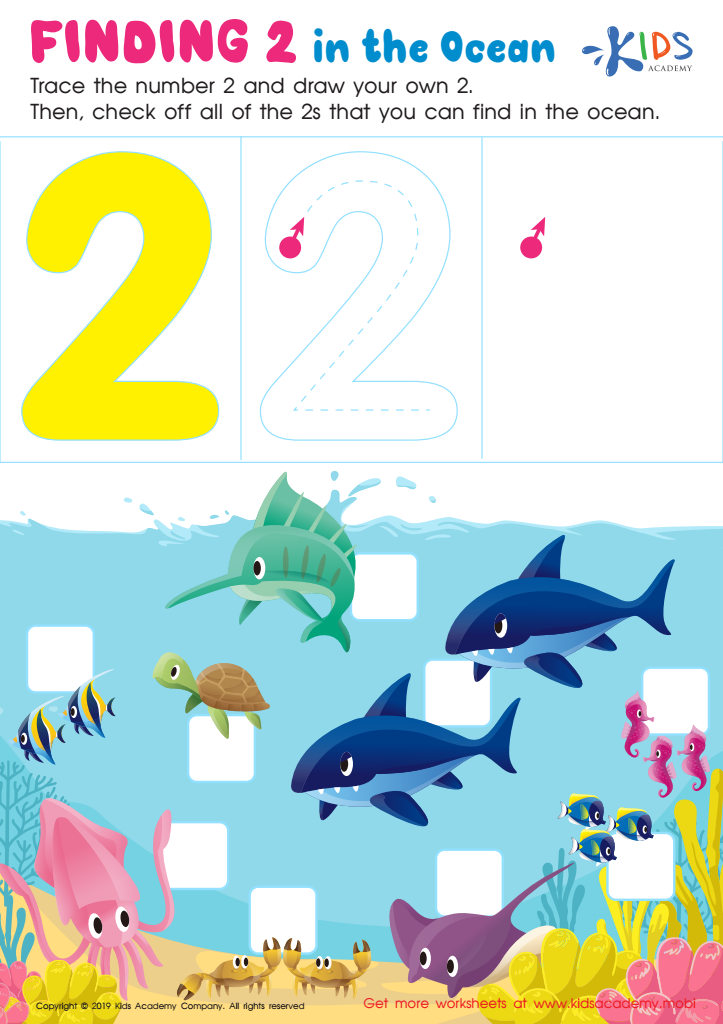
Finding 2: In the Ocean Worksheet







Developing problem-solving abilities in children aged 3-7 is crucial, and parents and teachers should prioritize teaching easy math for several reasons.
Firstly, early math skills lay the foundation for future academic success. Basic mathematical concepts such as counting, recognizing shapes, and understanding patterns boost cognitive development and enhance analytical thinking. These skills translate not only to more advanced math but also to other subjects like science, technology, and engineering.
Secondly, problem-solving teaches critical life skills. When children learn to tackle simple math problems, they develop patience, persistence, and logical reasoning. These skills are essential for navigating everyday challenges, making decisions, and becoming independent learners.
Furthermore, introducing math at a young age makes learning fun and engaging. Using playful methods such as games, puzzles, and hands-on activities keeps children interested and excited about learning. This positive experience with math builds confidence and reduces math anxiety, making children more likely to tackle complex problems as they grow.
Moreover, early math skills have a positive impact on social development. Group activities involving problem-solving can improve communication and teamwork, helping children learn to collaborate and share ideas.
In conclusion, focusing on developing problem-solving abilities through easy math activities is essential for cognitive growth, skill acquisition, and fostering a positive attitude toward learning, making it a vital component of early childhood education.








