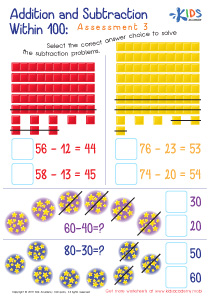
Understanding sequencing Easy Numbers 0–10 Worksheets for Ages 3-7
3 filtered results
-
From - To
Discover our "Understanding Sequencing Easy Numbers 0–10" worksheets, designed specifically for children aged 3-7. These engaging and interactive resources help young learners master the concept of sequencing through fun activities and exercises involving numbers 0-10. By practicing with our worksheets, kids will enhance their counting skills, logical thinking, and number recognition in a playful way. Whether in the classroom or at home, our worksheets provide a fantastic foundation for early math skills. Perfect for developing essential cognitive abilities, these resources are an excellent choice for educators and parents seeking to make learning enjoyable and effective. Start your child's math journey today!
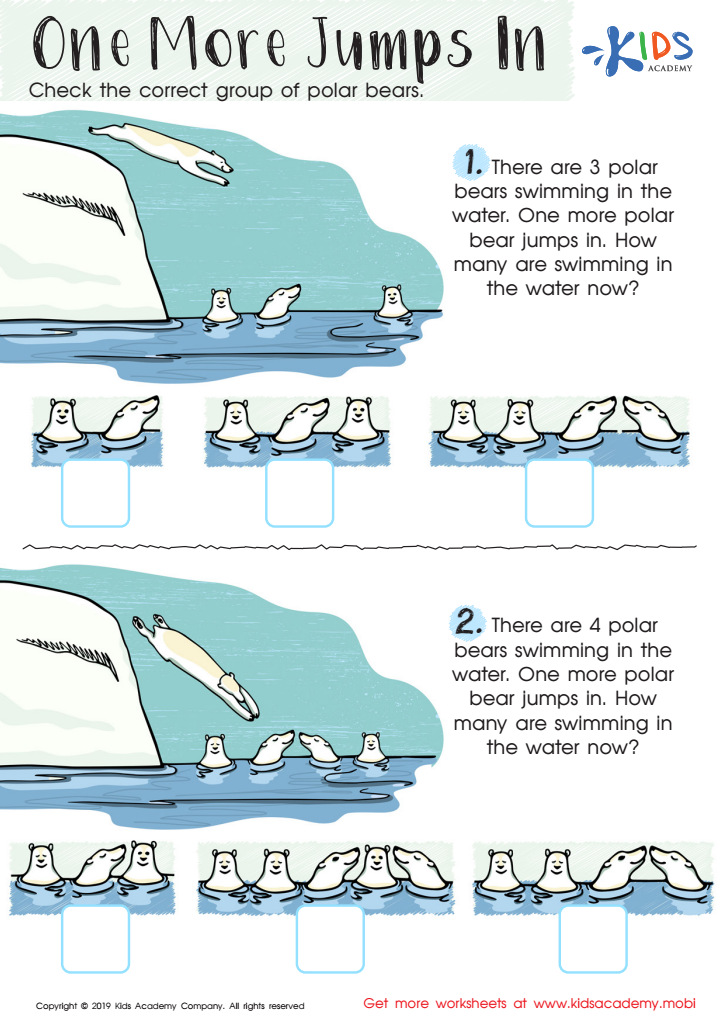
One More Jumps In Worksheet
 Assign to My Students
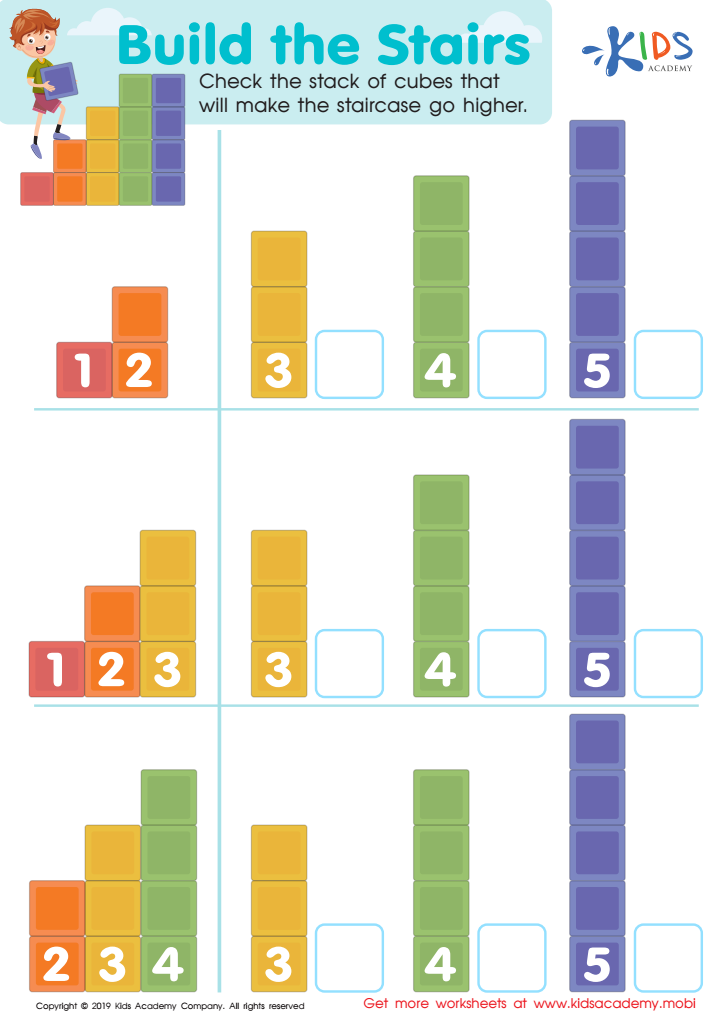
Build the Stairs Worksheet
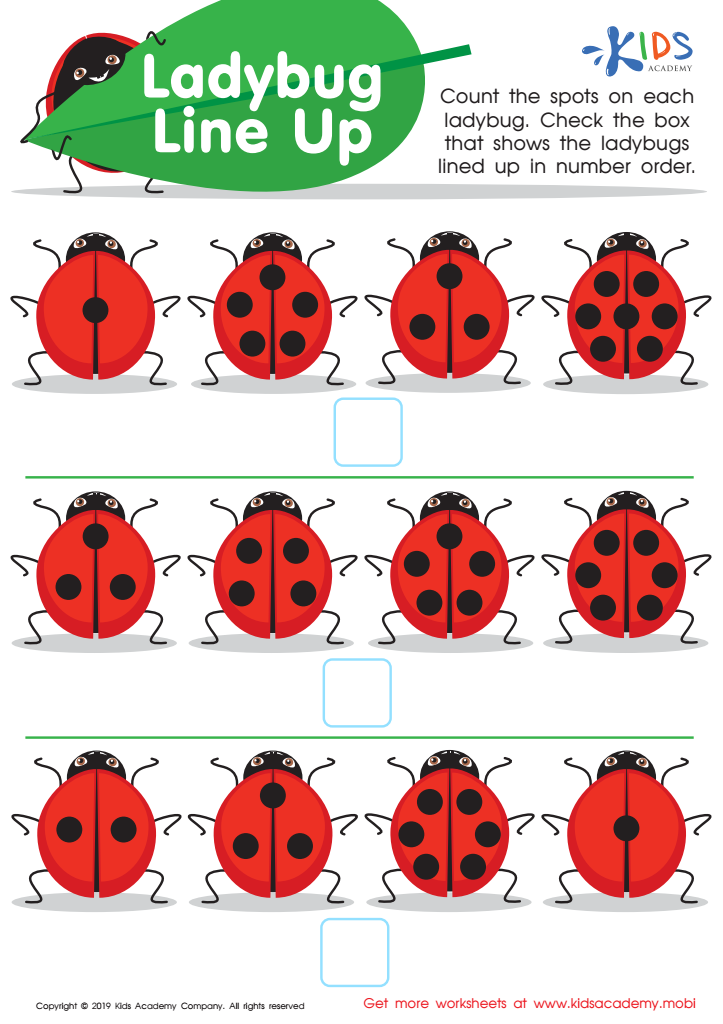
Ladybug Line Up Worksheet








Understanding sequencing simple numbers from 0 to 10 is crucial for children aged 3-7 as it lays the foundation for their mathematical skills and critical thinking. This fundamental concept helps children grasp the order and relationship between numbers, fostering a sense of organization and logical reasoning. When children learn to sequence numbers, they can better comprehend counting, addition, and subtraction, which are essential skills in more complex math concepts later on.
Moreover, sequencing boosts cognitive development by encouraging pattern recognition and memory skills. It cultivates an ability to predict outcomes based on existing sequences, enhancing their problem-solving abilities in various contexts, not just mathematics. Being fluent in sequencing also nurtures a sense of confidence in young learners, empowering them to tackle more advanced tasks.
For parents and teachers, facilitating this understanding can foster a positive learning environment where children feel supported and capable. Engaging with math games, activities, and real-world scenarios reinforces these skills in a fun and interactive manner. Overall, grasping the concept of sequencing numbers from 0 to 10 is not just about counting; it's a vital stepping stone towards developing strong analytical skills that children will use throughout their education and everyday life.