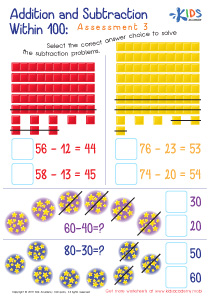
Hand-eye Coordination Easy Numbers 11–20 Worksheets for Ages 3-7
3 filtered results
-
From - To
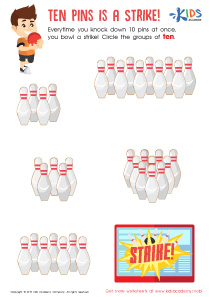
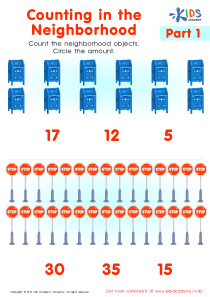
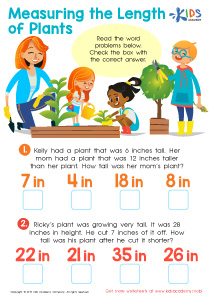
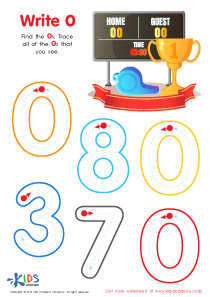
Discover fun and engaging Hand-eye Coordination Easy Numbers 11–20 Worksheets designed for children ages 3-7. These worksheets from Kids Academy promote the development of crucial hand-eye coordination skills through interactive activities tailored for young learners. Each exercise combines number recognition, counting, and tracing practice, helping kids effortlessly master numbers 11-20. The colorful, child-friendly designs are perfect for maintaining your child’s interest and making learning enjoyable. Perfect for classroom or at-home practice, these worksheets support foundational math skills and improve fine motor abilities, setting the stage for continued educational success. Download and start boosting your child’s skills today!
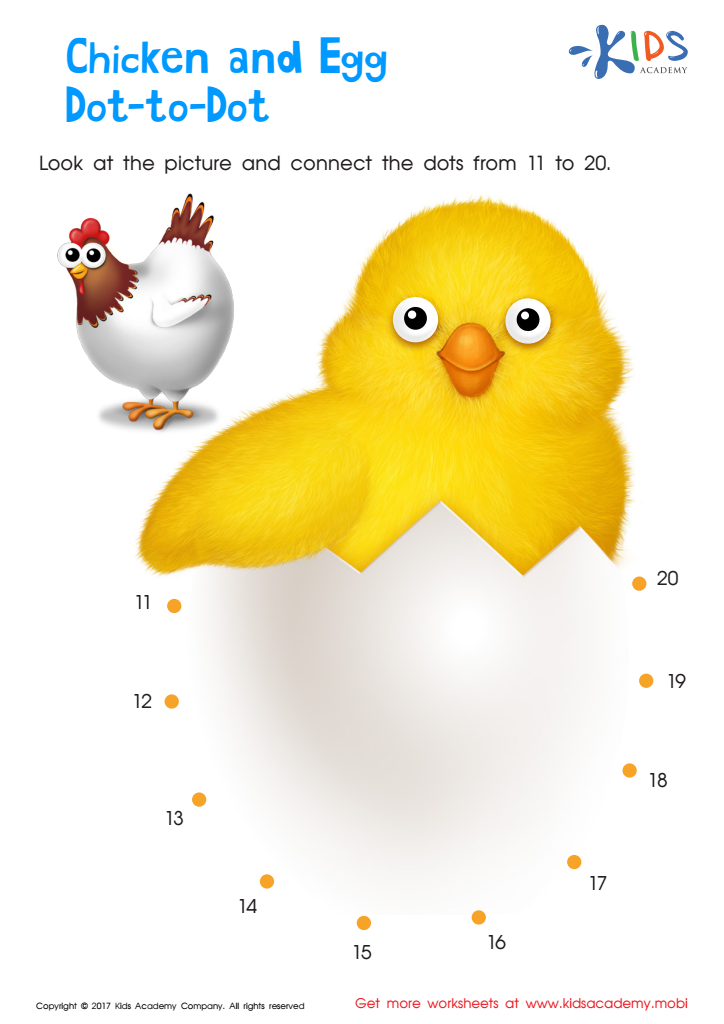
Ordering 11–20: Chicken & Egg Dot–to–dot Worksheet
 Assign to My Students
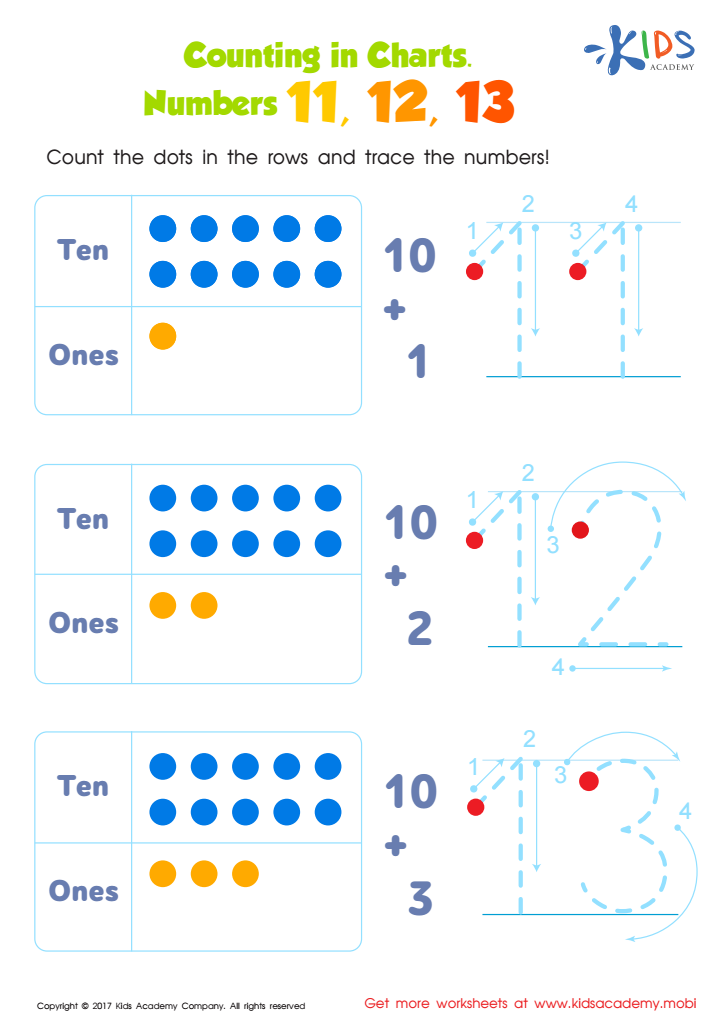
Number Tracing Worksheet For Kindergarten
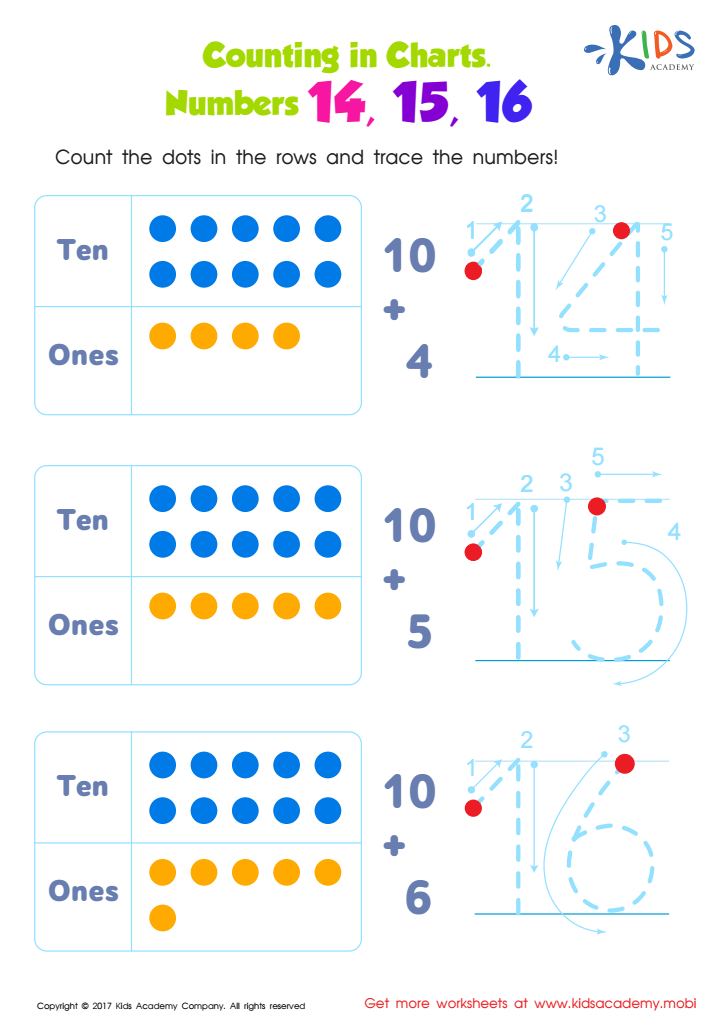
Number Tracing Worksheet



Hand-eye coordination is a crucial developmental skill for young children, intricately linked to cognitive, motor, and social abilities. Introducing activities focused on numbers 11–20 for children aged 3-7 boosts this skill significantly. At this stage, kids begin to recognize and understand numbers beyond the basic ten digits, which lays a strong foundation for future mathematical concepts.
Fostering hand-eye coordination with such activities not only helps in number recognition and sequencing but also enhances overall fine motor skills. These are essential for daily tasks such as writing, cutting with scissors, and even tying shoelaces. Incorporating numbers 11-20 engages children in pinpointing, tracing, and perhaps even arranging objects that correspond to these numbers, which requires both visual tracking and precise hand movement.
Moreover, these early experiences with numbers and coordination pave the way for better academic performance. They develop better concentration, memory, and problem-solving skills. Additionally, children who master hand-eye coordination tend to perform better in sports and other physical activities, boosting their confidence and social interaction skills. Hence, parents and teachers should prioritize these foundational exercises to ensure comprehensive developmental progress in early childhood.