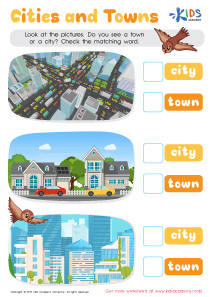
Number Recognition Easy Reading Worksheets for Ages 3-7
5 filtered results
-
From - To
Introduce your child to the exciting world of numbers with our "Number Recognition Easy Reading Worksheets for Ages 3-7." These worksheets are thoughtfully designed to nurture early math skills, making learning numbers a fun and engaging experience. Tailored specifically for young learners, our worksheets help children recognize and understand numbers, laying a solid foundation for future math success. Whether your child is just beginning to explore numbers or needs extra practice, our easy-to-follow and interactive activities ensure they develop strong number recognition skills in a playful and stress-free manner. Perfect for both classroom and home use!
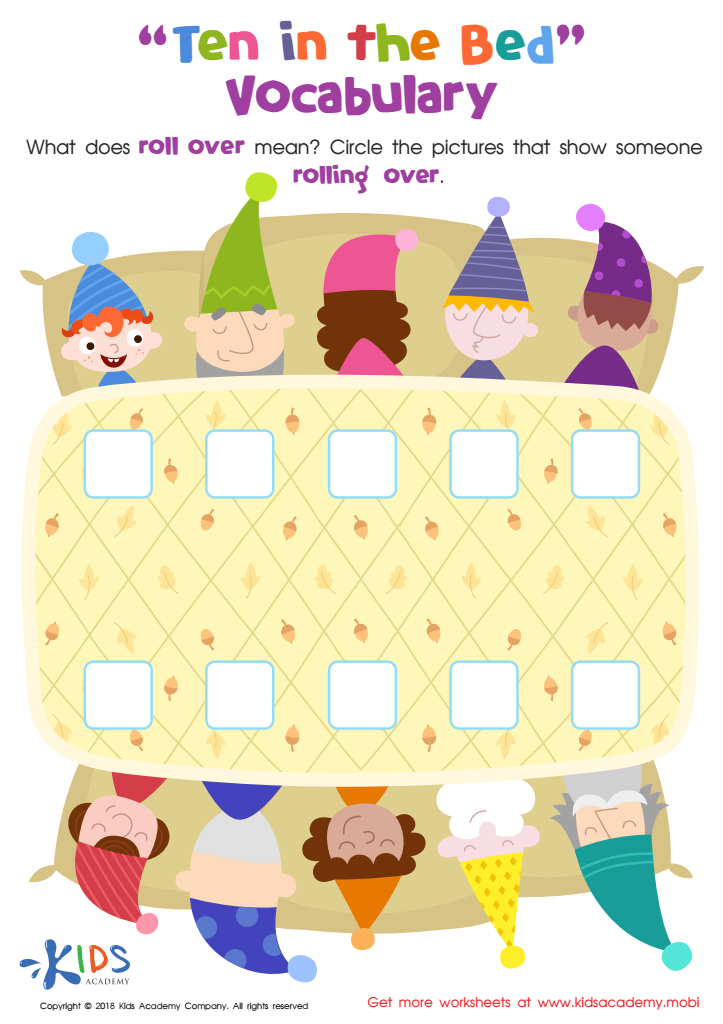
Ten in the Bed: Vocabulary Worksheet
 Assign to My Students
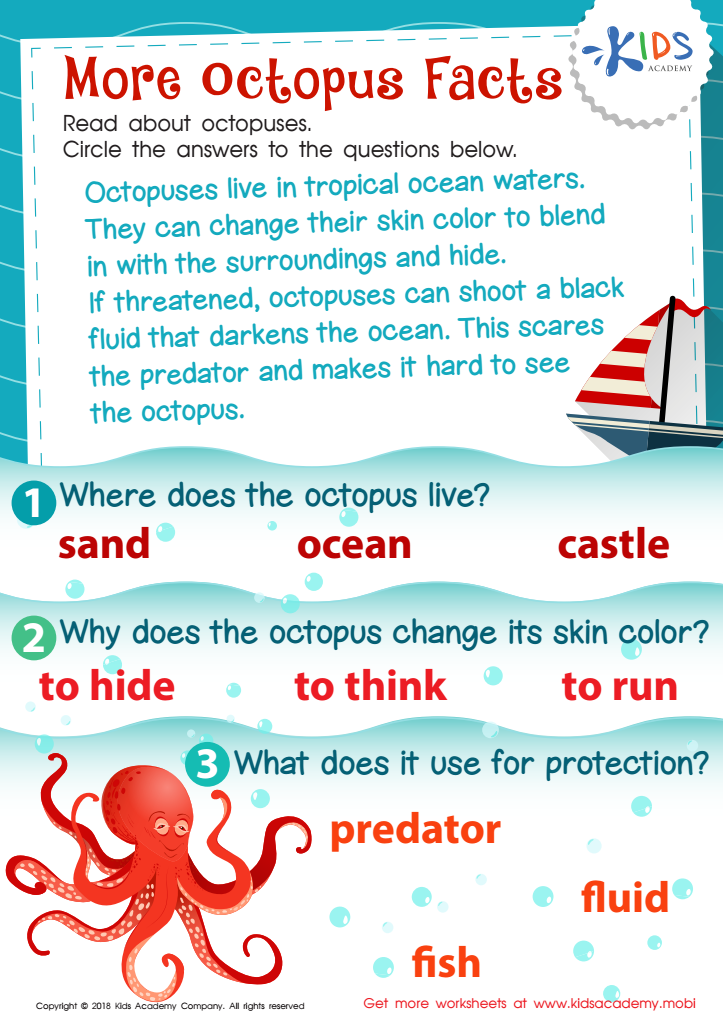
More Octopus Facts Worksheet
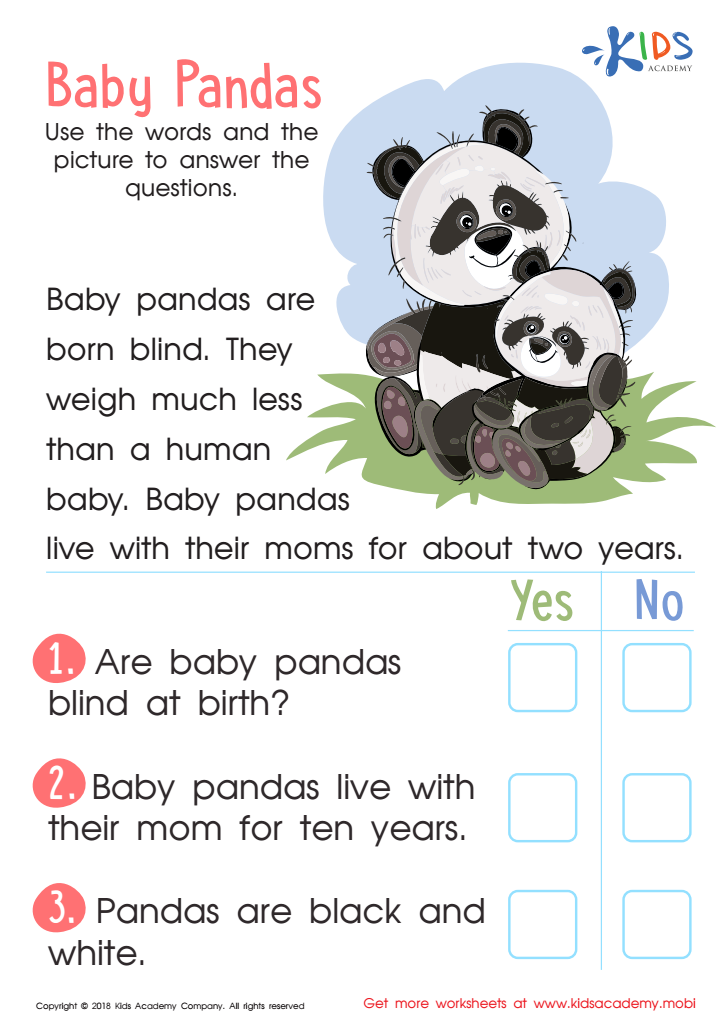
Baby Pandas Worksheet
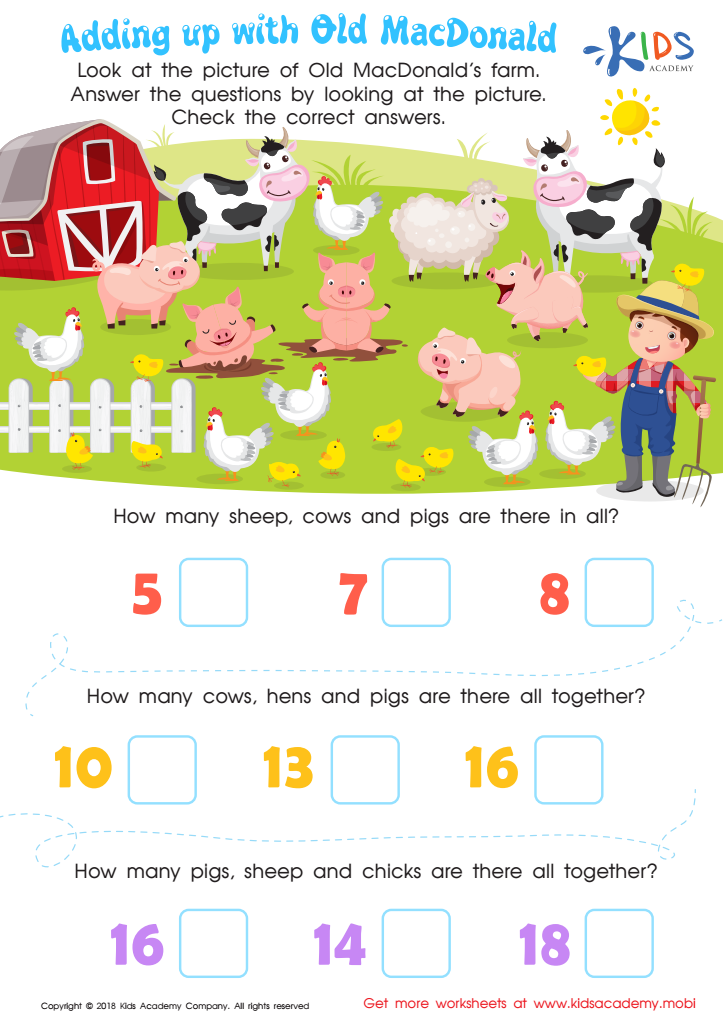
Adding Up with Old MacDonald Worksheet
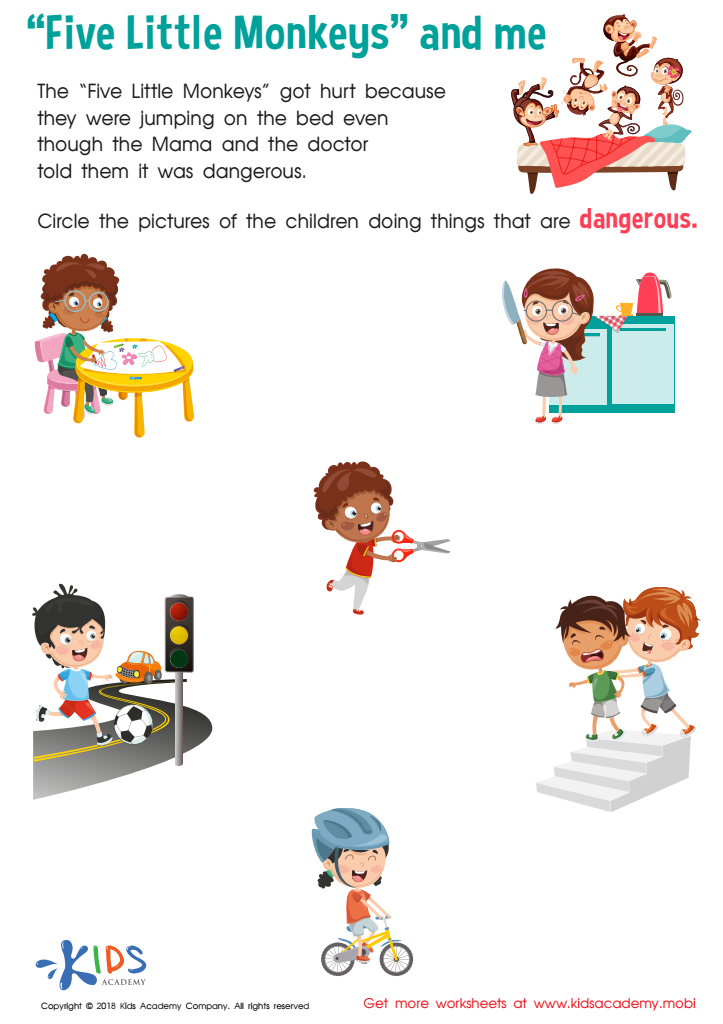
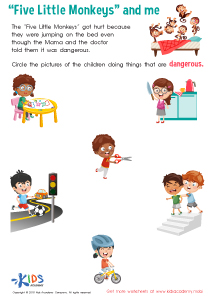
Five Little Monkeys and Me Worksheet


.jpg)





Number recognition is foundational for early childhood development and forms the basis for broader mathematical understanding. When parents and teachers prioritize number recognition easy reading for children aged 3 to 7, they set the stage for significant cognitive and academic benefits.
First, recognizing numbers enhances children's ability to engage with and understand the world around them. Numbers are everywhere, from clocks to prices to scores in games. Early fluency in number recognition equips children with essential life skills, fostering independence and confidence in everyday activities.
Moreover, number recognition promotes early mathematical skills such as counting, addition, and subtraction. By recognizing and understanding numbers, children can begin to perform simple calculations and understand basic concepts of quantity, which are crucial for their later academic success in math.
Additionally, number recognition aids in the development of problem-solving and critical thinking skills. These skills are not only essential for math but are also transferable to other areas of learning and everyday life.
Key to this is starting early. The ages of 3 to 7 represent a period where young minds are particularly receptive to new information. Introducing number recognition in a fun, engaging, and developmentally appropriate manner during this window capitalizes on their natural curiosity and ability to learn quickly. Thus, focusing on number recognition easy reading can profoundly impact a child's educational trajectory and overall development.