Cultural awareness Easy Social Studies Worksheets for Ages 3-7
3 filtered results
Difficulty Level
Grade
Age
-
From - To
Subject
Activity
Standards
Discover "Cultural Awareness Easy Social Studies Worksheets for Ages 3-7" designed to foster young minds in understanding diverse cultures. Our engaging, colorful, and educational worksheets help children develop cultural awareness from an early age through fun activities. Each worksheet offers exercises that introduce different traditions, languages, food, and lifestyles, cultivating empathy and acceptance in little learners. Perfect for homeschool or classroom settings, these worksheets support early learning skills while making cultural exploration an enjoyable adventure. Equip your child with the knowledge and appreciation of the diverse world around them through our thoughtfully crafted worksheets.
Favorites
With answer key
Interactive
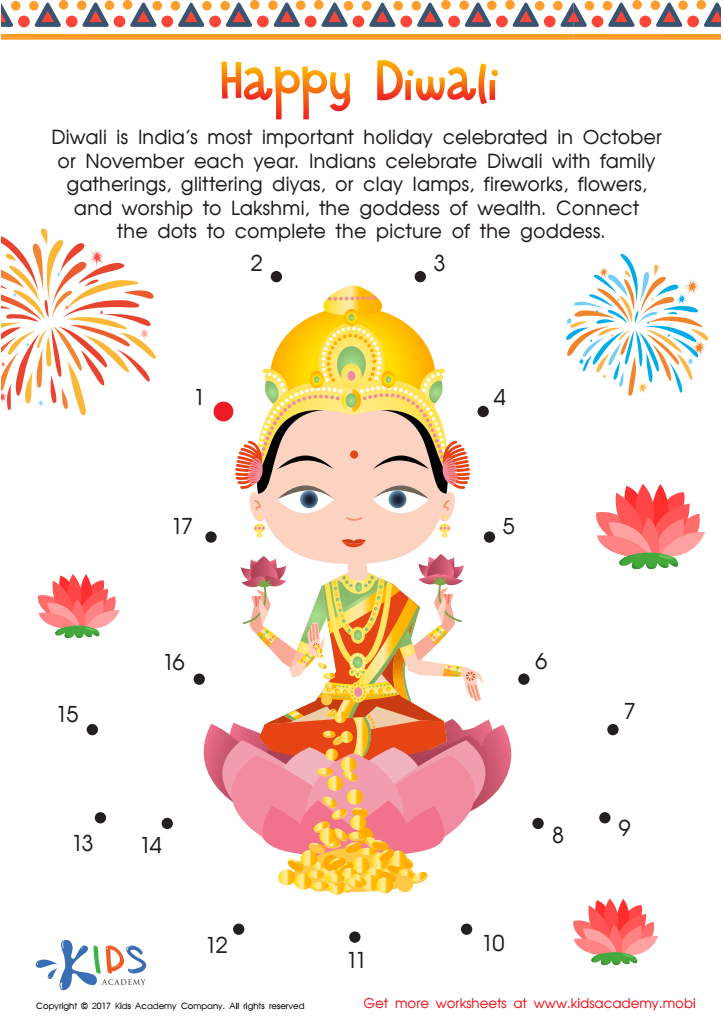
Happy Diwali Printable
Explore India this Diwali! Learn about India's most significant holiday, Diwali, with this fun-filled printable activity for kids. Your child can gain an appreciation for Indian culture with this Diwali dot to dot worksheet.
 Assign to My Students
Happy Diwali Printable
Worksheet
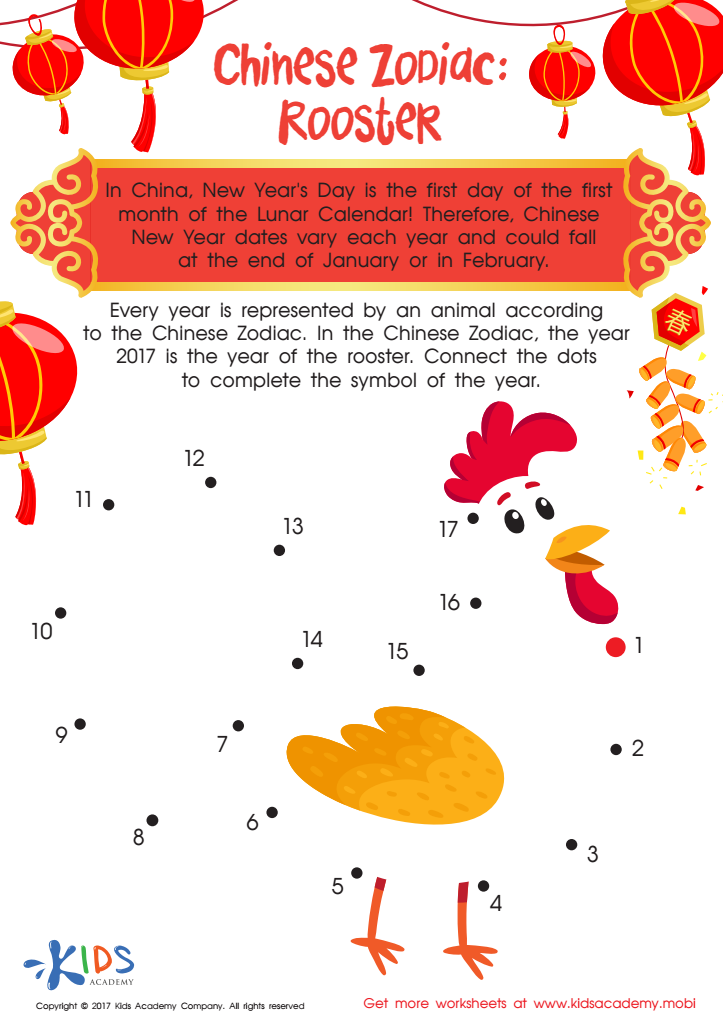
Chinese Zodiac Printable
Connect the dots to reveal a rooster and learn more about the Year of the Rooster. Perfect for preschoolers and kids of all ages.
Experience Chinese culture with this fun and interactive dot to dot printable! Connect the dots to discover a rooster, symbolizing the Year of the Rooster. Perfect for preschoolers and kids of all ages, this worksheet is a great way to explore new cultures and foster a spirit of diversity.
Chinese Zodiac Printable
Worksheet
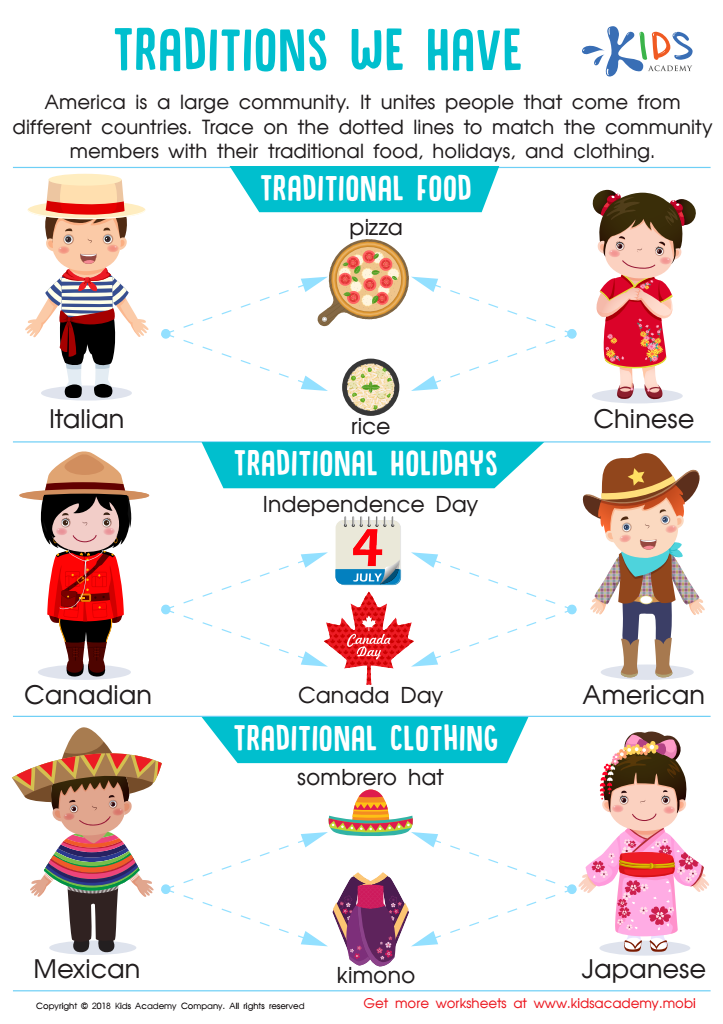
Traditions We Have Worksheet
Help your child learn about the world's diverse cultures with this tracing sheet. Trace the dotted lines to match different community members with their traditional holidays, foods and clothing. America is just one of many countries with multiple communities living together - teach your child that everybody has different backgrounds and customs, opening their minds to an even bigger world.
Traditions We Have Worksheet
Worksheet
Join Kids Academy for Free
Who is primarily going to use this learning content?




Cultural awareness is crucial for young children, and both parents and teachers play a vital role in fostering this understanding. At the ages of 3-7, children are highly impressionable and begin to form their understanding of the world. Integrating cultural awareness into early social studies helps them appreciate diversity, respect differences, and cultivate empathy.
By exposing children to various cultures, traditions, and languages, parents and teachers widen their worldview, promoting open-mindedness. This early exposure can reduce prejudices and stereotypes, providing a foundation for more harmonious social interactions as they grow.
Moreover, learning about different cultures enhances cognitive development, encouraging curiosity and critical thinking. It also fosters social-emotional skills like empathy and kindness, as children learn to see the world from multiple perspectives.
Cultural awareness lays the groundwork for global citizenship, preparing them for an interconnected world. When children understand and celebrate diversity from a young age, they are more likely to value inclusivity and equity in the future.
Incorporating cultural awareness into early education ensures that children develop as respectful, sensitive, and informed individuals, contributing positively to the multicultural societies they inhabit. Parents and teachers, by instilling these values early on, help create a more tolerant and inclusive future.