Letter recognition Easy Phonics Worksheets for Ages 3-8
4 filtered results
Difficulty Level
Grade
Age
-
From - To
Subject
Activity
Standards
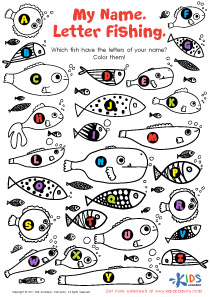
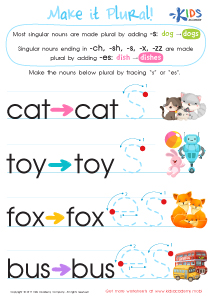
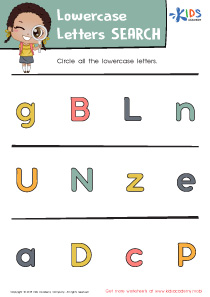
Discover our engaging Letter Recognition Easy Phonics Worksheets designed specifically for children ages 3-8! These interactive worksheets help young learners build essential literacy skills through fun and accessible activities. Each worksheet promotes letter identification, matching, and sound recognition to support early reading development. With colorful illustrations and varied exercises, children will enjoy exploring letters while boosting their confidence. Perfect for parents and educators alike, our easy-to-use printable resources fit seamlessly into home or classroom learning environments. Start your child's journey to literacy today with our comprehensive phonics worksheets that make learning letters exciting and enjoyable!
Favorites
With answer key
Interactive
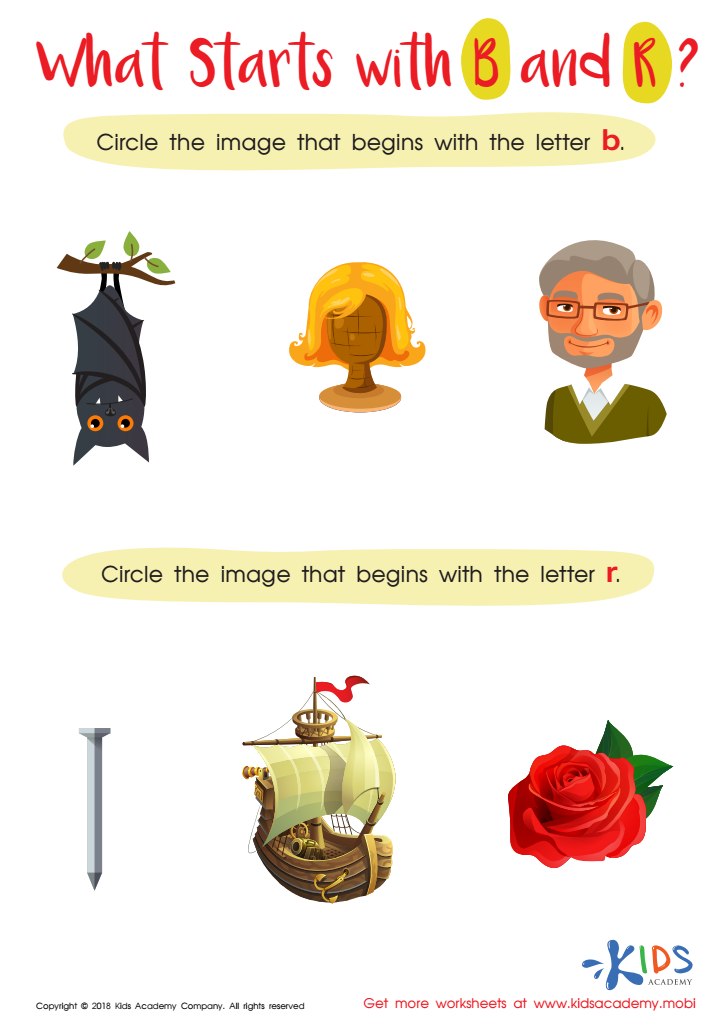
What Starts with B and R? Worksheet
Download this worksheet to help young readers practice visual and motor skills! They'll enjoy matching pictures with "B" and "R" letters while tracing the images. Bright and colorful, this engaging activity will help kids differentiate between words and have fun doing it.
 Assign to My Students
What Starts with B and R? Worksheet
Worksheet
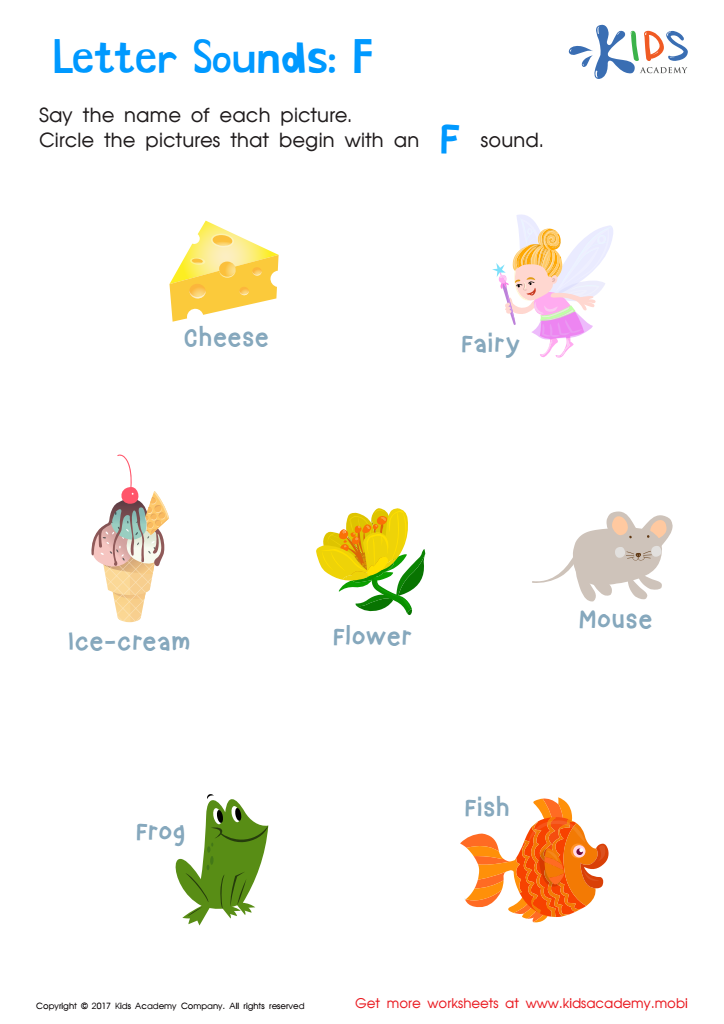
Letter F Sounds Worksheet
Kids will practice identifying 'f' words, tracing, and coloring the letter F for a great way to learn phonics.
Help your child discover the wonders of the letter 'F' with this fun worksheet! Kids will practice identifying 'F' words, tracing and coloring the letter, and building early reading skills. Stimulate their learning and let them connect letter sounds to words they know. An enjoyable way to practice phonics!
Letter F Sounds Worksheet
Worksheet
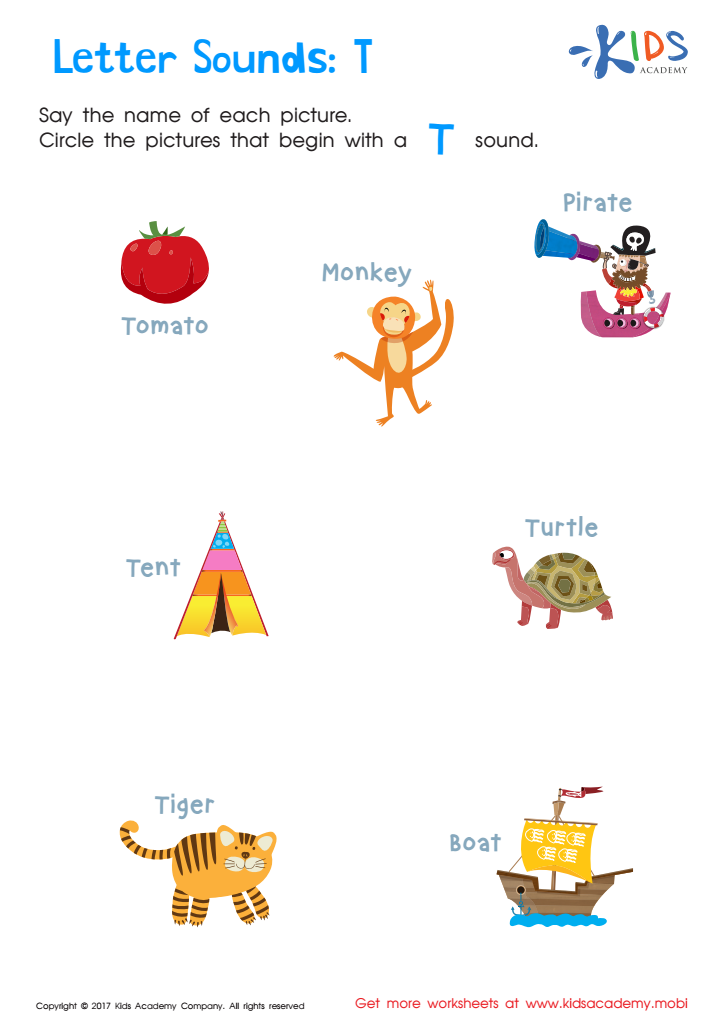
Letter T Sounds Worksheet
This worksheet is a fun way to help kids learn the t sound. It has familiar pictures and an easy-to-follow format, so kids can quickly recognize and learn the letter t.
Letter T Sounds Worksheet
Worksheet
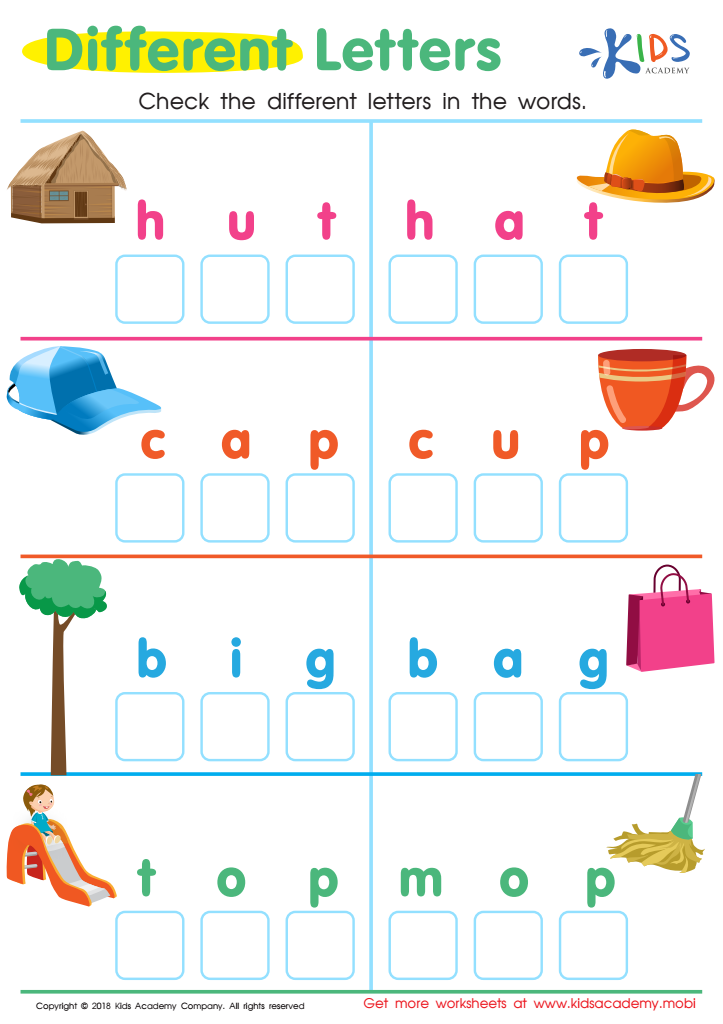
Different Letters Reading Worksheet
Download our phonics worksheet to help kids understand letter sounds. Have them sound out letters and join them to form words. Colorful pictures assist in recognition, making it perfect for kindergarteners. A great intro to phonics!
Different Letters Reading Worksheet
Worksheet
Join Kids Academy for Free
Who is primarily going to use this learning content?








Letter recognition is a crucial foundational skill for young learners aged 3-8, as it directly impacts their reading and writing abilities. Teaching children to recognize letters enhances their phonemic awareness, which is the understanding that letters are associated with specific sounds. This skill is vital in developing decoding abilities, enabling kids to sound out words as they begin to read.
Easy Phonics methods, designed for young learners, promote an engaging and interactive approach to letter recognition. By incorporating fun activities, songs, and physical movement, children are more likely to enjoy the learning process and develop a positive association with literacy. Furthermore, recognizing letters prepares children for future literacy tasks, building confidence as they progress through their education.
For parents and teachers, prioritizing letter recognition helps lay a solid groundwork for a child’s academic success. Early phonics instruction fosters a love for reading, encouraging children to explore literature, communicate effectively, and excel in their learning journey. By investing time and resources in teaching letter recognition, adults empower children with essential skills that will benefit them throughout their lives, ultimately shaping proficient readers and articulate individuals.