Fine Motor Skills Easy Numbers Worksheets for Ages 3-8 - Page 2
29 filtered results
-
From - To
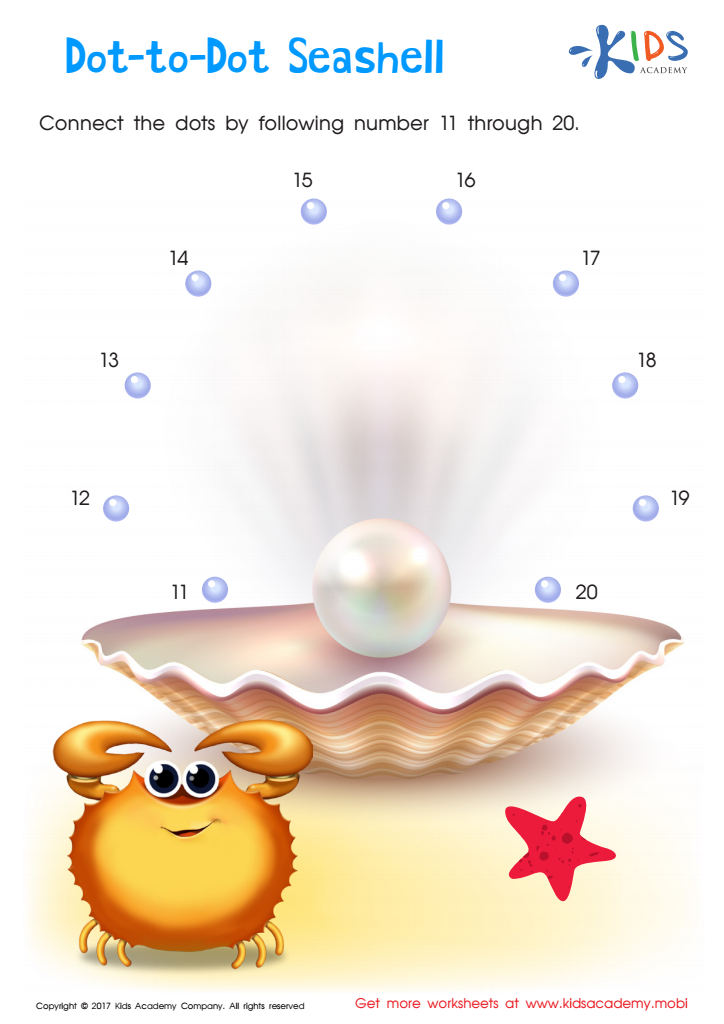
Ordering 11–20: Dot–to–dot Seashell Printable
 Assign to My Students
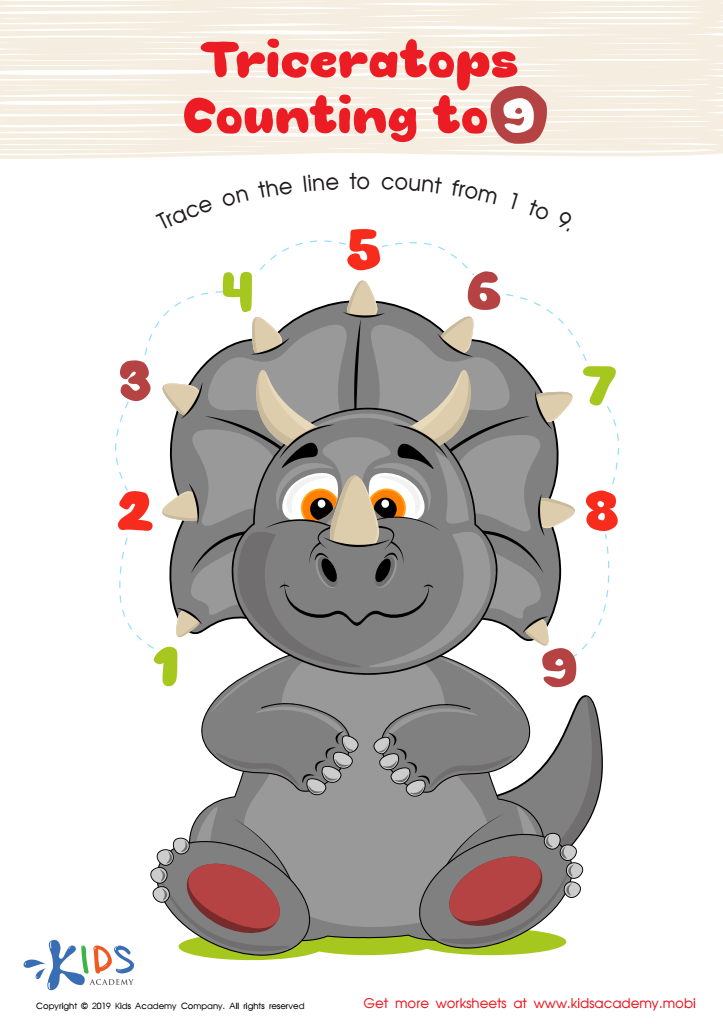
Triceratops Counting to 9 Worksheet

Counting on the City Skyline: Dot-to-Dot Worksheet
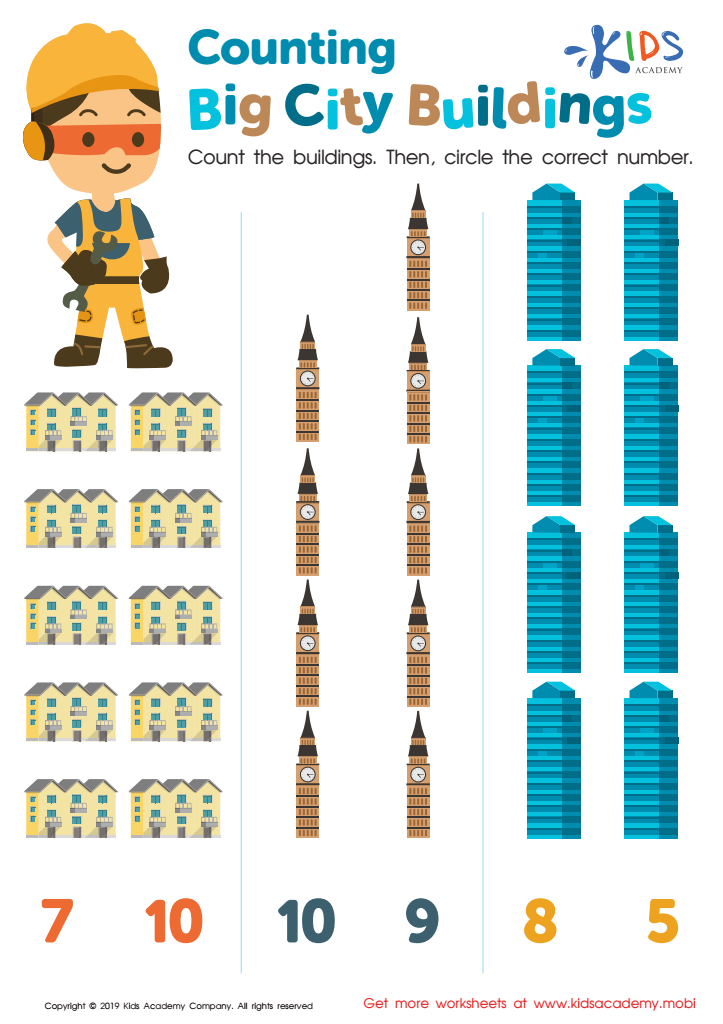
Counting Big City Buildings Worksheet

Night Sky Numbers Worksheet








Fine motor skills are essential for young children's development, especially for ages 3-8, as these skills lay the foundation for tasks that require precise movement and coordination. Parents and teachers should care about fostering these skills because they are crucial for everyday activities, such as writing, drawing, buttoning clothes, and manipulating small objects.
Developing fine motor skills in this age group enhances children's hand-eye coordination and dexterity, making them more independent and confident as they navigate various tasks. Activities tailored for improving fine motor skills, such as bead threading, cutting with scissors, or engaging in coloring, help enhance focus and concentration, reinforcing cognitive development as well.
Moreover, these skills are intrinsically linked to academic success in areas like handwriting and arts. Children who struggle with fine motor tasks may feel frustrated or exhibit reduced self-esteem, potentially leading to a reluctance to participate in classroom activities. Thus, by prioritizing fine motor skill development, parents and educators can create an enriching and supportive environment that promotes overall development, encourages creativity, and prepares children for future learning challenges.








