Pattern recognition Easy Numbers Worksheets for Ages 3-8
3 filtered results
-
From - To
Discover our "Pattern Recognition Easy Numbers Worksheets" designed for children ages 3-8! These engaging worksheets help young learners develop essential math skills by recognizing and completing patterns using numbers. Our fun and colorful exercises ensure that children build confidence while enhancing their critical thinking abilities. Perfect for home or classroom use, these worksheets support cognitive development and prepare kids for more complex math concepts later on. Each worksheet is structured to promote learning through play, making it an enjoyable experience for both parents and teachers. Start fostering your child's love for numbers and patterns today with our educational resources!
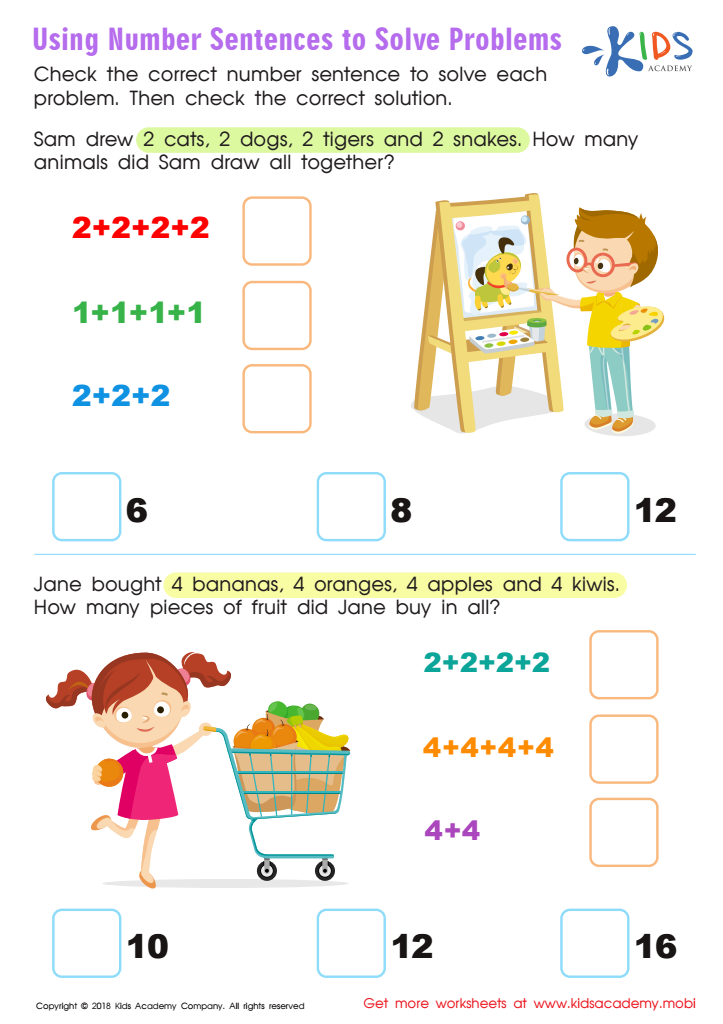
Using Number Sentences to Solve Problems Worksheet
 Assign to My Students
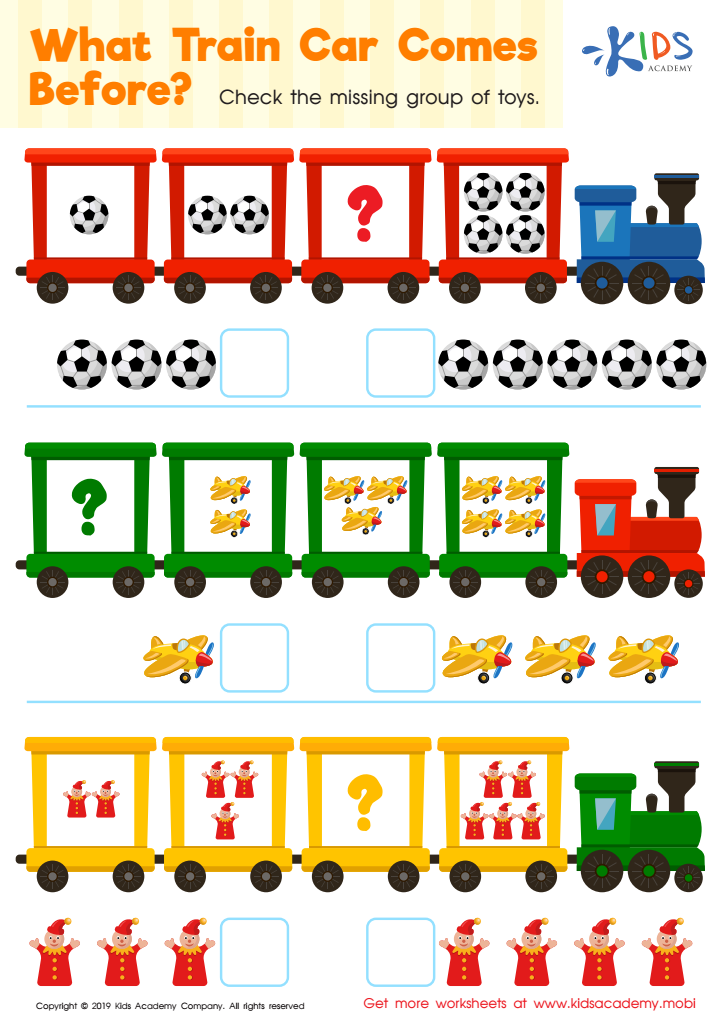
What Train Car Comes Before? Worksheet
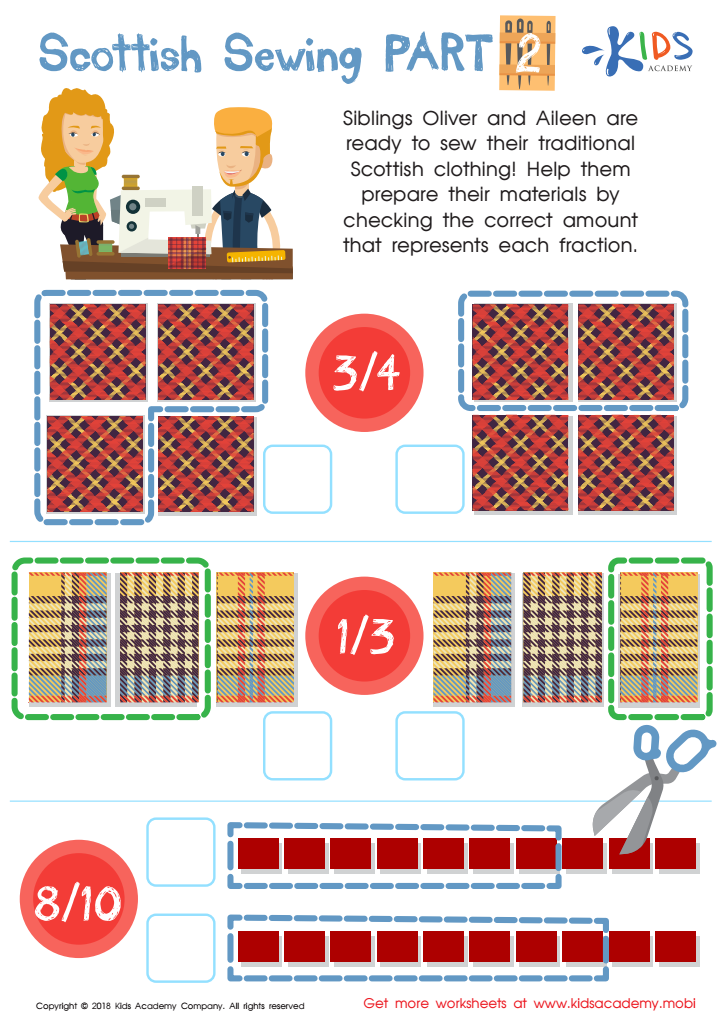
Scottish Sewing Part 2 Worksheet








Pattern recognition is a foundational skill that plays a crucial role in a young child's cognitive development. For children aged 3-8, engaging with easy numbers patterns helps enhance their mathematical abilities, critical thinking, and problem-solving skills. Recognizing patterns enables children to make connections between concepts, preparing them for more complex maths later on.
Parents and teachers should care about introducing pattern recognition to children during these formative years because it promotes logical reasoning. When children learn to identify sequences—like counting by twos or spotting odd and even numbers—they gain confidence in their abilities. This foundational understanding is not only important in mathematics but also in everyday life, helping them recognize patterns in nature, art, and social interactions.
Furthermore, pattern recognition exercises are often fun and interactive, making learning enjoyable and increasing engagement. This hands-on approach can transform abstract concepts into relatable experiences, fostering a love for learning early on. By nurturing this skill, parents and teachers can equip children with the essential tools they need for academic success and instill lifelong analytical habits. Ultimately, focusing on pattern recognition today ensures that children are prepared for the complexities of tomorrow’s world.








