Basic Math Skills Easy Math Worksheets for Ages 3-8 - Page 2
30 filtered results
-
From - To
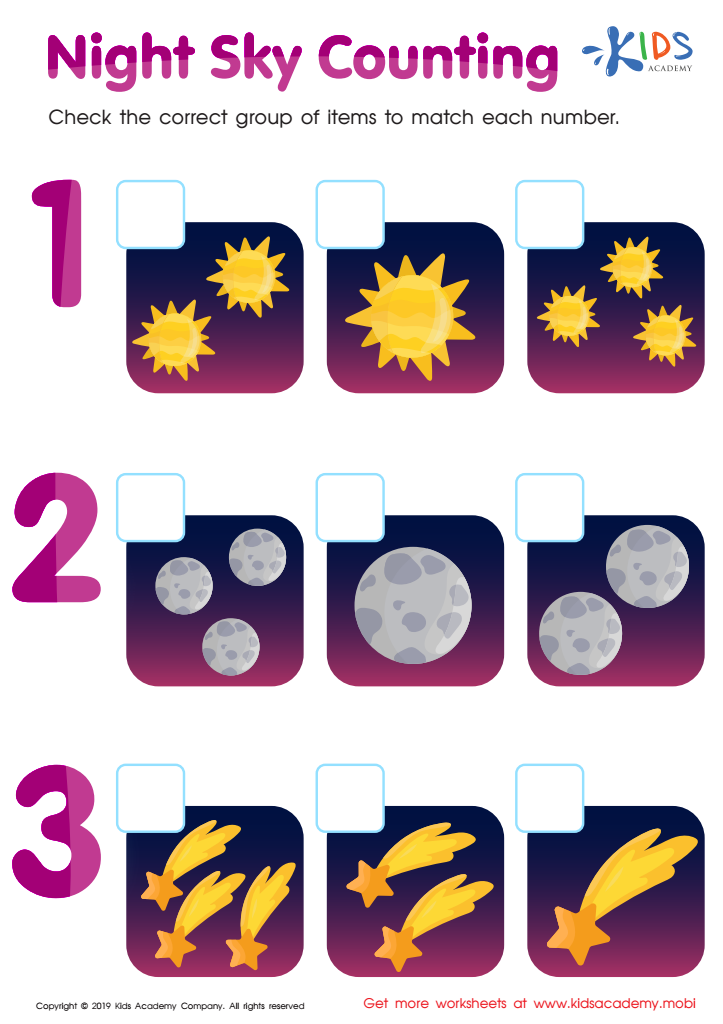
Night Sky Counting Worksheet
 Assign to My Students
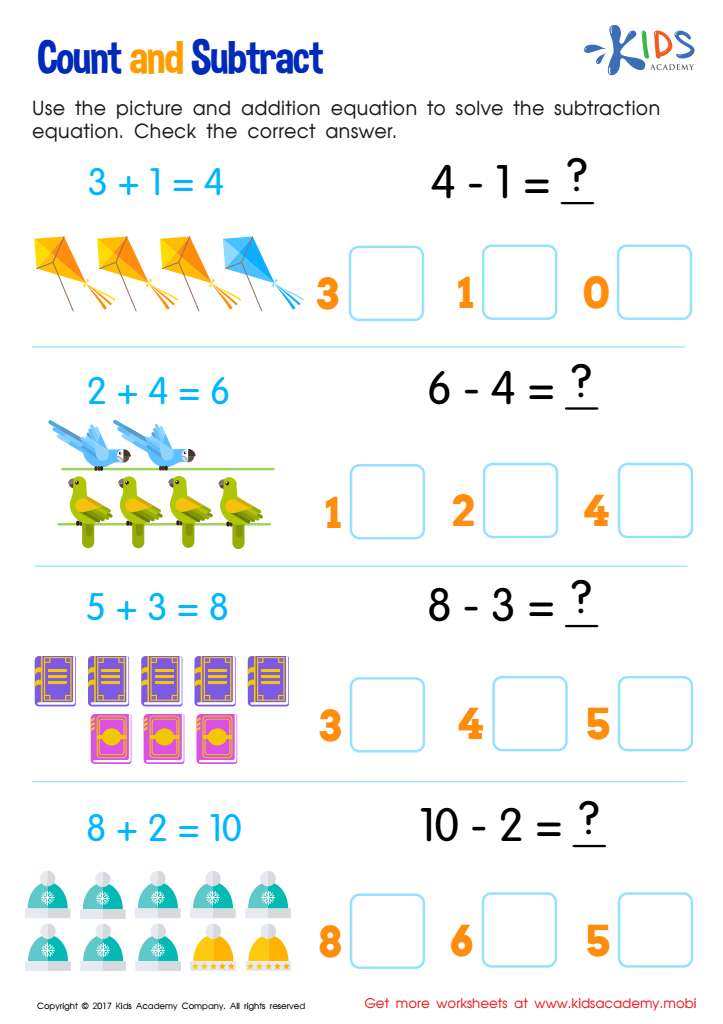
Count and Subtract Worksheet
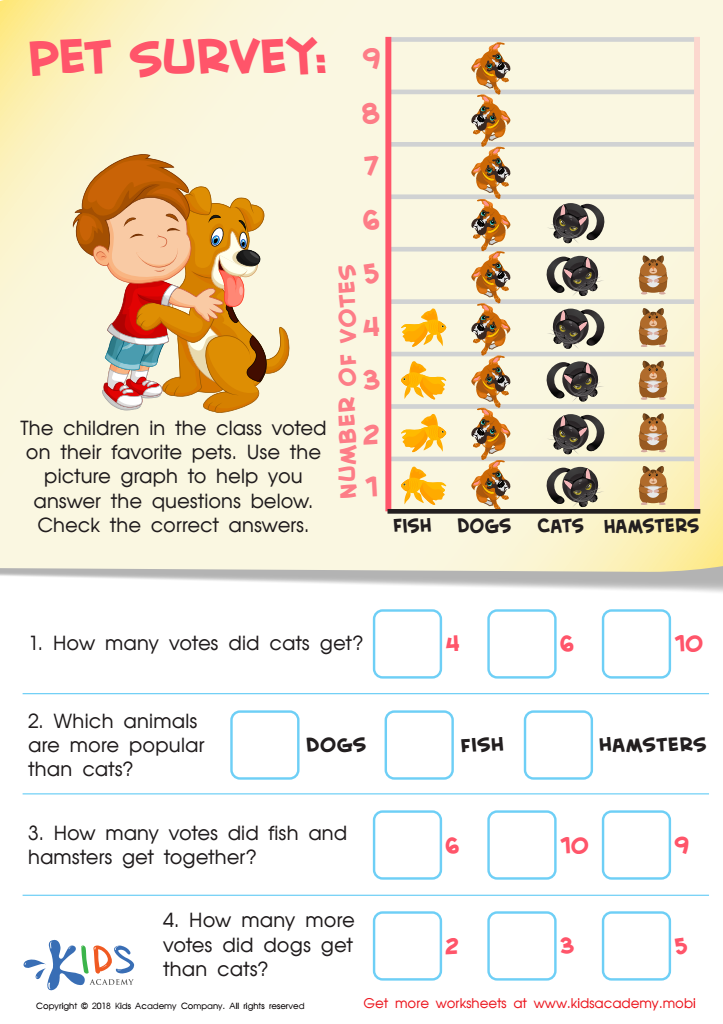
Pet Survey Worksheet
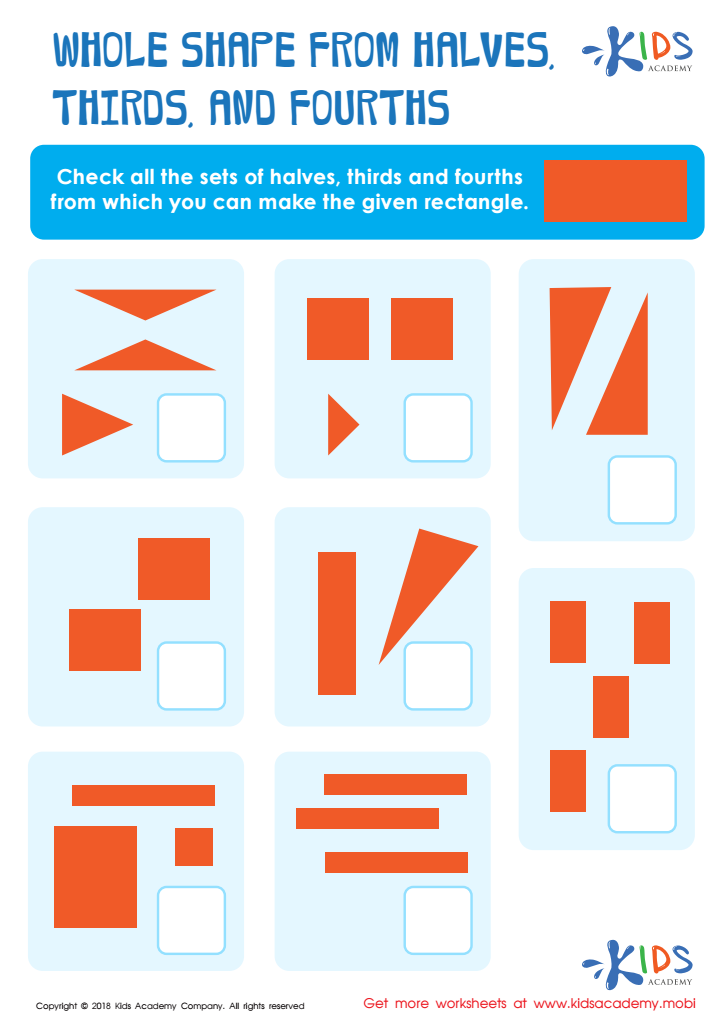
Whole Shape from Halves, Thirds and Fourths Worksheet
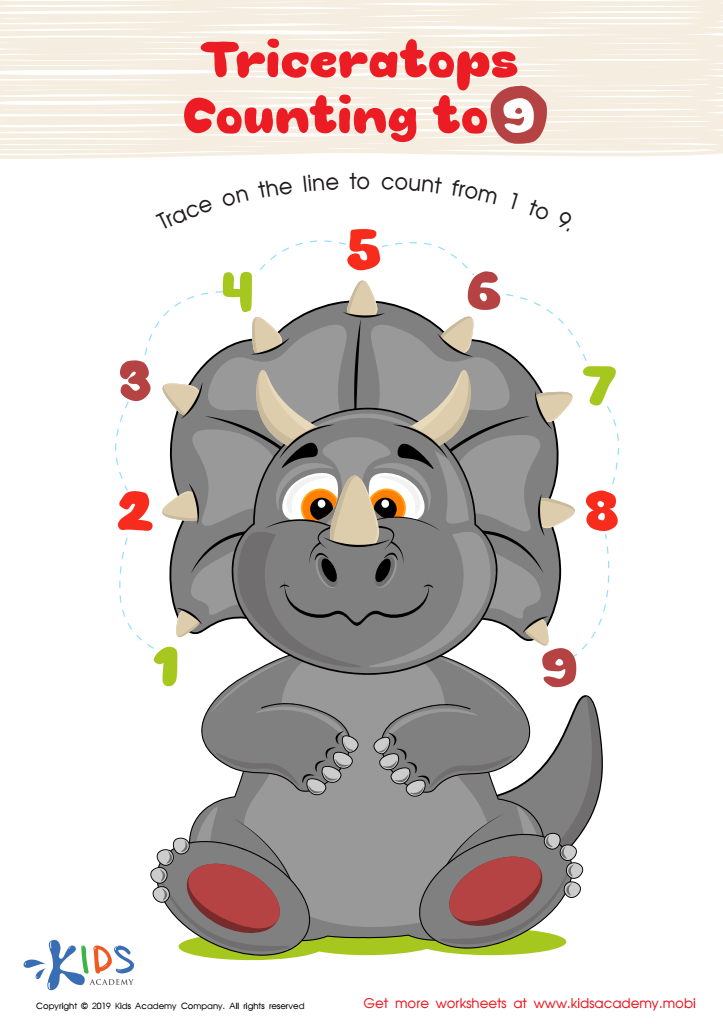
Triceratops Counting to 9 Worksheet
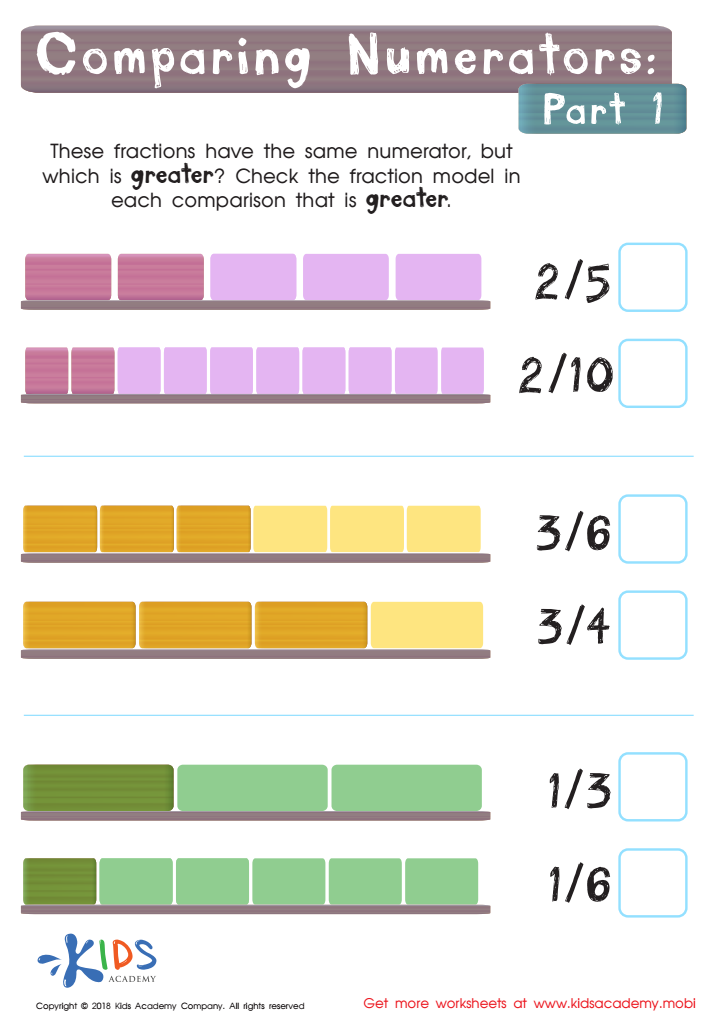
Comparing Numerators Part 1 Worksheet







Basic math skills are foundational for children's overall development and academic success, making them a vital focus for parents and teachers. From ages 3 to 8, children are in a critical period for cognitive development, where they can grasp essential concepts such as numbers, counting, patterns, and basic operations. Introducing easy math concepts at this stage not only builds their confidence but also enhances their problem-solving abilities and logical thinking.
Engaging children with math in a fun and interactive way fosters a positive attitude towards the subject, minimizing math anxiety in later years. Understanding basic math lays the groundwork for more complex topics they'll encounter in school, such as addition, subtraction, and eventually, algebra.
Moreover, these early skills support daily life applications, such as managing money, measuring ingredients for cooking, or telling time—skills that are crucial for independence. Investing in early math education also addresses disparities in risk and achievement, helping to level the playing field for all children regardless of their background. By prioritizing basic math skills, parents and teachers nurture not only academic success but also vital life skills that will serve children long into the future.








