Fine motor skills (writing) Easy Math Worksheets for Ages 3-8
3 filtered results
-
From - To
Explore our collection of Easy Math Worksheets designed to enhance fine motor skills in children aged 3-8! These worksheets combine essential math concepts with engaging activities that promote writing and hand-eye coordination. Perfect for developing pre-writing abilities alongside early math skills, our resources feature fun illustrations and age-appropriate tasks that keep kids intrigued. From tracing numbers to completing simple math problems, these worksheets are ideal for home or classroom use. Help your child strengthen their fine motor skills while building confidence in math. Start your adventure in learning today with our fun, printable math materials!
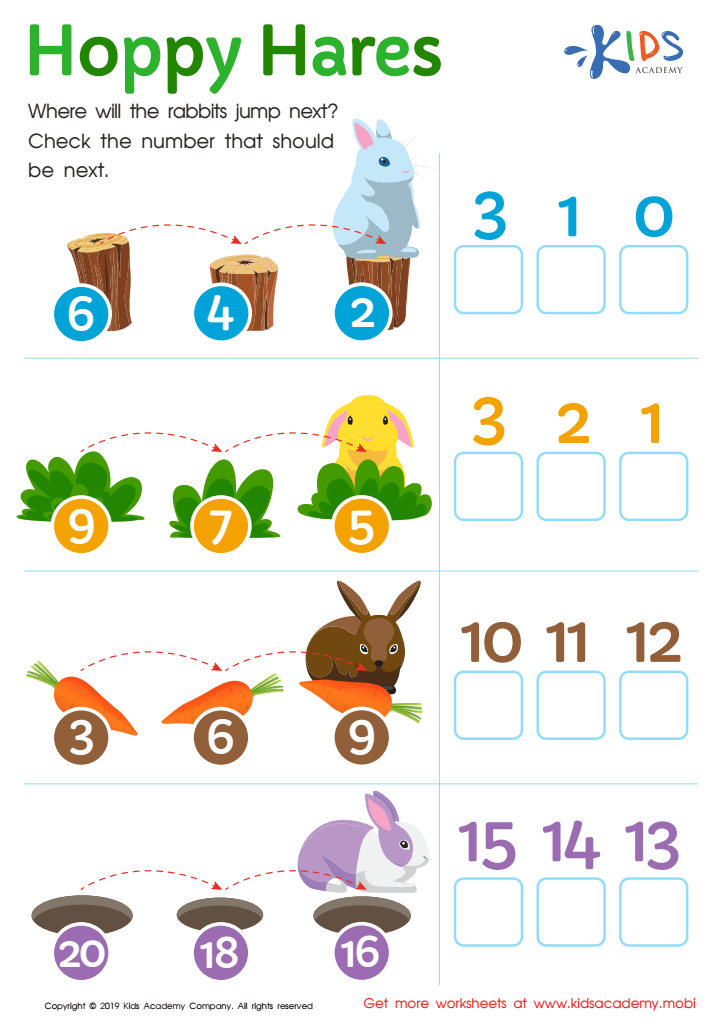
Hoppy Hares Worksheet
 Assign to My Students
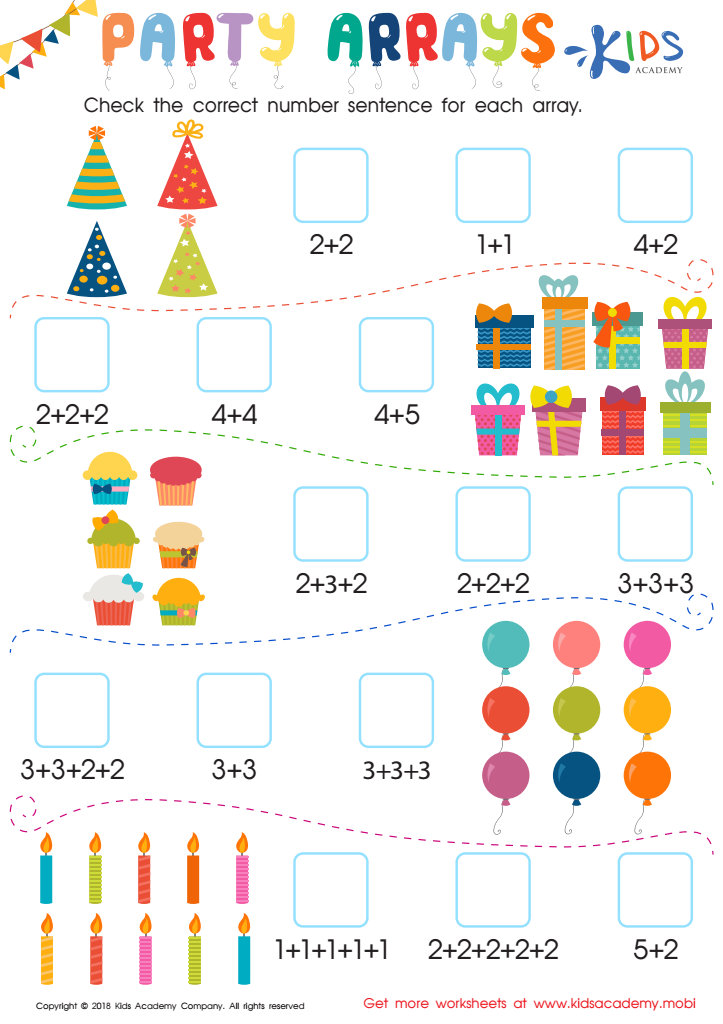
Party Arrays Worksheet
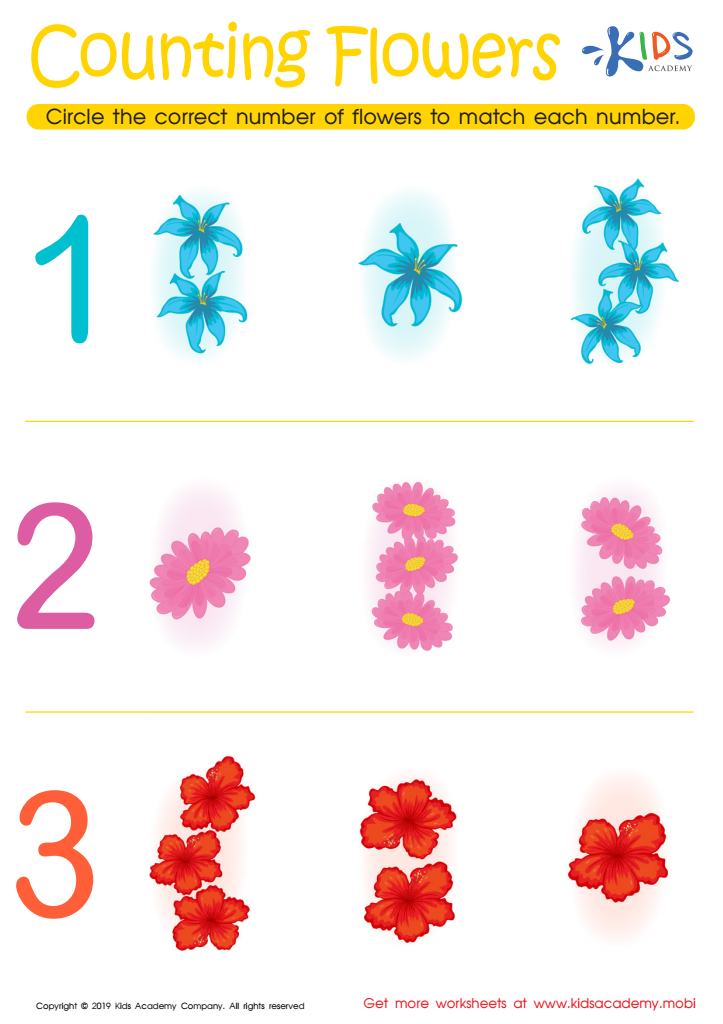
Counting Flowers Worksheet








Fine motor skills, particularly writing abilities, are crucial for children aged 3-8 as they serve as the foundation for various academic and everyday tasks. Development of fine motor skills enhances hand-eye coordination, dexterity, and control over small movements, which are essential not only for writing but also for activities like buttoning clothes and using tools. As children engage in writing, they develop cognitive skills including memory, spatial awareness, and problem-solving.
In addition, mastering easy math concepts requires fine motor skills for activities such as counting with fingers, using manipulatives, or drawing shapes. These foundational skills also build confidence, as children see tangible results in their ability to express themselves and solve problems.
For parents and teachers, fostering these skills can lead to improved self-esteem and academic performance, reducing frustration in the classroom and home environments. Furthermore, investing in fine motor development can set a pathway for children to approach more complex academic tasks with greater ease in the future. Thus, nurturing fine motor skills through fun, engaging activities can significantly enhance a child's learning journey and overall development.








