Interpreting data Easy Measurement Worksheets for Ages 3-8
3 filtered results
-
From - To
Introduce young learners to the world of data interpretation with our "Interpreting Data Easy Measurement Worksheets for Ages 3-8." Ideal for early grade students, these engaging worksheets simplify complex concepts through fun and interactive activities. Children will learn to interpret graphs, compare lengths, and categorize various measurable attributes. Each worksheet is thoughtfully designed to build foundational math skills while keeping young minds captivated. Perfect for parents and educators, our resources support different learning styles, fostering confidence and curiosity in young mathematicians. Start exploring the joys of data with our easy-to-follow, printable worksheets today.
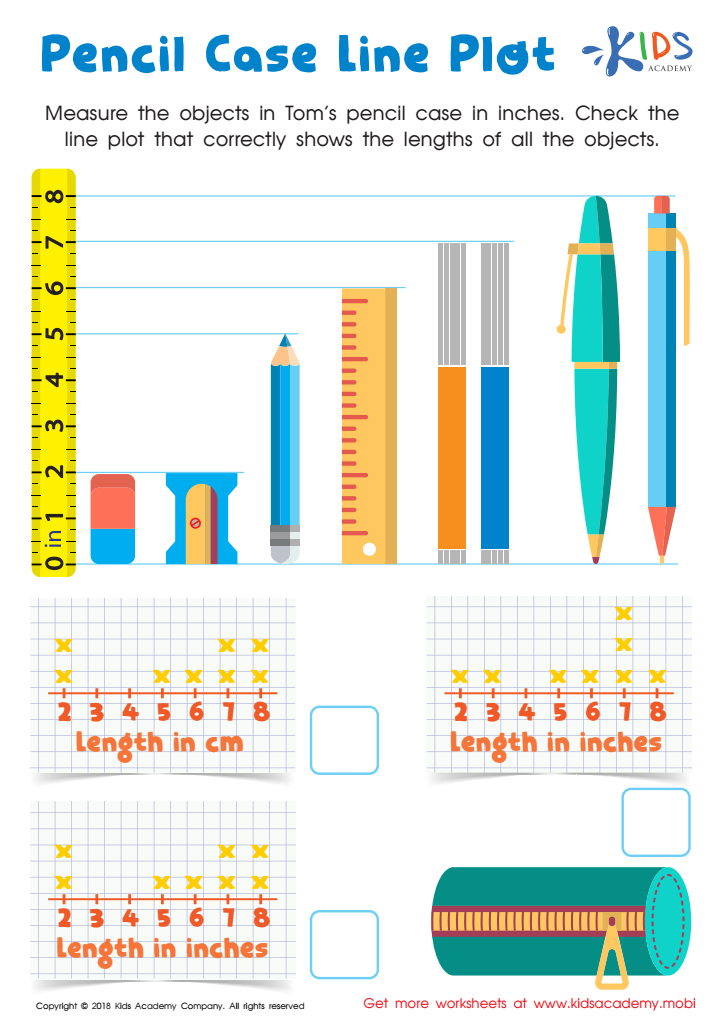
Pencil Case Line Plot Worksheet
 Assign to My Students
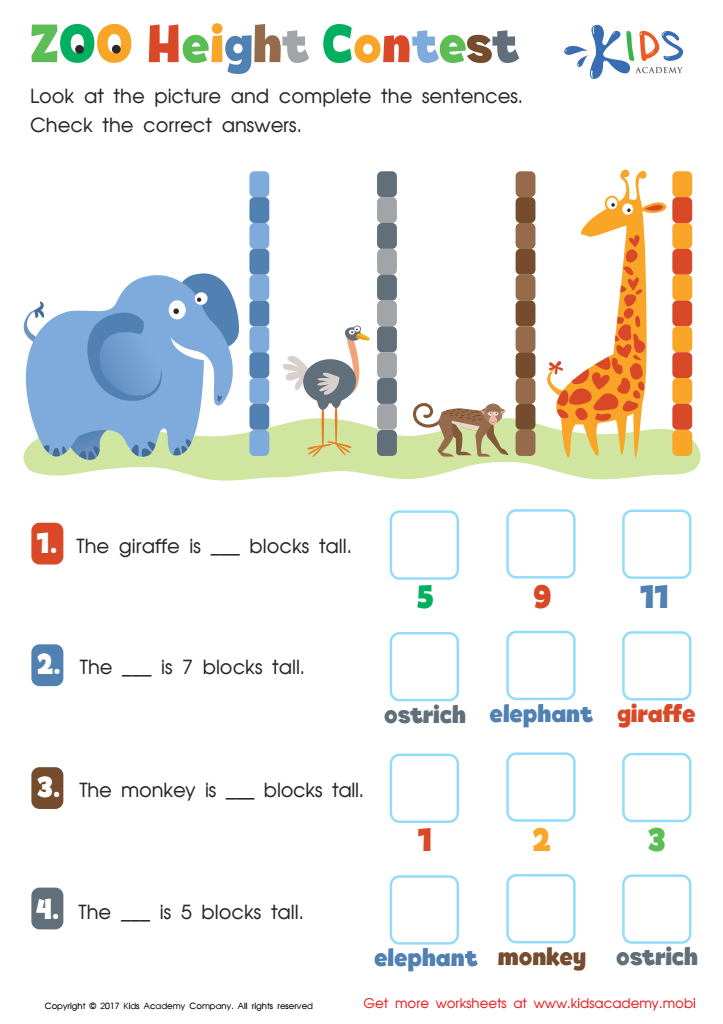
Zoo Height Contest Worksheet
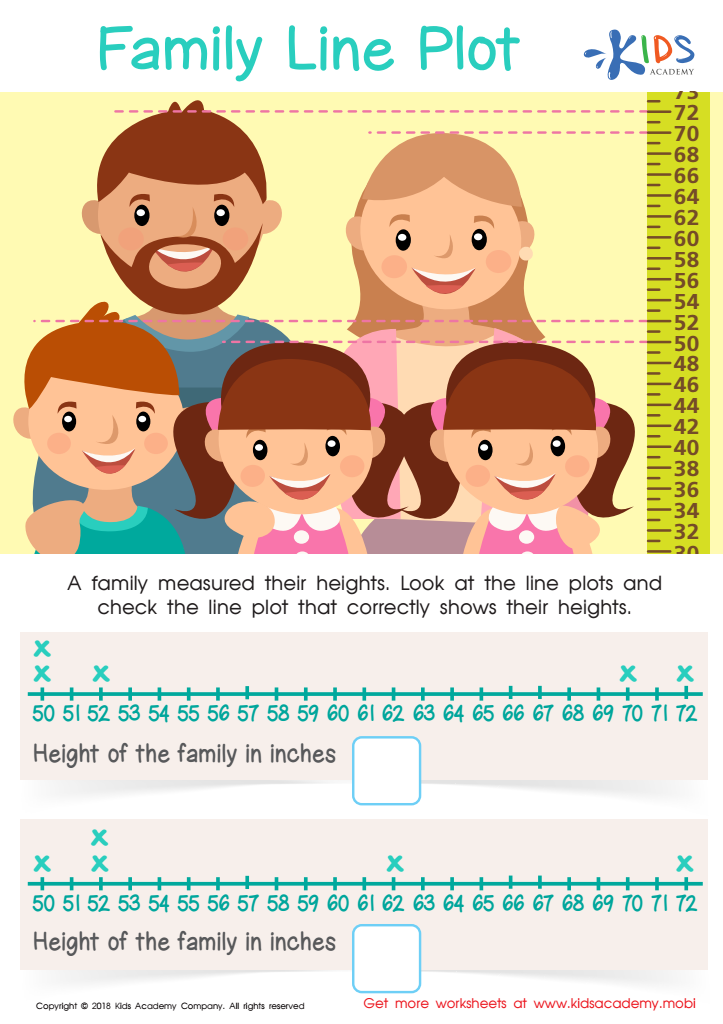
Family Line Plot Worksheet







Understanding and interpreting data is an essential skill for young children, as it lays the foundation for their future academic success and everyday decision-making. For children aged 3-8, learning through easy measurements fosters critical thinking and analytical abilities in a way that's accessible and engaging. For teachers and parents, equipping kids with these skills is crucial for several reasons.
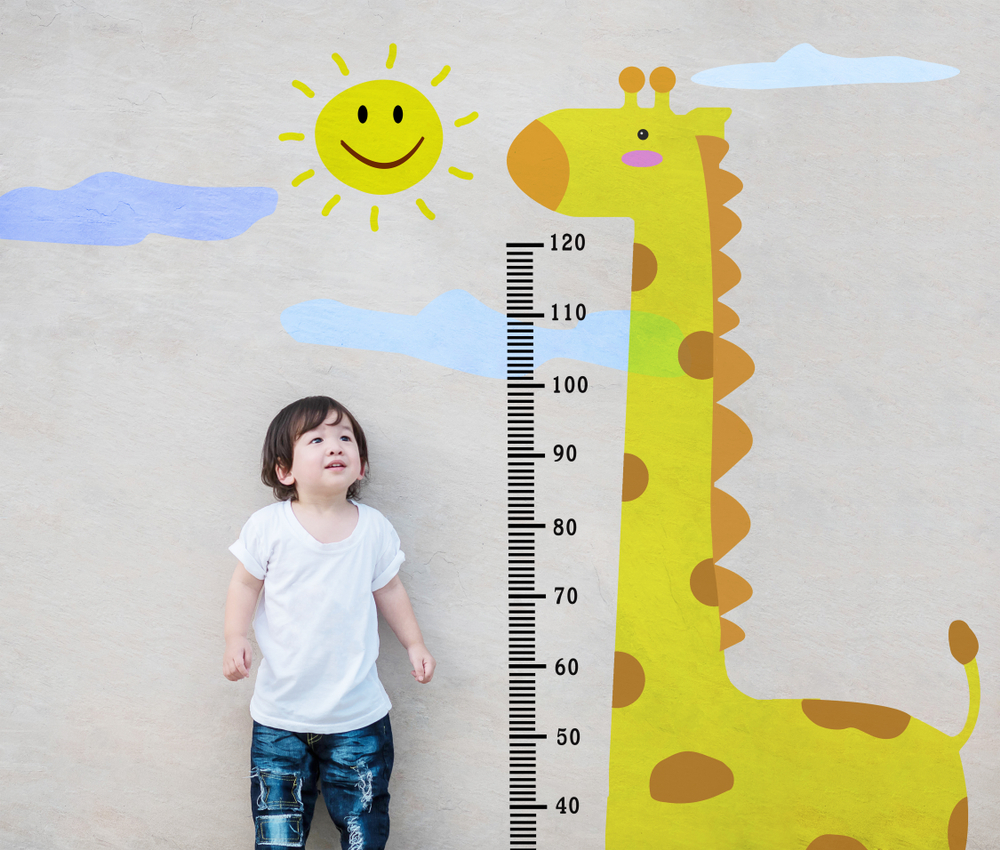
Firstly, early exposure to basic data interpretation — like comparing lengths, understanding simple graphs, or counting objects — helps develop mathematical literacy. This is essential for more complex problem-solving in later years. Secondly, involving kids in practical measurements, such as weighing fruits or measuring their height, connects learning to real-life experiences. Such activities enhance cognitive development, making abstract concepts more concrete and understandable.
Furthermore, these early skills link to social-emotional development. Collaborative tasks, where kids measure or compare data, foster teamwork and communication skills. When parents and teachers focus on nurturing these abilities, they are not only helping children academically but are also instilling confidence and curiosity.
By embracing easy measurement and data interpretation early on, we prepare our children to navigate the complexities of the modern world, cultivating skills that will serve them both in school and in their interactions with the world around them.








