Counting practice Easy Numbers 0–10 Worksheets for Ages 3-8
8 filtered results
-
From - To
Elevate your child’s math skills with our "Counting practice Easy Numbers 0-10 Worksheets for Ages 3-8". Perfect for young learners, these engaging and interactive worksheets help kids master counting from 0 to 10. Designed by educational experts, these activities bolster number recognition, sequencing, and fine motor skills. Each worksheet provides fun illustrations and exercises that maintain a child’s interest while promoting essential early math concepts. With step-by-step counting practice and vibrant imagery, your little ones will enjoy learning in an effective and enjoyable way. Ideal for preschool and early-grade students! Start building a strong math foundation today.
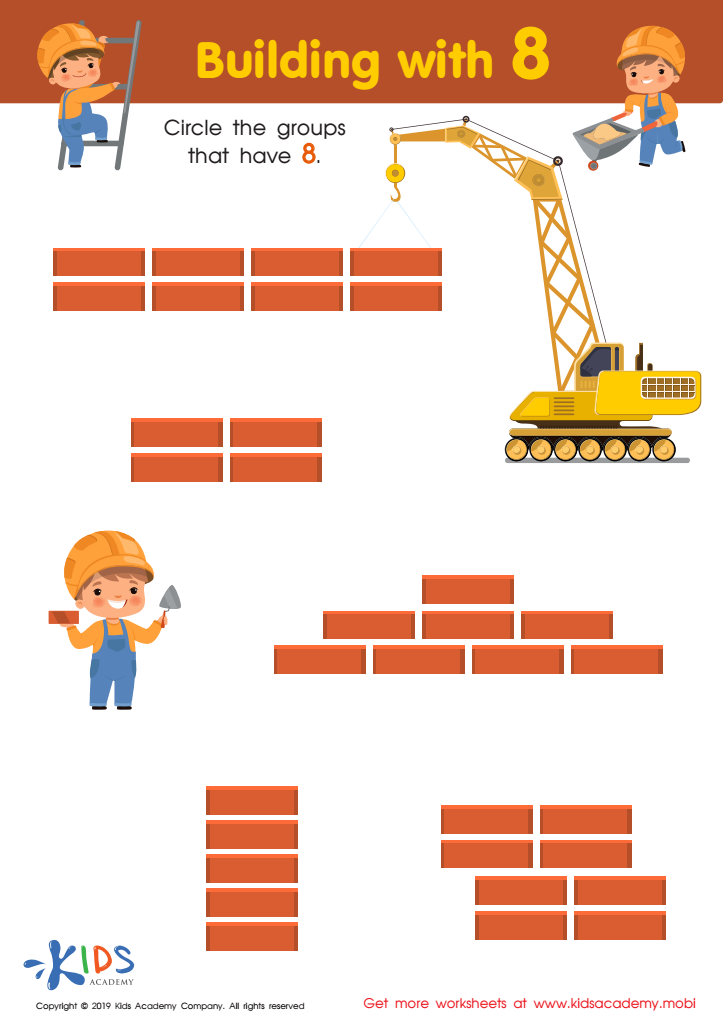
Building with 8 Worksheet
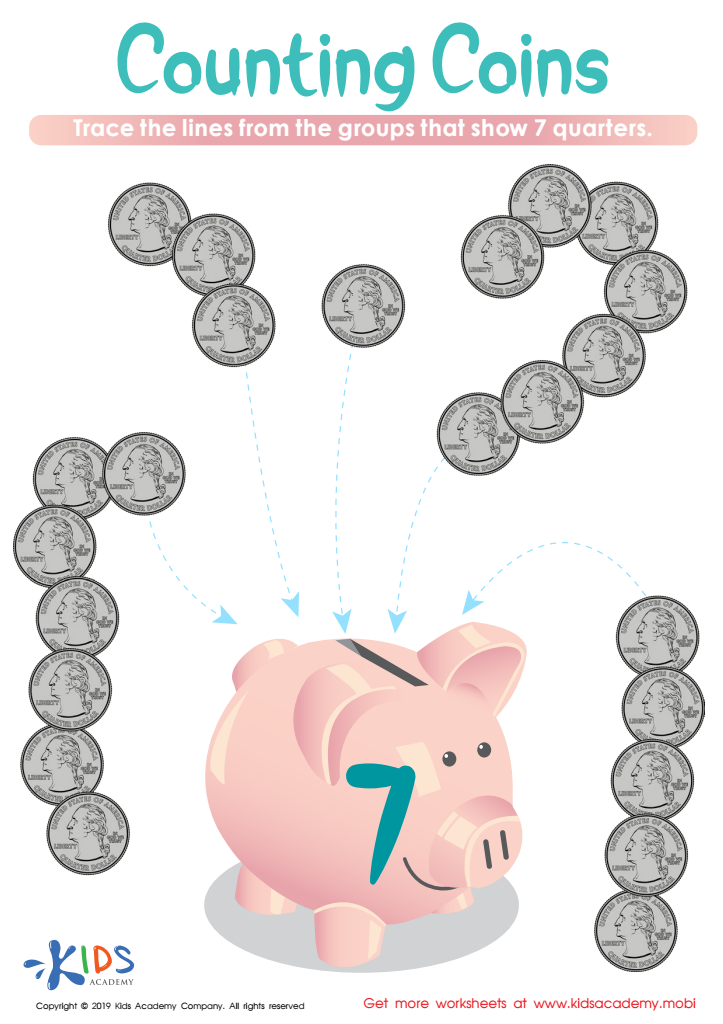
Counting Coins Worksheet
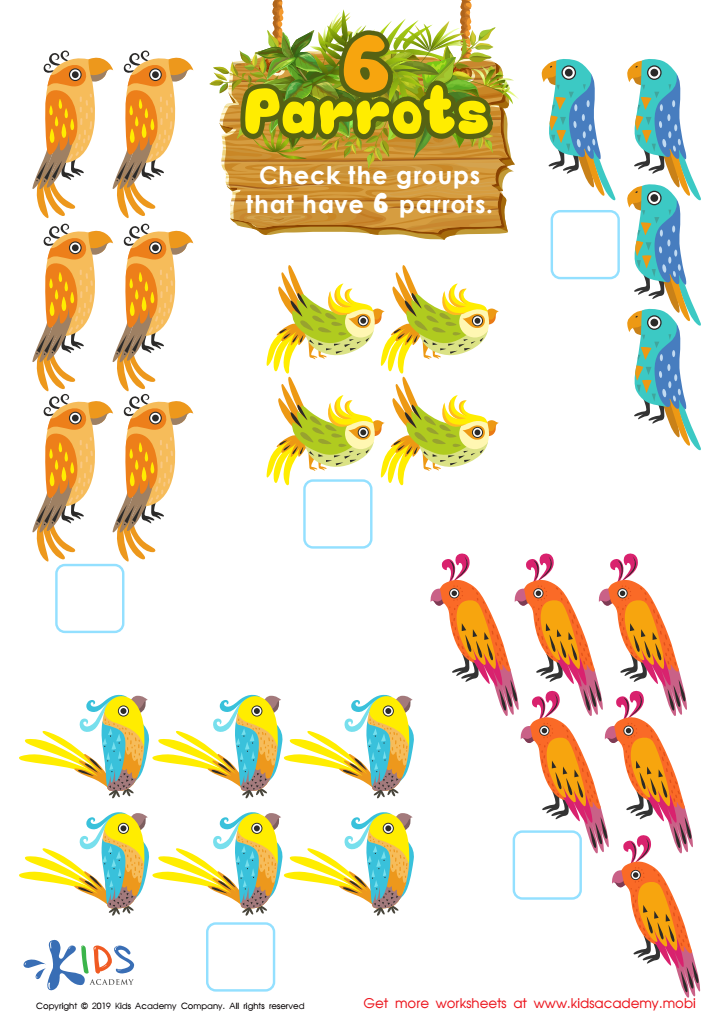
6 Parrots Worksheet
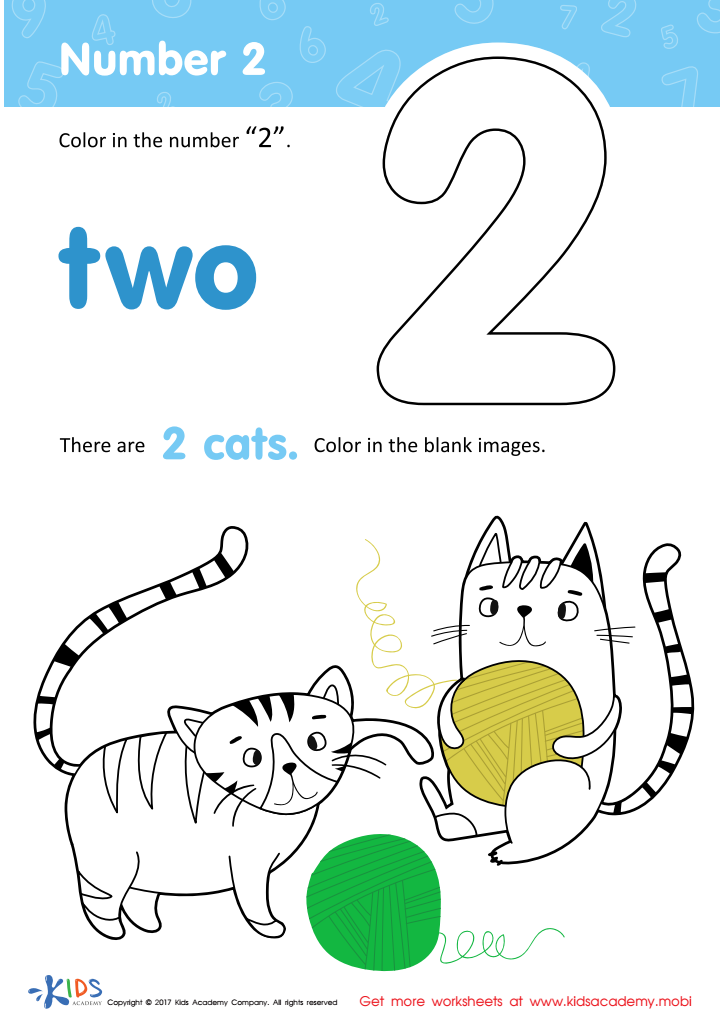
Number 2 Printable
 Assign to My Students
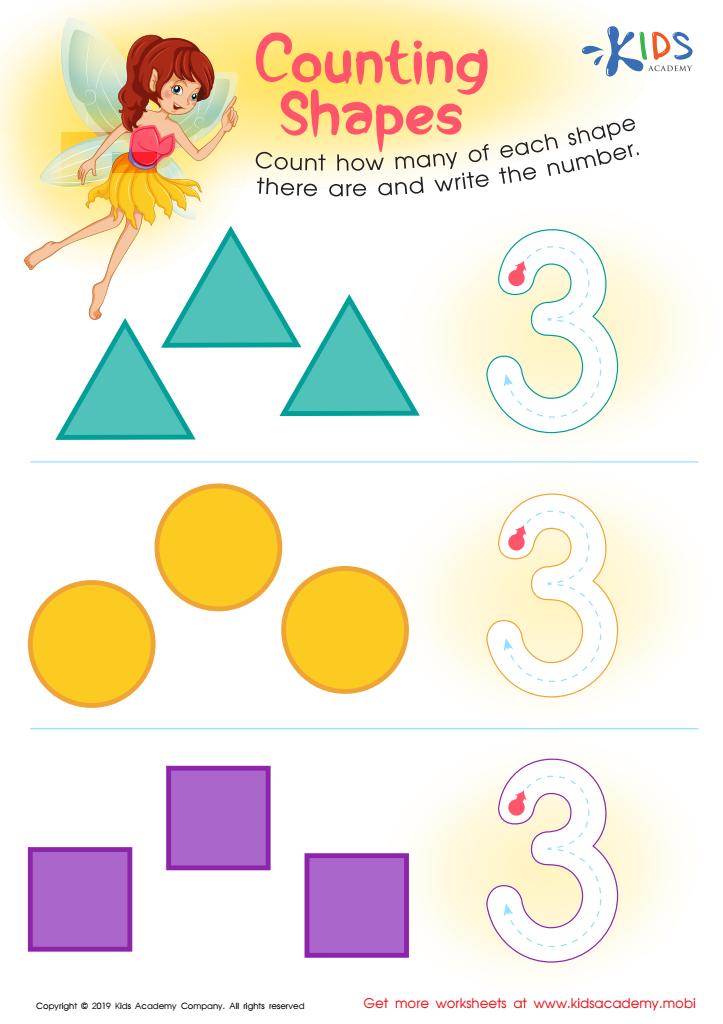
Counting Shapes Worksheet
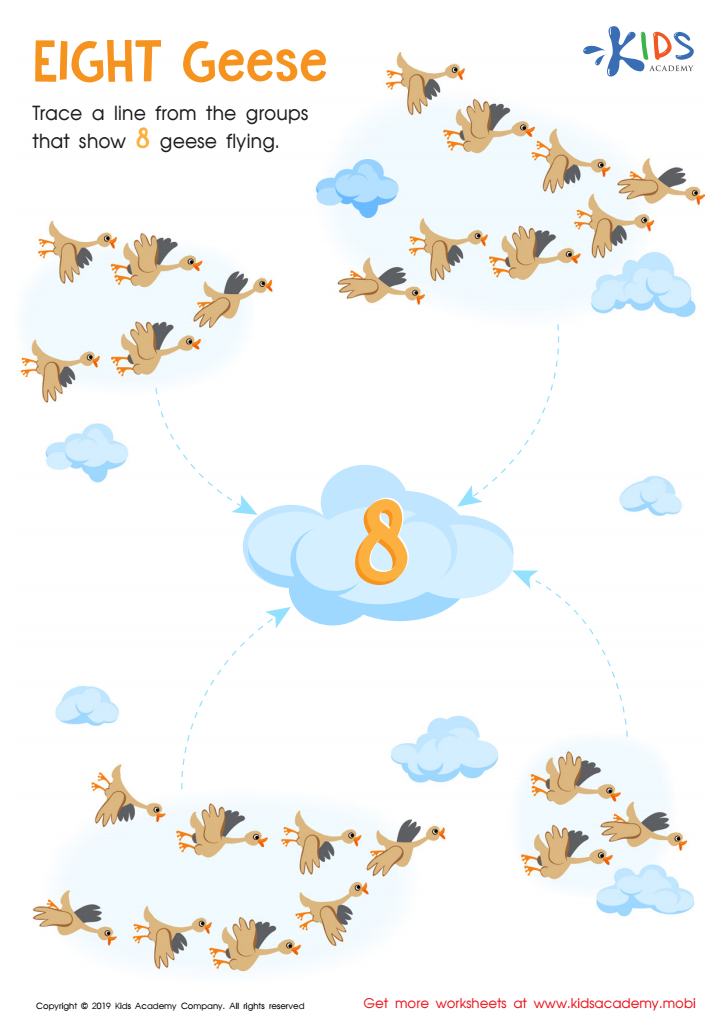
Eight Geese Worksheet
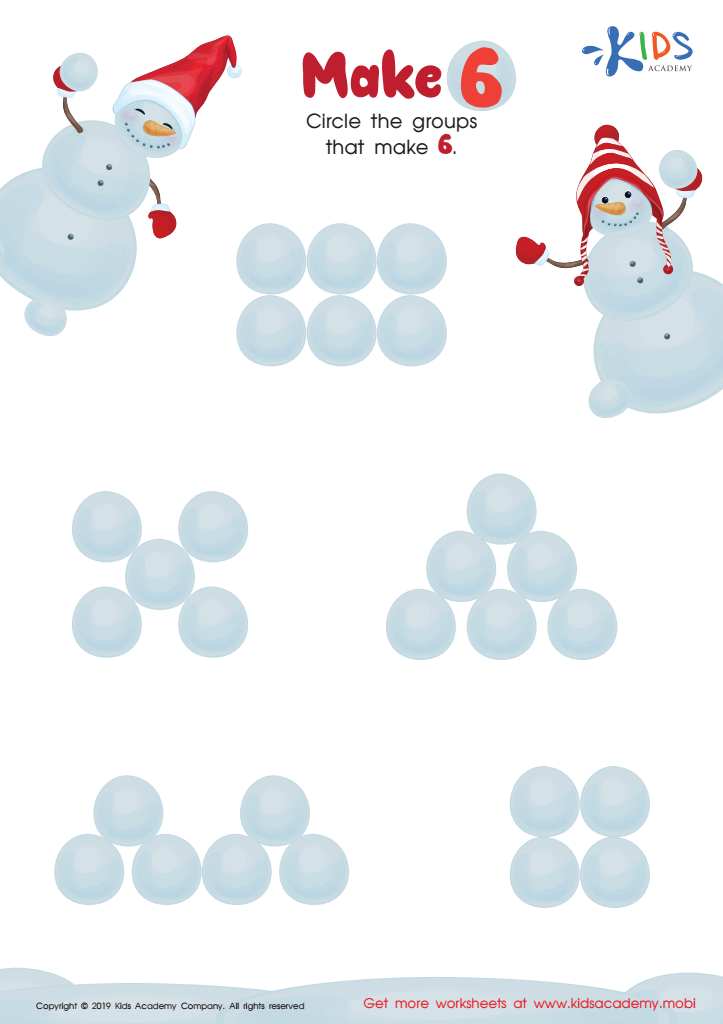
Make 6 Worksheet
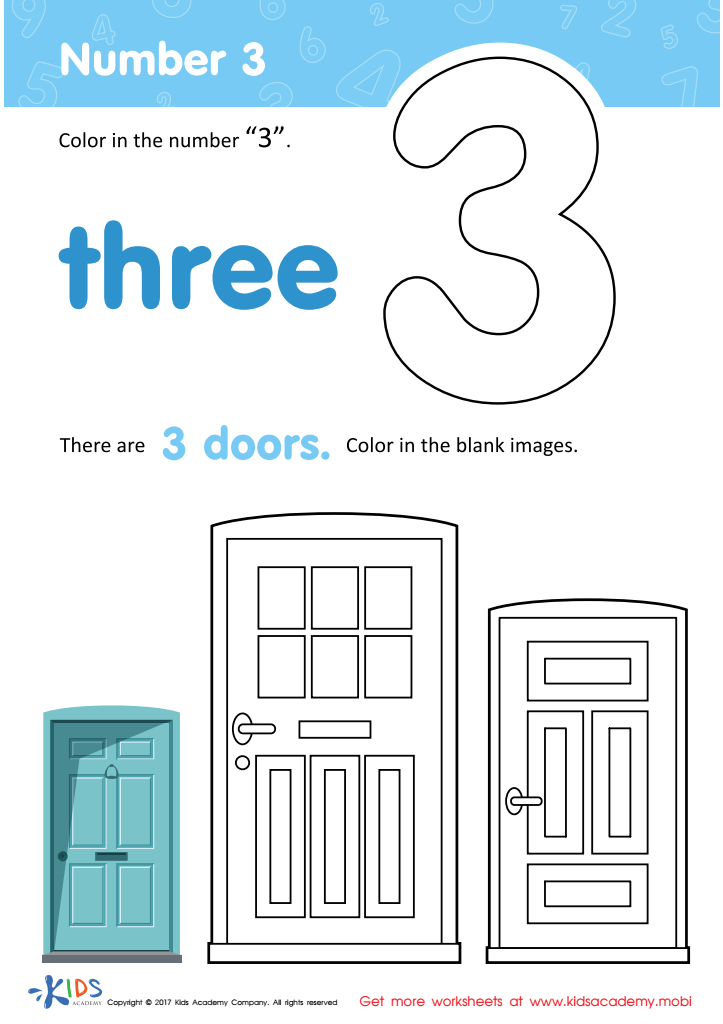
Number 3 Worksheet
Assign to My Students








Counting practice of easy numbers 0-10 for children ages 3-8 is foundational for various pivotal skills essential for their overall cognitive and academic development. First and foremost, it lays the groundwork for number sense, enabling children to understand and work with numbers effectively in everyday life. Mastering basic counting helps build a child's confidence in mathematics, which is crucial for their academic success in later years.
Moreover, counting exercises enhance a child's problem-solving abilities and logical thinking. The fundamental actions of recognizing numbers and counting objects introduce concepts such as quantity, more than/less than, and sequencing, which play a vital role in their formative learning stages. This foundational knowledge is also critical for grasping more complex mathematical concepts such as addition, subtraction, and place value in future years.
Additionally, engaging children in counting helps improve their fine motor skills and eye-hand coordination, especially when it involves physical counting of objects. For instance, counting blocks or colorful beads can make the learning process enjoyable while also aiding in their sensory development.
Parents and teachers play a crucial role in making this early learning dynamic and interactive. Encouraging counting through playful and engaging activities, such as songs, games, and daily routines, ensures that children not only learn but also develop a love for mathematics and lifelong learning.