Number Recognition Easy Numbers 11–20 Worksheets for Ages 3-8
6 filtered results
-
From - To
Discover fun and engaging Number Recognition Worksheets focusing on numbers 11 to 20, specifically designed for children ages 3 to 8. Our easy-to-use worksheets provide a playful learning experience, helping young learners enhance their number identification skills through colorful activities and illustrations. Students will develop confidence as they practice counting, matching, and recognizing numbers in a variety of formats. Ideal for home or classroom settings, these worksheets are perfect for reinforcing foundational math skills. Explore our collection today and make number learning enjoyable and effective for your little ones! Support their journey to numeracy with our engaging resources.
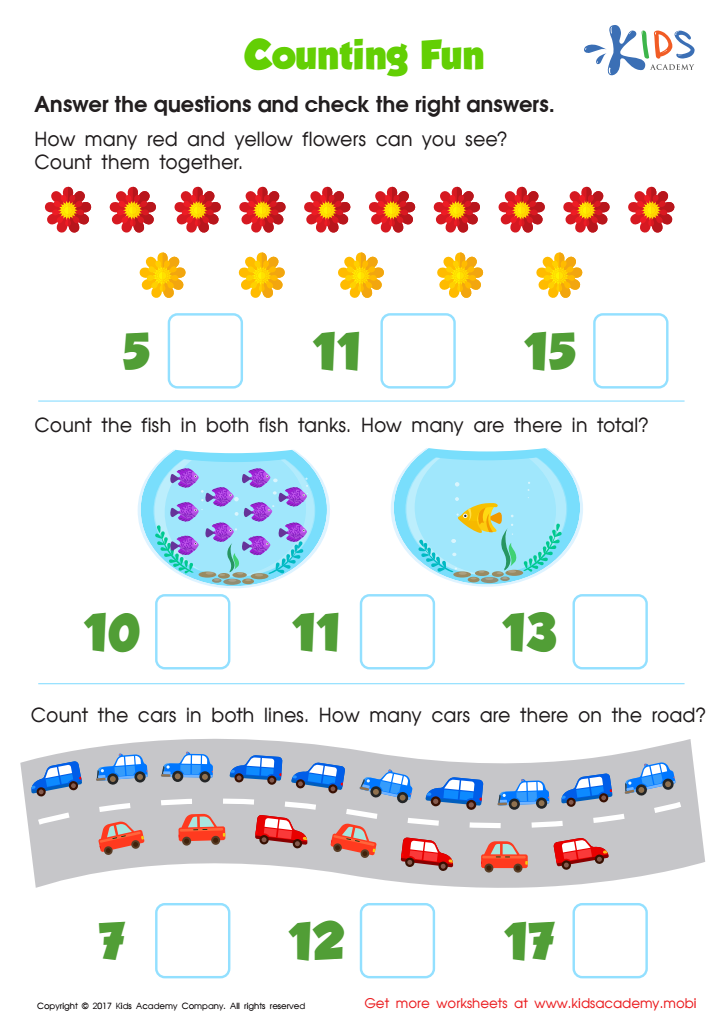
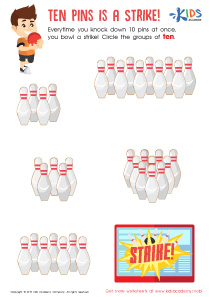
Counting Fun Worksheet
 Assign to My Students
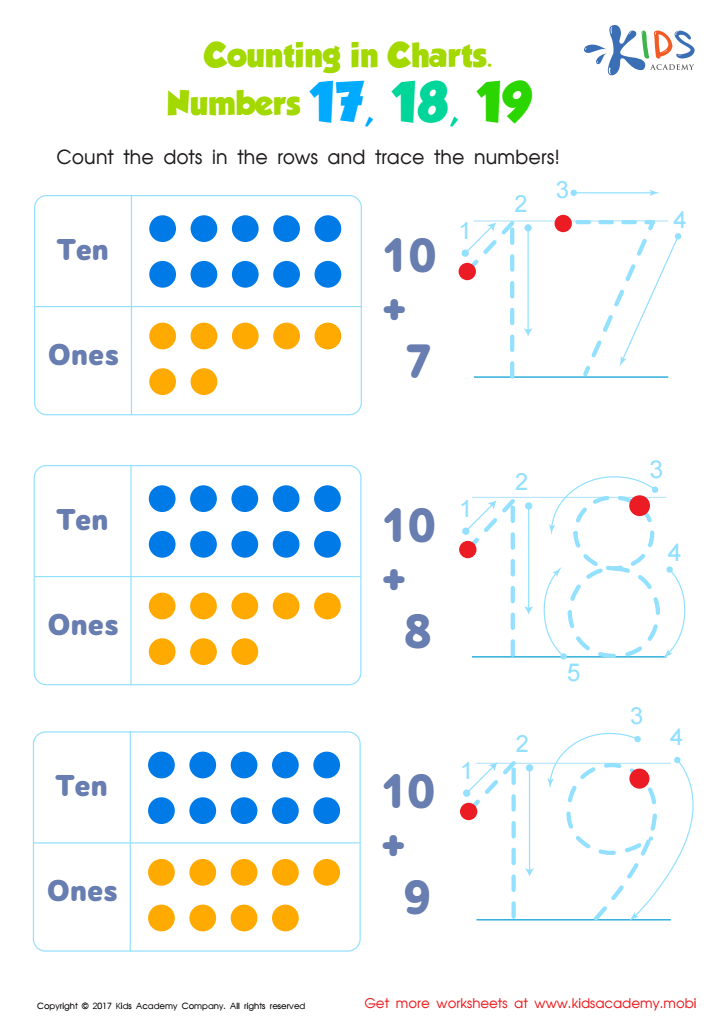
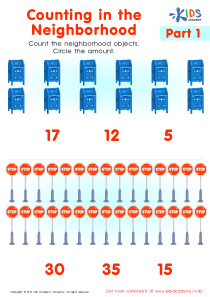
Kindergarten Number Tracing: Counting in Charts Worksheet
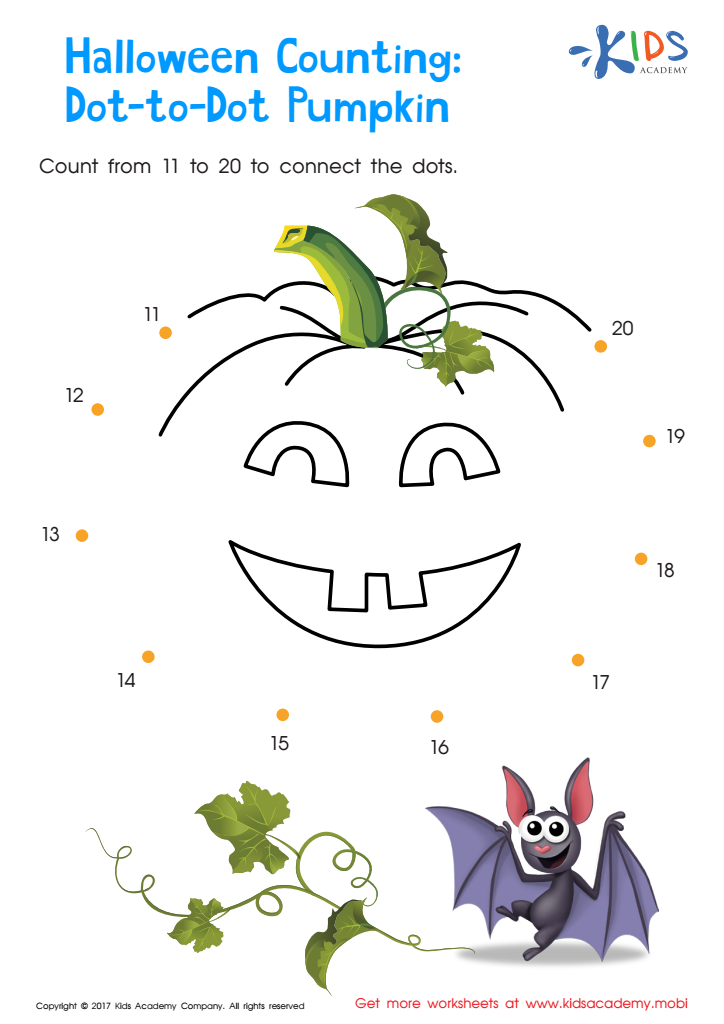
Ordering 11–20: Halloween Counting Worksheet
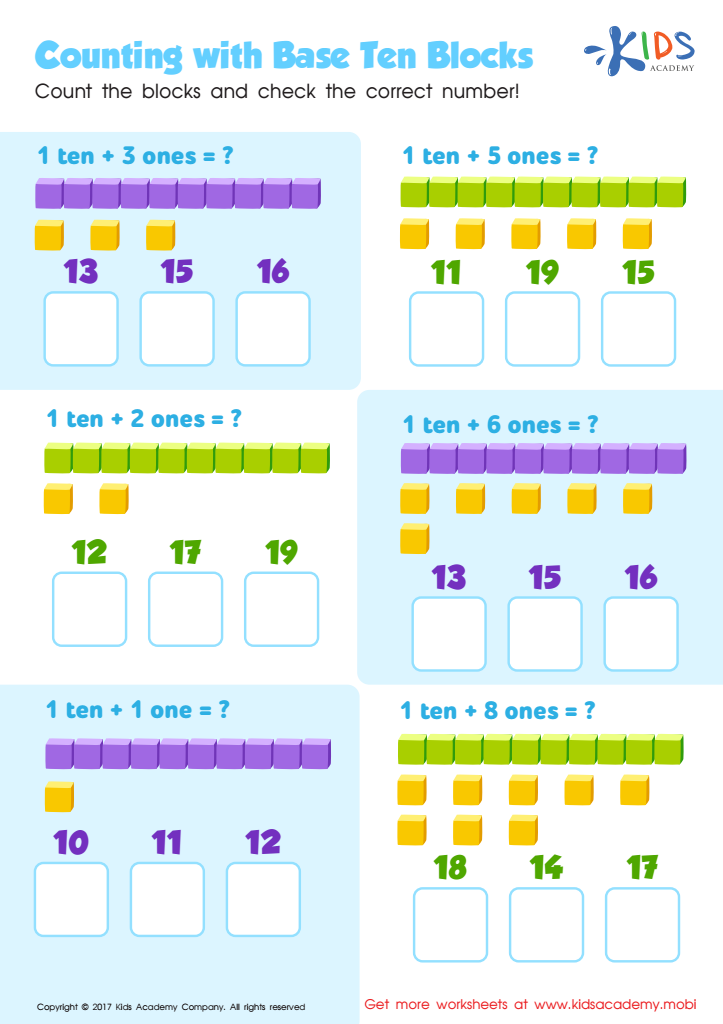
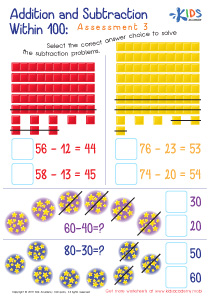
Counting with Base Ten Blocks Worksheet
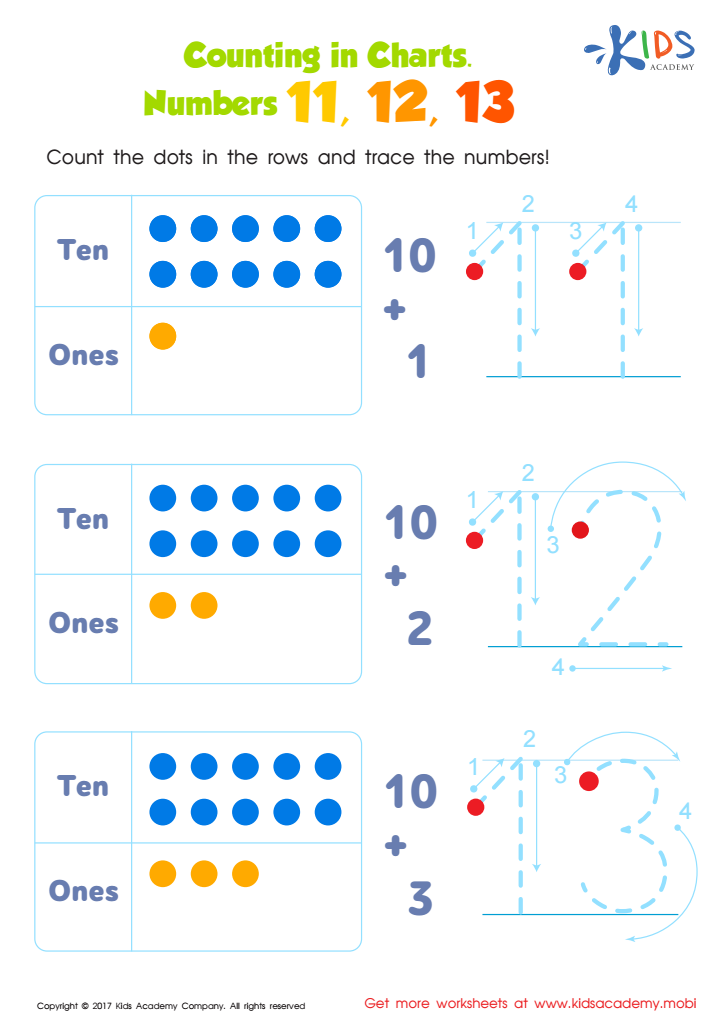
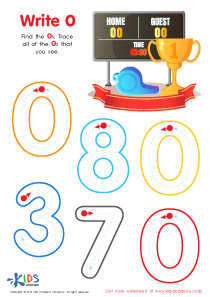
Number Tracing Worksheet For Kindergarten
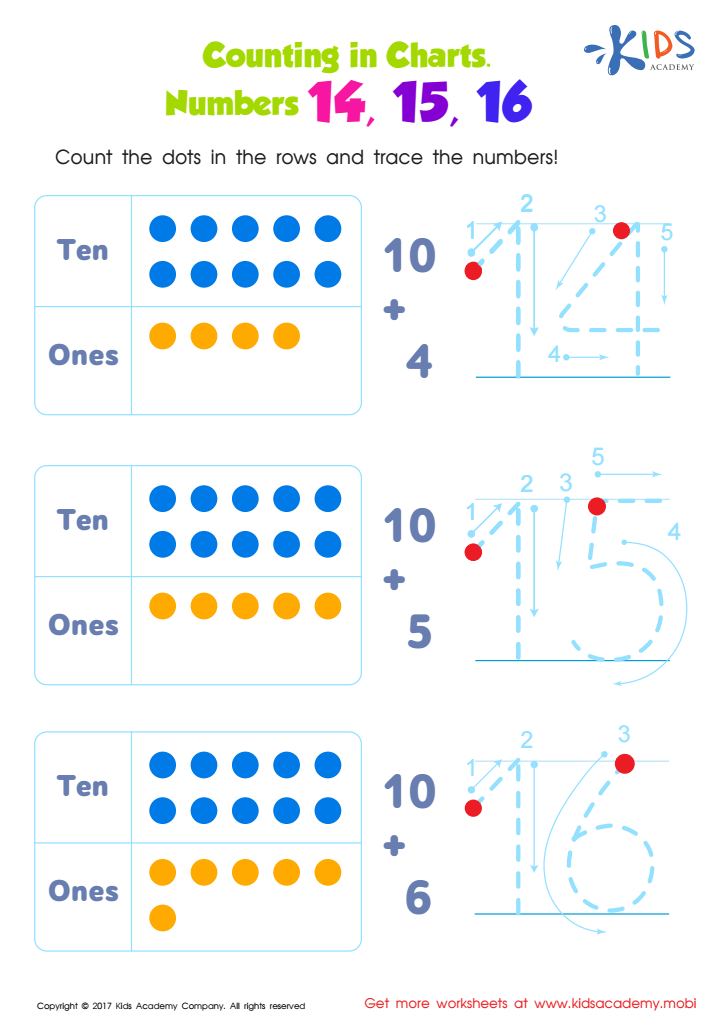
Number Tracing Worksheet



Number recognition for easy numbers 11-20 is a crucial foundation for children's mathematical development and overall cognitive growth. For parents and teachers, understanding and facilitating number recognition in this age group lays the groundwork for essential skills, such as counting, arithmetic, and problem-solving.
Firstly, recognizing numbers from 11 to 20 helps children transition from basic counting to understanding larger quantities. This recognition is vital, as it builds confidence and encourages them to engage more deeply with mathematical concepts in future learning. Knowing these numbers enables children to participate actively in class activities, be it counting objects, making group calculations, or even playing educational games that involve numbers.
Moreover, early number recognition supports broader cognitive skills. It enhances memory retention, strengthens visual and auditory processing, and develops logical reasoning. Engaging in number recognition practices fosters curiosity and exploration within mathematics, making it fun and stimulating.
Furthermore, consistent exposure and reinforcement from parents and teachers can lead to positive attitudes towards math, reducing anxiety and improving performance in later years. Investing time in teaching number recognition is not only about academics; it’s about setting children up for a successful future. Thus, understanding and championing early number recognition holds profound importance for children's lifelong learning journey.