Writing practice Easy ABC Letters Worksheets for Ages 3-9
3 filtered results
Difficulty Level
Grade
Age
-
From - To
Subject
Activity
Standards
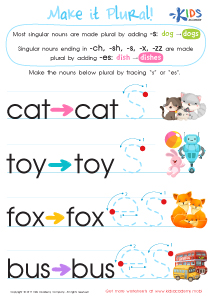
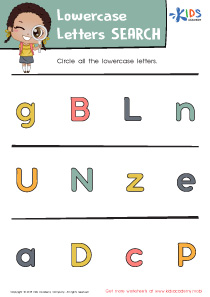
Enhance your child’s writing skills with our Easy ABC Letters Worksheets, specially designed for ages 3-9. These engaging worksheets provide a fun and interactive way for young learners to practice letter formation and develop fine motor skills. Featuring both uppercase and lowercase letters, the worksheets include tracing exercises, letter recognition activities, and creative prompts to foster a love for writing. Perfect for homeschooling or supplementary practice, our resources cater to various learning styles, ensuring every child can master the alphabet with confidence. Encourage your little one's literacy journey today with enjoyable and educational writing practice!
Favorites
With answer key
Interactive
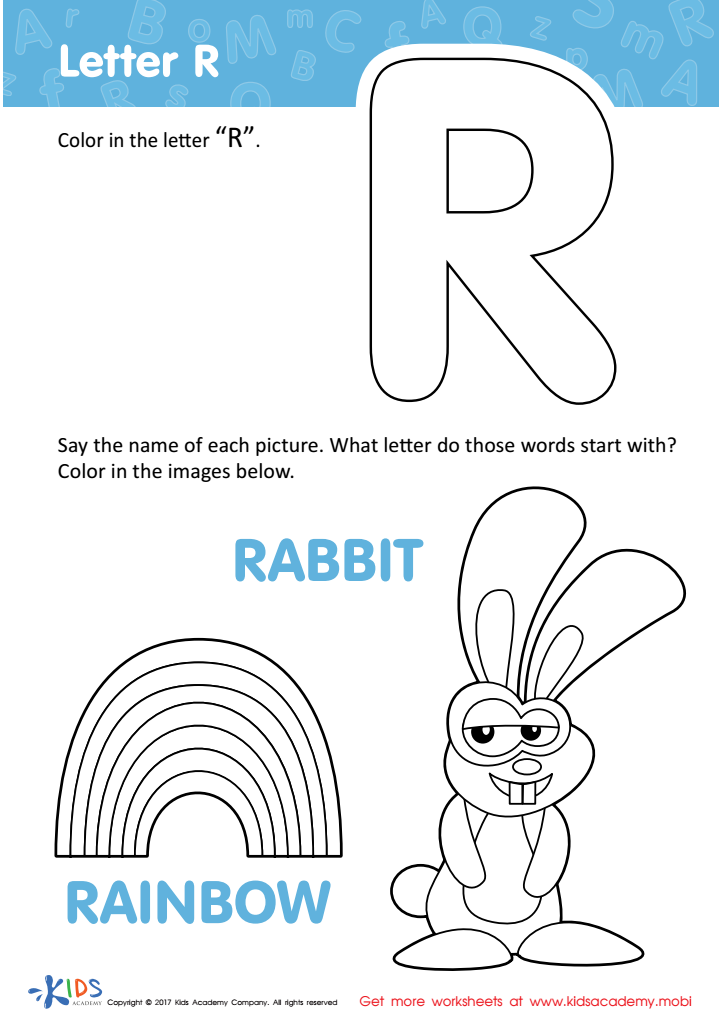
Letter R Coloring Sheet
Let your child explore the rainbow with this fun letter "R" coloring page! They can learn to recognize the letter and make connections to words, all while having fun! Make alphabet learning enjoyable with joyful coloring pages.
Download (PDF)
 Assign to My Students
Assign to My Students
Letter R Coloring Sheet
Worksheet





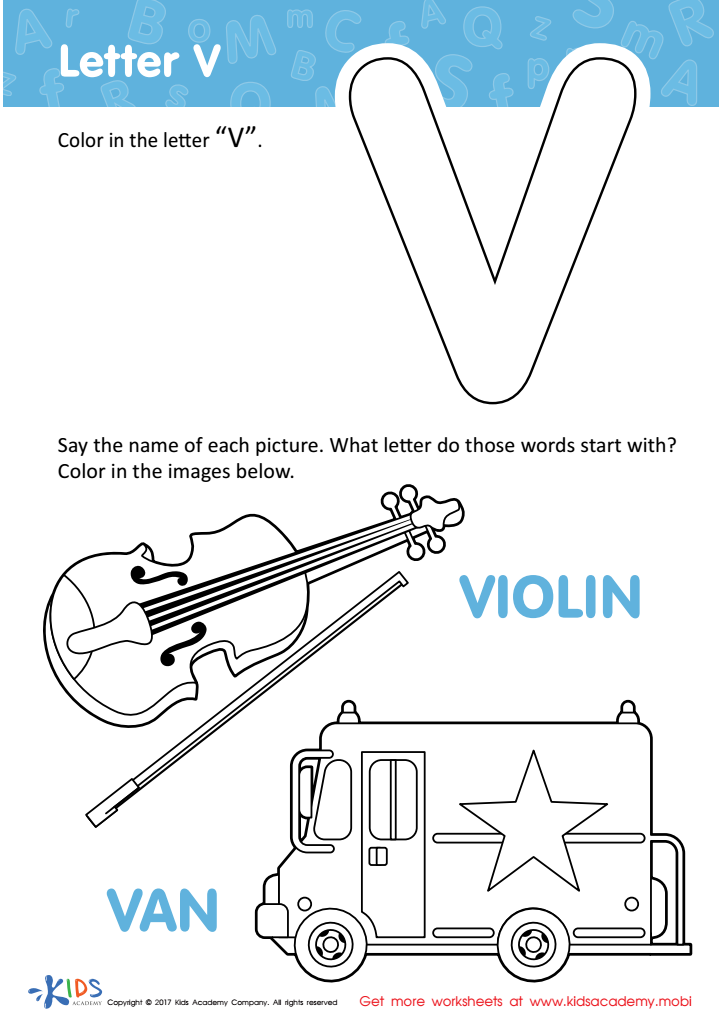
Letter V Coloring Sheet
This fun letter V coloring page can boost your child's knowledge of the letter "V" and its sound. Help them pronounce it correctly, too!
Download (PDF)
Assign to My Students
Assign to My Students
Letter V Coloring Sheet
Worksheet
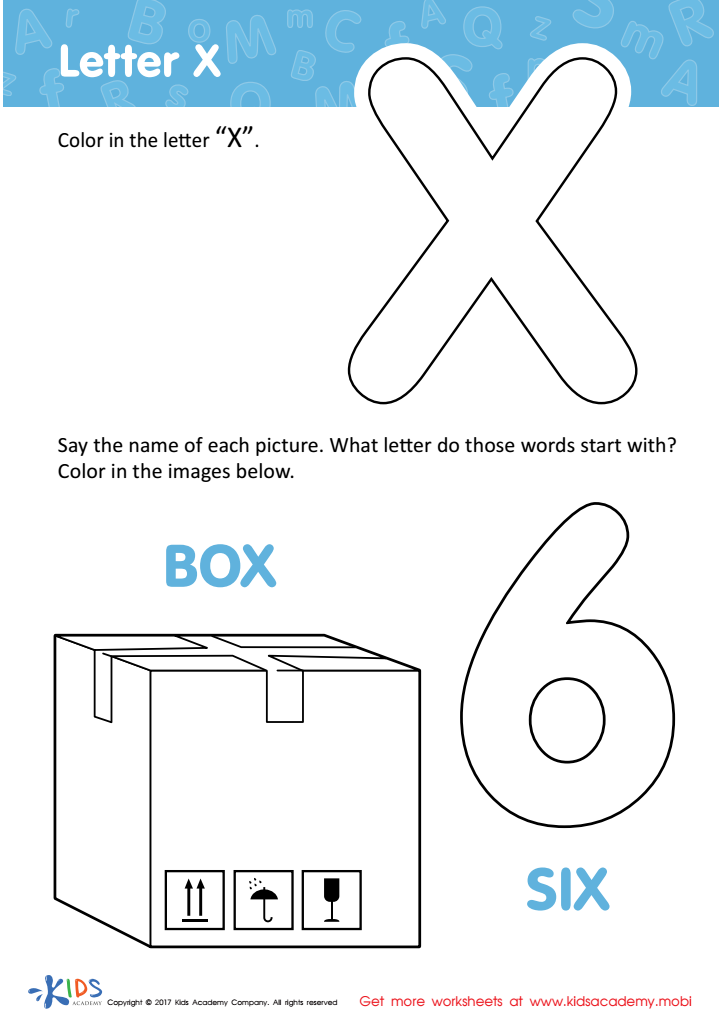
Letter X Coloring Sheet
Help your little learner find the letter "X" with this coloring page. Go over the sounds it makes and how to find it at the end of words. Unlock the mystery of this unique letter - it's one of the most challenging but rewarding letters to learn!
Download (PDF)
Assign to My Students
Assign to My Students
Letter X Coloring Sheet
Worksheet
Join Kids Academy for Free
Who is primarily going to use this learning content?







Writing practice using Easy ABC Letters is vital for children aged 3-9 for several reasons. Firstly, it fosters foundational literacy skills that are crucial for academic success. During these formative years, children develop their fine motor skills and hand-eye coordination through writing, which enhances their ability to engage with other academic tasks.
Moreover, writing helps children express themselves and communicate their thoughts more clearly. By mastering the alphabet through engaging activities, children gain confidence in their writing abilities, which encourages a love for reading and writing that can last a lifetime.
Involving parents and teachers in writing practices not only reinforces the learning process but also promotes bonding and support. When parents take an active role in this learning, they help solidify an understanding of letters and sounds, making the learning experience more enjoyable and effective.
Additionally, consistent writing practice lays the groundwork for more complex writing tasks as children grow older. When children become proficient in composing letters, they are better prepared for structured writing, such as essays and stories, in their later academic endeavors. Thus, making writing practice a priority is essential for cultivating both literacy and creativity in young learners.