Phonics recognition Easy Alphabet Worksheets for Ages 3-9
5 filtered results
-
From - To
Discover our Phonics Recognition Easy Alphabet Worksheets, perfect for children ages 3 to 9. Build foundational literacy skills with engaging, age-appropriate activities designed to make learning fun and effective. Our worksheets help young learners recognize letters, understand sounds, and form connections crucial for reading fluency. With vibrant illustrations and interactive exercises, children will enjoy exploring the world of phonics while gaining confidence in their abilities. Ideal for parents and educators, these worksheets provide an excellent resource for at-home learning or classroom use. Spark a love for reading with our comprehensive and accessible worksheets today!
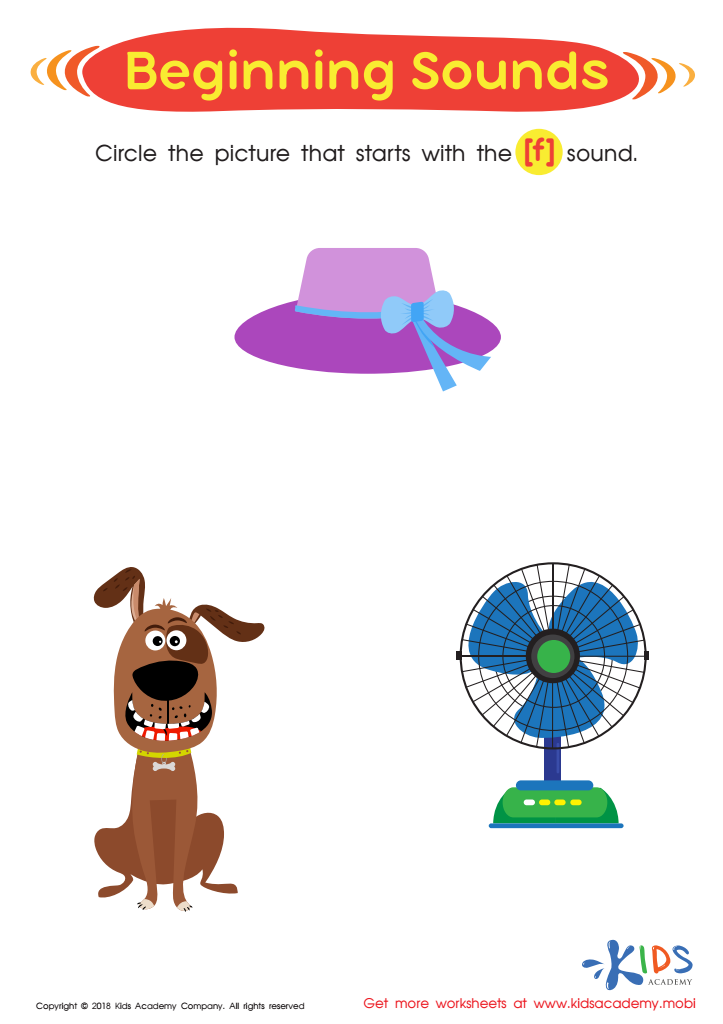
Beginning Sounds Assessment Printable
 Assign to My Students
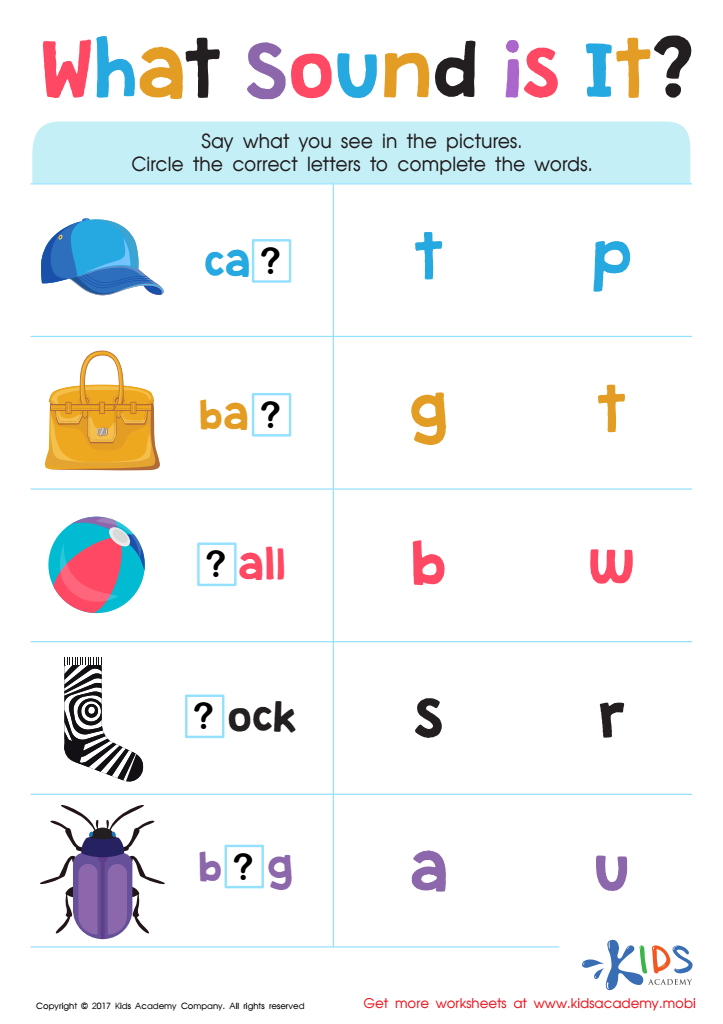
What Sound Is it? Worksheet
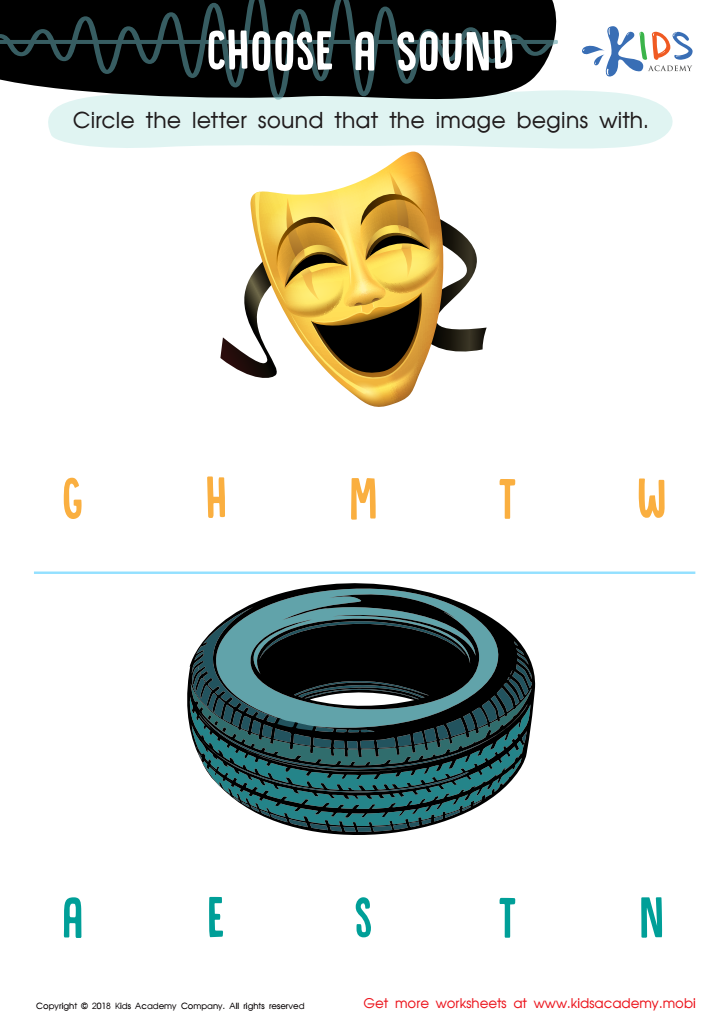
Choose a Sound Worksheet
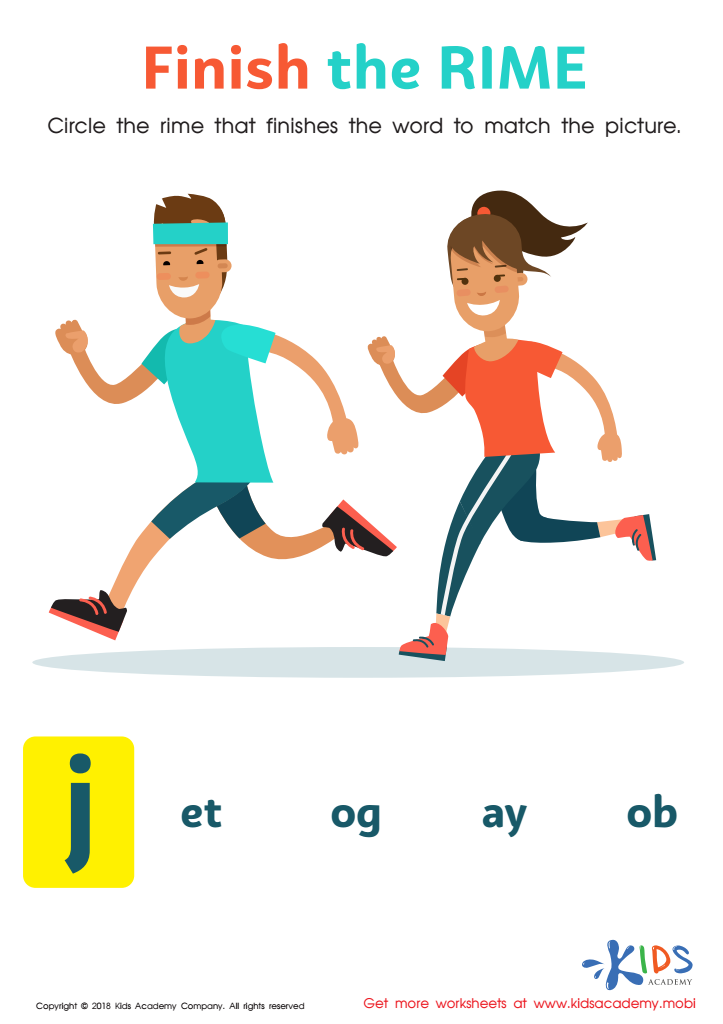
Finish the Rime Worksheet
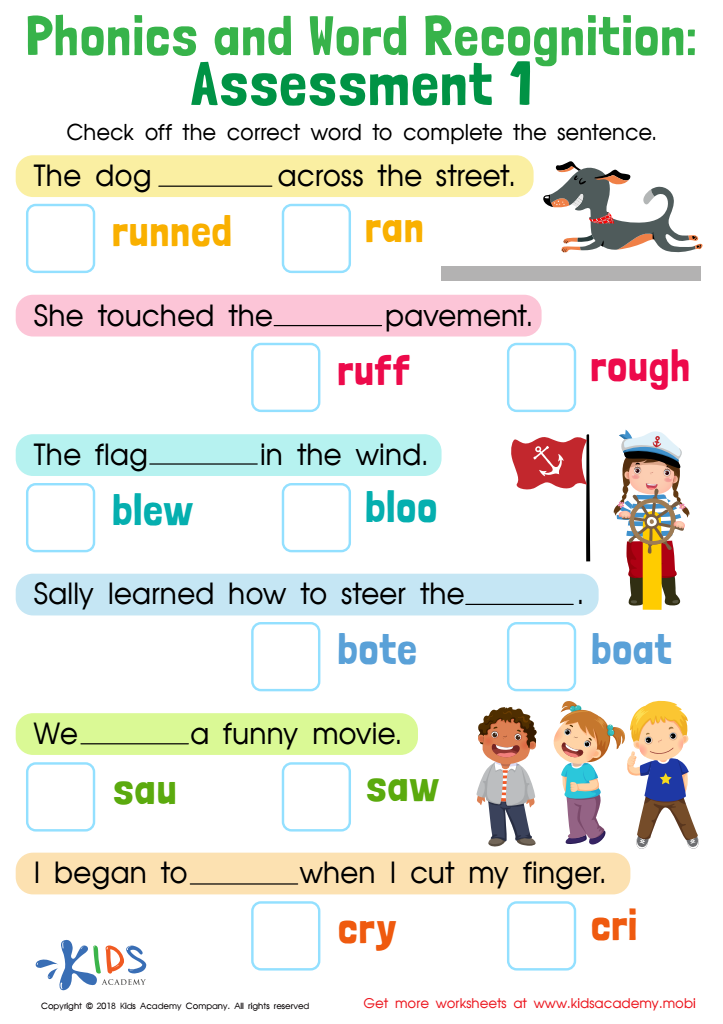
Phonics and Word Recognition: Assessment 1 Worksheet







Phonics recognition and familiarity with the alphabet are foundational elements in early childhood education, particularly for children aged 3-9. Phonics involves the relationship between sounds and their corresponding letters or groups of letters. Investing time in teaching children phonics can significantly impact their ability to read and write proficiently.
Early phonics education equips children with the skills to decode words, fostering independent reading and comprehension. When children understand how to sound out letters and blend those sounds to form words, they develop crucial language and cognitive skills. This ability supports not only their performance in English and literacy but also enhances their general academic proficiency and critical thinking.
Furthermore, phonics instruction promotes phonemic awareness, wherein children recognize and work with sounds in spoken language. This awareness is essential for spelling and aids in reducing incidences of reading difficulties and dyslexia. Consistently recognizing and practicing letter sounds establishes a robust vocabulary, earlier language expression, and a lifelong love of reading.
In short, incorporating phonics into early education provides children with the foundational tools required for successful communication and learning. Parents and teachers play a vital role in nurturing these skills, setting the stage for future educational success and fostering a positive attitude toward learning.