Fine Motor Skills Easy Letter Recognition Worksheets for Ages 3-9
6 filtered results
-
From - To
Develop essential fine motor skills and boost letter recognition with our Easy Letter Recognition Worksheets, tailored for children aged 3-9. Each activity is designed to make learning enjoyable, helping young learners practice pencil grip, hand-eye coordination, and letter formation. From tracing to matching, our worksheets promote confidence in alphabet knowledge. Perfect for parents and teachers, these resources are both fun and educational, providing structured yet playful exercises. Encourage your child’s development today with our expertly crafted worksheets that lay a strong foundation for reading and writing skills while enhancing fine motor abilities.
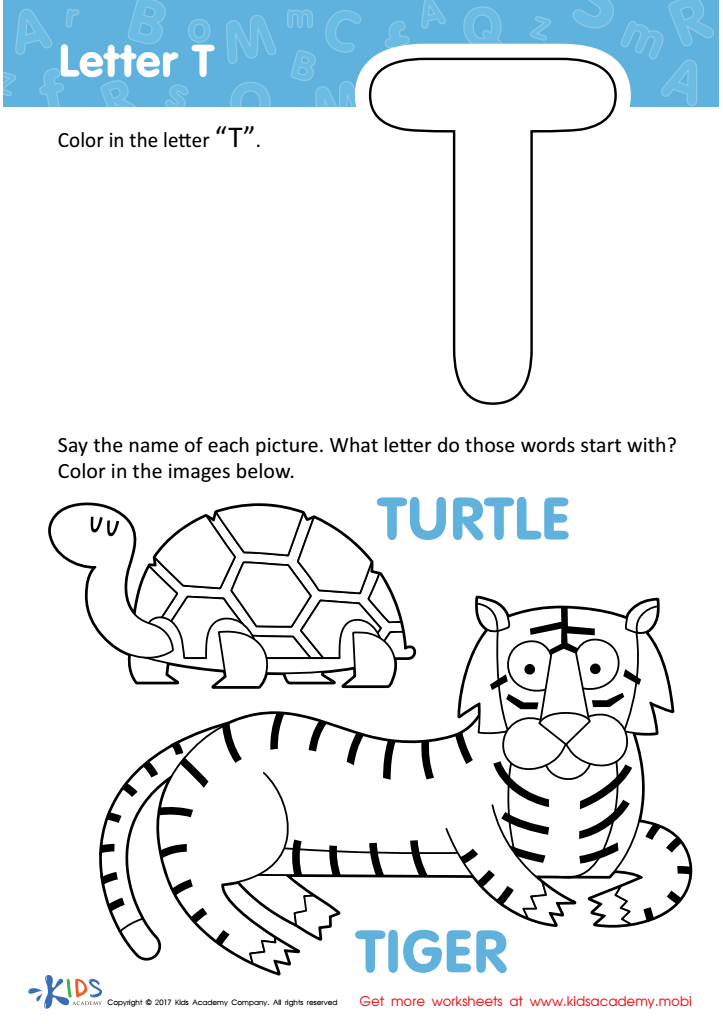
Letter T Coloring Sheet
 Assign to My Students
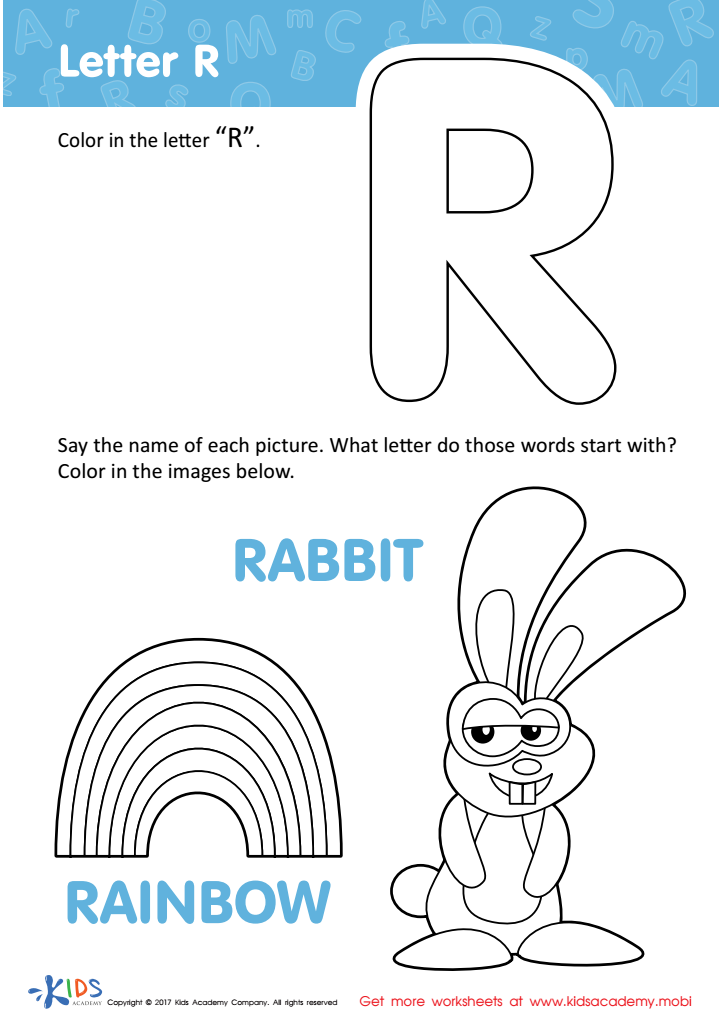
Letter R Coloring Sheet
Assign to My Students
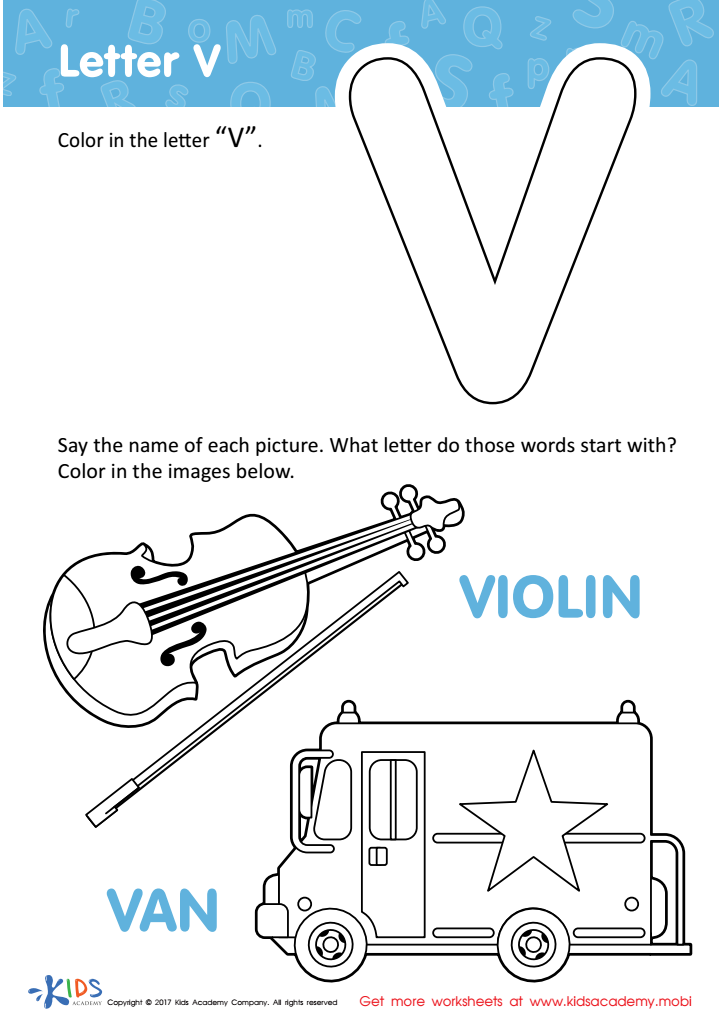
Letter V Coloring Sheet
Assign to My Students
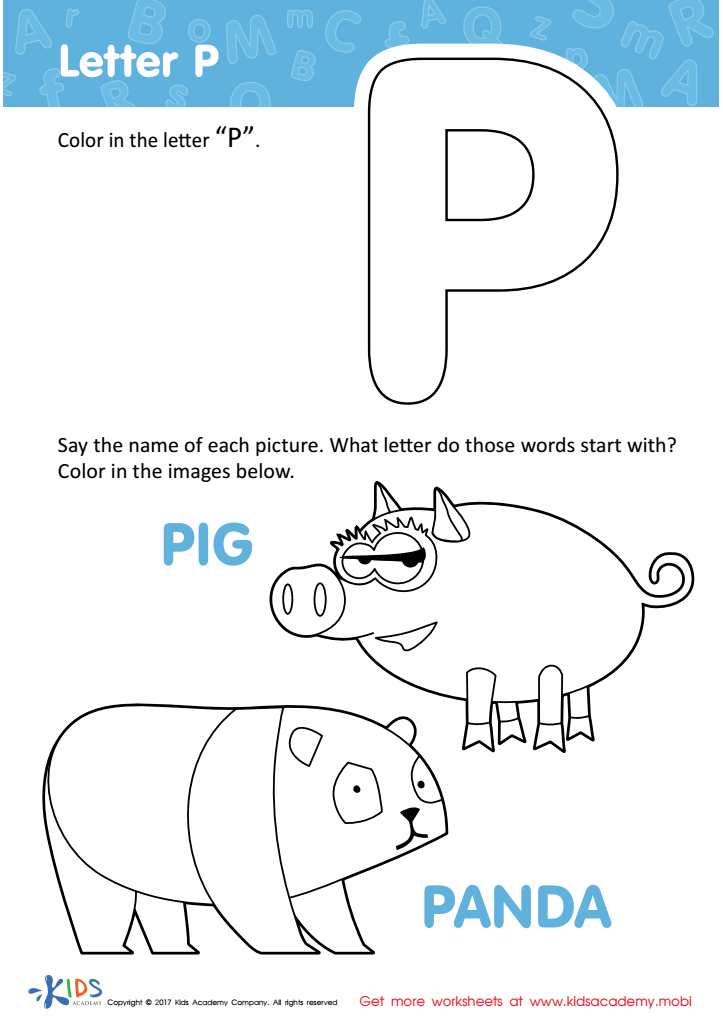
Letter P Coloring Sheet
Assign to My Students
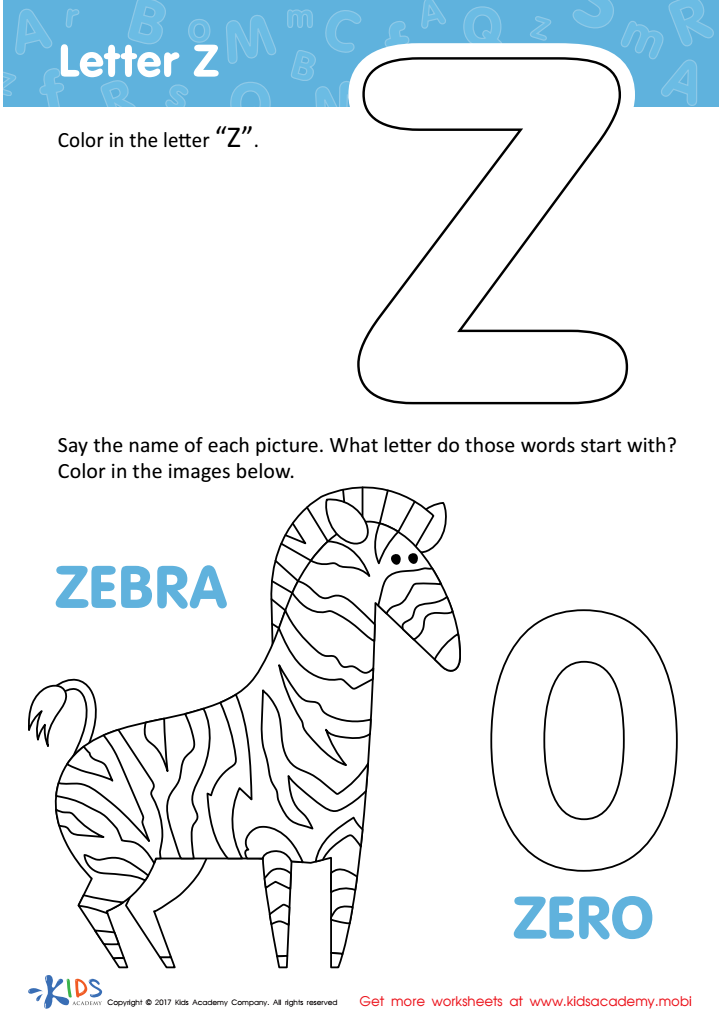
Letter Z Coloring Sheet
Assign to My Students
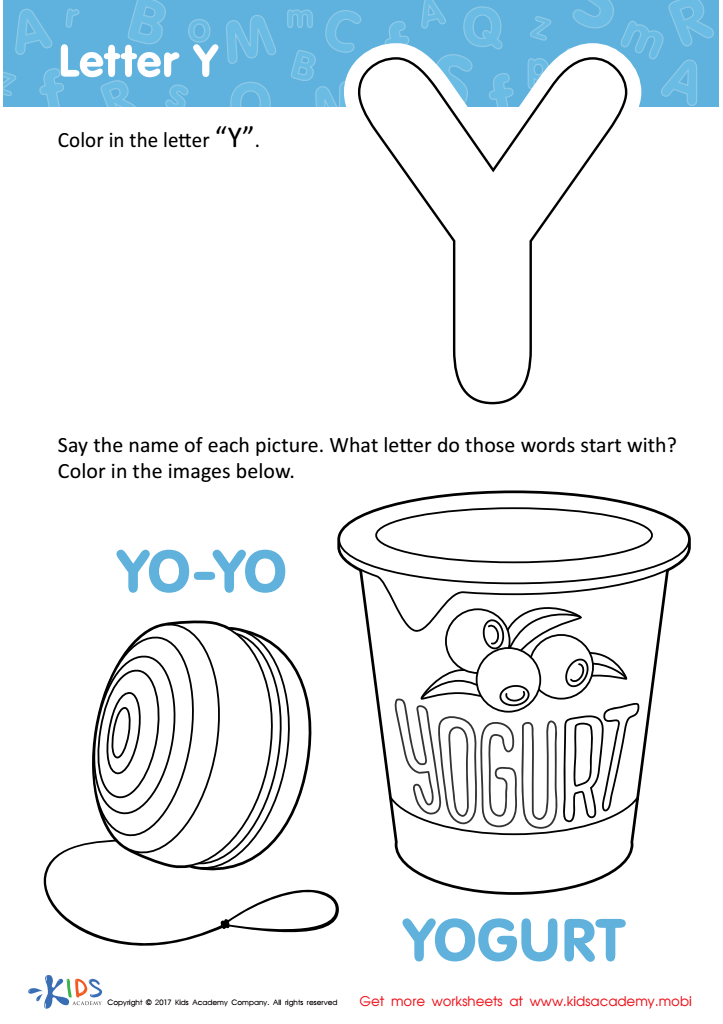
Letter Y Coloring Sheet
Assign to My Students








Fine motor skills and easy letter recognition are crucial developmental milestones for children aged 3-9, forming the bedrock for academic success and everyday functional abilities. Fine motor skills, such as the ability to grasp small objects, use scissors, and write legibly, are essential for various classroom tasks and daily activities. These skills are interlinked with cognitive development and can impact a child’s ability to perform self-care routines like tying shoes and feeding themselves, fostering independence and self-esteem.
Letter recognition is foundational for literacy, enhancing a child's ability to read and write. Early mastery of this skill can significantly improve a child’s academic trajectory, aiding in the development of vocabulary, comprehension, and communication. Recognizing letters effortlessly allows children to focus on word patterns and meanings rather than struggling with basic identification, thereby fostering a love for reading and learning.
By prioritizing fine motor skills and early letter recognition, parents and teachers can provide children with the tools they need to excel academically and socially. Through activities like puzzles, drawing, and tracing letters, adults can nurture these abilities in a fun, engaging manner, setting the stage for lifelong learning and success. Both elements are therefore integral to early childhood education, warranting close attention and consistent encouragement.