Basic Math Skills Easy Worksheets for Ages 3-9 - Page 2
31 filtered results
-
From - To
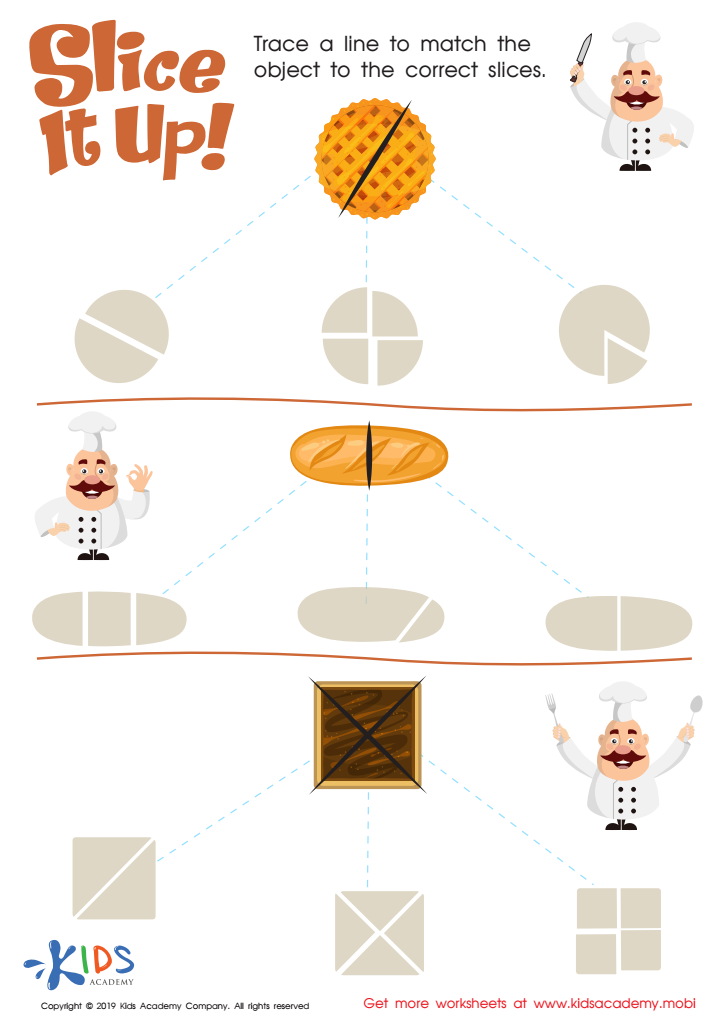
Slice It Up Worksheet
 Assign to My Students
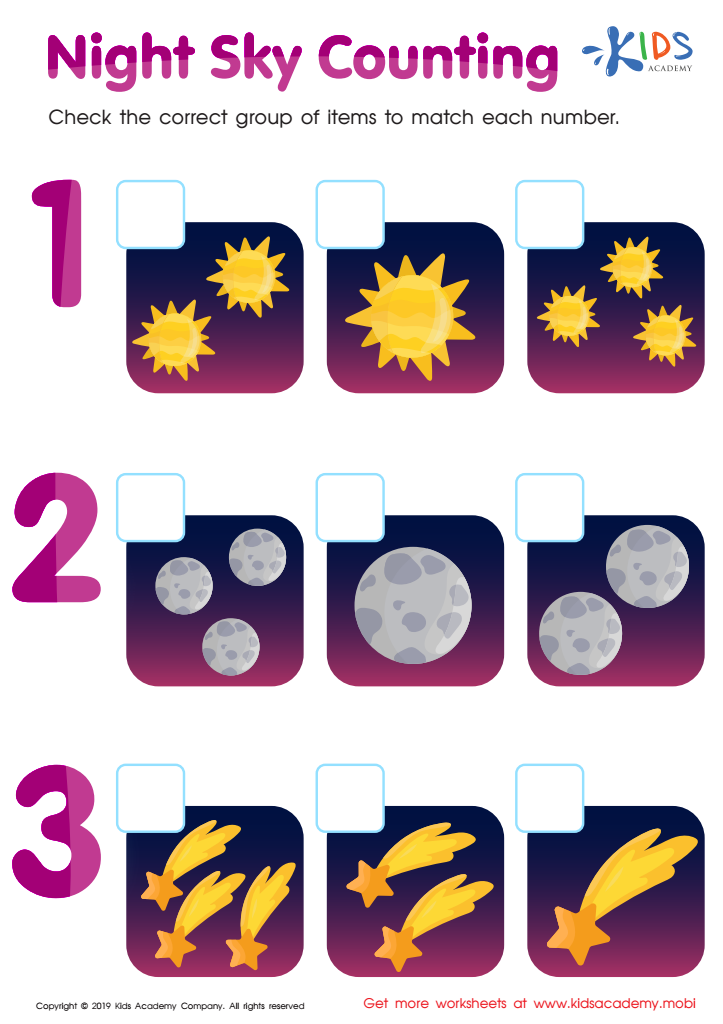
Night Sky Counting Worksheet
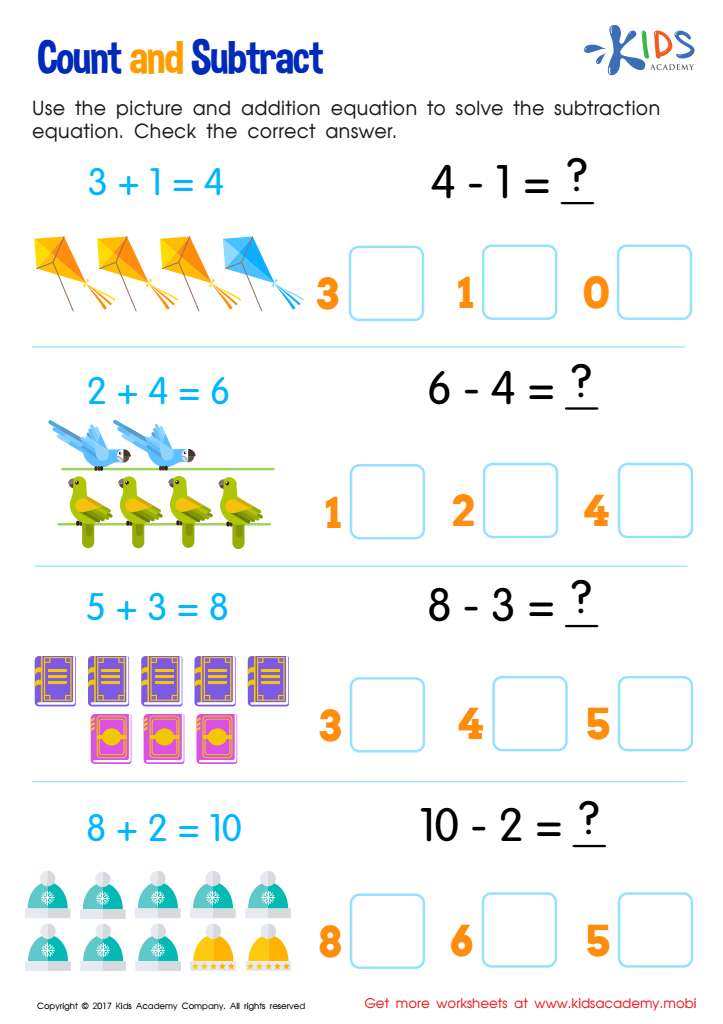
Count and Subtract Worksheet
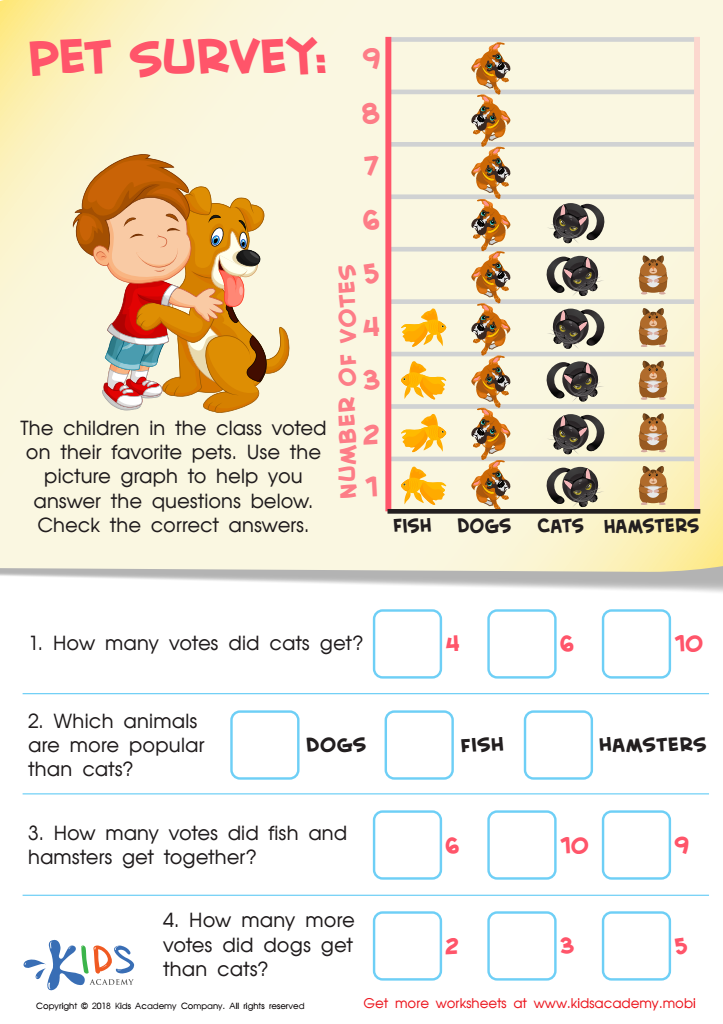
Pet Survey Worksheet
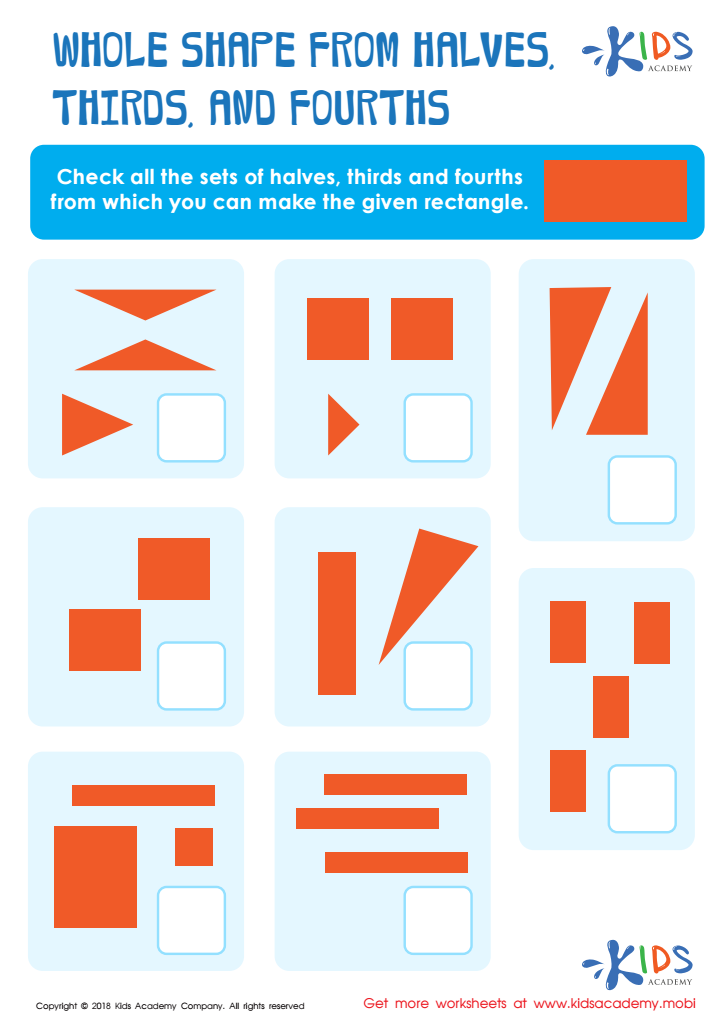
Whole Shape from Halves, Thirds and Fourths Worksheet
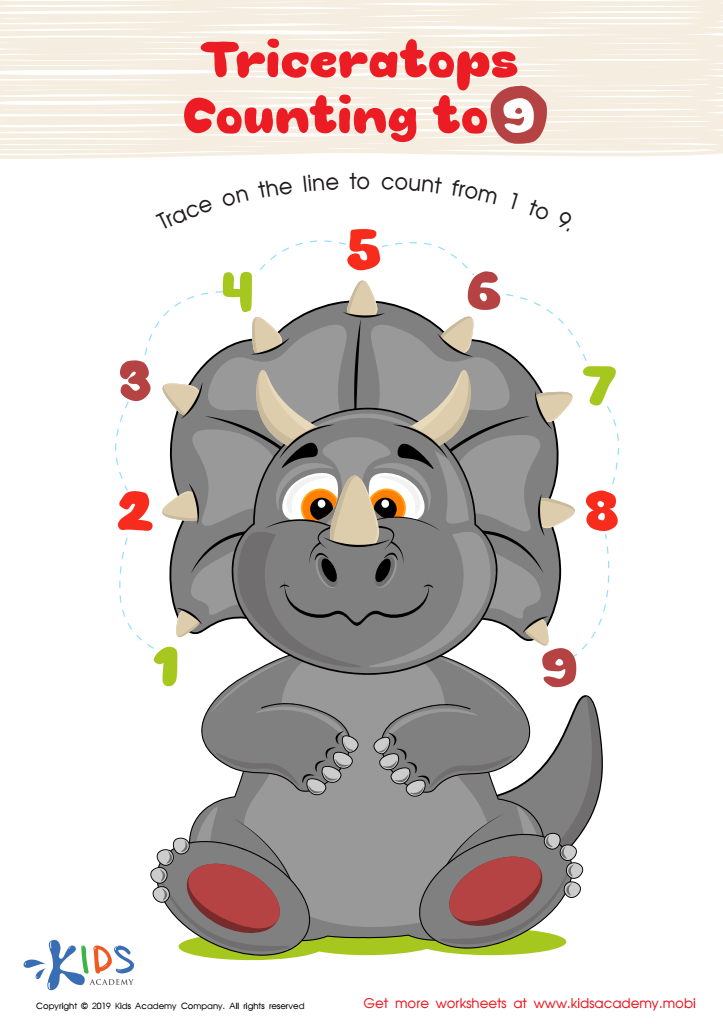
Triceratops Counting to 9 Worksheet
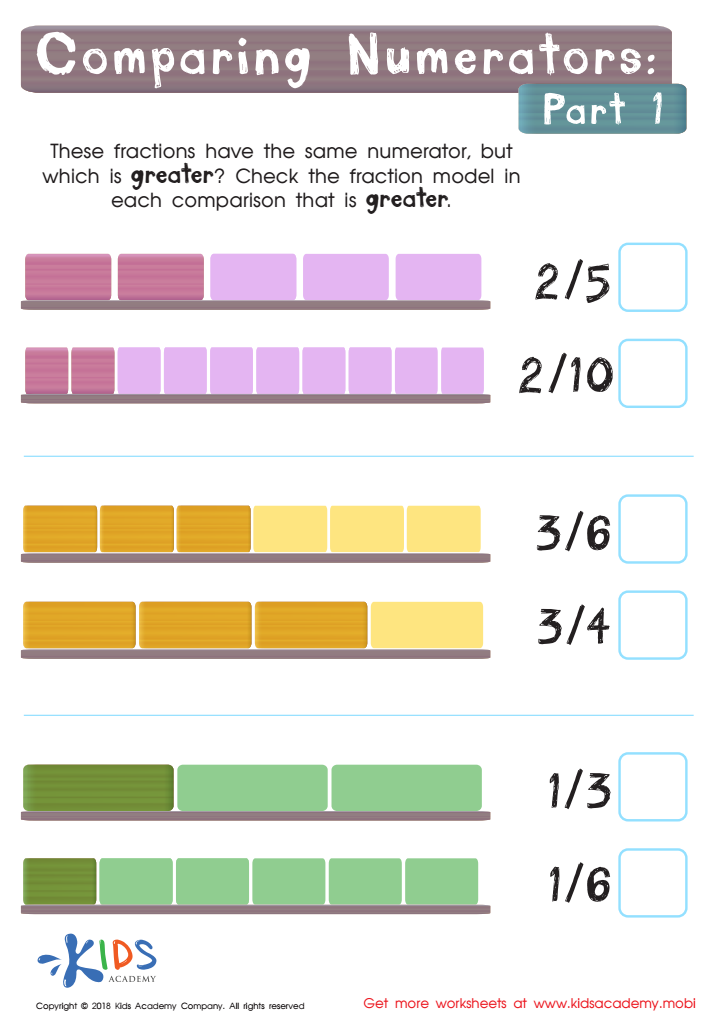
Comparing Numerators Part 1 Worksheet



.jpg)




Parents and teachers should prioritize basic math skills for children aged 3-9 because these foundational skills are crucial for overall development and future academic success. At this age, children are naturally curious and eager to learn, making it an ideal time to introduce mathematical concepts through playful activities. Mastery of basic math skills, such as counting, recognizing shapes, and understanding simple addition and subtraction, boosts cognitive development and enhances logical reasoning abilities.
Early math skills also serve as a gateway for more complex subjects later on. Children who grasp basic math tend to perform better in advanced math and science classes in their educational journey. Furthermore, math skills are integral to everyday life, influencing financial literacy, problem-solving, and decision-making as they grow.
Fostering a positive attitude towards math during these formative years can help combat math-related anxiety in later schooling. Engaging children in interactive and fun math activities not only supports their learning but also strengthens the parent-child or teacher-student relationship. Ultimately, investing in basic math skills builds a solid foundation that empowers children both academically and personally, equipping them with essential tools for navigating the world around them.








