Fine motor development Easy Worksheets for Ages 3-9
3 filtered results
-
From - To
Discover our collection of Fine Motor Development Easy Worksheets designed for ages 3-9. These engaging activities help young learners develop essential hand-eye coordination, dexterity, and pencil control skills through fun, age-appropriate exercises. From tracing shapes and letters to cutting along lines, our worksheets are perfect for fostering fine motor abilities in a playful and educational manner. Our expertly crafted resources support your child’s developmental milestones, ensuring they gain confidence and proficiency in their fine motor tasks. Visit us to give your child a head start in skills that pave the way for successful handwriting and academic achievement.
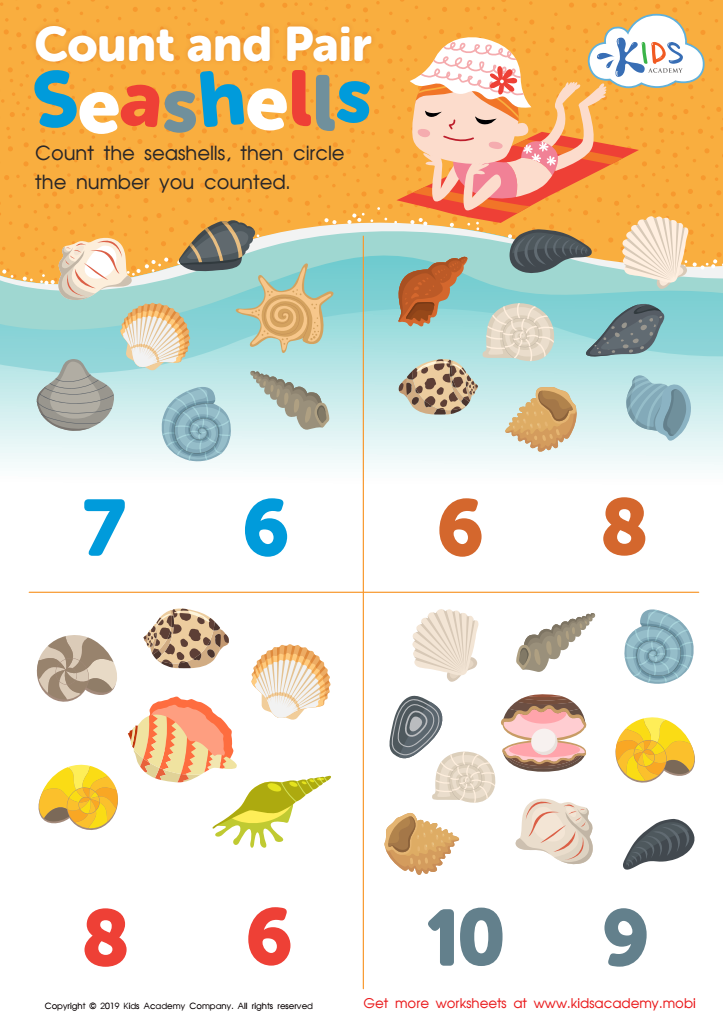
Count and Pair Seashells Worksheet
 Assign to My Students
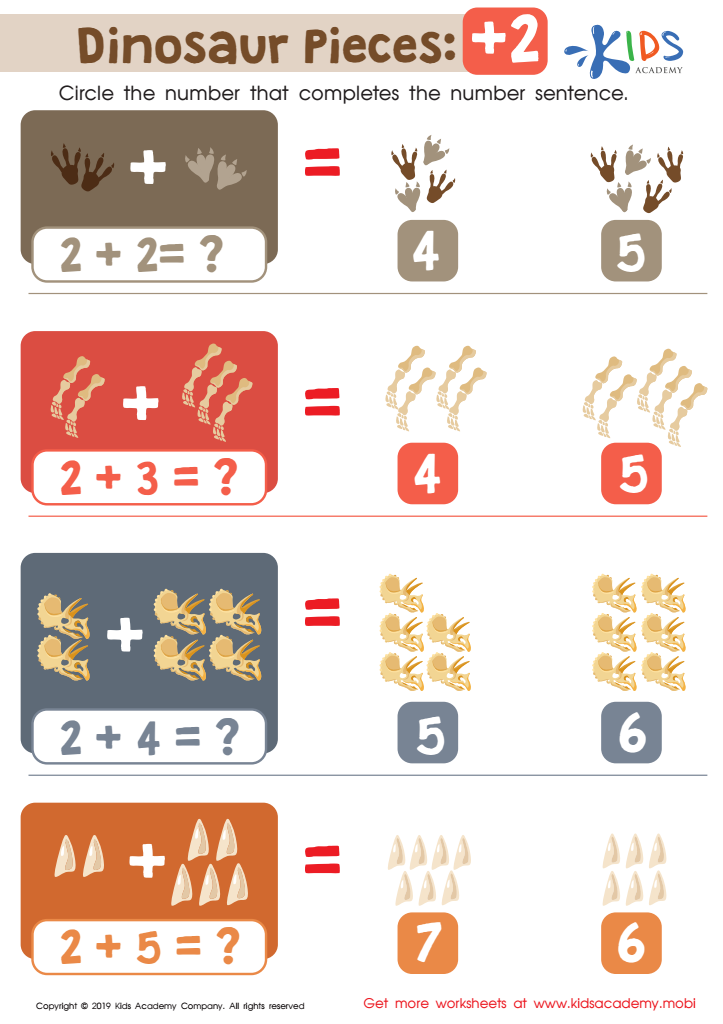
Dinosaur Pieces: +2 Worksheet



.jpg)





Fine motor development is essential for children aged 3-9 as it involves the coordination of small muscles in movements, most notably in the hands and fingers. This development is crucial for daily activities such as buttoning clothes, tying shoelaces, and using cutlery. It's also fundamental for academic success; skills like writing, drawing, and cutting with scissors rely on fine motor control.
Parents and teachers should care about this development because it directly impacts a child's ability to be independent and confident in their abilities. Adequate fine motor skills enable children to handle classroom tasks efficiently, participate in creative activities, and build self-esteem. For instance, a child who struggles to hold a pencil properly may find writing laborious, leading to frustration and a potential dislike for school. By fostering fine motor skills through engaging activities like playing with clay, bead stringing, and coloring, adults can support a child’s developmental needs.
Moreover, strong fine motor skills are linked to cognitive development, enhancing problem-solving and concentration. Early intervention can prevent future academic and social challenges, making it imperative for parents and teachers to prioritize activities that nurture fine motor skills, ensuring a well-rounded foundation for children’s growth and learning.








