Categorization skills Easy Numbers Worksheets for Ages 3-9
4 filtered results
-
From - To
Discover engaging "Categorization Skills Easy Numbers Worksheets for Ages 3-9" designed to enhance your child's learning journey. These worksheets help young learners develop vital categorization skills through fun, age-appropriate activities. Children can classify numbers, group objects, and identify patterns, boosting their analytical thinking and number sense. Tailored for kids aged 3-9, these printable resources support early math concepts and cognitive development, ensuring foundational skills are built with ease. Perfect for parents and educators, our easy-to-use worksheets make learning both enjoyable and educational. Unlock your child's potential with these comprehensive categorization activities today!
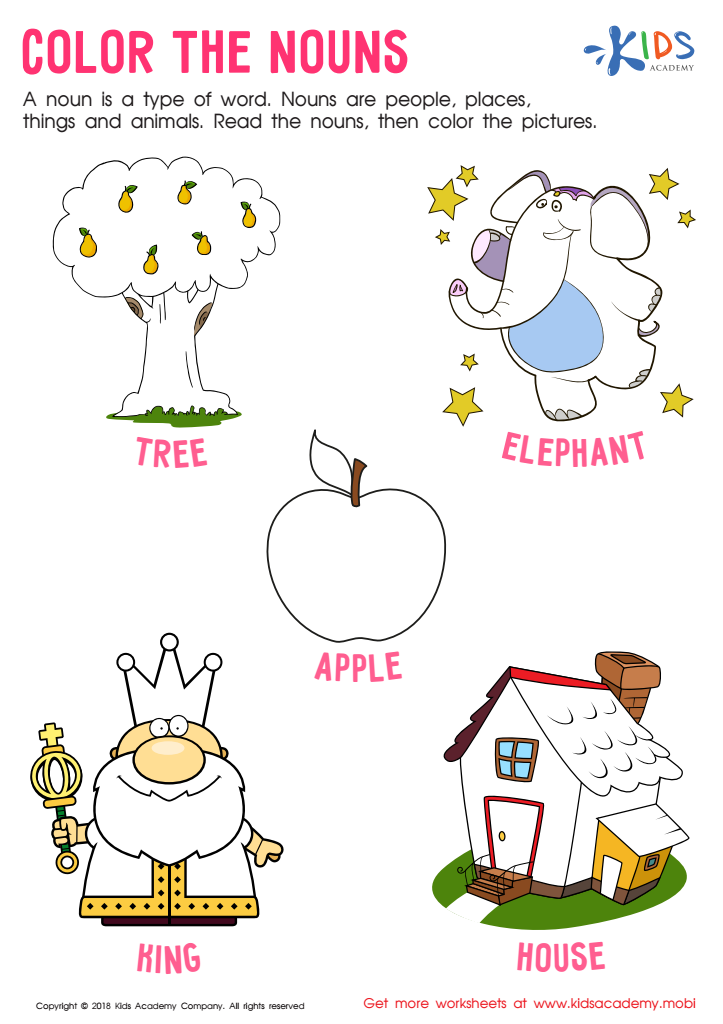
Color the Nouns Worksheet
 Assign to My Students
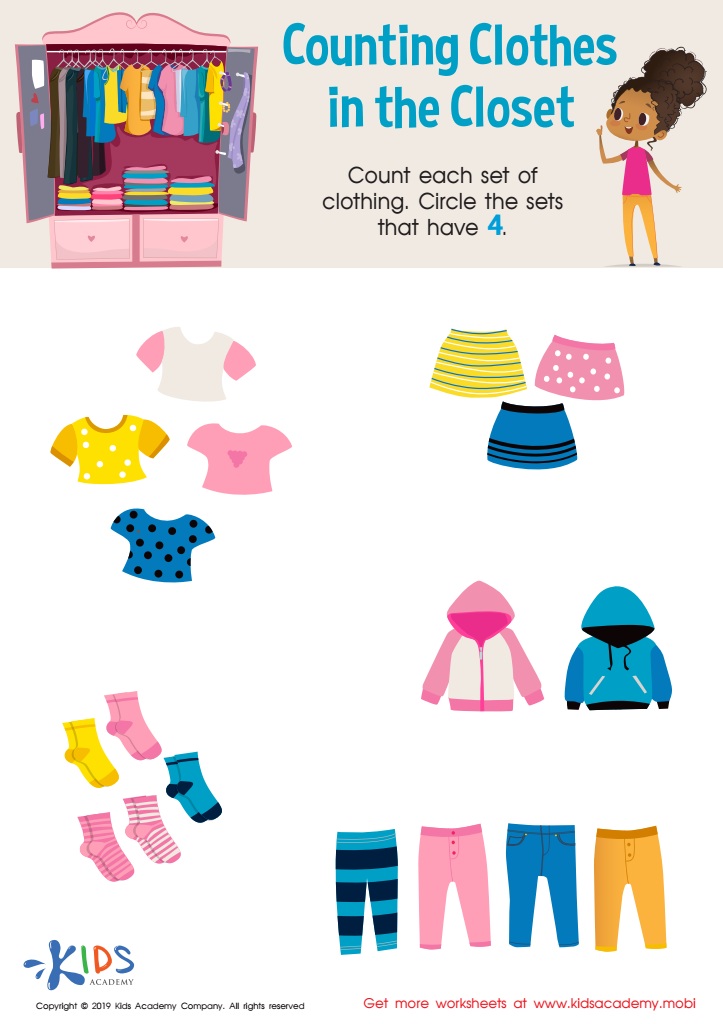
Counting Clothes Worksheet
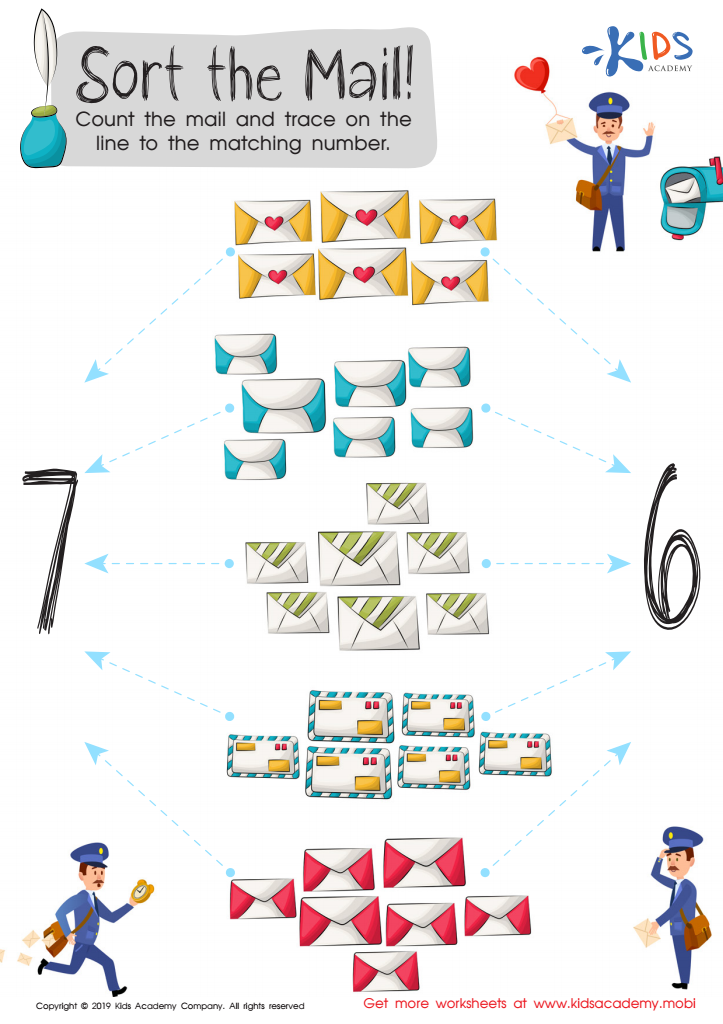
Sort the Mail Worksheet
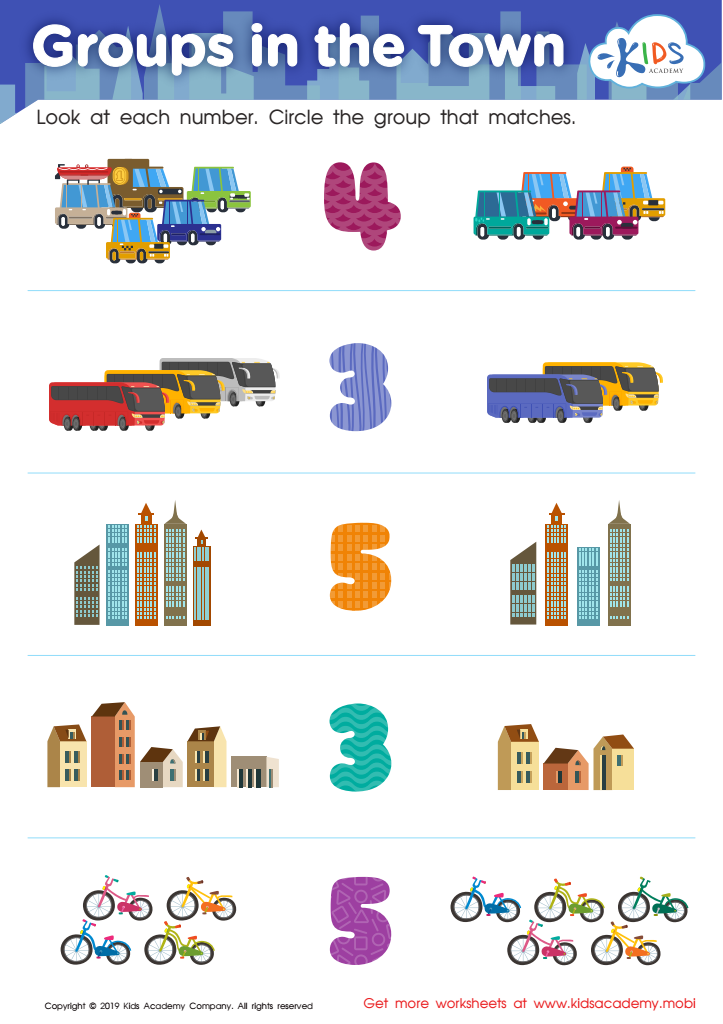
Groups in the Town Worksheet






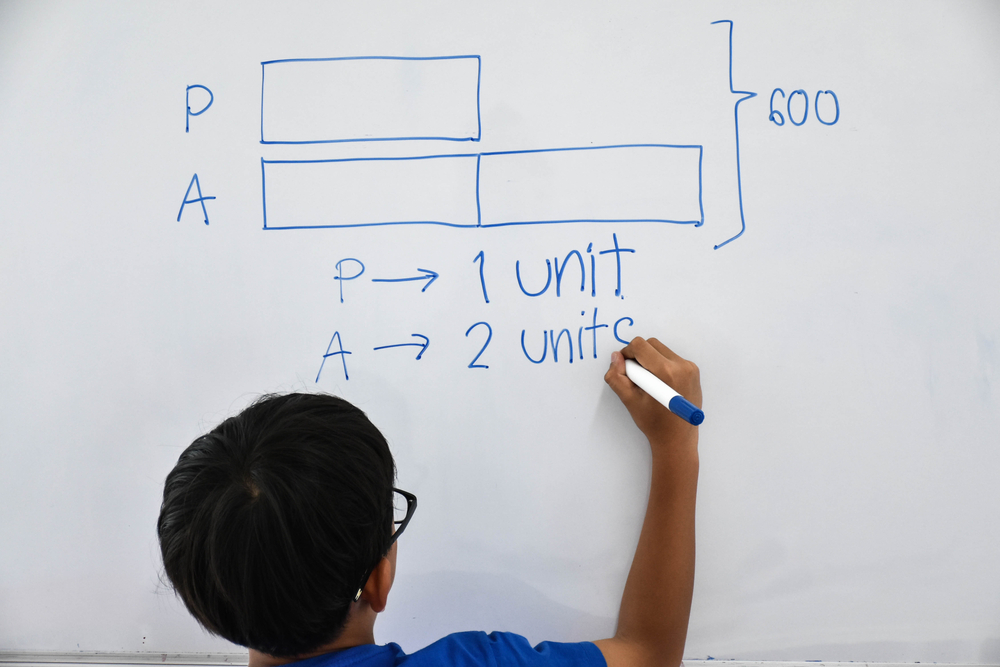

Categorization skills and basic number concepts are foundational for young children's cognitive development, making them essential focus areas for parents and teachers of children ages 3-9. First, categorization helps children organize and process information. By learning to group objects based on common features, children develop critical thinking and problem-solving abilities. These skills are fundamental for understanding the world around them, aiding in subjects like science and literacy.
Easy numbers, or basic numerical understanding, introduce children to essential math concepts early on. Recognizing numbers, counting objects, and simple addition and subtraction lay the groundwork for more complex mathematical operations they will encounter later. Early proficiency in math is linked to better outcomes in academic achievement and future job opportunities.
Moreover, categorization and number skills often go hand-in-hand. Sorting objects by quantity, for example, encourages both categorization and basic numerical understanding. Structured activities involving these skills can make learning engaging and fun, fostering a positive attitude toward education.
By prioritizing these skills, parents and teachers arm children with the tools they need not only for academic success but also for daily life, where categorization and basic math are frequently utilized. This dual-benefit approach secures a robust intellectual foundation for young learners.








