Fine Motor Skills Easy Numbers Worksheets for Ages 3-9 - Page 2
29 filtered results
-
From - To
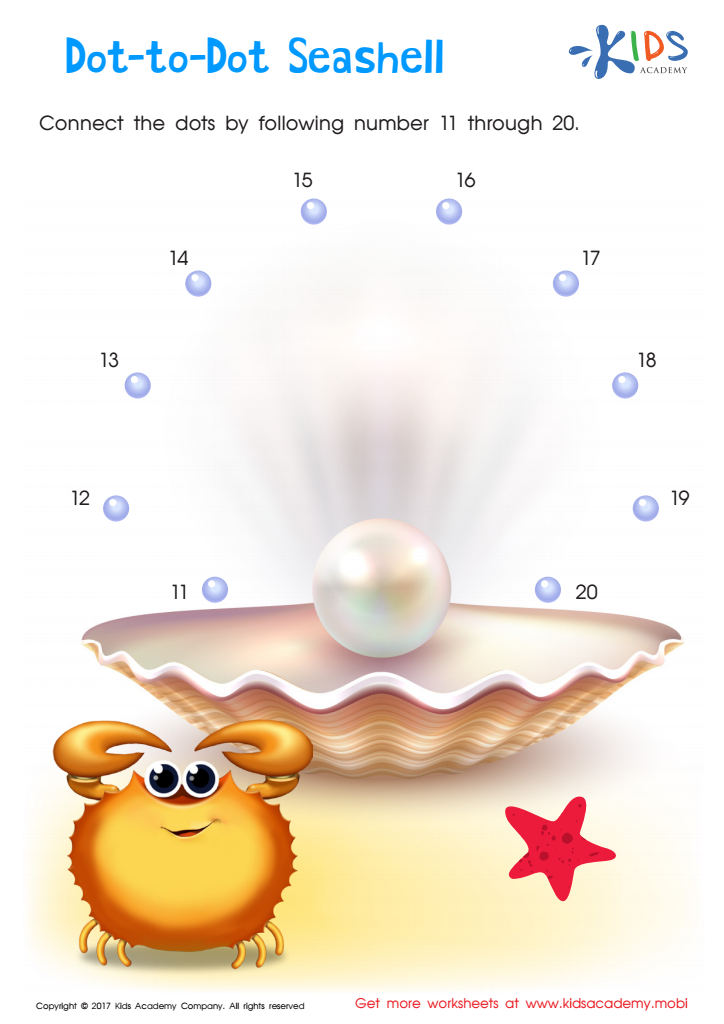
Ordering 11–20: Dot–to–dot Seashell Printable
 Assign to My Students
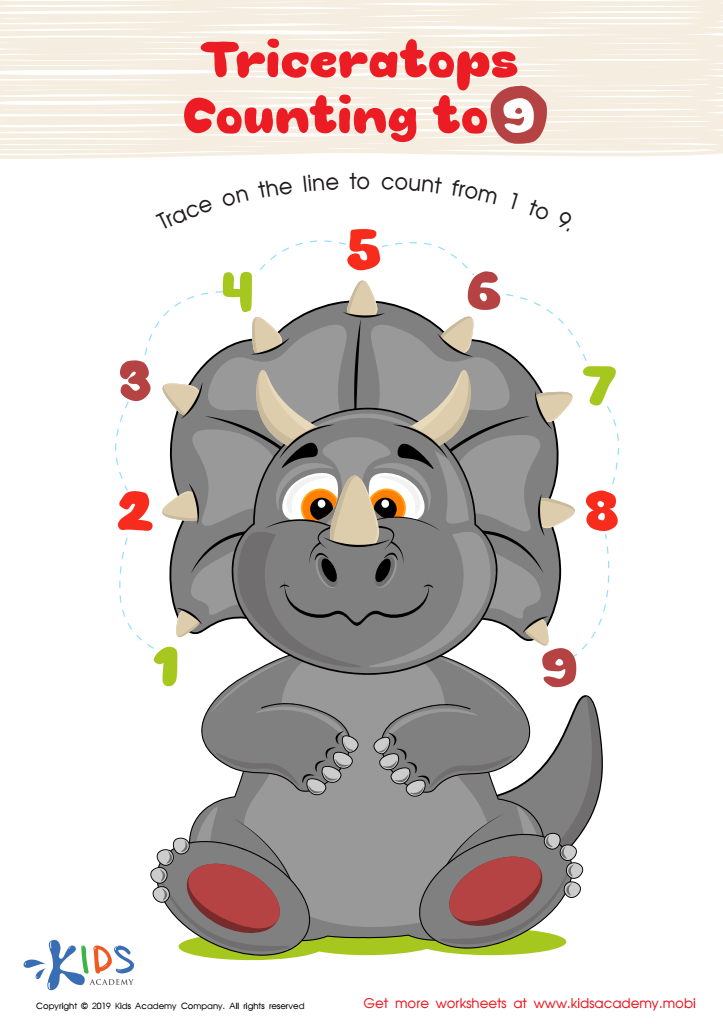
Triceratops Counting to 9 Worksheet

Counting on the City Skyline: Dot-to-Dot Worksheet
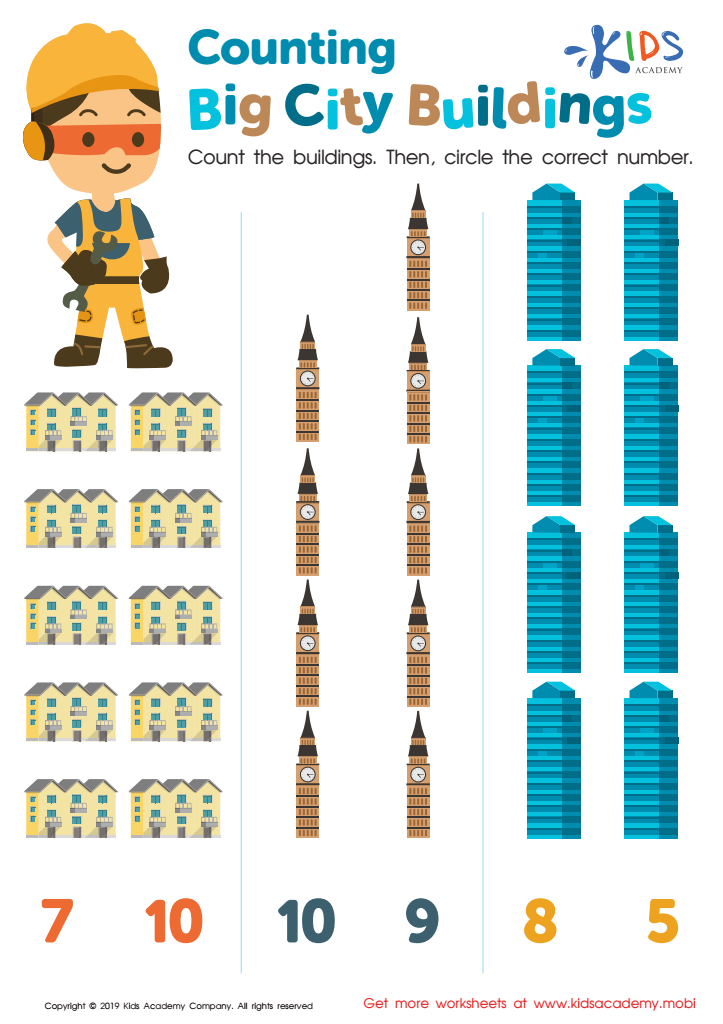
Counting Big City Buildings Worksheet

Night Sky Numbers Worksheet








Fine motor skills are crucial for children aged 3-9 as they lay the foundation for essential everyday tasks and academic success. Parents and teachers should prioritize fostering these skills, as they enhance children's ability to perform intricate tasks like writing, drawing, and manipulating small objects, which are vital in their developmental trajectory.
Engaging in activities that promote fine motor skills—such as coloring, building with blocks, or threading beads—supports not only hand-eye coordination but also dexterity and control. These activities are foundational for future academic tasks, particularly writing, which requires precise hand movements. As children develop these skills, they experience an increase in self-confidence and independence, laying the groundwork for more complex learning in later grades.
Additionally, fine motor skill development is linked to cognitive processes, as it engages both hemispheres of the brain. Thus, cultivating these skills can enhance critical thinking and problem-solving abilities. By focusing on fine motor skills, parents and teachers can provide young learners with the tools they need for lifelong learning, positive self-esteem, and the ability to navigate both social and academic environments effectively. Investing time and effort into these skills now ensures a brighter, more competent future for children.








