Problem-Solving Skills Easy Numbers Worksheets for Ages 3-9
14 filtered results
-
From - To
Introducing our "Problem-Solving Skills Easy Numbers Worksheets for Ages 3-9" designed to build strong foundational math skills in young learners. These engaging worksheets blend fun activities with critical thinking, helping kids enhance their problem-solving abilities while mastering basic number concepts. Perfect for children aged 3 to 9, each worksheet offers clear instructions and exciting challenges tailored to their developmental stage. Empower your child's learning journey with exercises that not only teach numbers but also develop their cognitive and analytical skills. Foster both confidence and academic success with our specially crafted worksheets—ideal for home or classroom use.
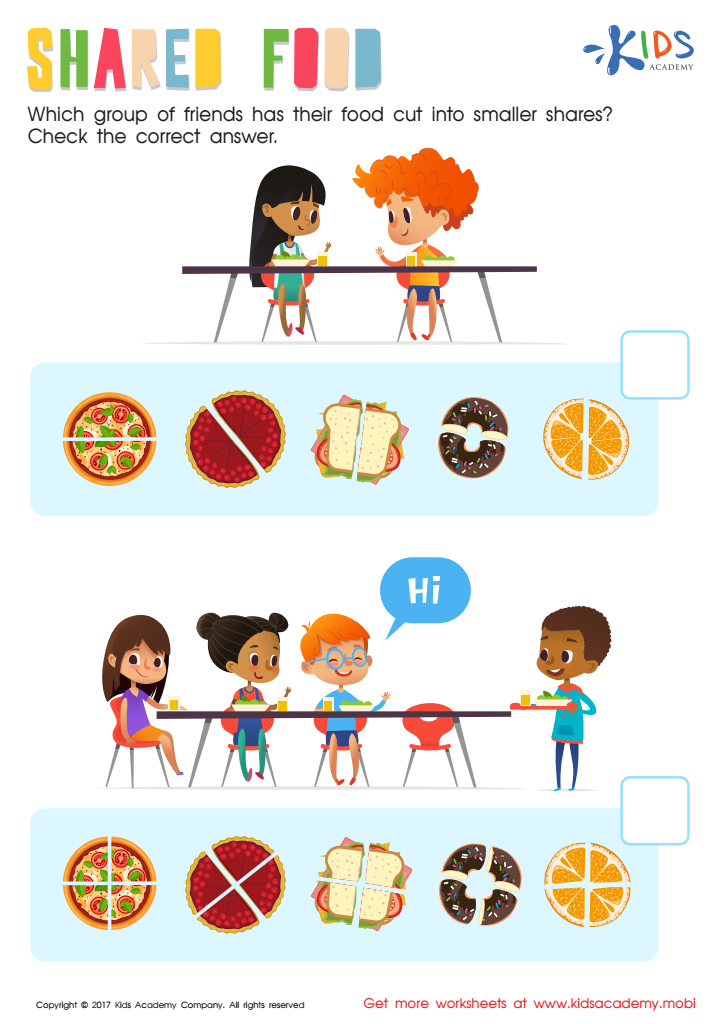
Shared Food Worksheet
 Assign to My Students
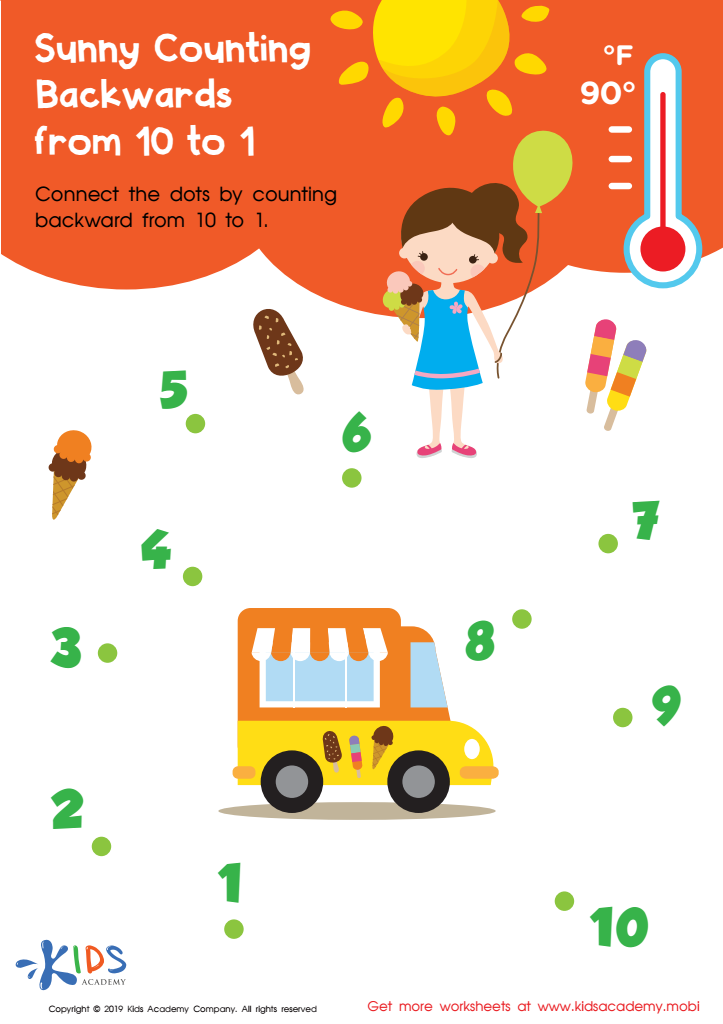
Sunny Counting Backwards from 10 to 1 Worksheet
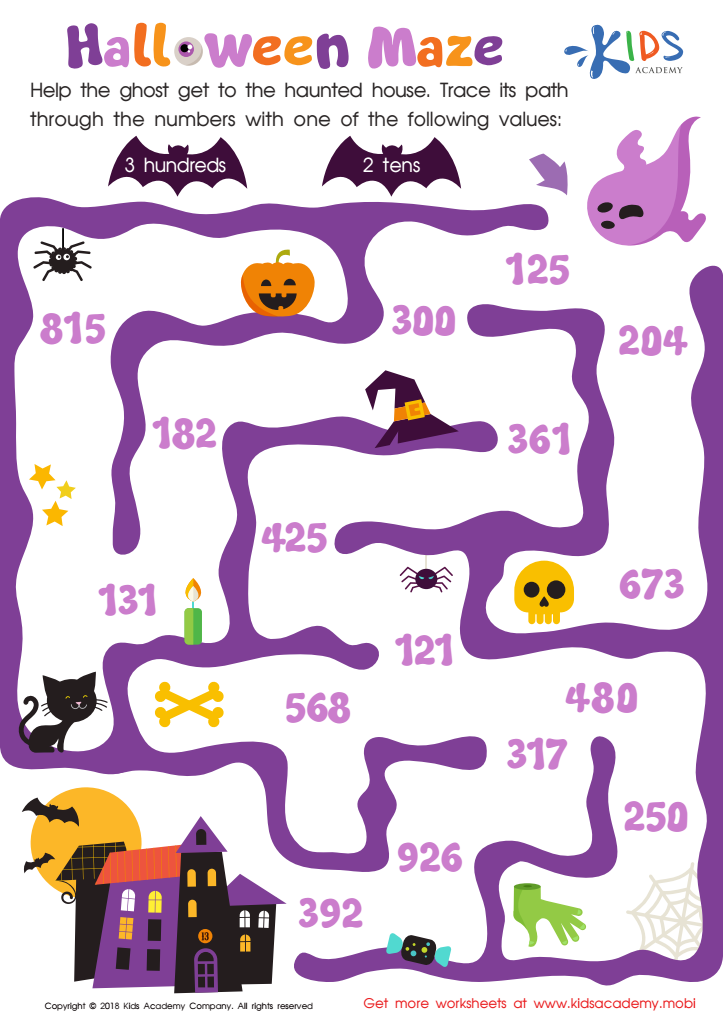
Place Value: Halloween Maze Worksheet
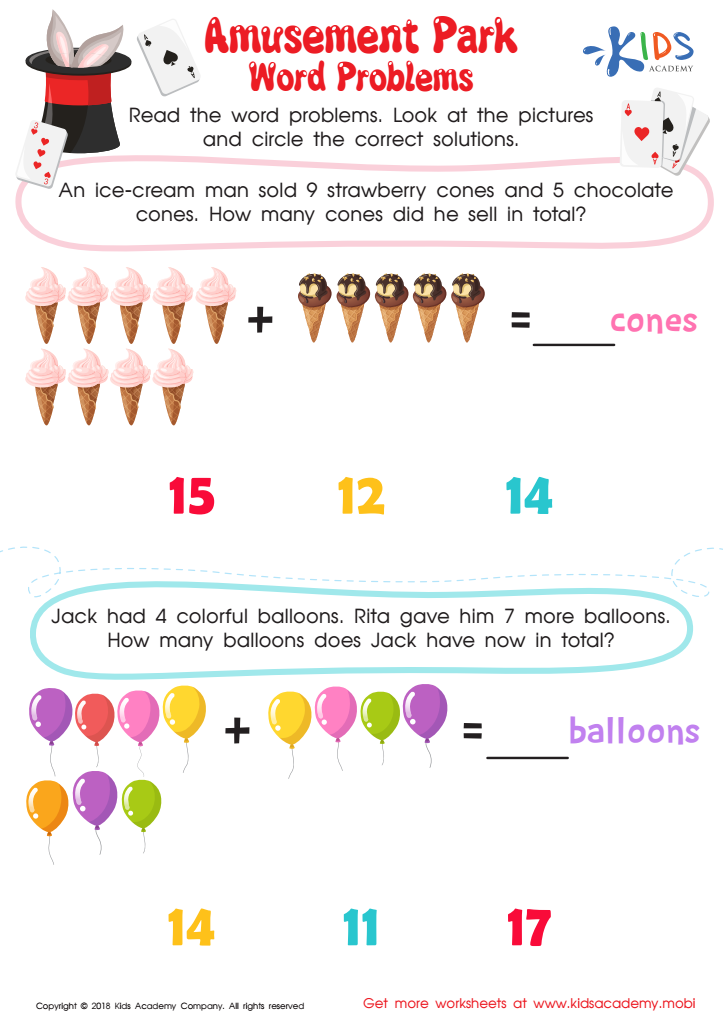
Amusement Park Word Problems Worksheet
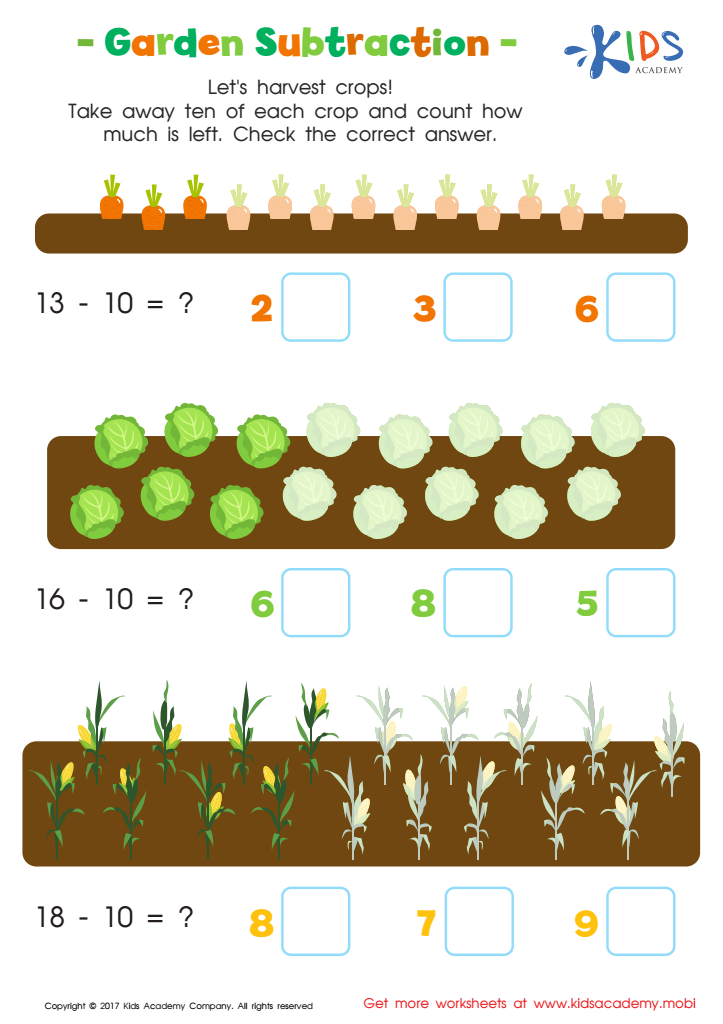
Garden Subtraction Worksheet
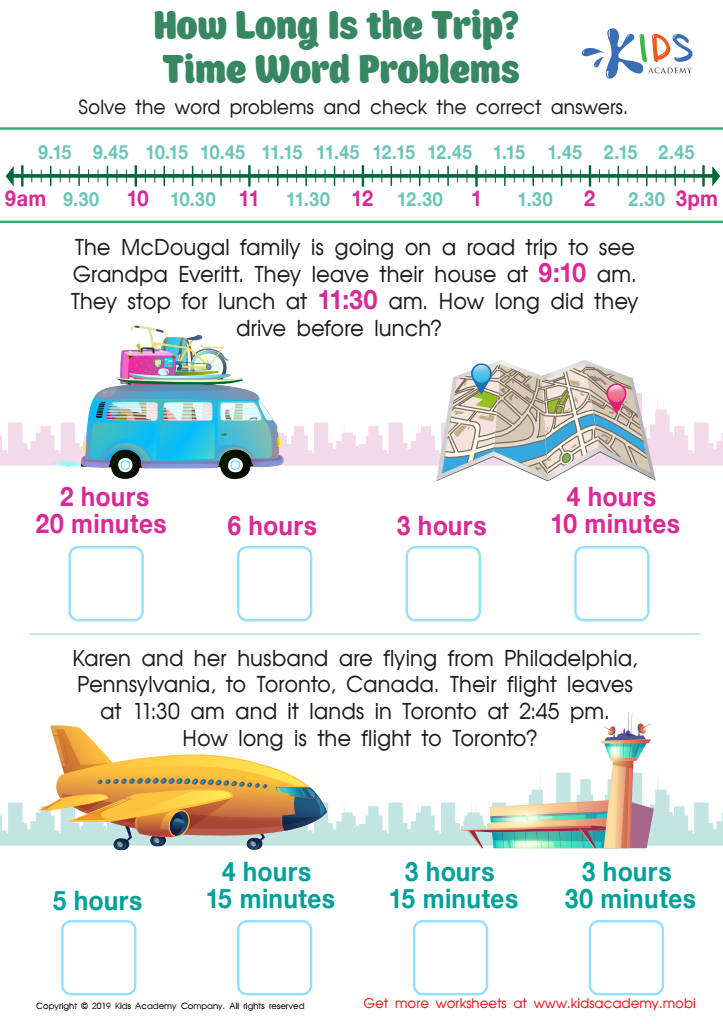
How long is the Trip? Time Word Problems Worksheet
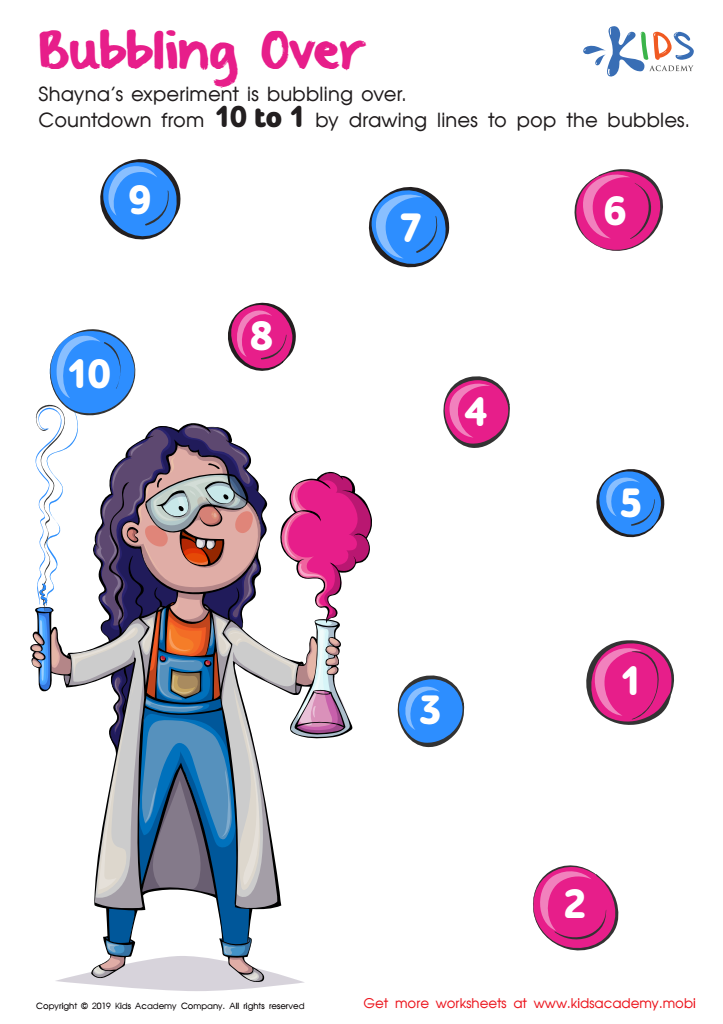
Bubbling Over Worksheet
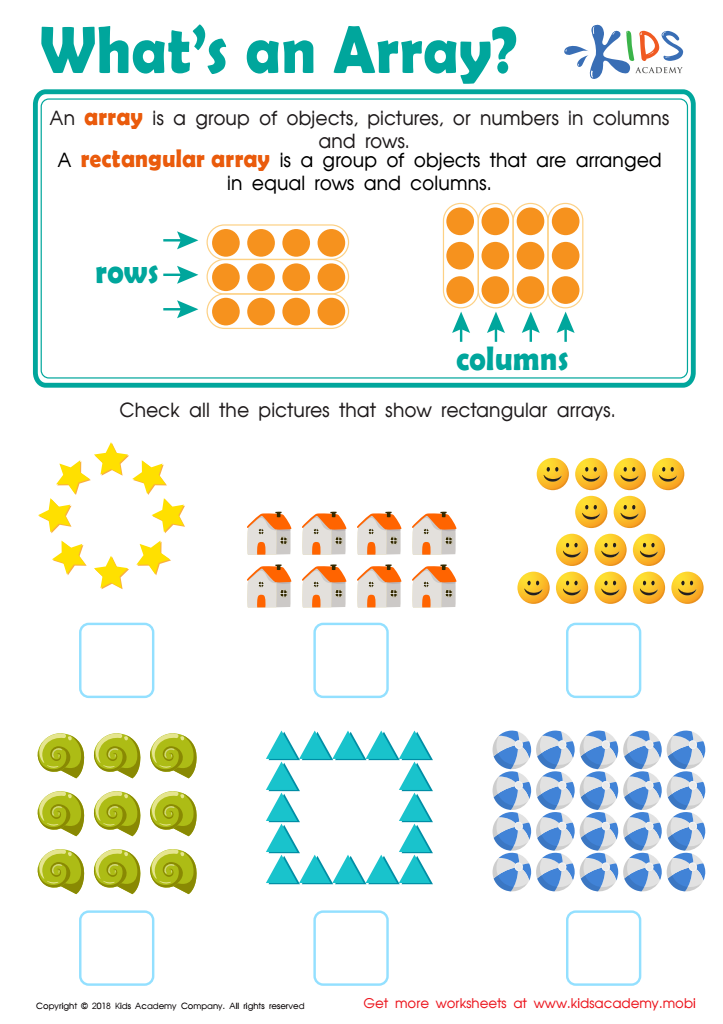
What's an Array? Worksheet
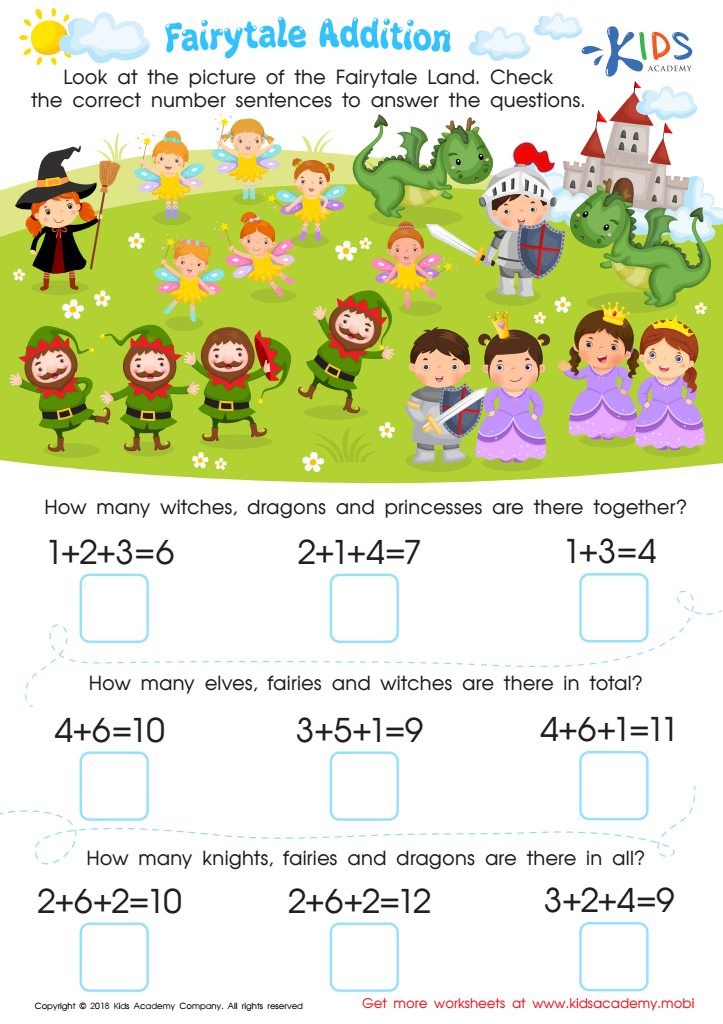
Fairytale Addition Worksheet
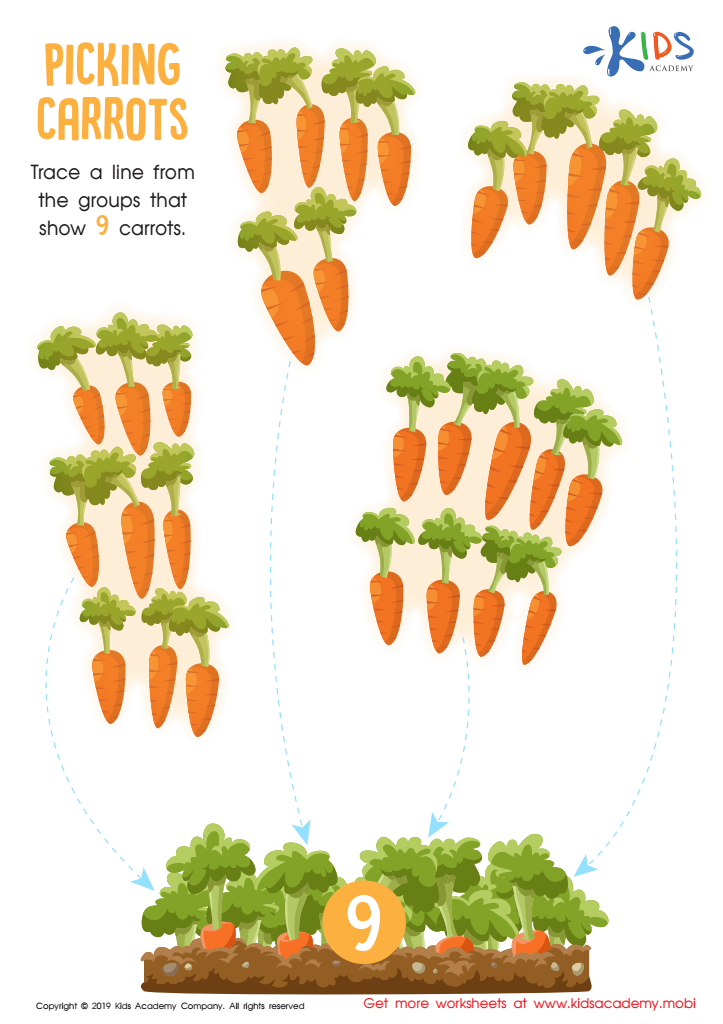
Picking Carrots Worksheet
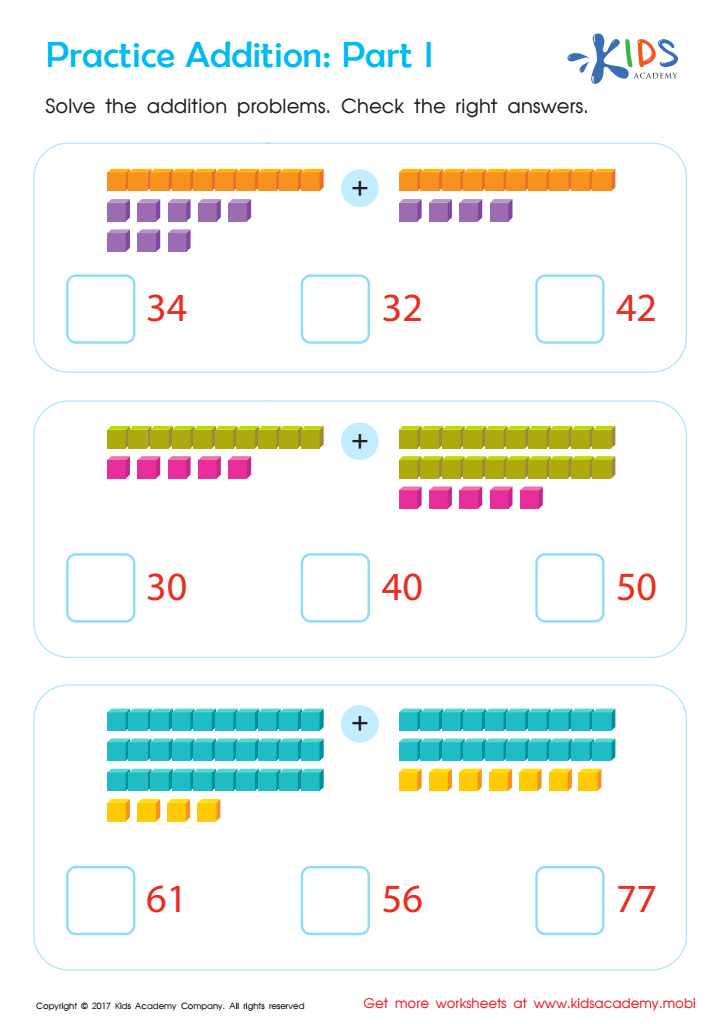
Practice Addition: Part 1 Worksheet
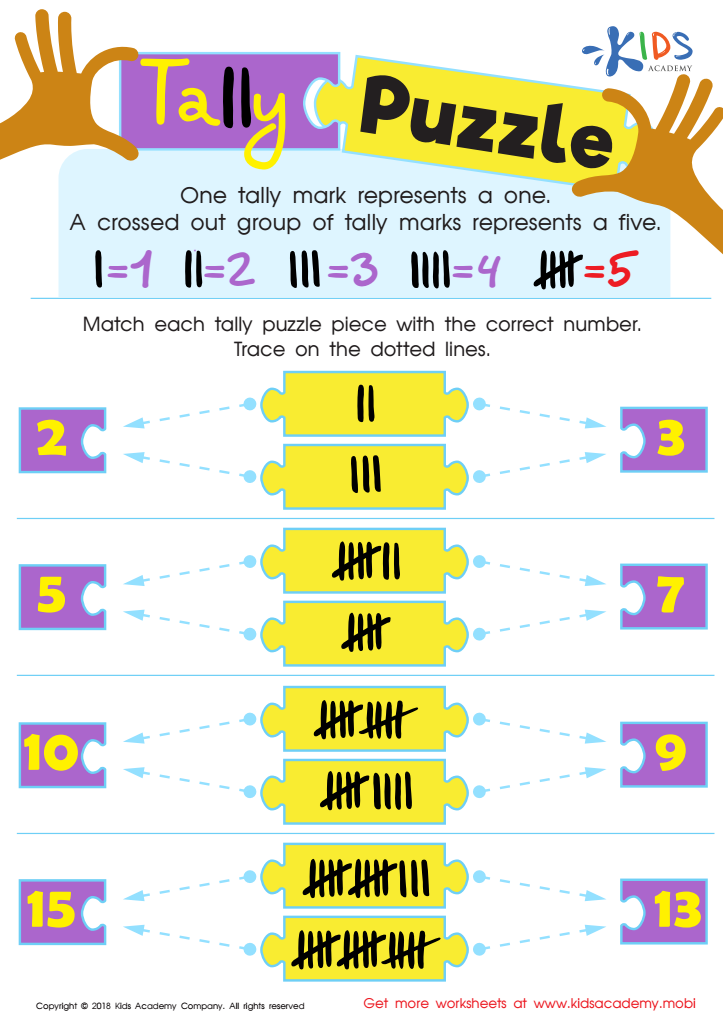
Tally Puzzle Worksheet

Haystack Steps Worksheet

Enrichment: Firefighter Ladders Worksheet








Problem-solving skills are crucial for young children, ages 3-9, as they form the foundation for academic and life success. During these formative years, children are rapidly developing cognitive abilities, and engaging with easy numbers can significantly enhance their critical thinking and analytical skills. When parents and teachers introduce problem-solving activities involving simple numbers, they are helping children to understand concepts of logic, sequencing, and mathematical relationships in an approachable and enjoyable way.
These early experiences with numbers and problem-solving set the stage for more complex mathematical and reasoning skills later in life. For instance, children who become comfortable with recognizing patterns, counting, and basic operations like addition and subtraction are better prepared to tackle higher-level math and other subjects that require logical thinking.
Furthermore, problem-solving activities teach children perseverance and resilience. Working through challenges helps young learners develop a growth mindset, recognizing that effort and practice lead to improvement. These skills are not only academically beneficial but also essential for their personal development and future everyday life decisions.
By investing time in fostering problem-solving skills with easy numbers, parents and teachers contribute significantly to a child's ability to become an independent thinker, a confident learner, and an adaptable individual. It's a small but impactful investment in their long-term cognitive and emotional well-being.








