Understanding sequencing Easy Numbers Worksheets for Ages 3-9
3 filtered results
-
From - To
Discover the joy of learning with our "Understanding Sequencing Easy Numbers Worksheets" designed for children aged 3-9. These engaging worksheets introduce young learners to the concept of sequencing through colorful activities that enhance number recognition and progression. By connecting numbers in an organized manner, kids develop critical cognitive skills essential for math readiness. With a variety of fun and interactive exercises, parents and educators can effectively support children's understanding of numerical order. Perfect for classroom or home use, these worksheets are an excellent resource to boost confidence, reinforce learning, and foster a love for math in early learners. Start exploring today!
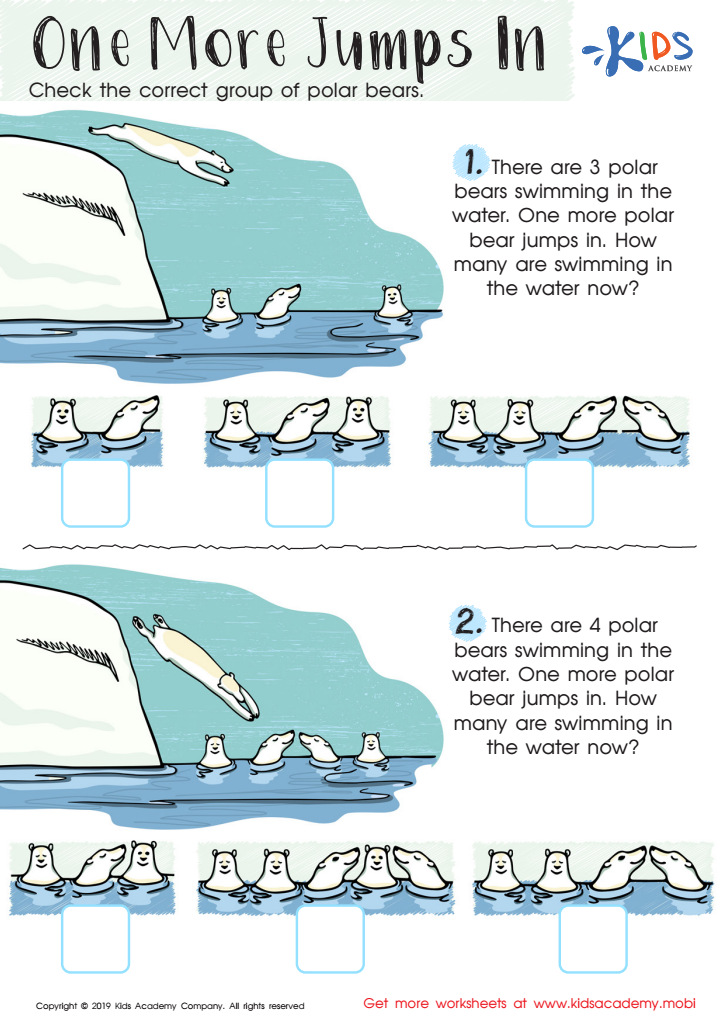
One More Jumps In Worksheet
 Assign to My Students
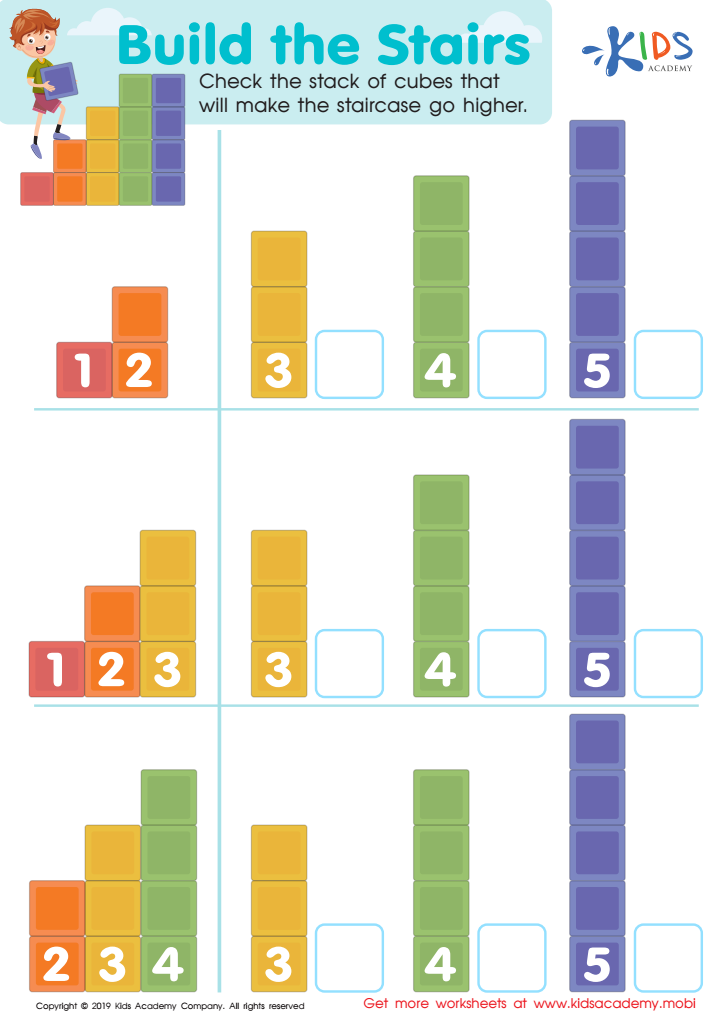
Build the Stairs Worksheet
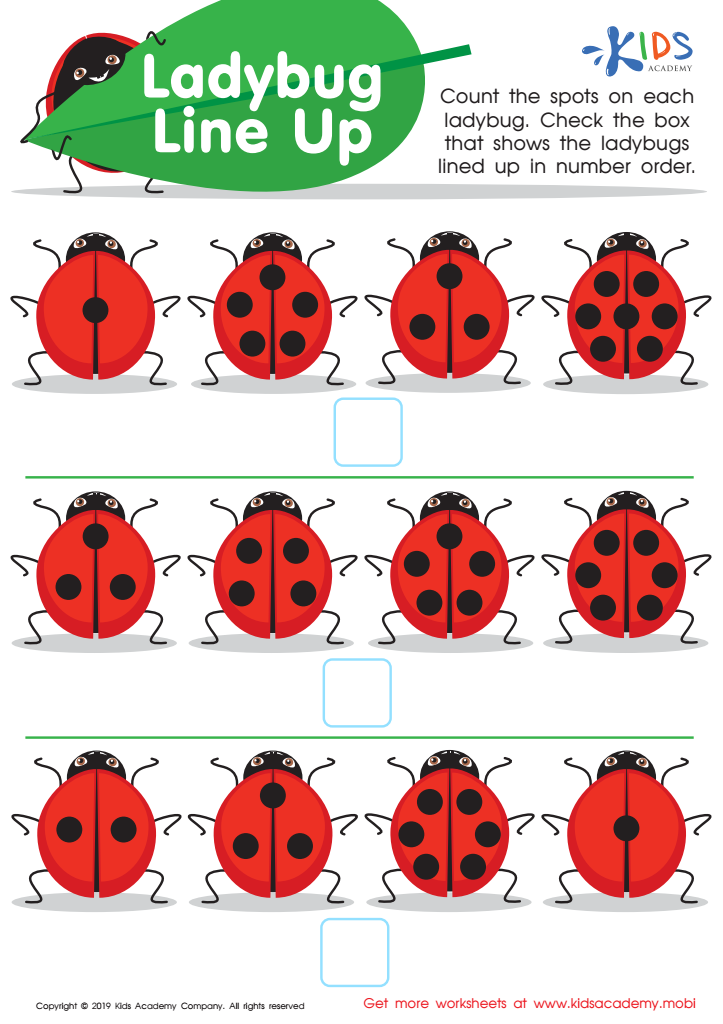
Ladybug Line Up Worksheet








Understanding sequencing of easy numbers is crucial for children aged 3-9 as it lays a solid foundation for their mathematical and problem-solving skills. At this age, children are naturally curious and eager to learn, making it an ideal time to introduce them to the concept of order and logic. When children learn to sequence numbers—whether through counting, arranging objects, or solving puzzles—they develop critical cognitive skills, such as pattern recognition and the ability to make predictions.
Parents and teachers should care about sequencing because it fosters essential learning outcomes, including numerical fluency and spatial reasoning. Children who understand sequences can better grasp advanced mathematical concepts like addition, subtraction, and even multiplication later on. Sequencing also enhances language development; as children describe their thought processes, they practice communication skills.
Additionally, teaching sequencing supports emotional and social development as children learn patience, focusing on completing tasks step-by-step. At school, these skills contribute to academic success, while at home, they promote confidence in tackling new challenges. Overall, prioritizing the understanding of sequencing in early childhood education prepares children for a lifetime of learning and success in various applications beyond mathematics.








