Fine motor skills (writing) Easy Math Worksheets for Ages 3-9
3 filtered results
-
From - To
Discover our collection of fine motor skills writing worksheets designed specifically for children ages 3-9. These easy math worksheets combine fun activities with essential skills development, helping young learners enhance their handwriting and hand-eye coordination while exploring foundational math concepts. Perfect for preschool and early grade levels, our resources promote engaging learning experiences that build confidence and strengthen fine motor control. From tracing numbers to simple counting exercises, each printable worksheet is crafted to spark creativity and support skill development. Equip your child with the tools they need for academic success while making learning enjoyable! Visit us today to streamline math practice!
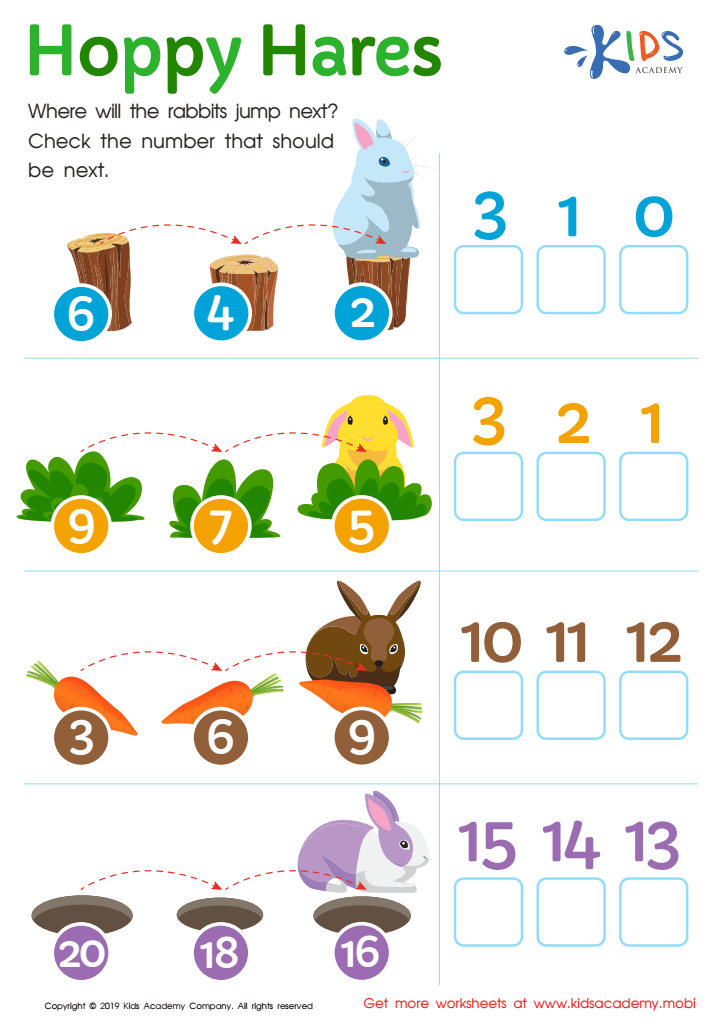
Hoppy Hares Worksheet
 Assign to My Students
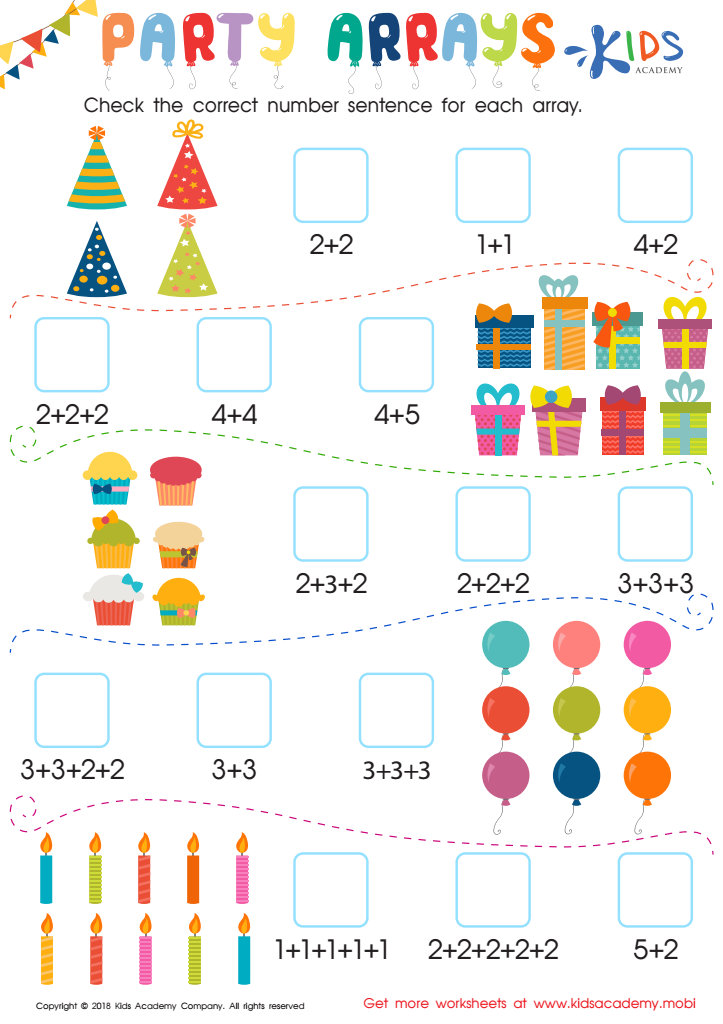
Party Arrays Worksheet
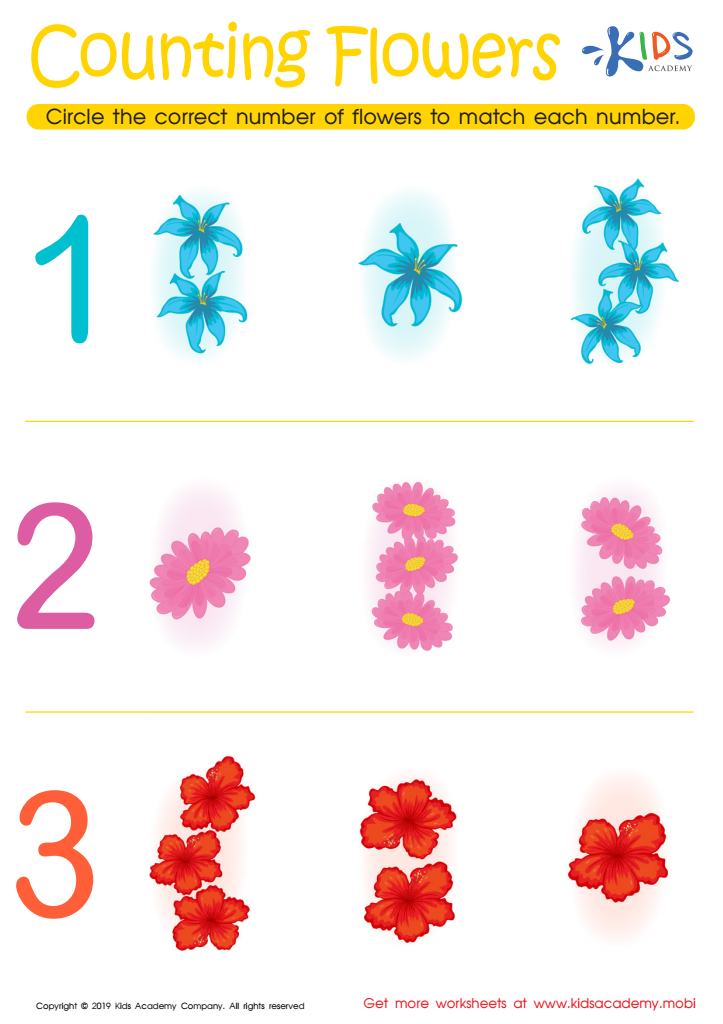
Counting Flowers Worksheet





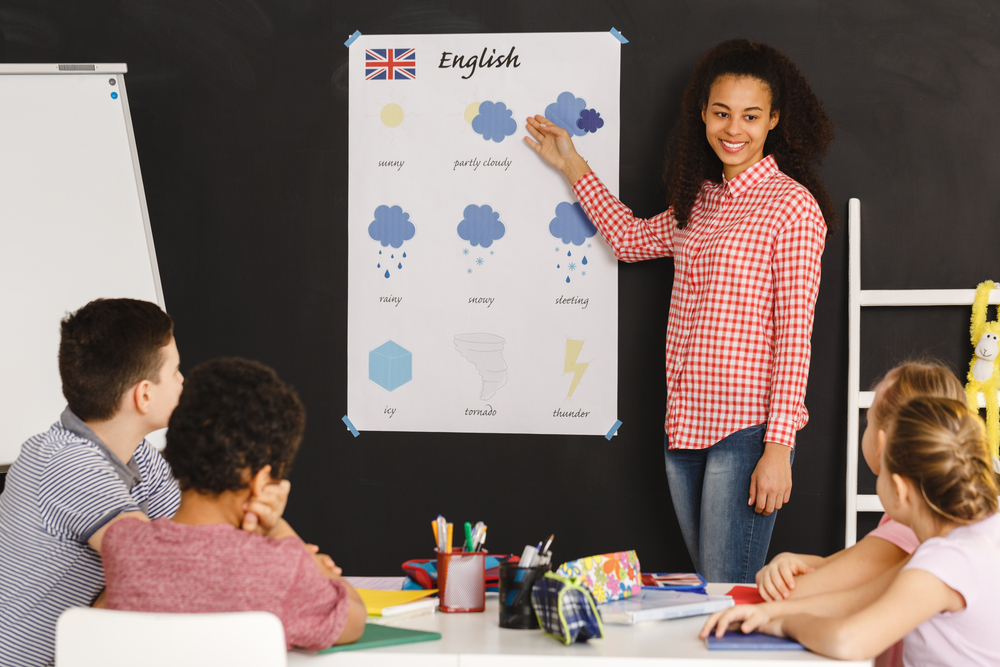

Fine motor skills are essential for children aged 3-9 as they play a critical role in early development and learning. These skills involve the coordination of small muscles in the hands and fingers, which are crucial for tasks such as writing, drawing, and manipulating objects. Developing fine motor skills helps children build a strong foundation for academic success, particularly in areas like literacy and mathematics.
When children practice writing, they enhance their dexterity, hand-eye coordination, and concentration. This not only improves their handwriting but also sharpens their ability to process and understand information. Furthermore, proficiency in easy math activities, such as counting and sorting, requires fine motor skills. Activities that involve threading beads, cutting with scissors, or using manipulatives reinforce math concepts while simultaneously strengthening these necessary skills.
For parents and teachers, fostering fine motor development can lead to greater confidence in children’s abilities, promoting a love for learning. Engaging children in fun, creative activities supports their cognitive development and prepares them for more complex tasks in the future. By prioritizing fine motor skills, adults can help children become more capable, independent learners who are excited about school and exploration.








