Shape Recognition Easy Math Worksheets for Ages 3-9
20 filtered results
-
From - To
Introduce your child to the world of geometry with our Shape Recognition Easy Math Worksheets, designed for ages 3-9. These engaging, colorful worksheets from Kids Academy help young learners identify and understand various shapes through fun activities and exercises. Perfect for developing early math skills, these worksheets also enhance fine motor skills and cognitive development. Each worksheet is carefully crafted to ensure learning is both effective and enjoyable. Whether used at home or in the classroom, our worksheets provide a strong foundation in shape recognition, fueling a love for learning and early geometry exploration. Unlock your child's potential today!
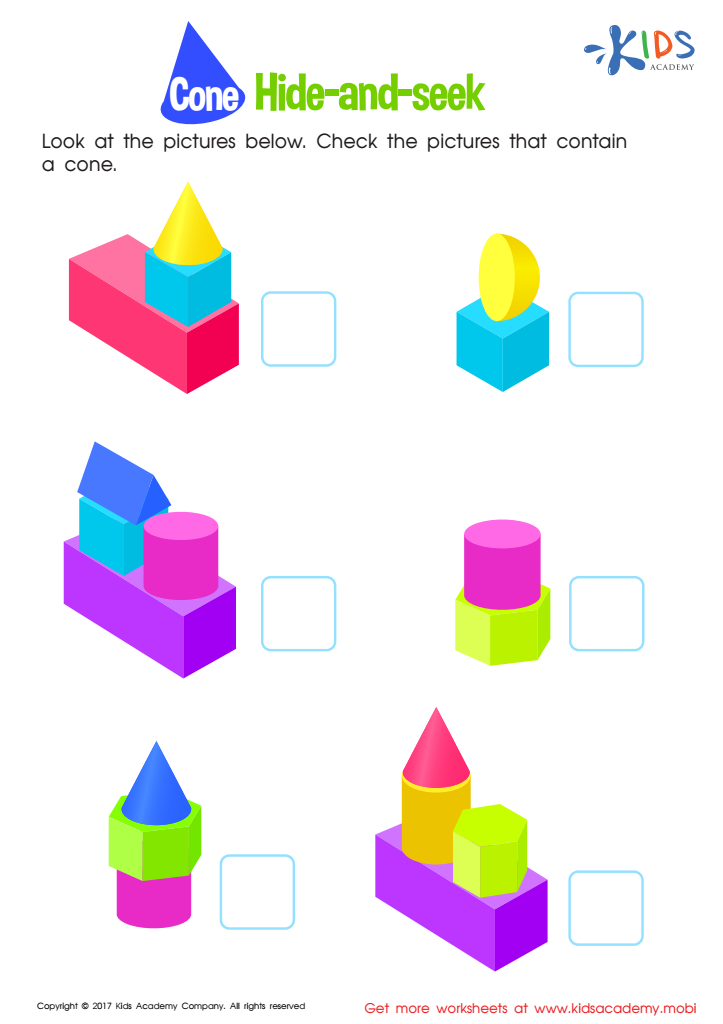
Cone Hide-and-Seek Worksheet
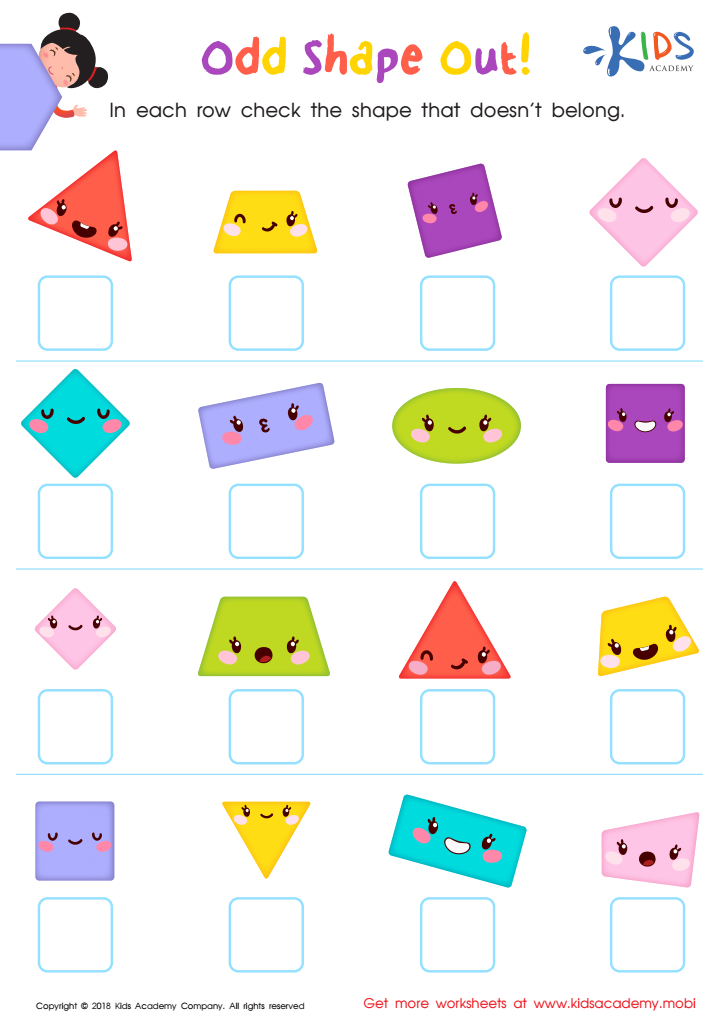
Odd Shape Out Worksheet for Grade 3
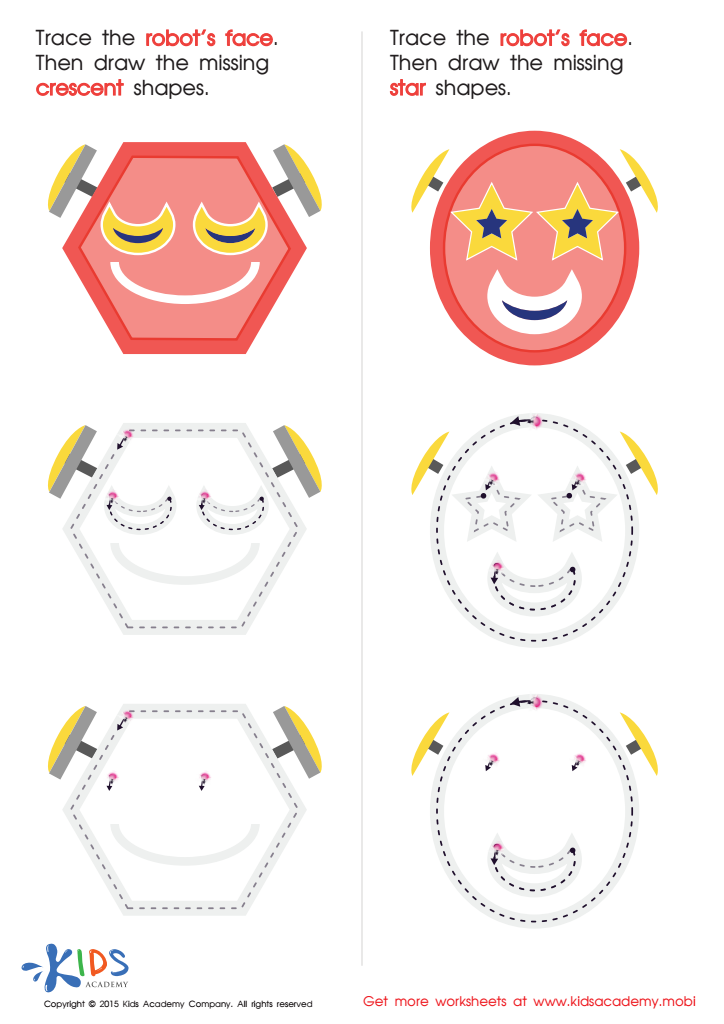
Composing a Robot's Face of Crescents And Stars Worksheet
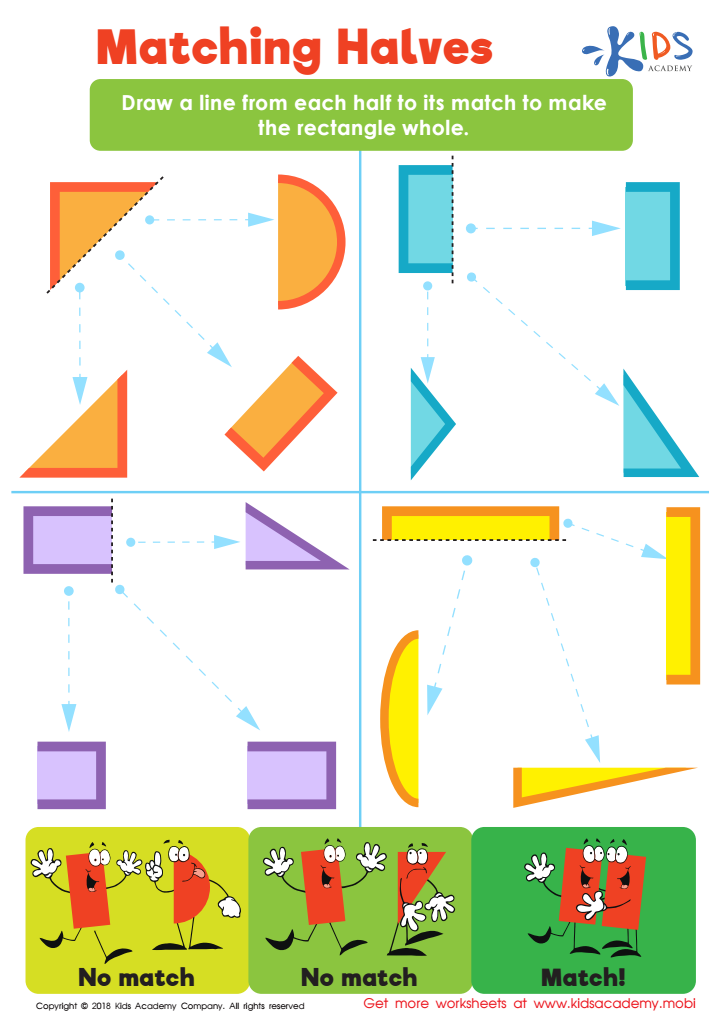
Matching Halves Worksheet
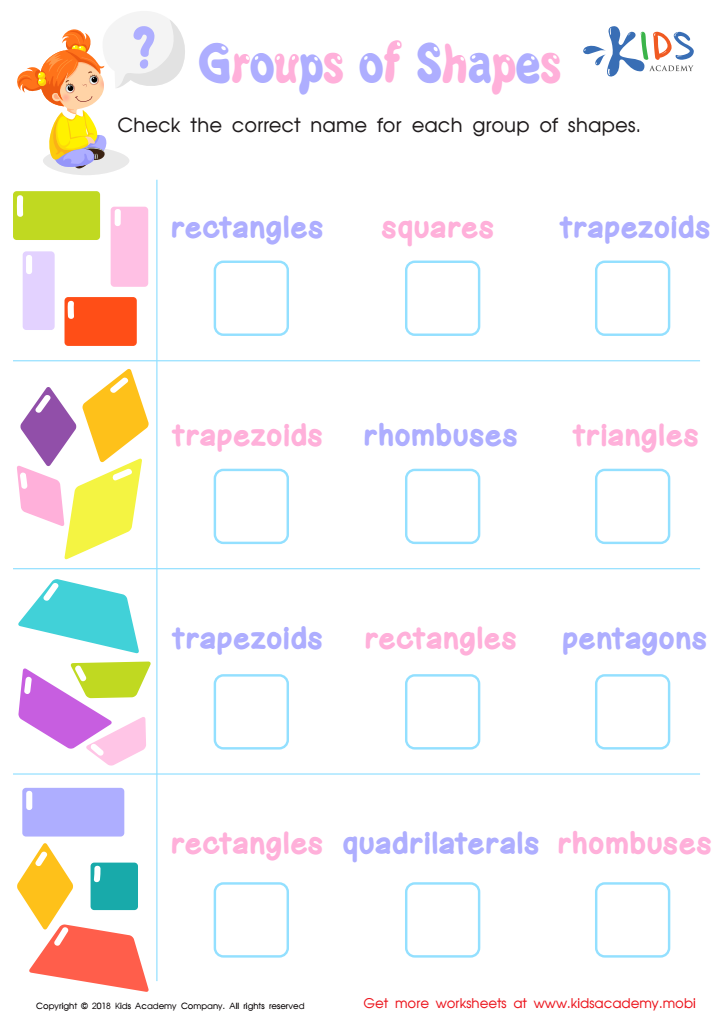
Groups of Shapes Worksheet
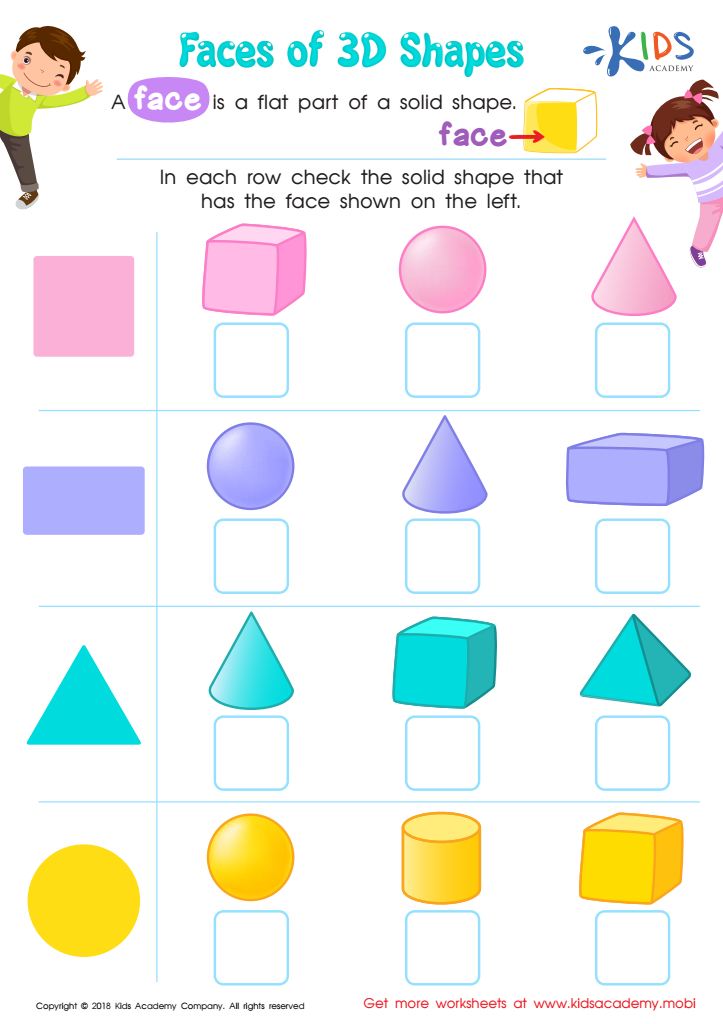
Faces of 3D Shapes Worksheet
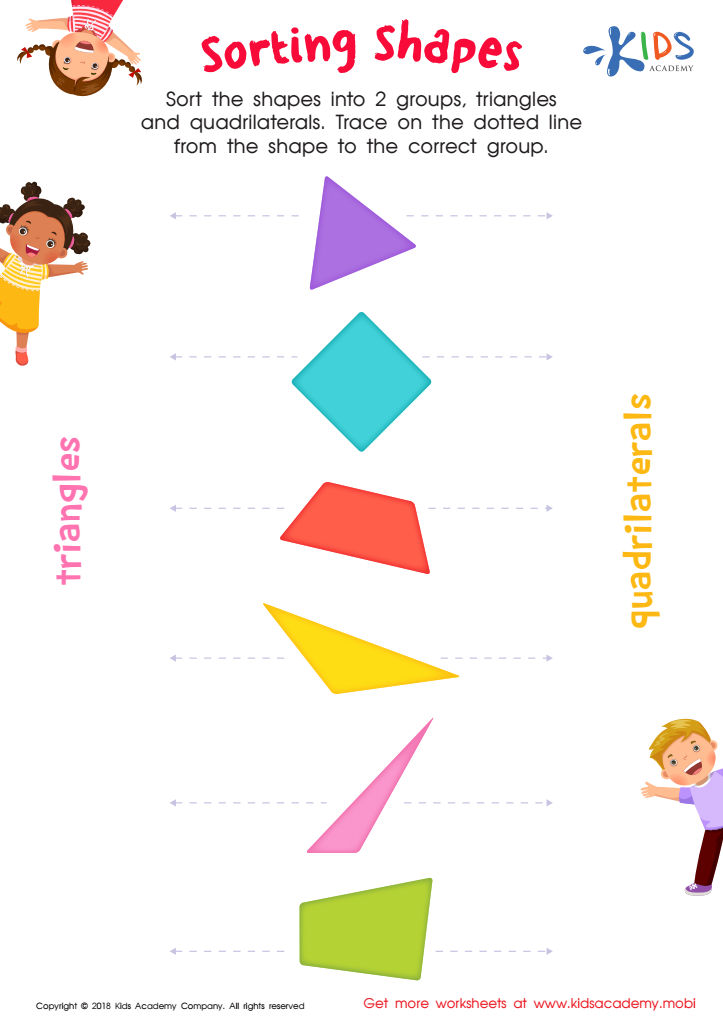
Sorting Shapes Worksheet
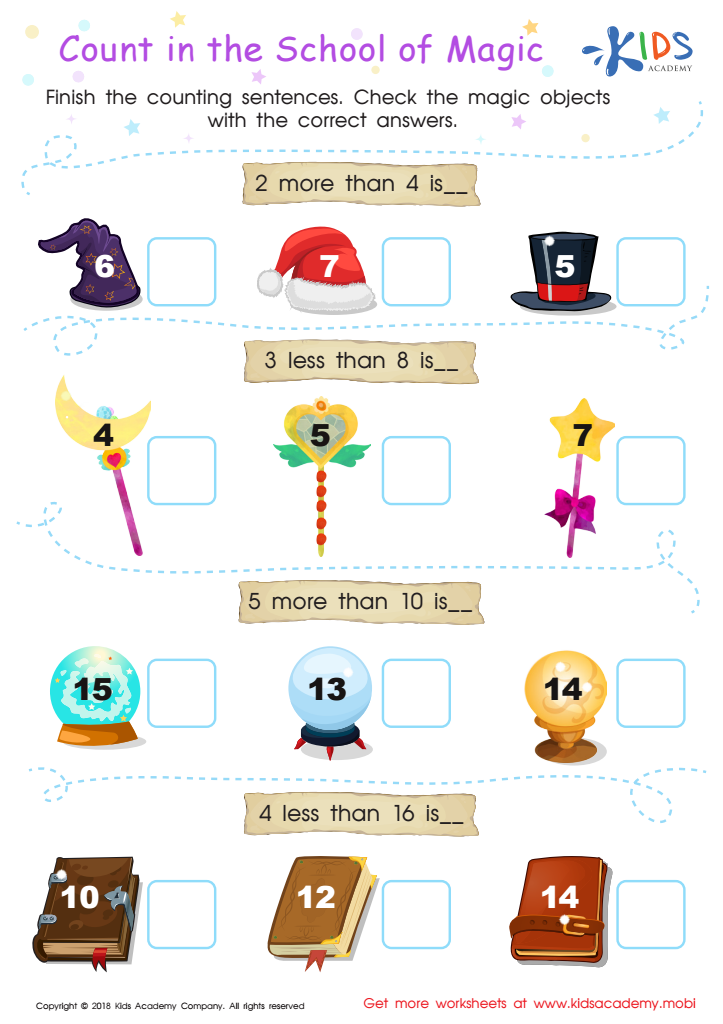
Count in the School of Magic Worksheet
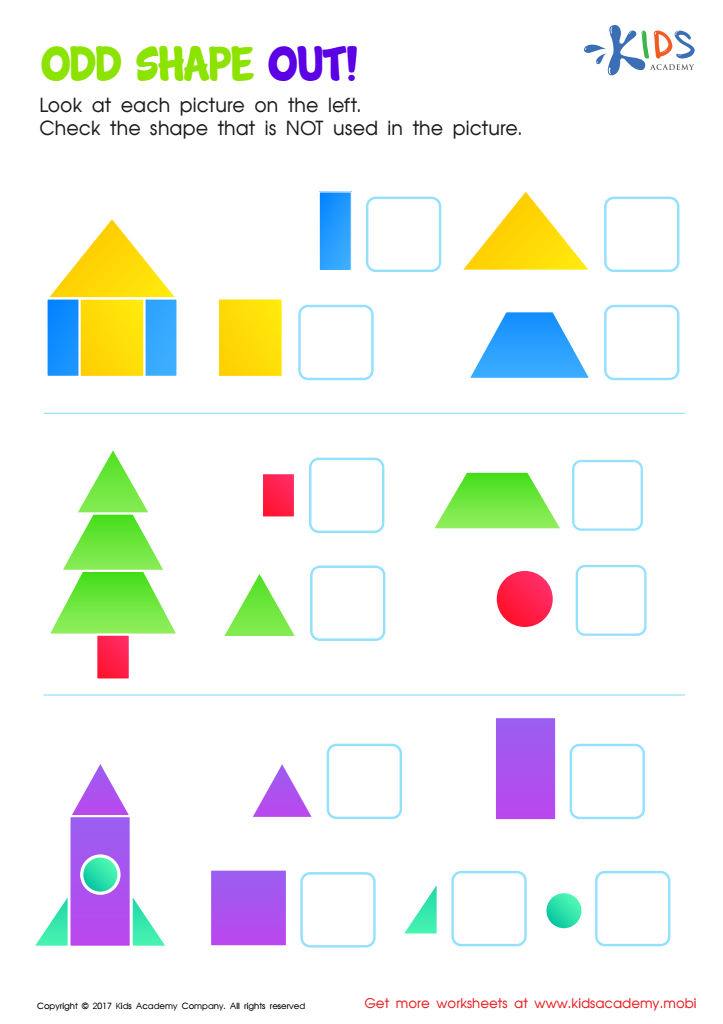
Odd Shape Out Worksheet for Grade 1
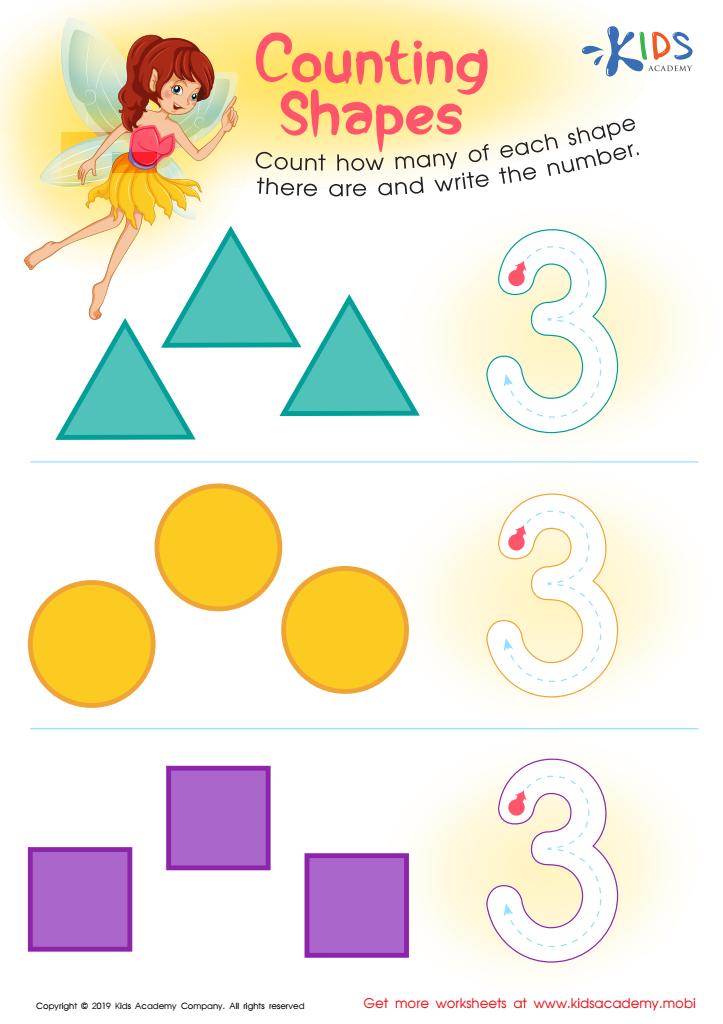
Counting Shapes Worksheet
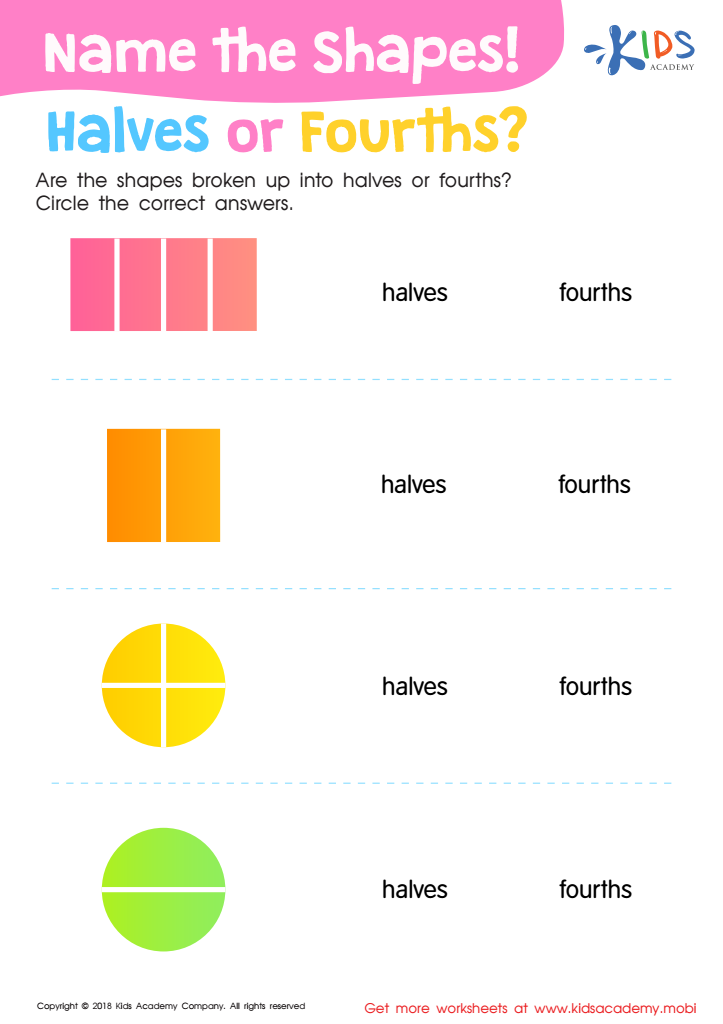
Name the Shapes Halves or Fourths? Worksheet
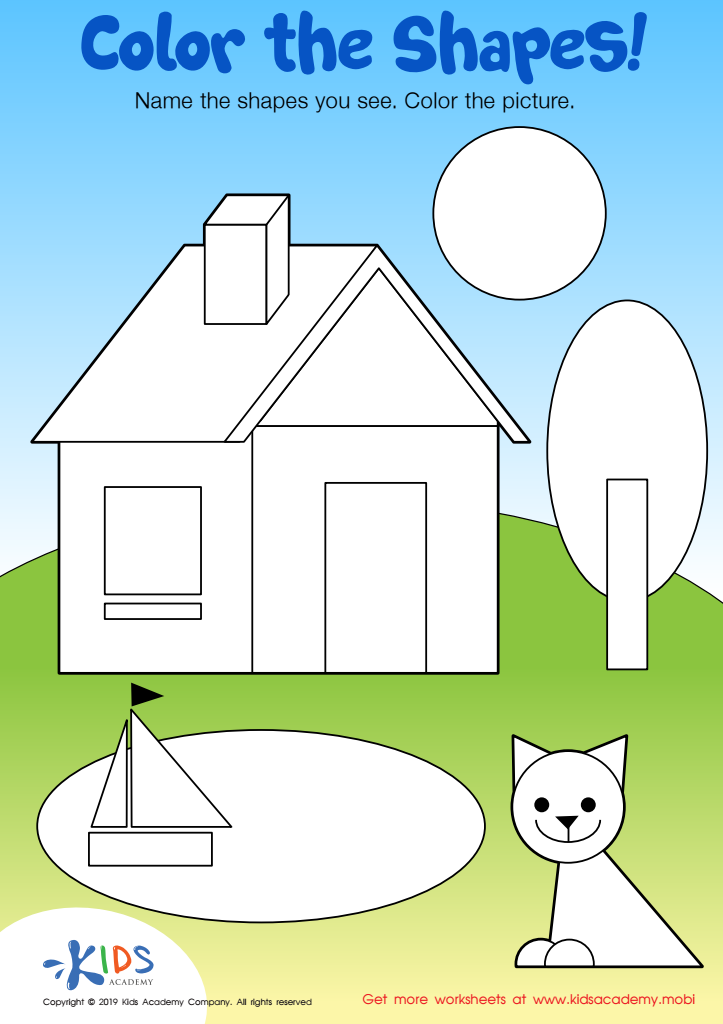
Color the Shapes Worksheet
 Assign to My Students
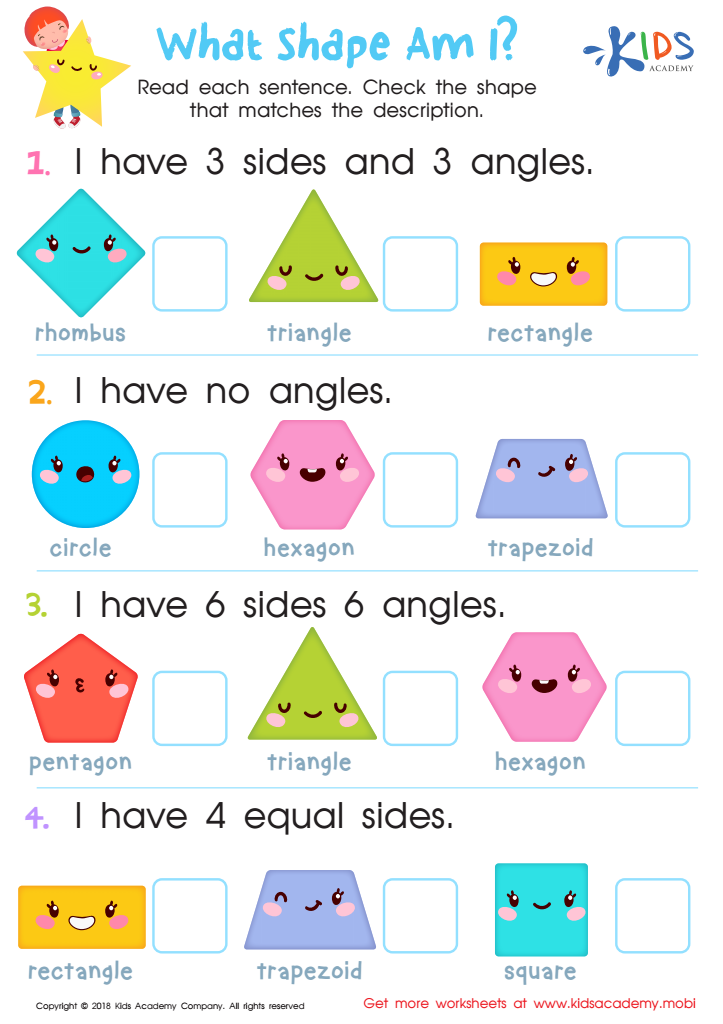
What Shape Am I? Worksheet
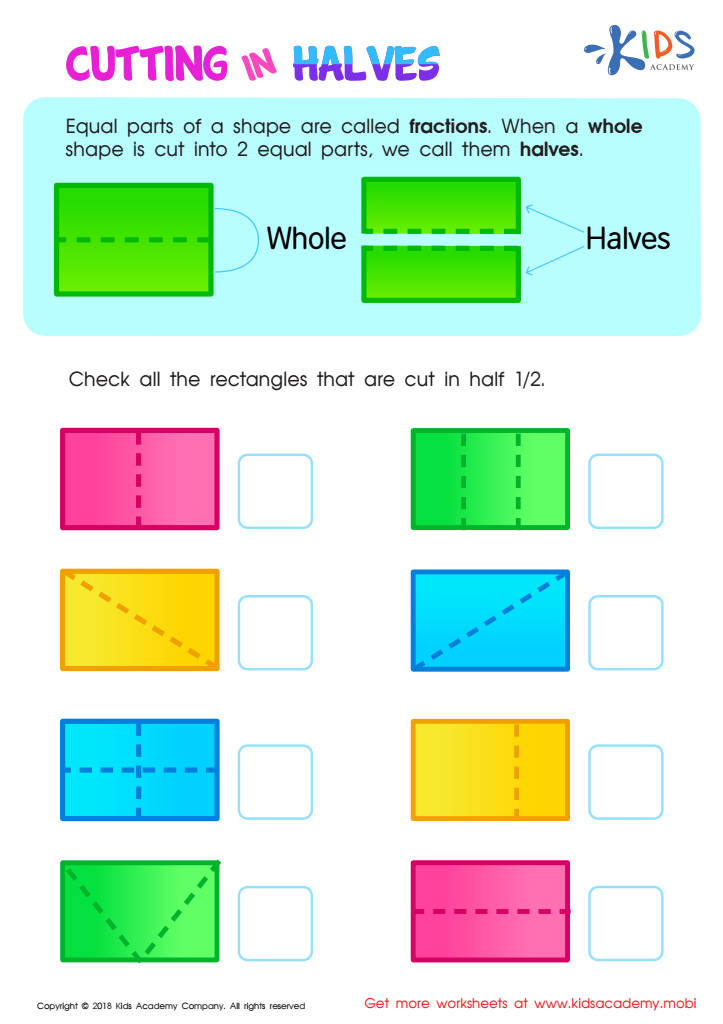
Cutting in Halves Worksheet
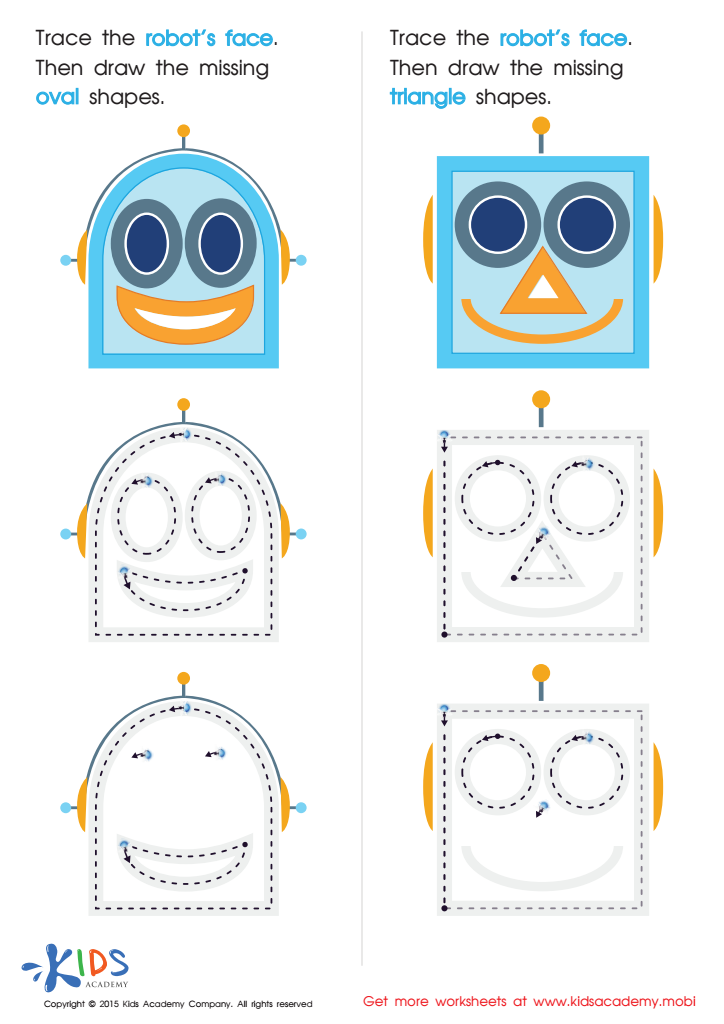
Drawing Ovals And Triangles with Fun Printable
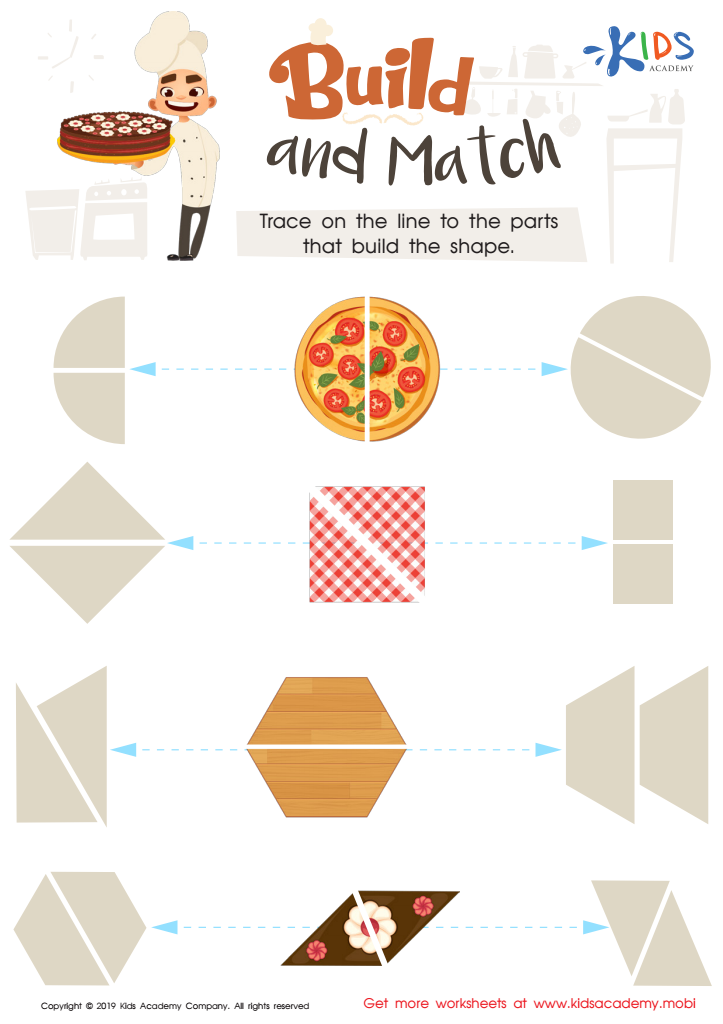
Build and Match Worksheet
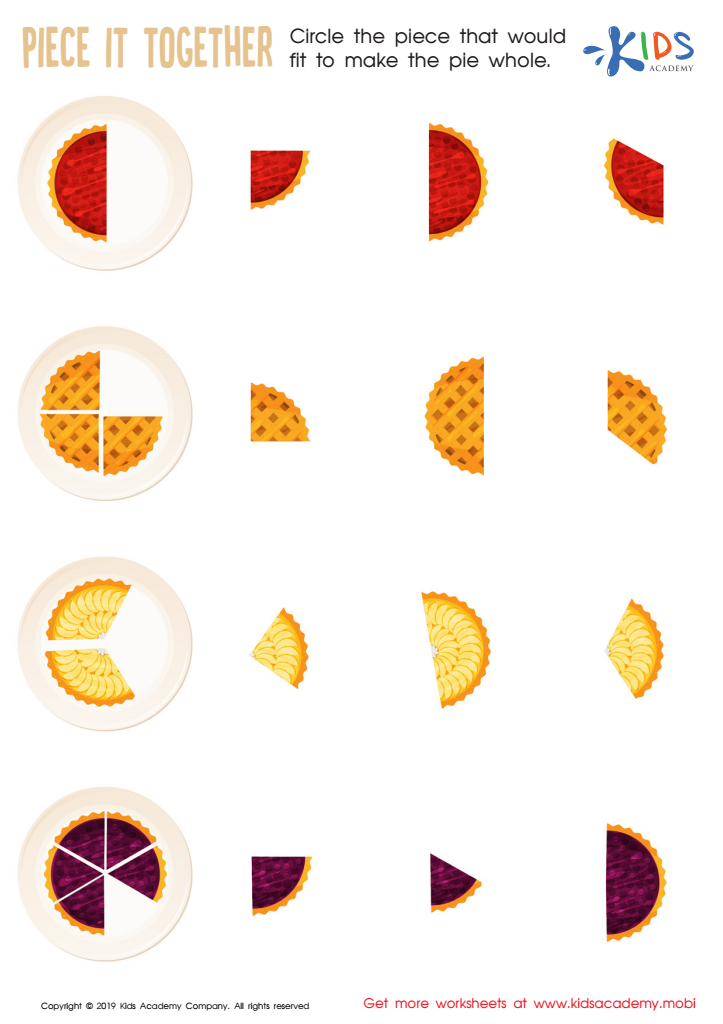
Piece it together Worksheet
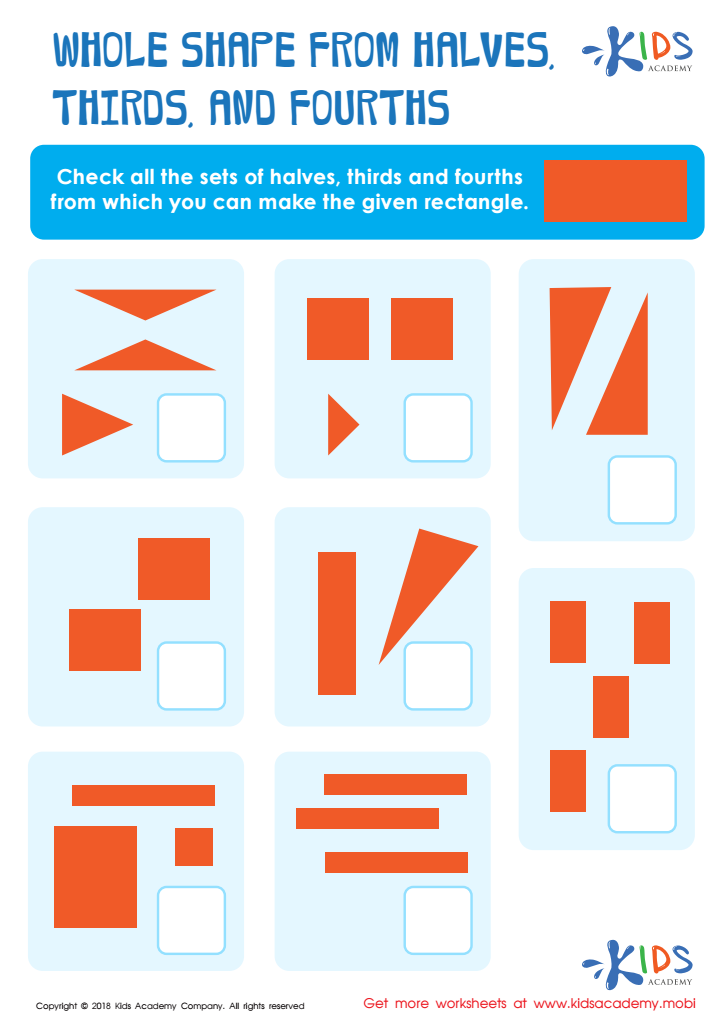
Whole Shape from Halves, Thirds and Fourths Worksheet
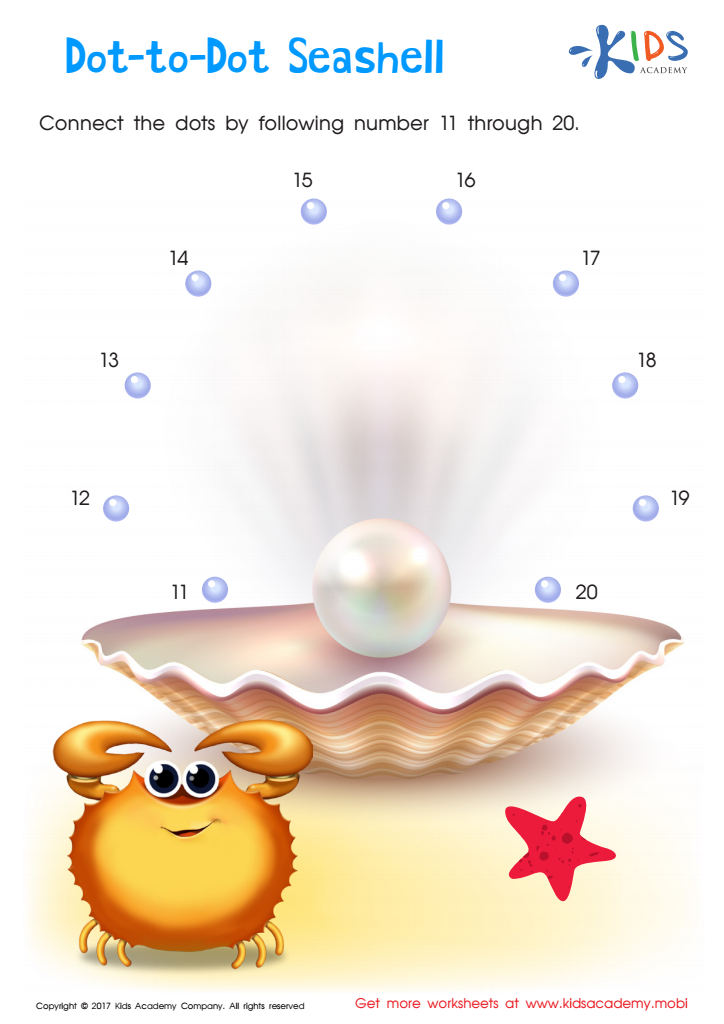
Ordering 11–20: Dot–to–dot Seashell Printable
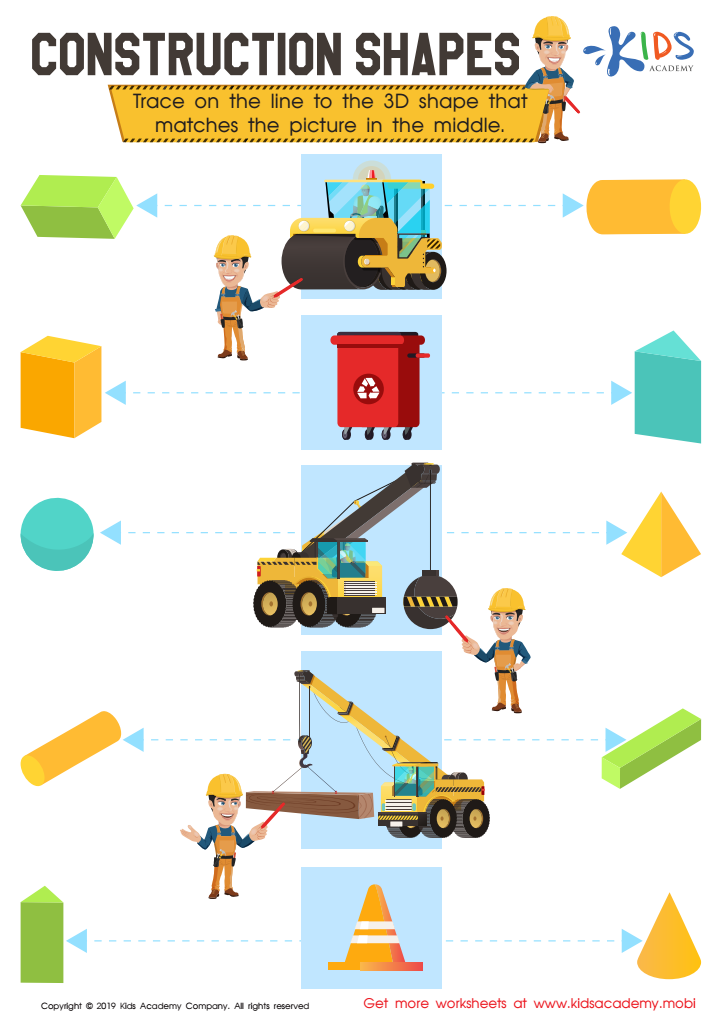
Construction Shapes Worksheet


.jpg)




Shape recognition is a fundamental mathematical skill crucial for early childhood development and serves as a building block for more complex mathematical concepts. For children aged 3-9, this ability to recognize and classify shapes goes beyond mere identification; it nurtures cognitive and perceptual skills essential for problem-solving and critical thinking.
Students first learn to identify basic geometric shapes such as circles, squares, and triangles. This basic skill sets the stage for understanding more advanced geometry and spatial awareness, aspects they will encounter later in school. Shape recognition helps children to differentiate between items, classify objects, identify patterns, and make comparisons—all critical for future success in subjects like geometry, science, engineering, and technology.
Moreover, by engaging with shapes, children improve their fine motor skills. Activities like drawing shapes or constructing them with manipulative tools enhance hand-eye coordination and dexterity. This aspect is particularly beneficial during the early stages of writing skills development.
In addition, shape recognition supports literacy development. Recognizing shapes translates to recognizing letters and numbers, which are foundational to reading and mathematics. It also enriches vocabulary as they learn descriptive words like "curved," "straight," or "angled."
Therefore, incorporating shape recognition activities into a child’s routine not only makes learning enjoyable but also lays a strong educational foundation that supports overall academic growth and lifelong learning skills.








