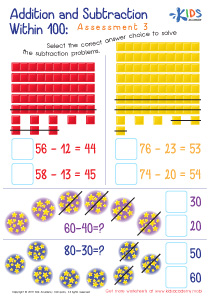
Fine Motor Skills Easy Numbers 11–20 Worksheets for Ages 3-9
4 filtered results
-
From - To
Enhance your child's fine motor skills with our engaging Fine Motor Skills Easy Numbers 11–20 Worksheets, designed for ages 3 to 9. These worksheets combine fun and educational activities that promote hand-eye coordination, dexterity, and control while helping children learn to recognize and write numbers from 11 to 20. Perfect for early learners, these exercises include tracing, coloring, and cutting, making math enjoyable and interactive. Whether at home or in the classroom, these worksheets provide a solid foundation in math while boosting essential fine motor development. Download and watch your little ones thrive in their learning journey today!
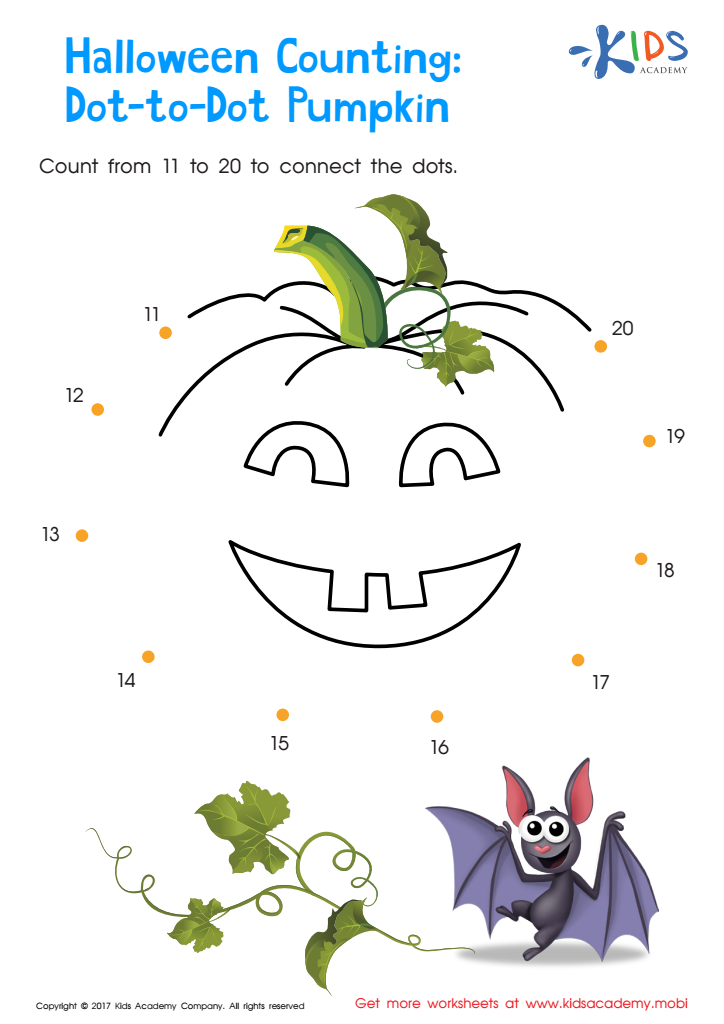
Ordering 11–20: Halloween Counting Worksheet
 Assign to My Students
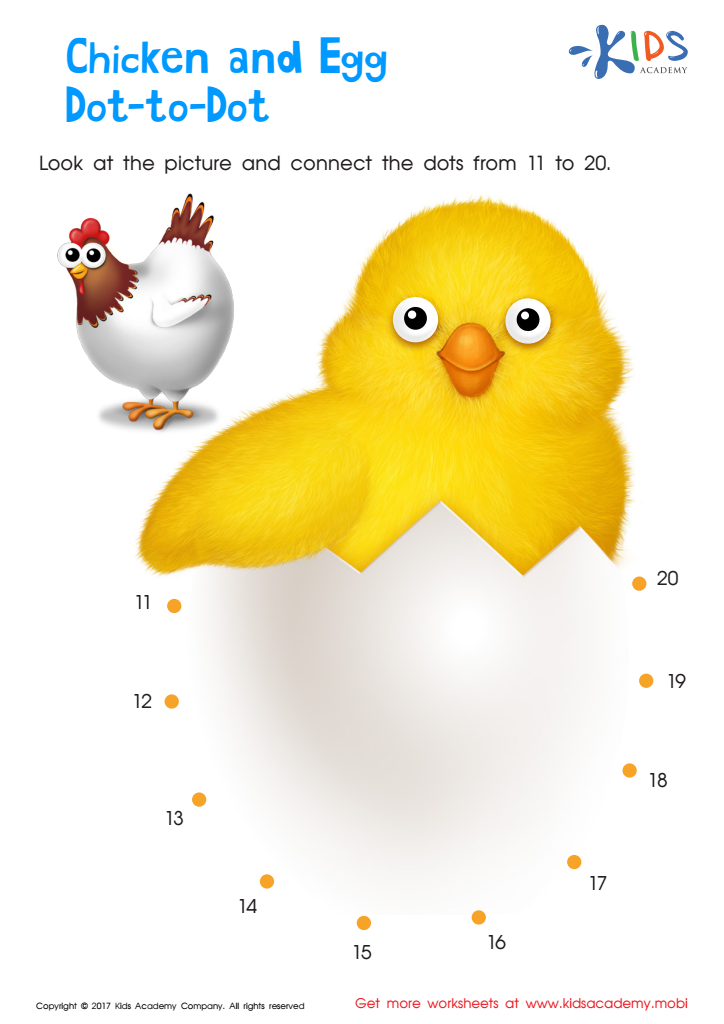
Ordering 11–20: Chicken & Egg Dot–to–dot Worksheet
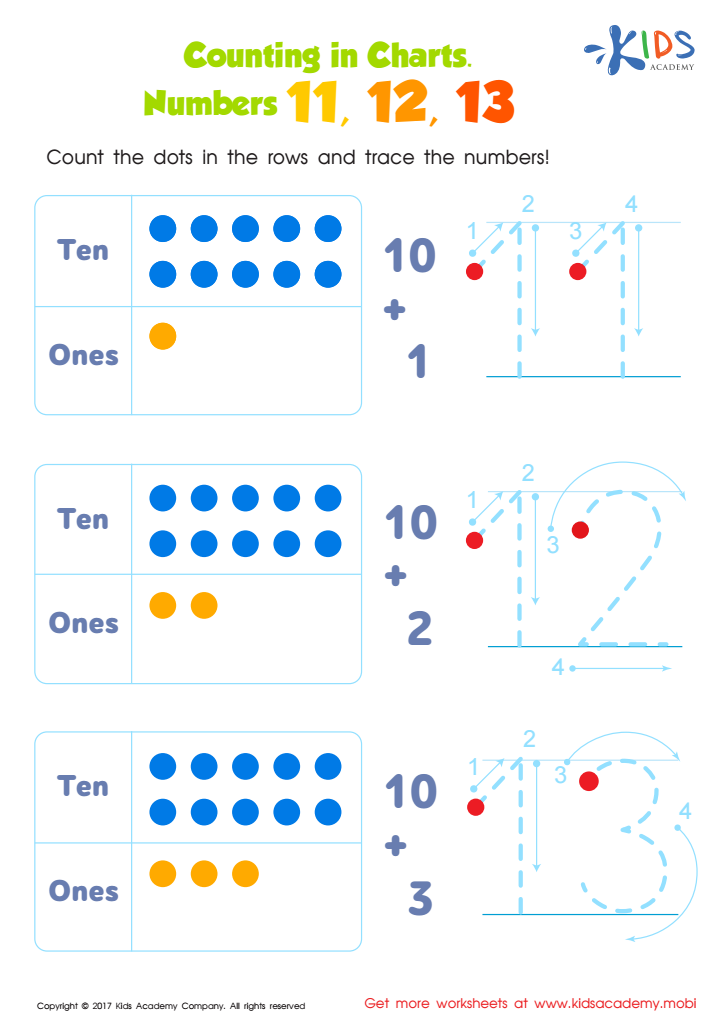
Number Tracing Worksheet For Kindergarten
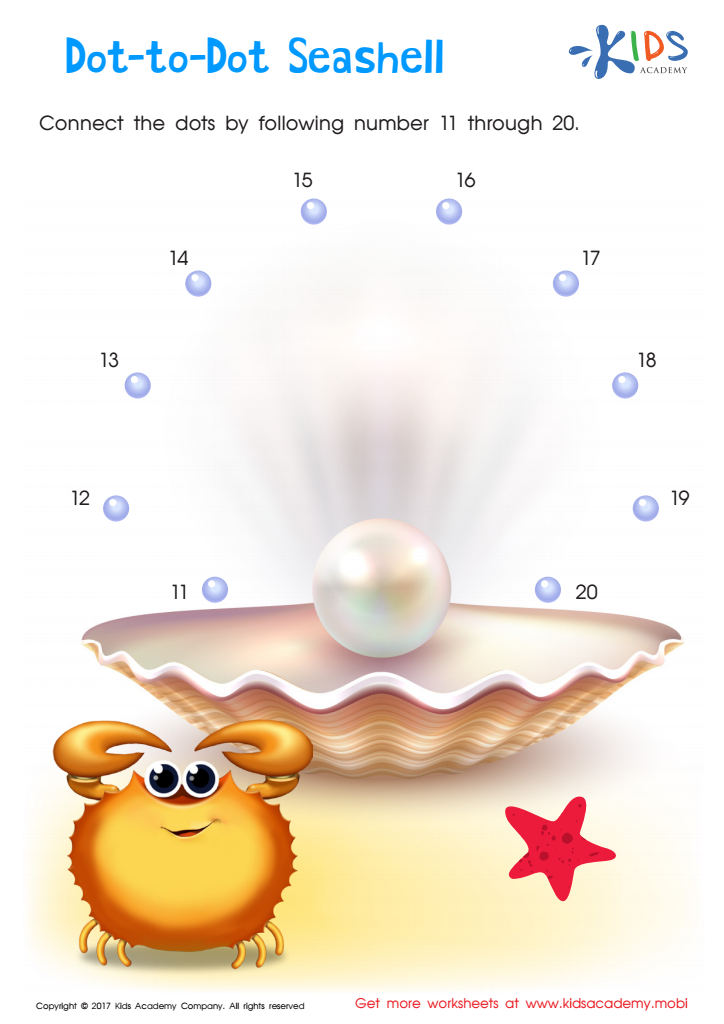
Ordering 11–20: Dot–to–dot Seashell Printable



Fine motor skills are essential for children, particularly those aged 3 to 9, as they form the foundation for a variety of crucial tasks in everyday life and academic settings. Mastering fine motor skills, such as the ability to grasp, manipulate objects, and control movements, enhances children’s hand-eye coordination and dexterity. This skill development is foundational for tasks like writing, drawing, cutting, and utilizing tools, all of which require precise movements.
Additionally, focusing on easy numbers from 11 to 20 during this developmental stage helps children understand basic numeracy, establishing an early foundation for math concepts. Engaging activities that promote both fine motor skills and number recognition can make learning enjoyable and effective. When children learn to manipulate objects like counting blocks or drawing number shapes, they reinforce their numerical understanding while also improving their motor skills.
Parents and teachers should care about these developmental areas because strengthening fine motor skills alongside numeracy not only prepares children for future academic success but also boosts their confidence and independence in performing everyday tasks. By integrating play-focused learning experiences, adults can foster an enriching environment where children thrive both personally and academically.