Word Recognition Easy Building Vocabulary Worksheets for Ages 3-9
3 filtered results
-
From - To
Discover our engaging "Word Recognition Easy Building Vocabulary Worksheets" designed for children aged 3-9! These worksheets focus on enhancing word recognition skills while making learning fun and interactive. Tailored to meet the developmental needs of young learners, these resources feature colorful illustrations and simple activities, encouraging children to explore new words in an enjoyable manner. Perfect for parents and educators, our worksheets help boost vocabulary and reading comprehension through playful exercises. Whether in the classroom or at home, these printable resources support early literacy development and set the foundation for lifelong learning. Start your child's vocabulary journey today!
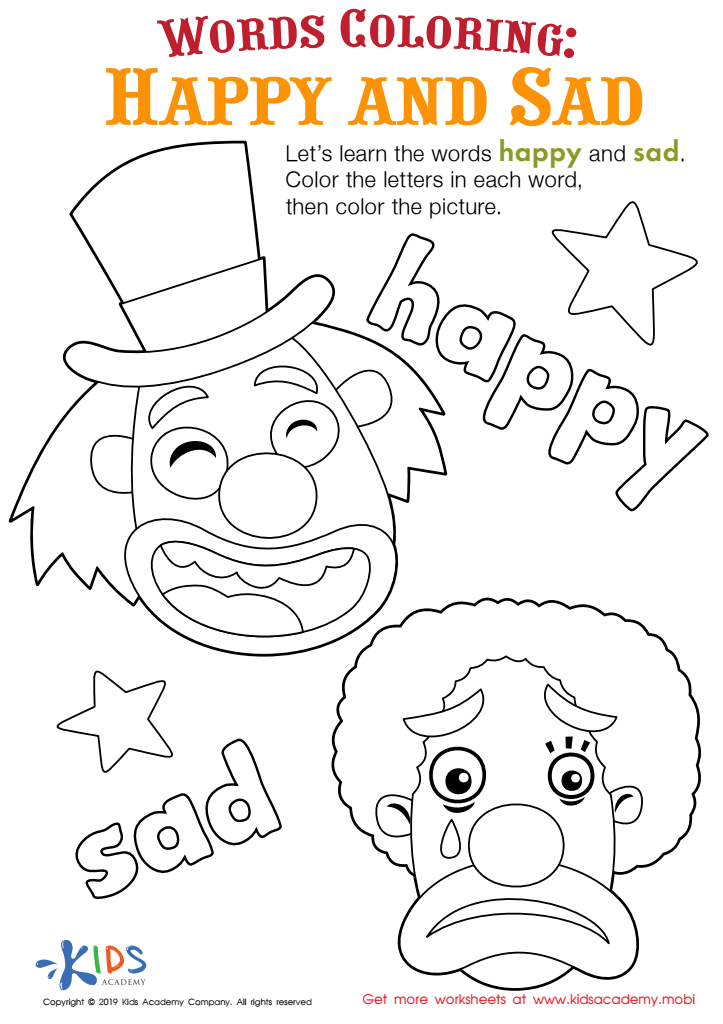
Happy and Sad Words Coloring Worksheet
 Assign to My Students











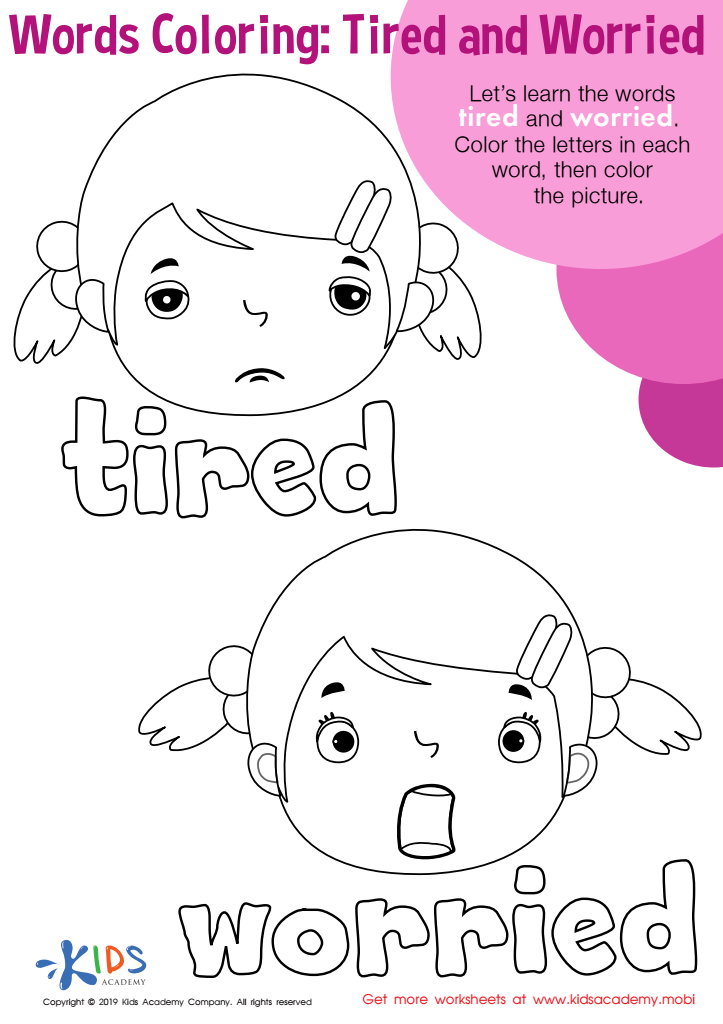
Tired and Worried Words Coloring Worksheet
Assign to My Students
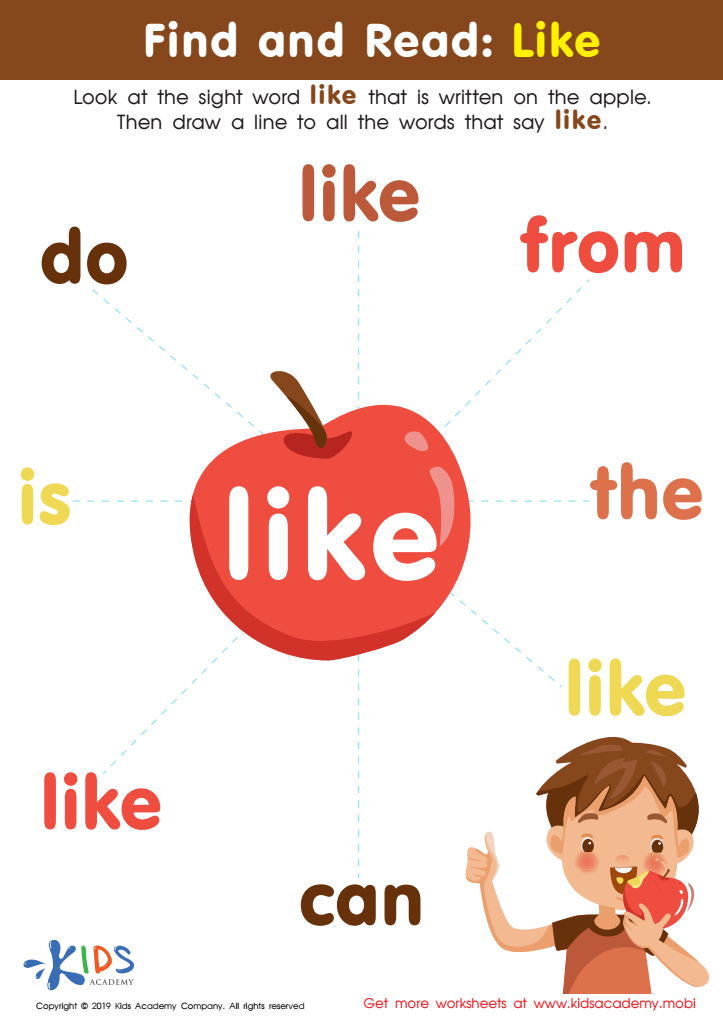
Find and Read: Like Worksheet




.jpg)



Parents and teachers should prioritize word recognition and vocabulary building in children aged 3-9 because these skills are foundational for literacy and overall academic success. Word recognition—the ability to recognize and understand words—is crucial for reading fluency. When children can effortlessly identify words, they can focus on comprehension, allowing them to enjoy and engage with texts more deeply.
Building a strong vocabulary during these formative years is equally vital. A rich vocabulary enhances communication skills, supports critical thinking, and empowers children to express themselves effectively. Research shows that early vocabulary development is closely linked to later reading comprehension and academic achievement.
Additionally, fostering word recognition and vocabulary helps children develop confidence. As they master new words, they feel a sense of accomplishment that fuels their desire to learn. Introducing a variety of words through engaging activities—like storytelling, interactive games, and daily conversations—makes learning enjoyable and reinforces these essential skills.
In summary, focusing on word recognition and vocabulary development equips children with the tools they need to succeed in school and life, laying the groundwork for lifelong learning and curiosity. Engaging with children in enriching language experiences is thus a critical responsibility for both parents and educators.