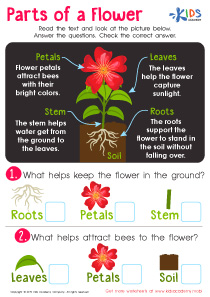
Story sequencing Easy Reading Fiction Worksheets for Ages 3-9
3 filtered results
Difficulty Level
Grade
Age
-
From - To
Subject
Activity
Standards
Unlock your child's potential with our Story Sequencing Easy Reading Fiction Worksheets for ages 3-9. Designed to enhance early literacy skills, our engaging worksheets help young learners understand story structure by identifying the beginning, middle, and end. These printable activities aid in comprehension, boost critical thinking, and make reading fun through delightful tales and captivating illustrations. Ideal for home or classroom use, our resources lay the foundation for confident and successful readers. Give your child the tools they need to shine with Kids Academy’s expertly crafted educational materials. Make storytelling an interactive adventure today!
Favorites
With answer key
Interactive
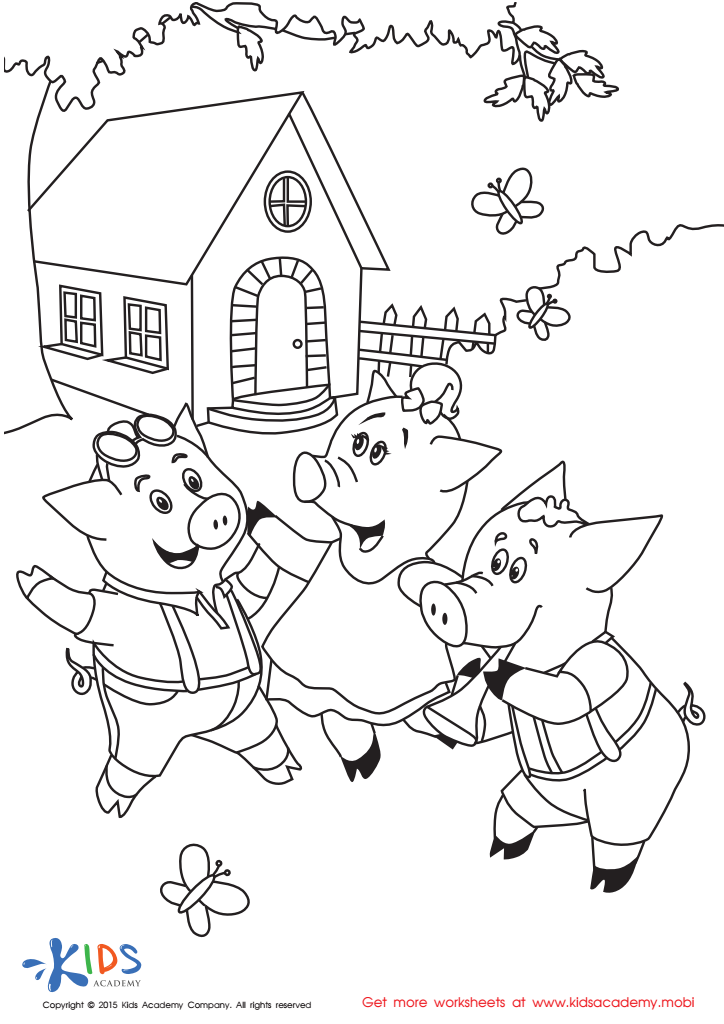
Folktales Printable PDF Worksheet: The 3 Little Pigs
Then, help your child to color the scene with pink piglets, blue sky and green grass. Make the brick house bright and vivid. Enjoy!
Download (PDF)
 Assign to My Students
Assign to My Students
Folktales Printable PDF Worksheet: The 3 Little Pigs
Worksheet
Rapunzel Story Sequencing Worksheet
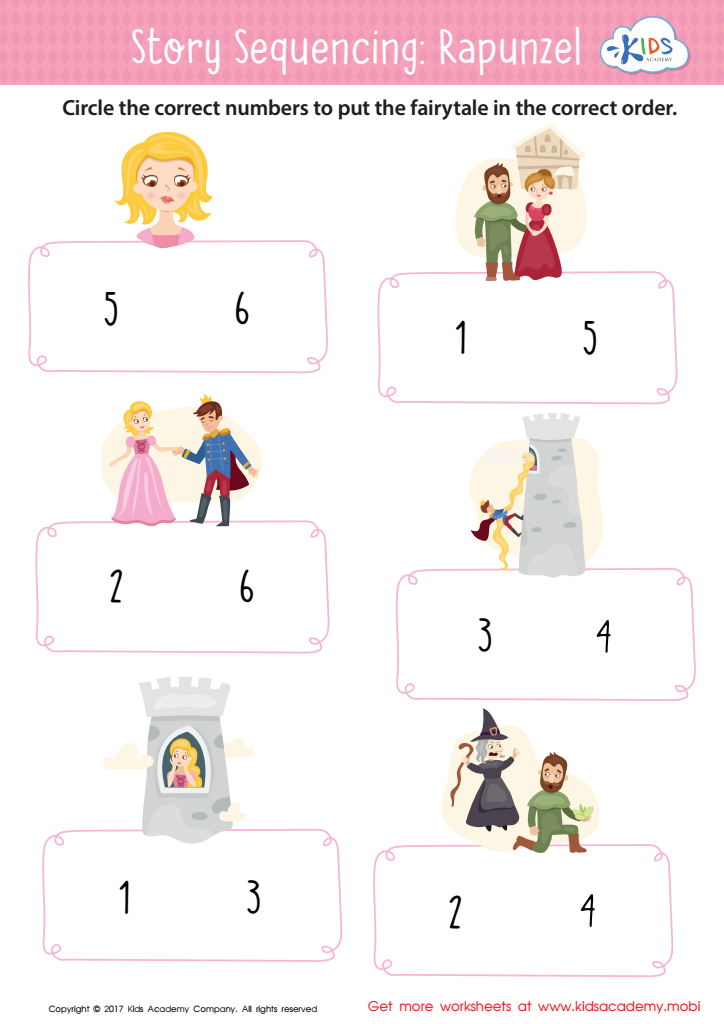
Enhance your child's reading comprehension and help them sequence story events with this Rapunzel worksheet – it's thrilling and educational! Max 80 words.
Help your child develop their reading comprehension with this exciting Rapunzel story sequencing worksheet! Kids view pictures from the classic fairytale and number them in the right order, reinforcing their understanding of story events. Educational and entertaining!
Rapunzel Story Sequencing Worksheet
Worksheet
Little Red Riding Hood: Illustrations Worksheet
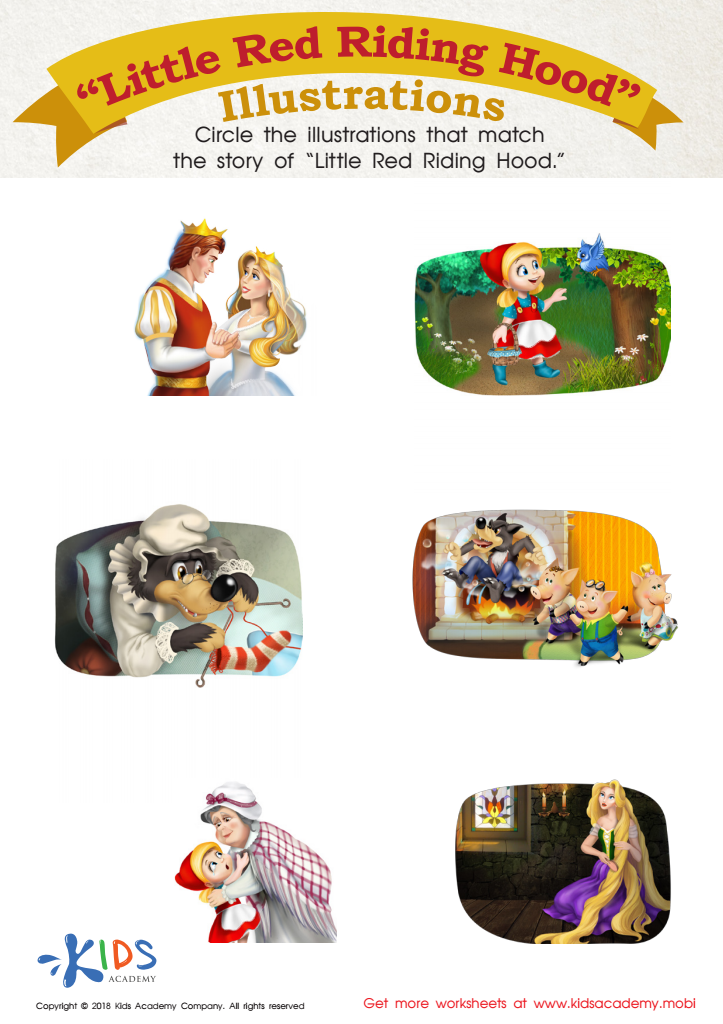
This worksheet encourages children to analyze illustrations from familiar fairy tales, such as Little Red Riding Hood, and decide which ones match the story and which don't. It's a great way to help them recall and retell stories they've heard or read. Illustrations are important elements that help children comprehend advanced readings.
Little Red Riding Hood: Illustrations Worksheet
Worksheet
Join Kids Academy for Free
Who is primarily going to use this learning content?








Story sequencing skills are a crucial foundation for effective reading comprehension and overall literacy development in young children, particularly those aged 3-9. Engaging in easy reading fiction that emphasizes story sequencing helps children understand the beginning, middle, and end of a narrative. This understanding is essential not only for reading but for structuring their thoughts and communication.
For parents and teachers, emphasizing story sequencing encourages active participation and engagement with the text. Kids learn to anticipate plot developments, recall main events, and make logical connections between actions and outcomes. This comprehension skill translates into improved memory, critical thinking, and organizational abilities, which are beneficial across all areas of learning.
Moreover, early immersion in story sequencing helps in establishing a routine and familiarity with reading structures that later contribute to better writing skills. Children can grasp the concept of cause and effect, understand the significance of order, and develop patience in processing stories methodically.
Emotionally and socially, well-structured stories often feature relatable characters and situations, aiding in empathy development and emotional intelligence. The collaborative activity of reading and discussing the sequence fosters stronger relationships between children and their caregivers, enhancing bonding and providing a platform for deeper understanding.
Inclusion of story sequencing in early literacy thus cultivates fundamental cognitive skills that serve as a cornerstone for future academic success and life skills.