Alphabet Recognition Easy ABC Letters Worksheets for 3-Year-Olds
7 filtered results
-
From - To
Introducing our "Alphabet Recognition Easy ABC Letters Worksheets for 3-Year-Olds" – the perfect resource to help your child master the alphabet! Designed specifically for preschoolers, these fun and engaging worksheets combine colorful illustrations with simple activities that make learning enjoyable. By focusing on letter recognition, your child will enhance their early literacy skills, setting a solid foundation for reading and writing. Each worksheet features activities like tracing letters, matching upper and lower case, and identifying beginning sounds, ensuring your little one develops a strong grasp of the ABCs. Download now to support your child's educational journey!
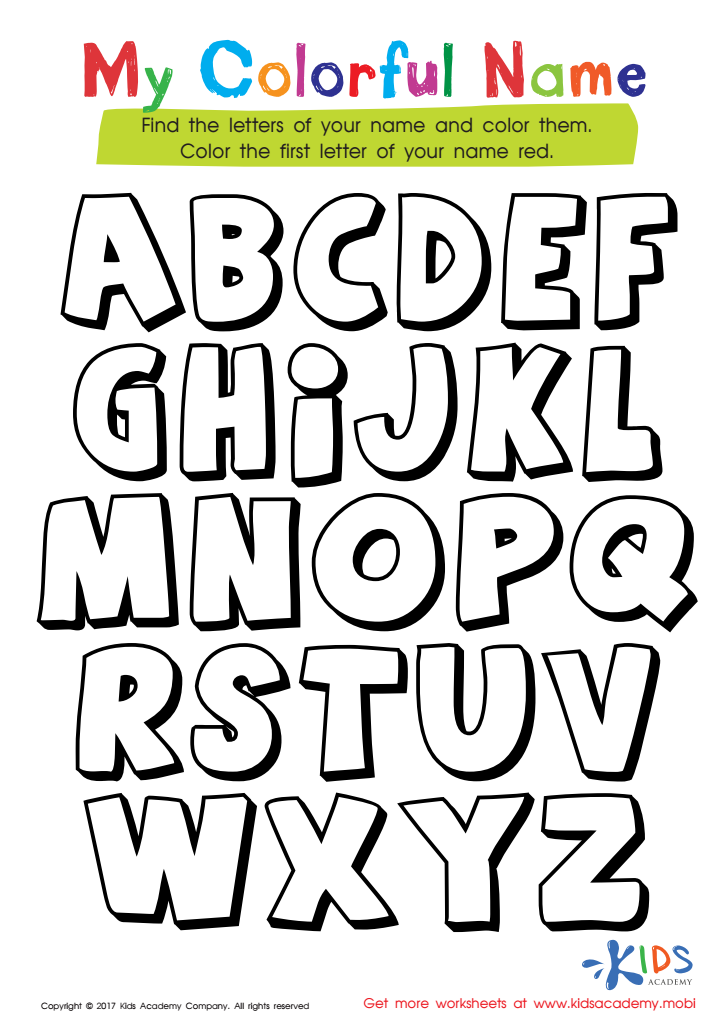
My Colorful Name Worksheet
 Assign to My Students

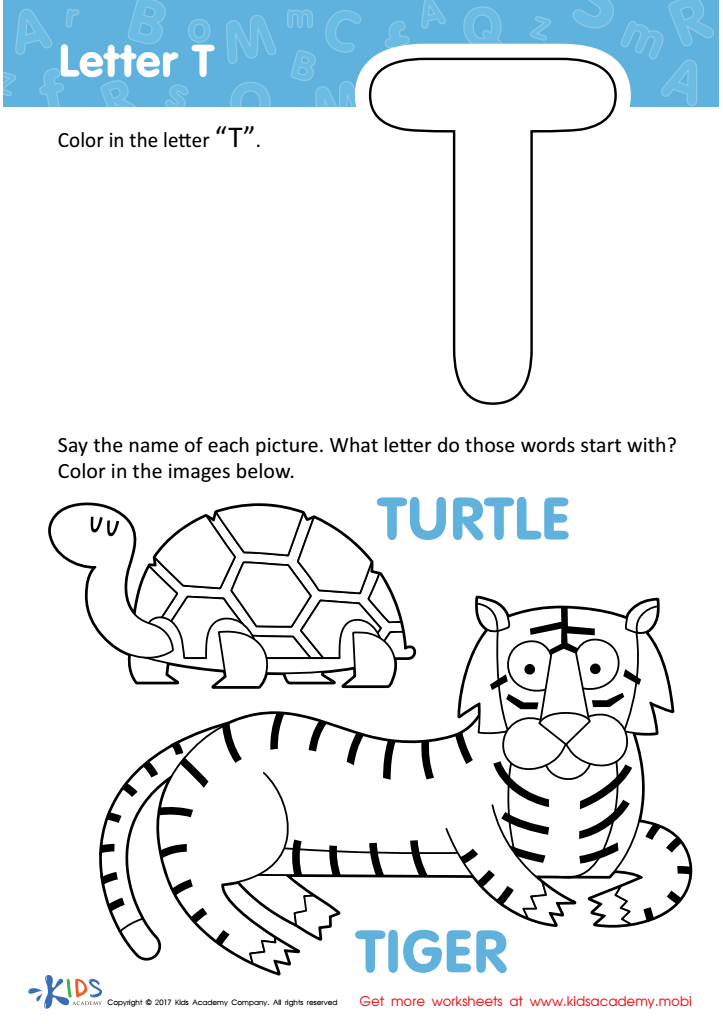
Letter T Coloring Sheet
Assign to My Students
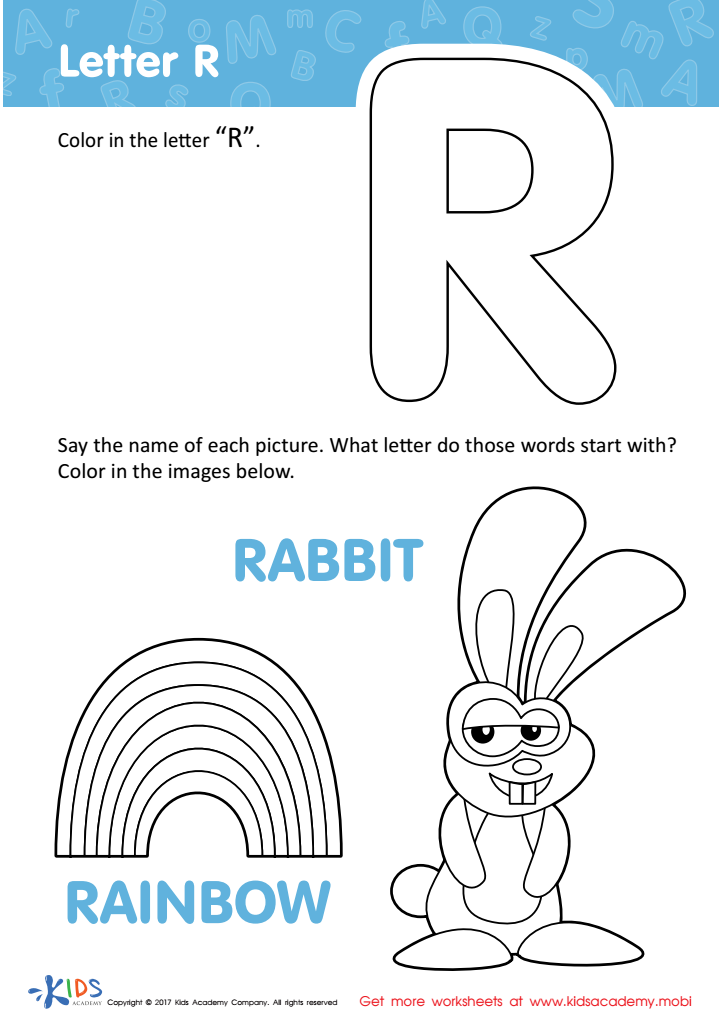
Letter R Coloring Sheet
Assign to My Students
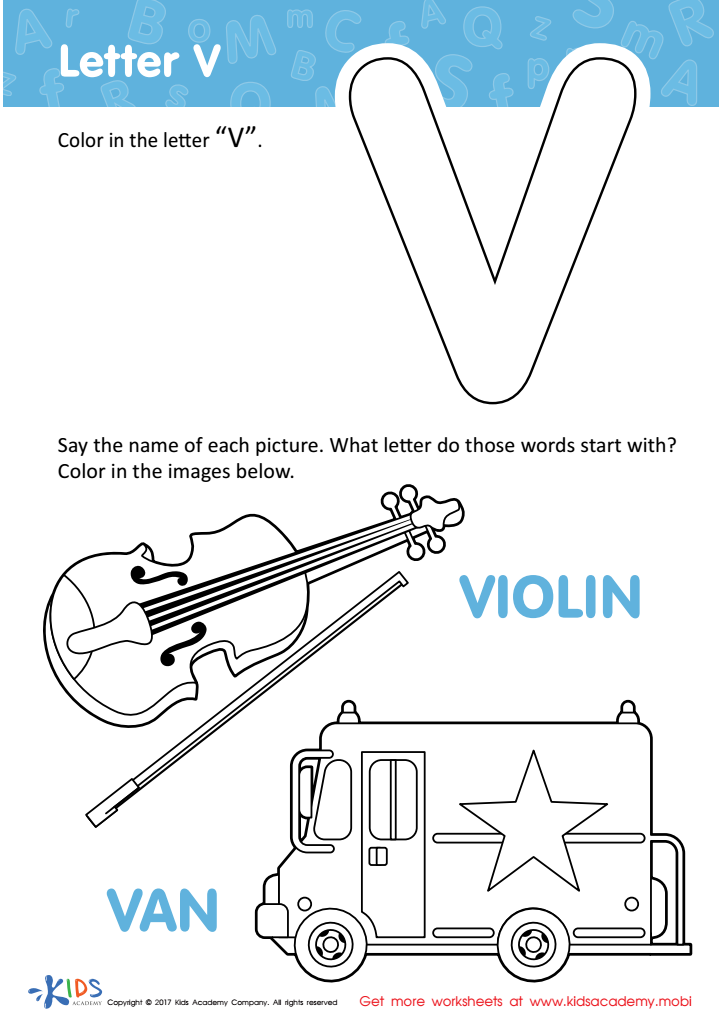
Letter V Coloring Sheet
Assign to My Students
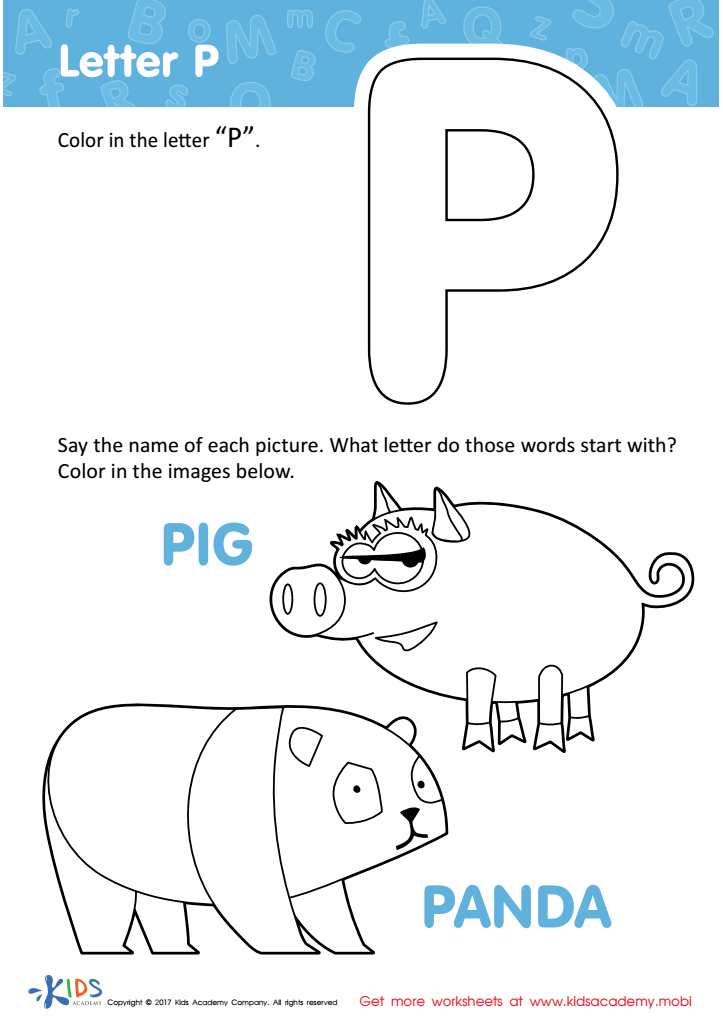
Letter P Coloring Sheet
Assign to My Students
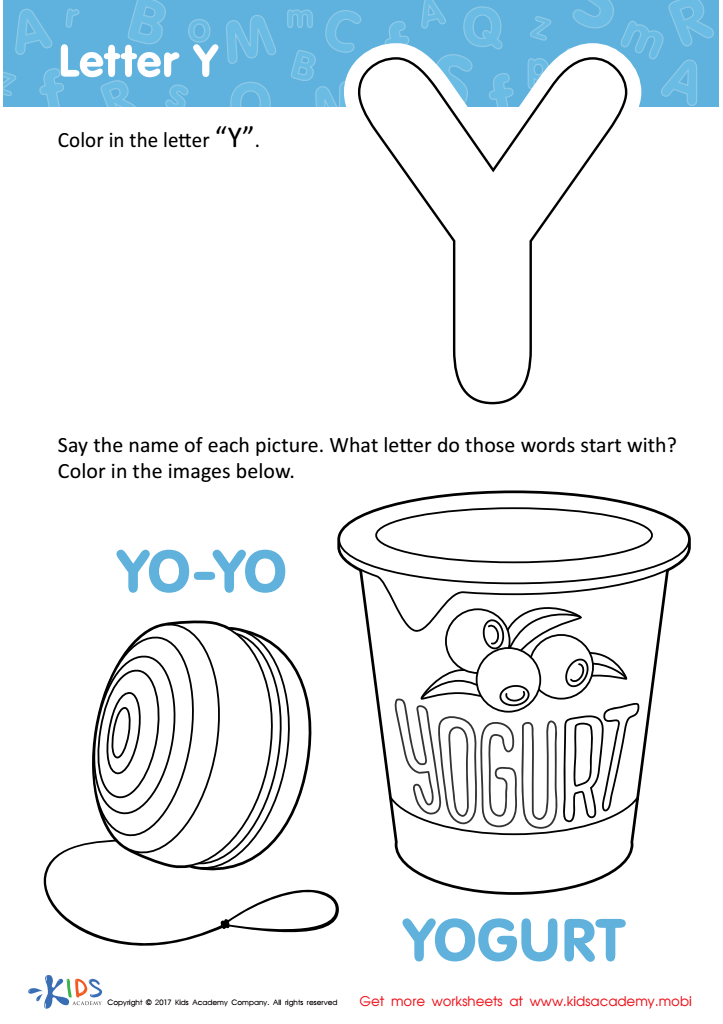
Letter Y Coloring Sheet
Assign to My Students
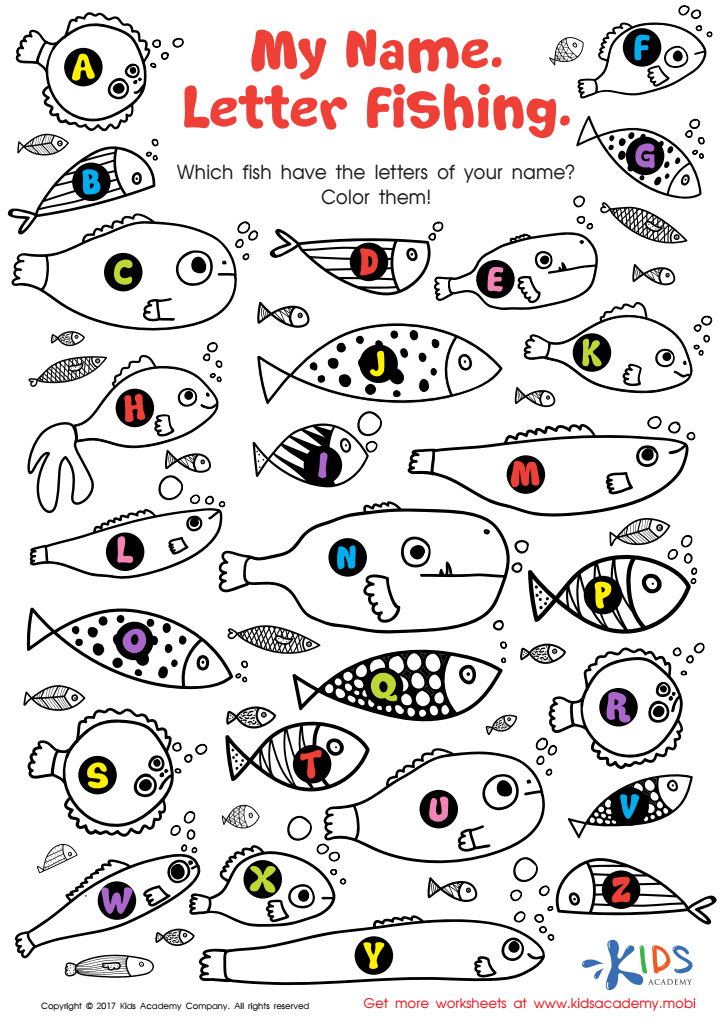
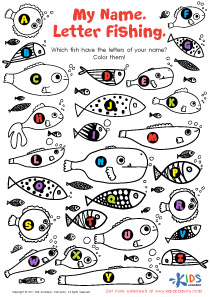
My Name: Letter Fishing Worksheet
Assign to My Students







Alphabet recognition is foundational to early childhood literacy, making tools like Alphabet Recognition Easy ABC Letters crucial for 3-year-olds. At this age, children are in a critical period of cognitive development and are eagerly absorbing new information. Recognizing letters is the first step in the complex process of learning to read and write, which will subsequently play a significant role in a child's academic success and overall confidence.
Parents and teachers should care deeply about this developmental milestone. By facilitating alphabet recognition early on, caregivers can ensure that children develop essential pre-literacy skills, such as understanding that letters represent sounds and those sounds combine to create words. This preparation significantly eases the transition into more advanced literacy skills.
Using engaging and interactive methods like Easy ABC Letters can make learning fun and effective for 3-year-olds. Such resources often employ colorful graphics, songs, and interactive activities, keeping young minds captivated and motivated. Additionally, early exposure helps children to develop fine motor skills as they begin to trace and write letters, preparing them for more complex writing tasks in the future.
In summary, prioritizing alphabet recognition sets the stage for future academic success, nurtures a love for learning, and builds a child's self-confidence, forming a robust foundation for lifelong literacy and education.