Color recognition Easy Worksheets for 3-Year-Olds - Page 2
27 filtered results
-
From - To
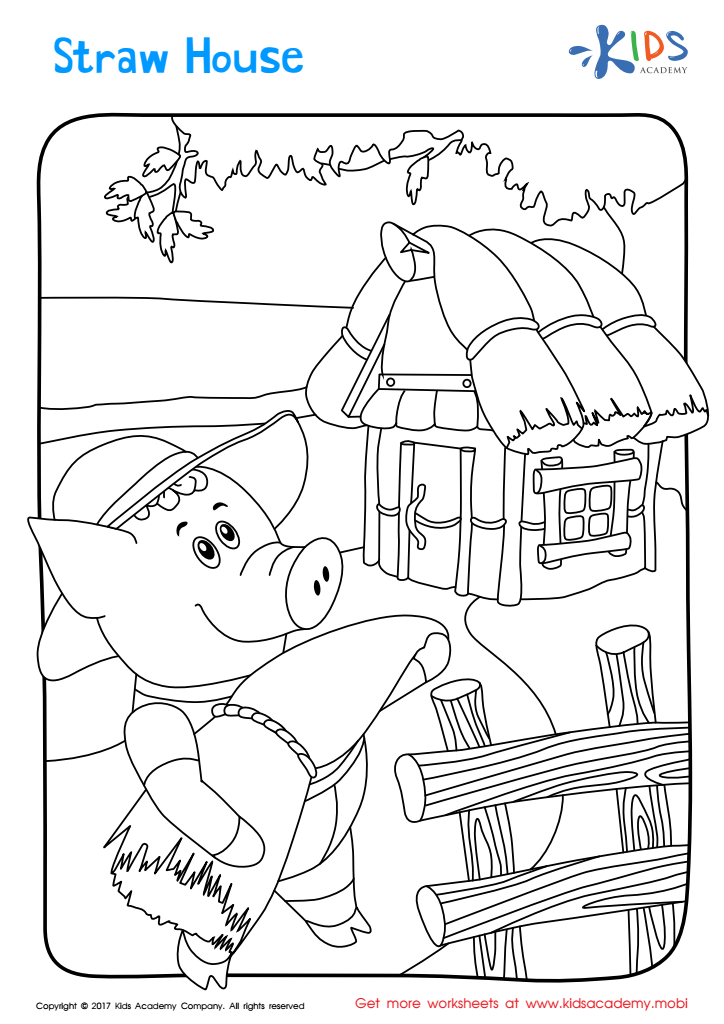
Straw House Printable Coloring Page
 Assign to My Students
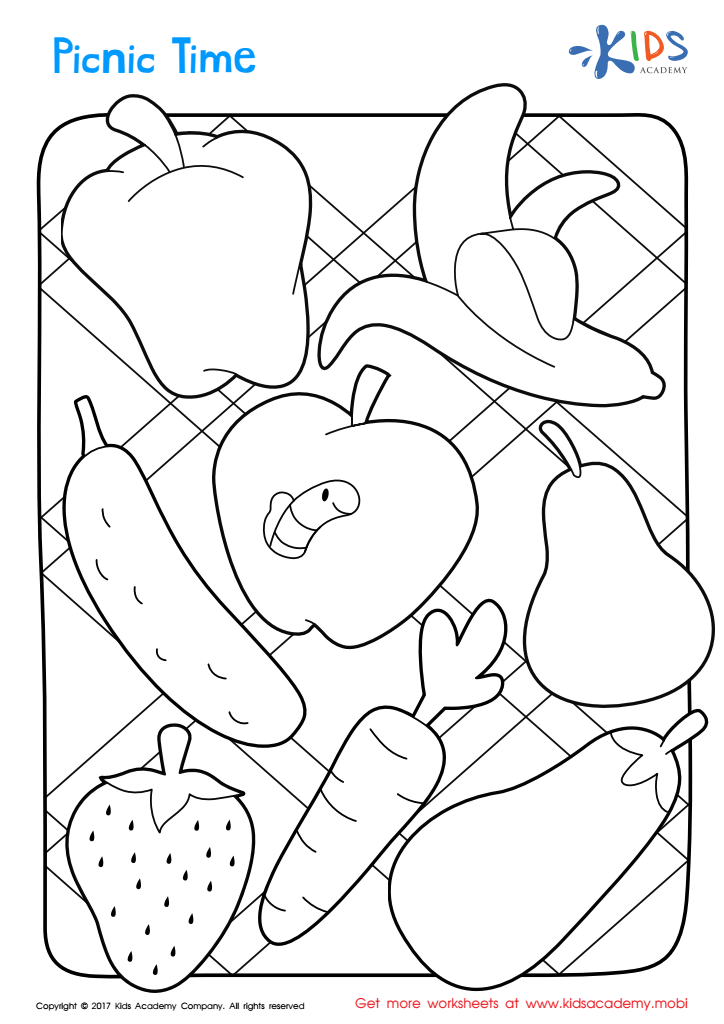
Picnic Time Coloring Page
Assign to My Students
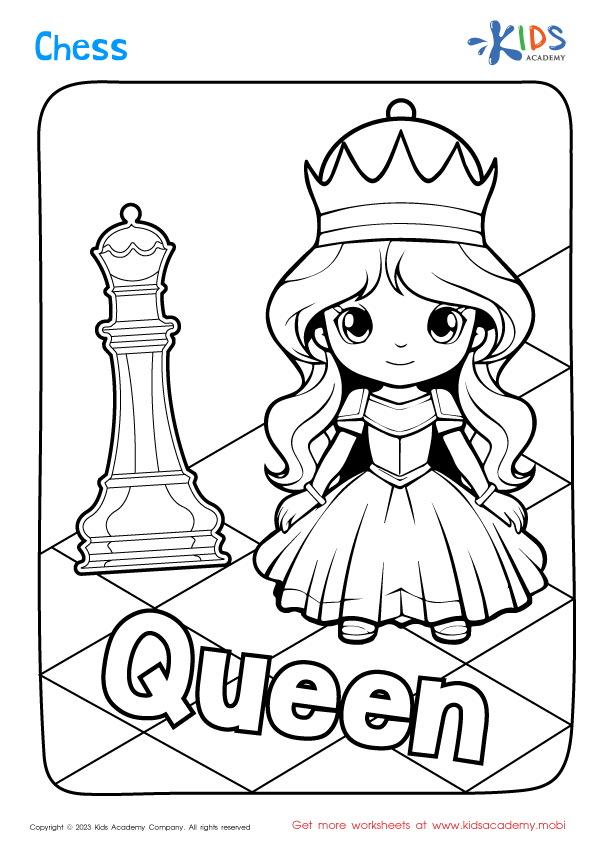




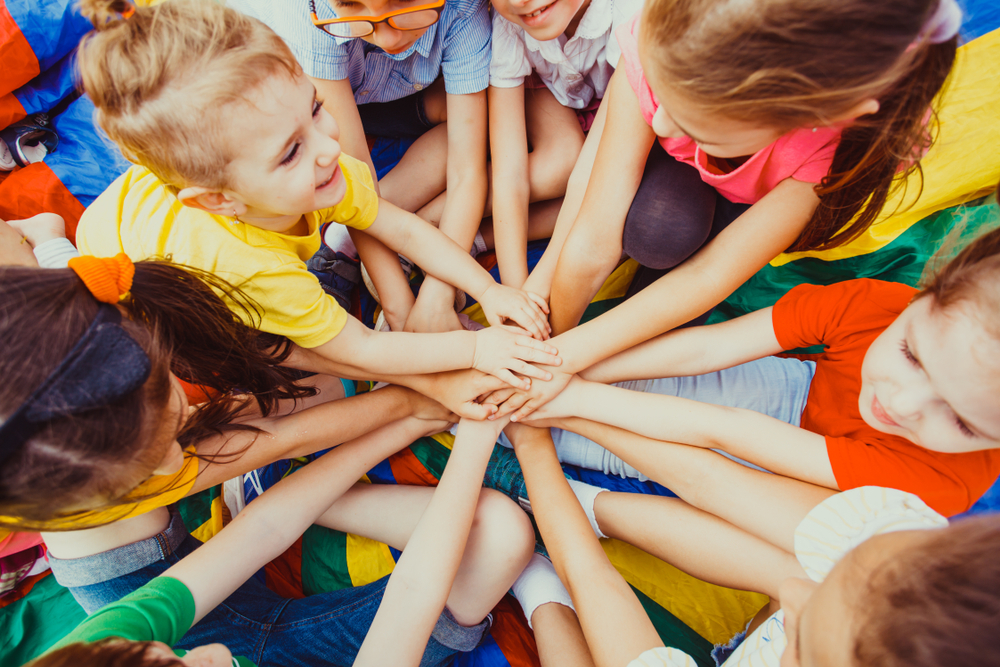


Color recognition is a fundamental skill that serves as a foundational building block for a child's cognitive development. For 3-year-olds, mastering this skill is not just about knowing different colors, but it significantly influences multiple areas of learning and skill development.
Firstly, color recognition enhances language acquisition. As children learn to identify and name colors, they are simultaneously expanding their vocabulary and improving their communication skills. Phrases like "red apple" or "blue car" enrich their descriptions and understanding of the world around them.
Secondly, learning colors supports cognitive development, particularly classification skills. Differentiating between colors helps children make distinctions between objects, boosting their observational skills and memory. This form of categorization is a precursor to understanding more complex concepts in math and science.
Socially, recognizing colors fosters interactions during play and collaborative activities, nurturing social and emotional skills. It also encourages creativity and self-expression, as seen in activities like drawing and painting.
For these reasons, both parents and teachers should prioritize activities that make color learning engaging and fun, such as color-based games, puzzles, and books. By supporting early color recognition, adults help children build a strong, versatile foundation for their ongoing learning journey.








