Reading Skills Easy Worksheets for 3-Year-Olds
3 filtered results
-
From - To
Welcome to our Reading Skills Easy Worksheets for 3-Year-Olds! Designed to engage young minds, these worksheets provide a fun and interactive way for preschoolers to build essential reading skills. Each activity is tailored to enhance letter recognition, phonemic awareness, and vocabulary development through colorful illustrations and playful exercises. Parents and educators will appreciate the ease of use, making learning enjoyable for kids. Perfect for home or classroom settings, our worksheets encourage a love for reading from an early age. Explore our resources to spark your child's curiosity and support their early literacy journey today!
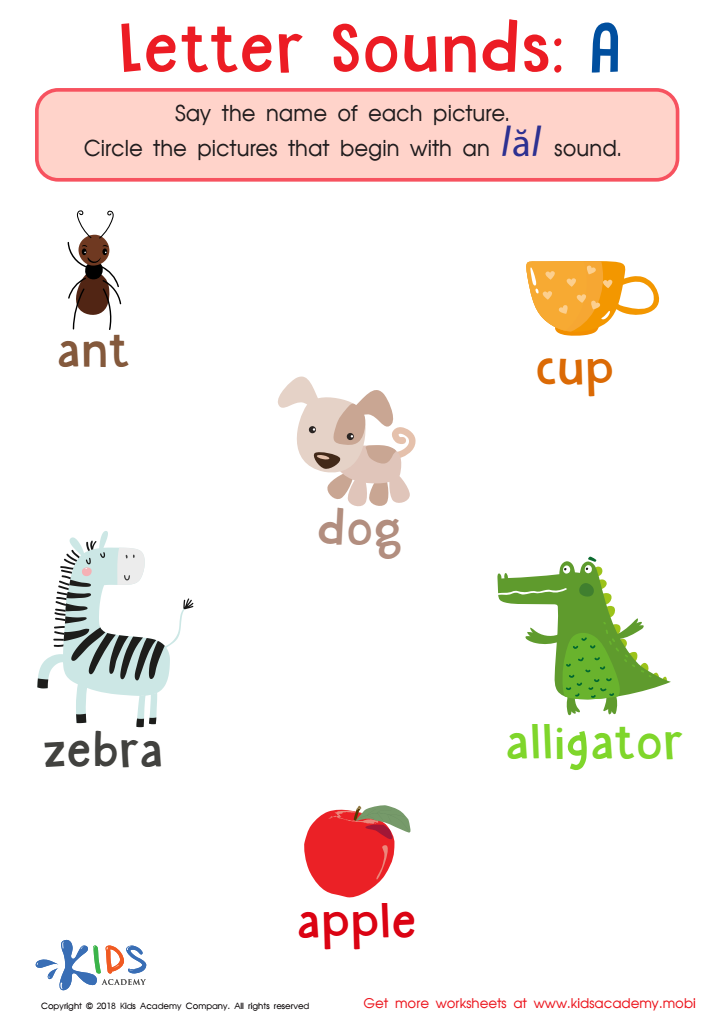
Letter A Sounds Worksheet
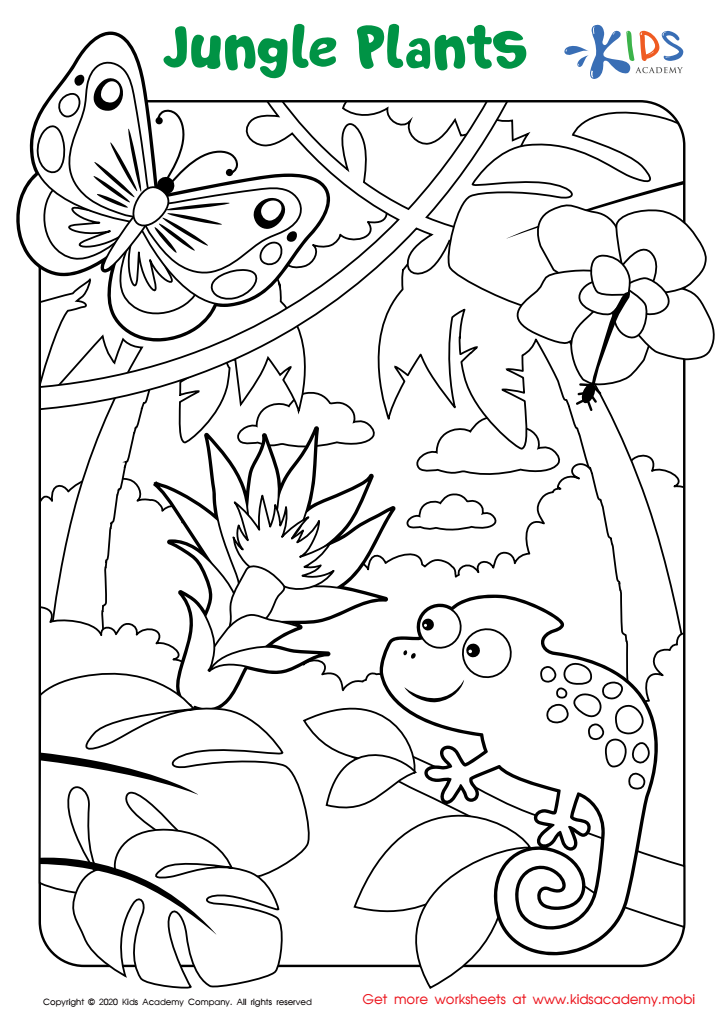
Jungle Plants Worksheet
 Assign to My Students
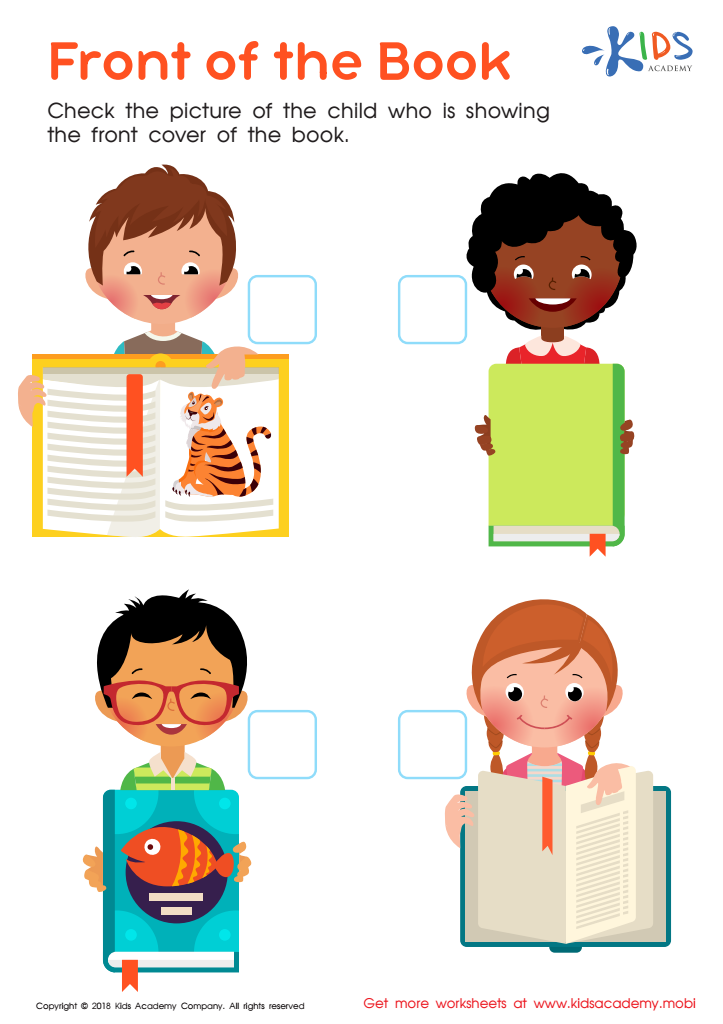
Front of the Book Worksheet



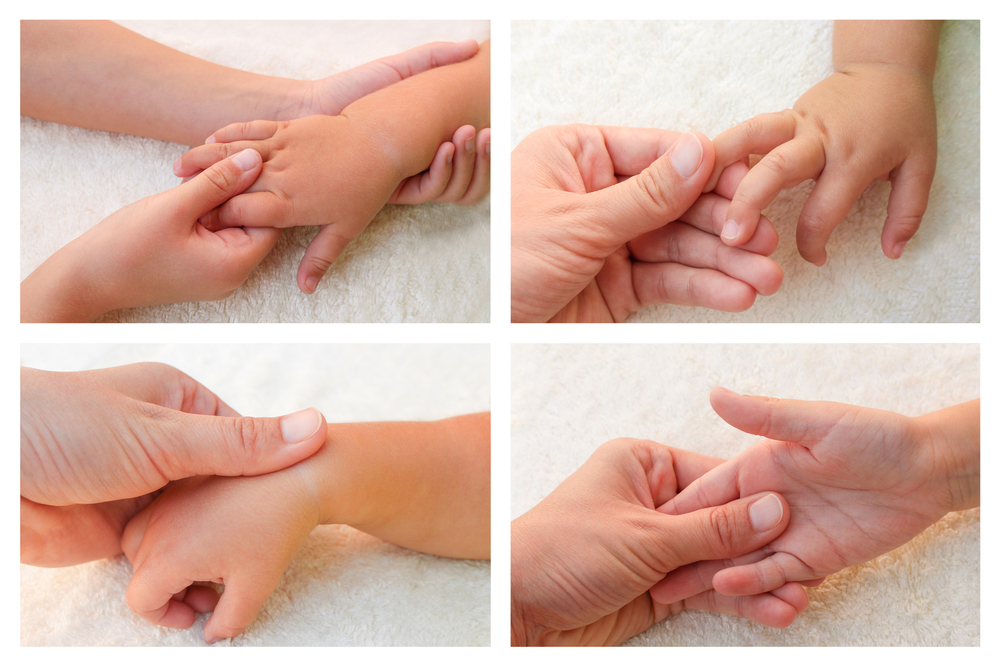


Parents and teachers should care about reading skills for 3-year-olds because these foundational abilities significantly influence a child's future academic success and overall development. Early exposure to reading helps children develop language skills, enhances their vocabulary, and fosters critical thinking. At this age, kids are like sponges, absorbing language and concepts rapidly. When parents and teachers engage children in activities like storytelling, sharing picture books, and rhyming games, it cultivates a love for reading and learning.
Moreover, strong reading skills set the stage for better performance in school, as children who are exposed to books early tend to develop essential skills that are pivotal when they begin formal education. Early literacy activities also promote social-emotional growth, as they provide opportunities for bonding, discussion, and communication between adults and children.
Additionally, proficiency in reading can boost a child’s confidence, encouraging them to explore and express their thoughts more freely. By prioritizing reading skills development, parents and teachers not only prepare children for academic challenges but also nurture well-rounded, curious individuals, laying a robust foundation for lifelong learning. Encouraging reading at an early age is an investment in the child's future, eligible to transform their relationship with education and knowledge.








